REVIEW · TOKYO
Tokyo: Evening Tour – Temples, Neon Streets & Culture
Book on GetYourGuide →Operated by ShogunTours · Bookable on GetYourGuide
Tokyo after dark has a different pulse. This tour strings together temples, neon streets, and culture after 4 PM, when the city cools off and looks like the movies. I especially like how the route uses night lighting to make Asakusa and Shibuya feel cinematic, and I also like the way the guide can tailor the pace for your group (and even work around mobility limits). One thing to consider: it’s still a walking tour, so comfy shoes are non-negotiable—and parts of Shibuya/Shinjuku can be crowded even at night.
The best value here is that you’re not doing Tokyo on hard mode. A local guide helps you move between neighborhoods using public transit like a regular, then focuses on the streets and stories you’d struggle to piece together yourself. In the same vein, past groups have praised guides like Deen for adjusting a route on the fly for someone recovering from knee surgery, and Sofia for customizing the tour around a traveler’s interests and gift-shopping needs.
The main drawback is simple: you’re on your feet for about three hours (often up to the 11 PM end window), and transport/entrance costs for yourself aren’t included. If you hate walking or you need lots of sit-down time, you’ll want to think twice—or plan a slower next day.
In This Review
- Key things I’d watch for
- Why Tokyo Looks Better After 4 PM
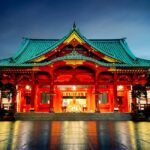
- Asakusa After Dark: Lantern Light and a Calmer Temple Scene
- Shibuya Crossing at Night: Billboards, Big Lights, and Street-Level Angles
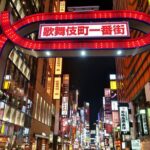
- Shinjuku Nightlife Route: Omoide Yokocho to Kabukicho
- Akihabara After Dark: Anime, Gaming, and Tech Culture
- How the Guide Tailors the Tour and Captures Photos
- Walking, Transit, and What’s Included in Your $83 Ticket
- Best Fit: Who Should Book This Evening Route
- Should You Book This Tokyo Evening Tour?
- FAQ
- When does the Tokyo evening tour start?
- How long is the tour?
- Is the tour private or shared?
- What languages are offered?
- Are photos included?
- Is hotel or pickup included?
- Do I need to pay for transit or entry tickets?
- Is there free cancellation and pay-later booking?
- Is the tour wheelchair accessible?
Key things I’d watch for
- Start after 4 PM for cooler weather and night lighting.
- Asakusa at lantern hour for a more peaceful temple experience.
- Shibuya Crossing under billboards plus the surrounding photo streets.
- Shinjuku at night from Omoide Yokocho to Kabukicho.
- Akihabara after dark for anime, gaming, and tech culture.
- Private-group flexibility with possible guide-taken photos (and a pro photographer if available).
Why Tokyo Looks Better After 4 PM
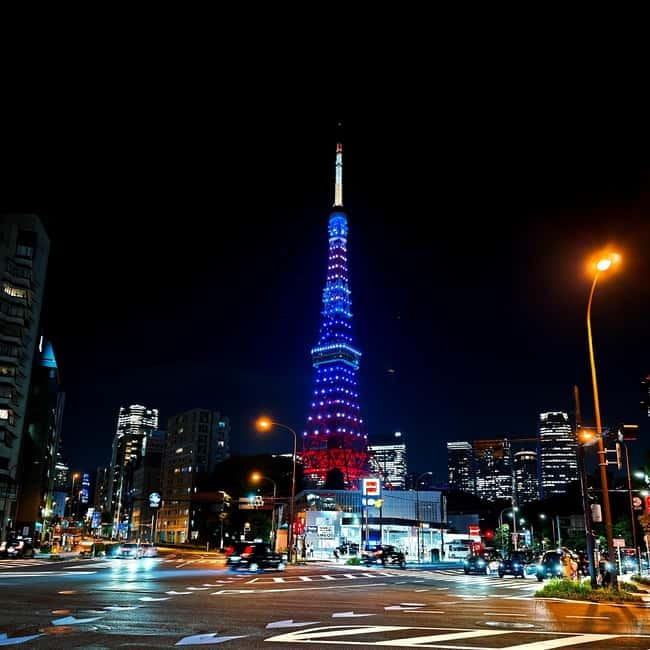
Night in Tokyo changes the vibe fast. Daytime is about heat and crowds; evening is about glow, signage, and the little rhythms you don’t catch when you’re racing from one landmark to the next. This tour is timed to start anytime after 4:00 PM, which helps you avoid the worst summer pressure and gives you time for that shift from late afternoon to full-on neon.
The other smart part is that it’s designed as a walking route with short transit hops. You’re not just sightseeing from a bus window. You’ll use Tokyo’s public transportation to get between districts, then walk the streets where the atmosphere actually lives: shopfronts, side alleys, and the edges of big intersections where photos look best. The total distance can vary based on your pace and preferences, so the “3 hours” is a guide, not a strict march order.
Also, this is a private group, so you’re less likely to get stuck in a one-size-fits-all schedule. I like that the itinerary is described as flexible—meaning your guide can adjust the order or include different backstreets depending on the day and your interests. That matters because Tokyo changes block by block, and night mood can swing by season and weather.
If you’re the kind of traveler who wants to see iconic places like Shibuya Crossing but also wants the smaller lanes around them, this timing is a strong fit. You’ll also get better photo results with softer light and fewer people crowding every angle.
You can also read our reviews of more evening experiences in Tokyo


Asakusa After Dark: Lantern Light and a Calmer Temple Scene
Asakusa is the starting point vibe-wise: tradition first, then neon. The goal here is to see Tokyo’s oldest temple setting in a completely different atmosphere, after the lanterns are lit and many people have moved on to dinner plans. That change is real. Evening tends to feel quieter, and you get more space to look up at the glow without battling mid-day crowds.
What makes this stop work on an evening tour is contrast. Daytime temple visits can feel like a checklist. At night, you notice details: the warmth of lantern light, how streets look when reflections show up in wet pavement or shop glass, and how pedestrian flow changes as the area shifts into night mode. It’s also simply easier to spend time lingering with photos when temperatures are more comfortable.
Keep your expectations realistic. Asakusa can still be busy, especially around peak times, but it usually feels less frantic later in the evening than during daytime sightseeing blocks. The guide’s job is to help you find angles and streets that feel worthwhile without you doing that frantic search alone.
A practical tip: if your phone camera is your main tool, charge up before you go and bring a strap or secure way to carry it. Night photos look great, but you’ll likely use your camera more than you expect.
Shibuya Crossing at Night: Billboards, Big Lights, and Street-Level Angles
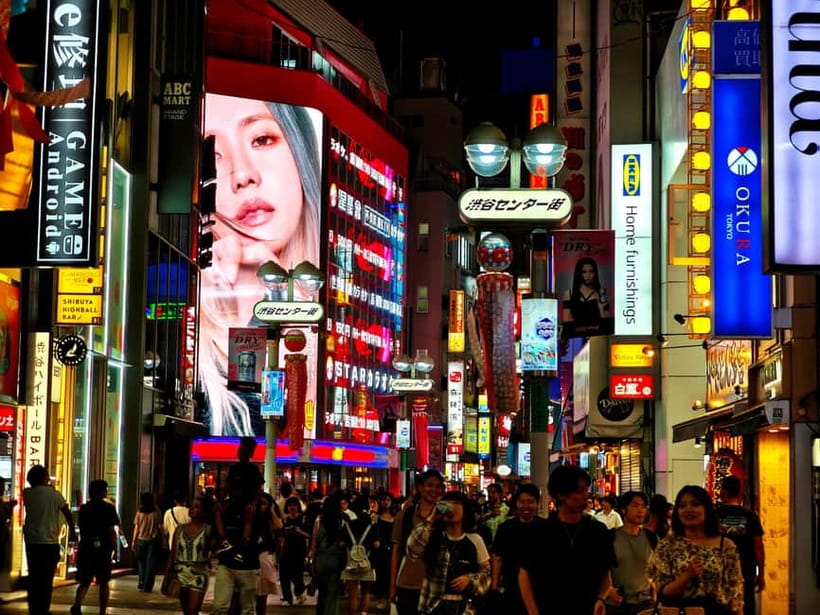
Then you hit the famous part: Shibuya Crossing. There’s a reason this intersection became a global symbol. At night, it turns into a layered scene of motion, signage, and light. Even if you’ve seen photos, the energy feels different when the billboards glow around you and the crowd compresses into waves.
What I like about including Shibuya on an evening route is that you don’t just stand at the crossing and hope for a good shot. The tour is built to help you move beyond the main moment into the surrounding streets. Those nearby back alleys and side blocks are where you’ll find more interesting compositions—less “postcard center” and more real city texture.
It’s also a good time to understand Shibuya’s layout without the stress of rushing through it in daylight. Your guide can help you read how people cross, where pedestrian signals make sense, and which streets connect smoothly for the next stop.
One consideration: Shibuya can be crowded. If you’re sensitive to tight spaces, keep that in mind and let your guide know your comfort level early. The tour’s private format helps—your guide can pace you so you’re not constantly getting pulled along by the biggest crowd surge.
Shinjuku Nightlife Route: Omoide Yokocho to Kabukicho
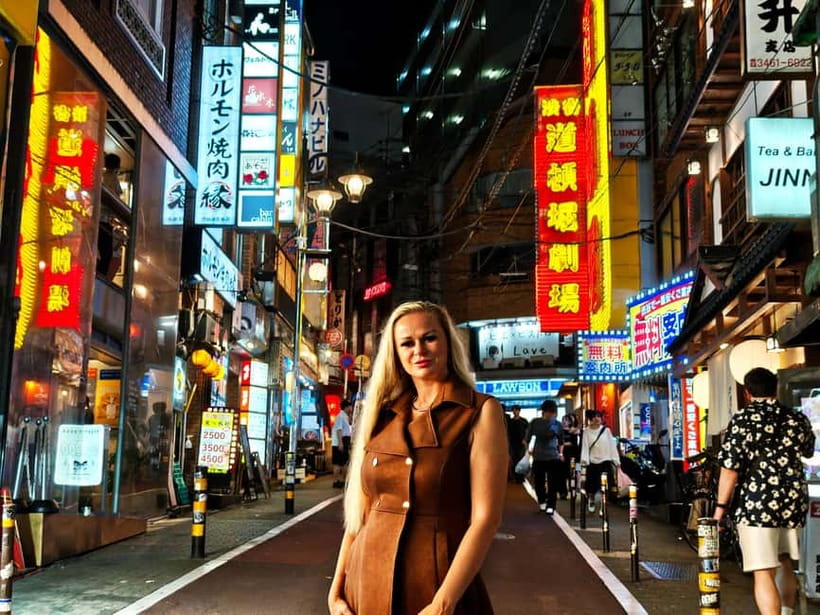
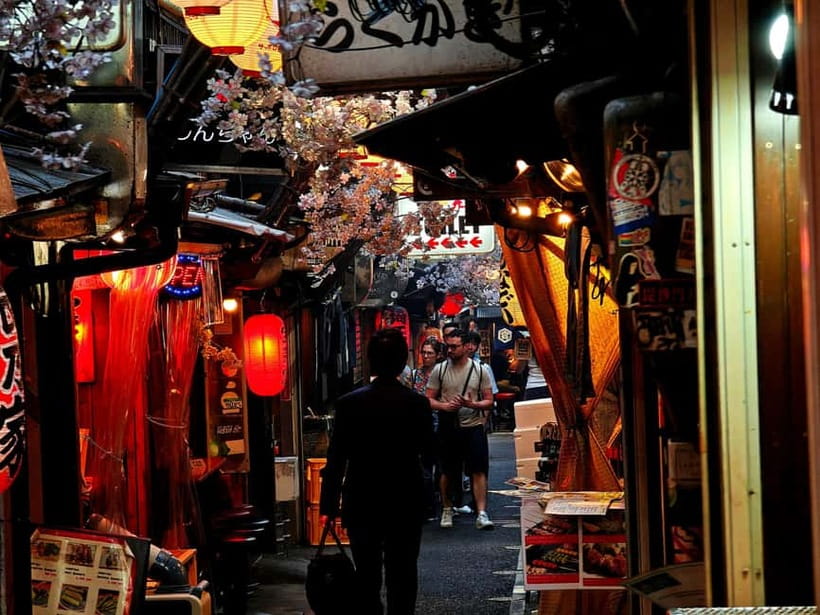
After Shibuya, the tour turns up the volume with Shinjuku nightlife. This is where Tokyo’s after-dark personality shows up in stacks: izakayas (small drinking spots), game arcades, karaoke bars, and neon signs that seem to run on their own electricity. You’re not just seeing entertainment venues—you’re walking the kind of streets locals actually use to move between plans.
The route includes a particularly fun contrast: from Omoide Yokocho to Kabukicho. Omoide Yokocho tends to feel like stepping into an older-style alley atmosphere—narrow lanes and compact energy. Kabukicho is where the neon intensity is obvious, and the pace can feel faster. Together, they help you understand Shinjuku as both character and chaos, not just a single “party district.”
What makes the experience worth it isn’t only the stops; it’s the navigation support. Tokyo’s nightlife areas can feel like mazes. Having a guide who knows which lanes to walk (and which ones to skip) saves you time and avoids the awkward “which street leads where?” moments—especially at night.
If your group includes someone who gets overwhelmed easily by noise or crowds, tell your guide what works for you. Past groups have praised guides for tailoring the route to abilities and interests, and this is exactly the kind of section where that flexibility matters.
Also, plan for sensory overload. This isn’t quiet culture tourism. It’s lively, sign-heavy, and full of people deciding what to do next.
Akihabara After Dark: Anime, Gaming, and Tech Culture
Last stop flavor: Akihabara at night. If Shinjuku is about nightlife energy, Akihabara is about fandom and obsession—anime, gaming, and tech culture showing up as signage, storefronts, and crowds with matching interests.
After dark, Akihabara tends to feel more like a scene. You’ll see more street-level action around game and electronics stores, and the neon helps the whole district look more themed than it does during the daytime. This is a great stop for curiosity as much as for diehard fans. Even if you’re not sure what you’re looking at, the vibe makes you want to slow down and read.
The guide may also include lesser-known alleys or photogenic backstreets, and in some cases even rooftop views depending on the day. I like that approach because it keeps the stop from becoming only “walk past stores.” Instead, you get variety in the street photography and a better sense of how locals circulate through the area.
A practical note: if you’re planning to buy electronics or souvenirs, don’t wait until the last five minutes of the tour. This is where you’ll want time to browse, compare, and decide what you actually want to carry home.






How the Guide Tailors the Tour and Captures Photos
Two of the most praised parts of this experience are the human element and the photo support. You get an English-language guide (and Spanish is available), and the tour is private. That combination matters because customization isn’t just a marketing line. It affects where you walk, how long you linger, and what you focus on.
I also appreciate that the included extras are thoughtful. The tour includes photos taken by your guide during the walk if available. In some cases, a professional photographer may be included. Either way, you’re not stuck asking strangers for pictures at awkward angles—especially at intersections like Shibuya where you don’t want to block anyone’s flow.
The customization piece has real-world impact. Guides like Deen have reportedly adjusted the experience on the fly for a traveler recovering from knee surgery, and Sofia has reportedly tailored a tour for someone with specific interests and a focus on finding gifts to bring back. That tells you the guides aren’t just reciting facts—they listen, then adjust.
If you like tours but hate being herded, this is the sweet spot. You’ll get expert guidance without losing control of your own pace.
What you should do: bring a couple of “musts” and a couple of “maybes.” For example, must-see might be Shibuya Crossing at night; maybe might be a shopping backstreet in Akihabara if the timing works. Your guide can then build a route that makes sense instead of forcing everything to fit a rigid script.
Walking, Transit, and What’s Included in Your $83 Ticket
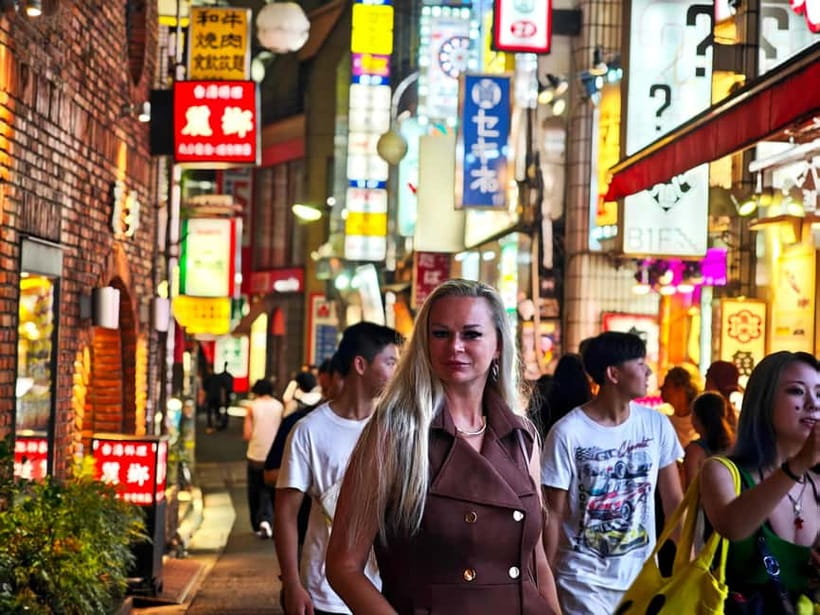
Let’s talk money and value—because $83 is only a bargain if the tour does enough with it.
You’re paying for:
- A live guide in English (with Spanish also supported)
- A private group experience
- A flexible route built around night timing
- Photos taken by your guide (if available)
- Hotel or location pickup on foot (optional add-on)
- The “know where to go” advantage of moving through multiple districts efficiently
What’s not included:
- Public transportation fees for you
- Any entrance tickets you personally want
- Meals and personal spending
That means you should budget a bit extra on top of the ticket price for transit cards and any add-on admissions. The tour uses public transit to get between neighborhoods, so you’ll want to have some cash or a transit-ready payment method.
Also, because the tour is a walk-first experience, the real “cost” is physical effort. Comfortable clothes help, but the main must is good walking shoes. If your feet are ready, you’ll enjoy this more. If they aren’t, the night glow turns into an uphill negotiation.
On timing: the tour is listed as 3 hours, and the practical window is usually 3–4 hours, with tours running until 11 PM at the latest. That’s enough time to hit big icons like Shibuya Crossing and still cover Shinjuku and Akihabara without turning it into a marathon.
Best Fit: Who Should Book This Evening Route
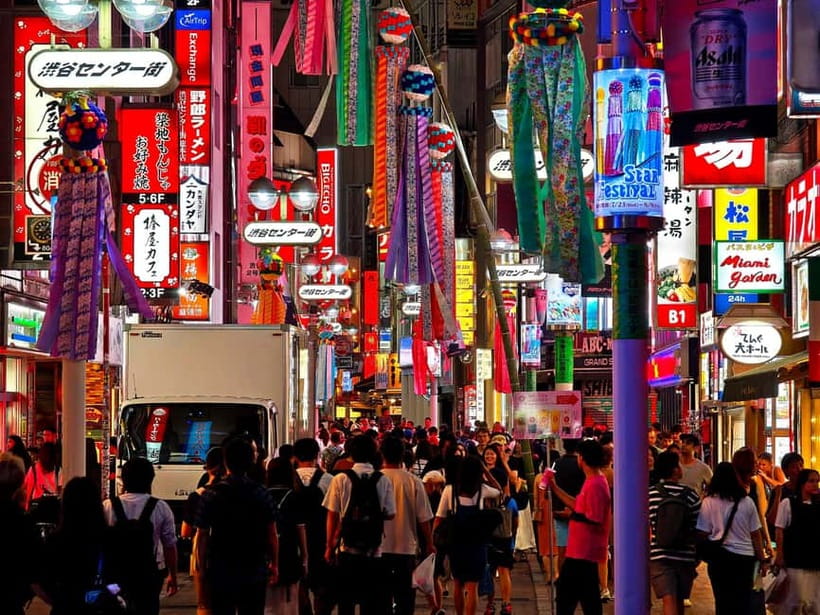
This tour suits you if:
- You want Tokyo’s after-dark side, not another daylight lineup
- You enjoy walking but prefer guidance over map-guessing
- You care about photo lighting and street-level scenes
- You want a plan that can shift for your pace and interests
- You’re traveling with a group where everyone can walk comfortably
It may not fit as well if:
- You need long seated breaks
- You hate crowds at major crossings or nightlife streets
- You’re expecting mostly quiet, contemplative temple time (Shinjuku is lively and sign-heavy)
The tour is wheelchair accessible, which is a strong plus if mobility needs are part of your planning. It’s also private, so you can communicate comfort levels and route preferences early.
Language support is another deciding factor. The tour runs in English, and Spanish is available (Italian and Spanish are also noted). If that works for your group, you’ll get more value out of the stories and street guidance.
Finally, if you’re visiting Tokyo in warm months, the evening timing is practical. You’re avoiding the day’s peak heat and using the cooler hours for the heavier walking parts.
Should You Book This Tokyo Evening Tour?
I’d book it if you want a smart, time-efficient way to experience Tokyo’s big icons plus the street texture between them—without feeling lost or rushed. The combination of Asakusa lantern atmosphere, Shibuya’s night crossing energy, Shinjuku’s nightlife maze, and Akihabara’s fandom glow is a strong mix, and the private, flexible format keeps it from feeling like a cookie-cutter parade.
I’d skip or reconsider if you’re not a walker, or if you don’t want to deal with crowds in Shibuya/Shinjuku even at night. Also remember that transit fees and any personal entrance costs are on you, so the $83 ticket isn’t the entire budget.
If you’re aiming for the Tokyo people actually talk about—neon, temples, and city storytelling—this is a solid pick for an evening chunk of your trip.
FAQ
When does the Tokyo evening tour start?
The tour can start anytime after 4:00 PM. Exact meeting time and location are confirmed after booking.
How long is the tour?
The tour duration is listed as 3 hours. Typical tours last about 3–4 hours, with a latest end time of 11 PM.
Is the tour private or shared?
It’s a private group tour.
What languages are offered?
The tour guide speaks English and Spanish. Italian and Spanish are also mentioned as available.
Are photos included?
Photos taken by your guide are included if available. A professional photographer may be available as well.
Is hotel or pickup included?
Hotel or location pickup is included on foot (with an optional add-on). Details are confirmed after booking.
Do I need to pay for transit or entry tickets?
Public transportation fees and any entrance tickets are not included. The tour uses public transit to move between neighborhoods.
Is there free cancellation and pay-later booking?
Yes. There is free cancellation up to 24 hours in advance for a full refund, and you can reserve now and pay later.
Is the tour wheelchair accessible?
Yes, the tour is wheelchair accessible.