REVIEW · TOKYO
A Tokyo Karate Dojo Activity Experience
Book on Viator →Operated by Tokyo Karate Dojo Experience · Bookable on Viator
A real dojo rhythm beats watching from the sidelines. In Shimo, Kita Ward, Soshikan Dojo turns karate into a practical, beginner-friendly experience with clear English coaching plus a taste of what comes right after training. I especially like the mix of etiquette and fundamentals that helps you feel less clueless fast. I also like that the instructor folds in the culture and history of the art, not just the physical moves. The one catch to plan around: you’ll need to bring a T-shirt to wear under your rental uniform.
This is set up to feel like a small, focused training session, not a staged performance. You get a clean, modern space with traditional touches (including a kamidana shrine), so you get both comfort and respect for the setting. I’d expect most people can handle it, but if you’re very sensitive about close-contact partner drills, go in ready to adjust and follow the instructor’s pacing.
In This Review
- Key Things You’ll Notice Right Away
- Inside Soshikan Dojo: What This Karate Experience Really Is
- Your Two-Hour Flow: Training, Etiquette, and Photos
- Etiquette Is Not a Side Quest
- Getting Ready: Gi Rental, Tenugui, and What to Wear
- The Dojo Setting: Modern Comfort Meets Traditional Respect
- After Class Next Door: Standing-Style Sake Bar Culture
- Price and Value: Is $86 for Two Hours Worth It?
- Who This Karate Dojo Experience Fits Best
- Practical Tips Before You Go
- Should You Book This? A Simple Decision Checklist
- FAQ
- How long is the karate dojo experience?
- What’s included in the price?
- What should I wear under the rental karate uniform?
- Is there an English-speaking instructor?
- Is this experience suitable for beginners?
- Where is the meeting point?
- Will I get time to take photos?
- Are drinks required to be alcoholic?
- Is this a private group activity?
- What’s the cancellation policy?
Key Things You’ll Notice Right Away
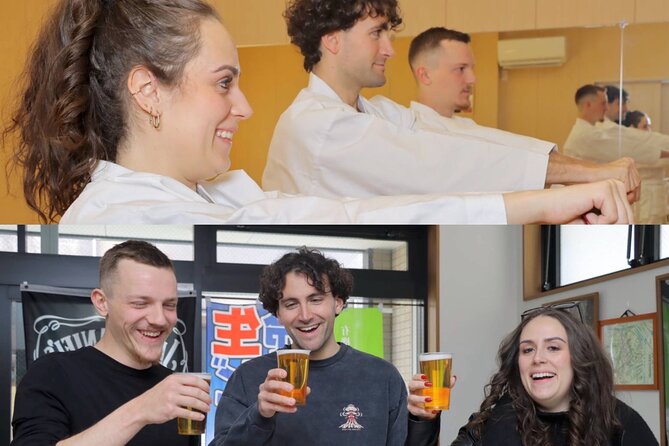
- Modern dojo, traditional details: Clean July 2023 build with a kamidana shrine for a respectful setting
- Beginner coaching in English: Guidance on basic techniques and proper conduct
- You practice etiquette, not just strikes: The routine starts with how to behave in a dojo
- Rental gear and simple comfort items: Gi uniform plus a tenugui towel and bottled water
- Training-to-drinks connection: A standing-style sake bar next door adds the after-class social culture
- Two alcoholic drinks plus snacks included: Non-alcoholic options are also available
Inside Soshikan Dojo: What This Karate Experience Really Is
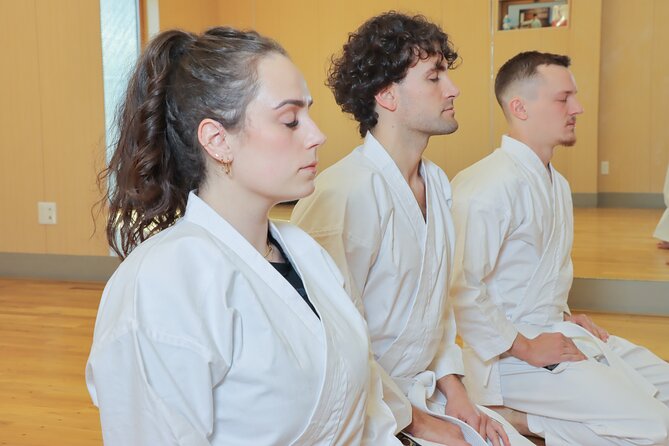
If you’ve only seen karate on TV, this gives you the parts that don’t fit on a screen: the rules, the pace, and the way the room shapes your behavior. The dojo is Soshikan Dojo in Shimo, Kita Ward, Tokyo—held in a facility that’s both newly built (July 2023) and carefully grounded with traditional elements like a kamidana shrine.
The value here is how quickly the session makes sense. Instead of throwing you into complicated technique, the instructor focuses on what you need first: basics, posture, and the etiquette that keeps training safe and respectful. That’s why this works well even if you’ve never worn a gi before.
You should also know the experience isn’t just the training floor. It’s designed as a full mini-day: practice first, then time to unwind beside the dojo at a traditional standing-style sake bar. That “what happens after” piece is where the visit starts to feel like real life for people who train regularly.
You can also read our reviews of more tours and experiences in Tokyo.



Your Two-Hour Flow: Training, Etiquette, and Photos
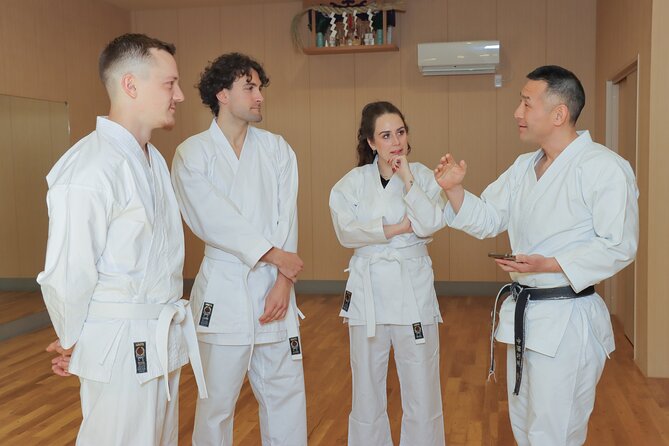
The experience runs about two hours and ends back at the meeting point, so you can build it cleanly into a day in Tokyo without it hijacking your schedule. It’s a private tour/activity, meaning only your group participates, which usually makes it easier to ask questions and follow instruction without feeling lost in a crowd.
In the training portion, you can expect a structured approach:
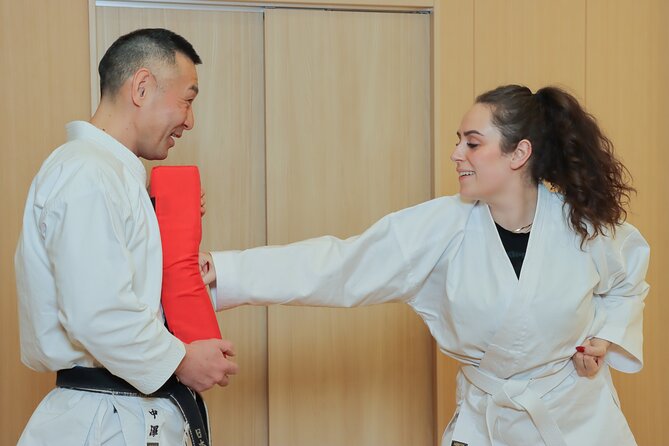
- You’ll receive guidance on the basics of karate (how your body should move and how to hold basic stances and techniques).
- You’ll learn proper dojo etiquette, which matters as much as technique. This includes the standard tone of how you enter the space, how you pay attention, and how you act during instruction.
- You’ll go through training moments that match your beginner level, paced by an English-speaking instructor.
It’s also set up for you to leave with proof that you were there. Karate uniform rentals are included, and there’s a photo session element. If you want those photos to look better, plan to arrive a touch early so you’re not rushing when you change and get ready.
The practical benefit of this flow is that you don’t just “do karate.” You learn why the dojo works: order, repetition, and respect. That’s what makes the experience feel authentic instead of checkbox-culture.
Etiquette Is Not a Side Quest
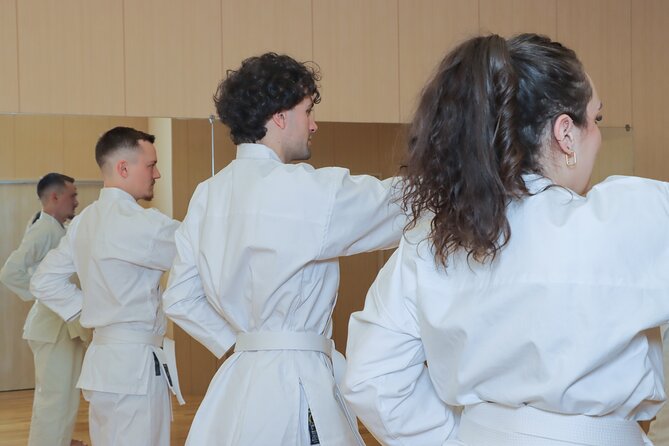
One of the most praised parts of this experience is how the instructor teaches karate in a way that includes the culture and history of the art. In practice, that means you’re not only taught what to do—you’re taught how and why people act the way they do in a dojo.
For you, that translates into smoother training:
- You understand when to pay attention, when to reset, and how to move with the group.
- You learn the tone of the space, so you’re less likely to feel awkward or out of place.
- You build confidence faster because the instructor doesn’t treat you like a spectator.
This is also where the experience becomes more than “exercise.” When etiquette is taught clearly, you start to feel the discipline behind the movements. It’s a small shift, but it changes how the session lands. Instead of rushing through awkward attempts, you know what the room expects.
Getting Ready: Gi Rental, Tenugui, and What to Wear
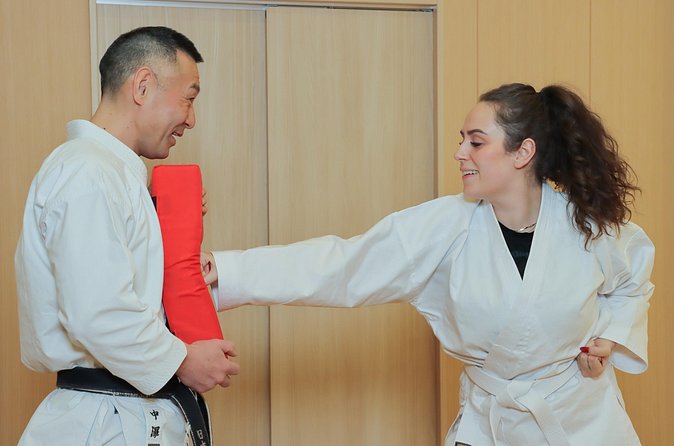
You don’t have to bring a karate uniform. Rental karate uniform is included, along with bottled water and a tenugui towel. That’s helpful in Tokyo, where carrying extra gear is the last thing you want to worry about.
There’s one clear item you must bring yourself: a T-shirt to wear under the rental uniform. That’s not a vague suggestion; it’s specifically listed as required. If you forget, you’ll be stuck improvising, and you don’t want to start a training session worrying about fit or comfort.
Practical tip: choose a T-shirt you can move in easily. You’ll be bending, stepping, and shifting positions. The goal is comfort and hygiene—so the session feels smooth from the first minute.
The Dojo Setting: Modern Comfort Meets Traditional Respect
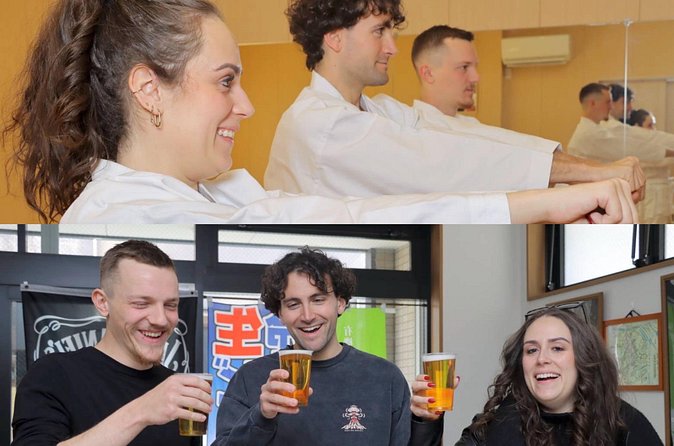
Soshikan Dojo is described as clean and modern, newly built in July 2023, but it’s not sterile. Traditional details like the kamidana shrine are part of what gives the place character.
For your experience, that balance matters:
- Modern comfort helps beginners feel at ease. You’re more likely to relax into the instructions instead of constantly thinking about the environment.
- Traditional elements remind you this is a real training space with real values—respect, routine, and discipline.
I like this approach because it avoids the two extremes that often happen with cultural activities. It’s not only museum-style “look but don’t touch,” and it’s not only basic gym training either. You get the sense of a place where karate lives year-round.





After Class Next Door: Standing-Style Sake Bar Culture
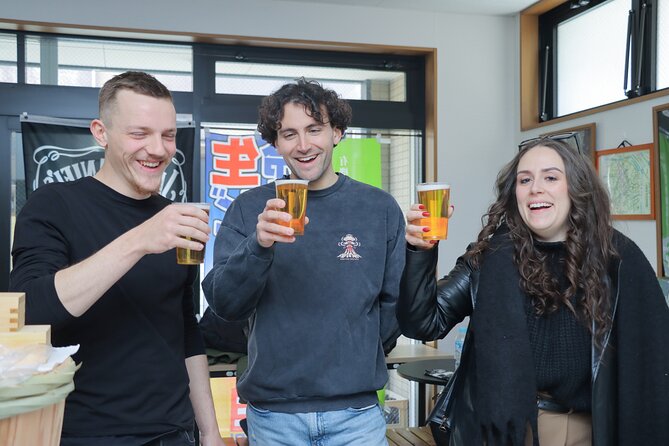
A big part of why people seem to rate this highly is what comes right after training. Next to the dojo is a traditional standing-style sake bar, and the experience includes time to relax with drinks.
Included with your session are two alcoholic beverages, which can be beer or sake, plus snacks. Non-alcoholic beverages are also available, which is a nice option if you’d rather keep it light.
This is more than a perk. It’s part of the way karate practitioners socialize after training—building friendly connections while keeping the day grounded in real routine. For you, it’s a chance to:
- cool down mentally after moving for two hours,
- talk casually with the instructor or group (as appropriate),
- and experience a slice of Tokyo neighborhood culture without needing a separate plan.
If you’d like a calmer experience, pace yourself. Two drinks go quickly once you’re relaxed, especially if you’ve been active. You’ll enjoy the after-time more if you treat it like part of training recovery.
Price and Value: Is $86 for Two Hours Worth It?
At $86 per person for roughly two hours, you’re not paying for an all-day activity. You’re paying for something more specific: a guided, beginner-ready karate session with real instruction and a full “training plus after” package.
Here’s why the value can work well:
- English-speaking instructor support reduces the confusion tax. You’re less likely to waste time guessing what to do.
- Rental uniform, towel, bottled water are included, so you aren’t adding hidden costs in the last minute.
- Two drinks and snacks are included, which can otherwise cost you money if you’re planning dinner and drinks separately afterward.
- The session is private to your group, which often improves comfort for beginners and makes questions easier.
A potential drawback for value: if you’re expecting a long, sweat-heavy workout or advanced technique coaching, this may feel short. It’s designed for beginners and for etiquette/fundamentals, not for hours of deep sparring.
So the best match is someone who wants an authentic, structured taste of karate training and the culture around it—without needing months of prep.
Who This Karate Dojo Experience Fits Best
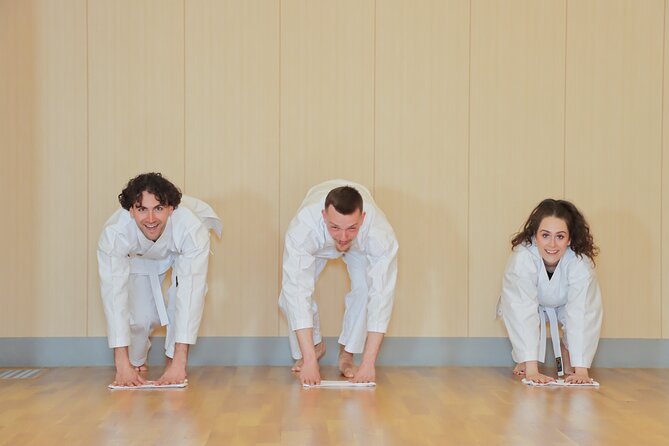
This is especially suited for:
- Beginners who want fundamentals and clear guidance
- Travelers who like cultural activities where you learn how people actually behave
- Anyone who values etiquette and the history side of martial arts, not just physical moves
- Groups that want a private, guided session rather than joining a large class
It may be less satisfying if you’re hunting for:
- high-intensity athletic conditioning as the main goal
- advanced technical breakdowns or sparring-focused training
- a purely sightseeing experience (this is about training and neighborhood culture)
If you’re unsure, think of it like this: you’re buying access to a real dojo rhythm for two hours, plus a relaxed after-class moment that makes the day feel complete.
Practical Tips Before You Go
A few small things will make your experience smoother:
- Bring that T-shirt for under the gi. Don’t leave it to chance.
- Wear something easy to change out of quickly once you get to the rental area.
- If you’re taking photos, plan your timing so you’re not rushed right after you change and start training.
- If you don’t want alcohol, choose that option upfront when you’re offered beverages—so you can relax with confidence.
And mentally: go in ready to learn. Karate instruction here is built for beginners. The more you focus on posture, attention, and etiquette, the faster the session clicks.
Should You Book This? A Simple Decision Checklist
Book it if you want a guided, beginner-friendly karate lesson that includes etiquette, culture, and a real after-training social moment. The fact that the dojo is clean and modern, yet traditional in its details, makes it feel grounded without being intimidating. If you also appreciate practical inclusions—uniform rental, towel, water, drinks, snacks—this price starts to look reasonable.
Skip it if you want advanced training depth, long workout time, or a pure tourist sightseeing itinerary. This is a focused experience with a specific goal: help you understand the basics and the dojo mindset, then let you unwind like a trainee.
FAQ
How long is the karate dojo experience?
It lasts about 2 hours.
What’s included in the price?
Rental karate uniform, bottled water, tenugui towel, and two alcoholic beverages with snacks. Non-alcoholic beverages are also available.
What should I wear under the rental karate uniform?
You need to bring your own T-shirt to wear under the karate uniform.
Is there an English-speaking instructor?
Yes. The instructor provides detailed guidance in English.
Is this experience suitable for beginners?
Yes, it’s described as suitable for beginners.
Where is the meeting point?
Start at 颯志館 レンタル道場, 4-chōme-6-2 Shimo, Kita City, Tokyo 115-0042, Japan.
Will I get time to take photos?
Yes, the program includes photo sessions.
Are drinks required to be alcoholic?
No. Alcoholic beverages are included, but non-alcoholic beverages are also available.
Is this a private group activity?
Yes. Only your group will participate.
What’s the cancellation policy?
You can cancel for a full refund up to 24 hours before the experience’s start time. Confirmation is received within 48 hours of booking, subject to availability.