REVIEW · TOKYO
Private Tour – History, Art and Nature at the Imperial Palace
Book on Viator →Operated by OTOMO Travel Guide · Bookable on Viator
Imperial Tokyo, explained by a guide. This private tour strings together the Imperial Palace grounds with art and quiet nature stops, so you get an efficient route without building an itinerary from scratch. I especially like the undivided attention you get on a private format, and the way the guide’s live commentary turns each park and building into something you can actually picture.
One thing to keep in mind: access and timing can be affected by closures (including holiday situations), and the route may shift if gardens aren’t open.
In This Review
- Key things to know before you go
- From Tokyo Station square to Hanzomon: a smart route for 4.5 hours
- Imperial Palace grounds: Wadakura Fountain Park and the East Gardens
- The art stop: National Museum of Modern Art, Tokyo (including crafts-focused viewing)
- Kitanomaru Park: open lawn time and CAFÉ 33 for a real break
- Chidorigafuchi: the nature-in-the-city photo walk
- What you actually pay: $90.60 value and the small extra costs
- Guides who make it feel personal: English, flexibility, and pacing
- Who this tour fits best (and who might feel limited)
- Should you book this private Imperial Palace history-art-nature tour?
- FAQ
- How long is the private tour?
- Is this tour private?
- Where do you meet and where does the tour end?
- What’s included in the price?
- Is admission to the National Museum of Modern Art included?
- Are meals included?
- Are transportation costs included?
- Do I need to buy tickets in advance?
- What should I wear?
- What happens if the weather is bad or places are closed?
- Is there free cancellation?
Key things to know before you go
- Private, small-group feel: only your group joins, which makes Q&A easy and pacing feel natural.
- Imperial Palace time without guesswork: you’re guided through key grounds and viewpoints instead of wandering.
- Art + craft stop inside the palace area: the National Museum of Modern Art, Tokyo visit adds context beyond sightseeing.
- Kitanomaru Park break with CAFÉ 33: a calm lawn setting plus an on-site place to eat.
- Cherry blossom season options: the nature stops on this route are great for seasonal photo angles.
- Guides who adjust on the fly: multiple guides are noted for flexibility, English strength, and patience.
From Tokyo Station square to Hanzomon: a smart route for 4.5 hours
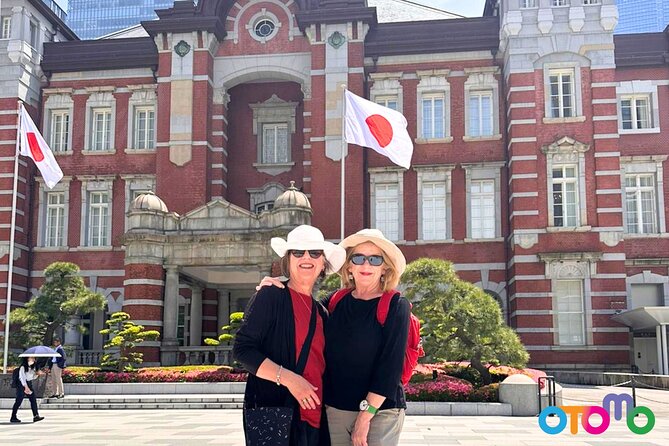
You start at Tokyo Station, Marunouchi Ekimae Hiroba (near the central exit), and you finish at Hanzomon Station. That matters because Tokyo Station is a major hub, and Hanzomon is convenient for continuing your day without backtracking.
The schedule is tight but not rushed. You’re looking at about 4 hours 30 minutes total, with short stops sprinkled between longer sight moments. The tour is designed to help you check off multiple top areas in one go—Imperial Palace grounds, an art museum stop, and two nature-focused park sections—while a guide handles the flow.
Do expect walking. The tour info is blunt about that, and comfortable shoes are a must.
You can also read our reviews of more private tours in Tokyo

Imperial Palace grounds: Wadakura Fountain Park and the East Gardens
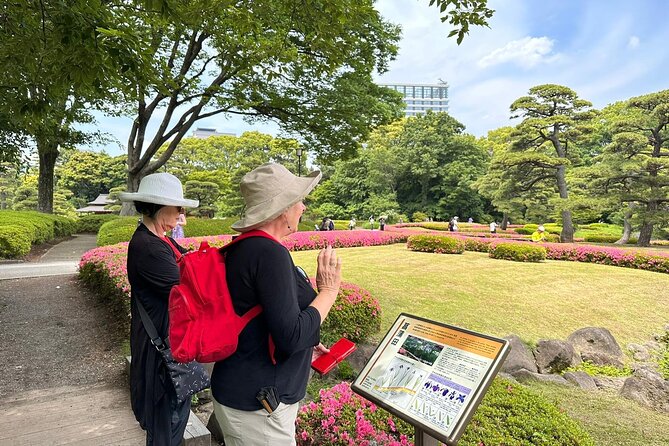
This is the heart of the day. You begin with Wadakura Fountain Park, located inside the Imperial Palace grounds. It’s built to commemorate the marriage of the Emperor Emeritus and Empress Emerita. Even if fountains aren’t your main interest, this stop works because it’s a gentle entry point into the palace environment—quiet, scenic, and easy to photograph.
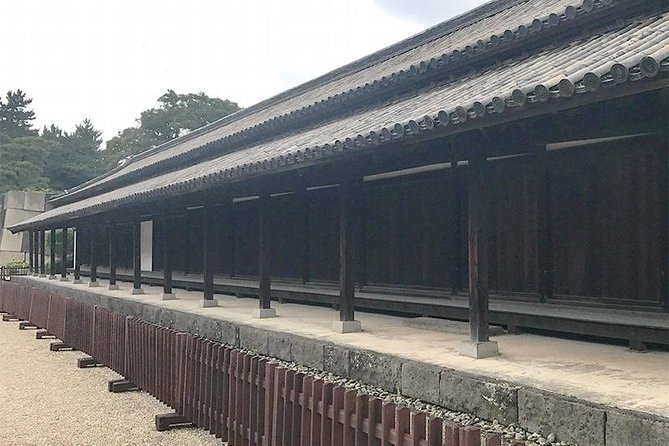
Next comes the East Gardens of the Imperial Palace (often tied to Edo Castle Ruin history). This is a Japanese garden experience where you can see seasonal changes, and it includes historical sites where you can get a sense of the earlier Edo-era presence. For me, the value here is contrast: you’re not just looking at buildings. You’re learning why the grounds look the way they do—paths, layout, garden rhythm—and how the historical layer fits into what you see today.
A practical note: garden access can be tricky. One guide situation described a palace garden being closed for a holiday, and the tour needed an alternate plan that ended up being more crowded at the next stop. The lesson for your planning is simple: if you’re traveling during a big holiday window, keep your expectations flexible. A private guide can adjust, but you still want to be mentally ready for schedule changes.
The art stop: National Museum of Modern Art, Tokyo (including crafts-focused viewing)
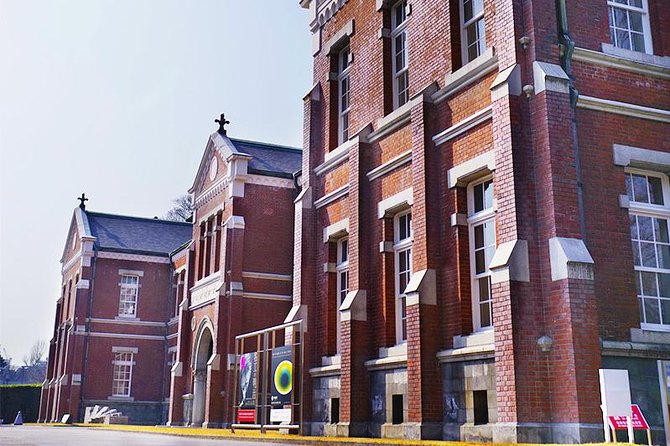
After the gardens, you shift from outdoor scenery to an indoor art stop at the National Museum of Modern Art, Tokyo. The museum visit is marked as not included for admission in the tour price, so you’ll need to budget for the ticket. The big payoff is that this isn’t a random museum add-on—it’s a major national institution, and it connects to Tokyo’s art scene in a more focused way than quick photo stops.
The tour description points to artworks from the 20th century, and the listing references the museum’s craft gallery angle. In plain terms: if you like art that connects to everyday making and design (not only fine painting), this stop tends to feel more engaging than a general museum browse.
Is it always worth your time? One common criticism in the overall feedback is that you could skip MOMAT depending on your interests. That’s not a condemnation of the museum—it’s a reminder that museum time is the hardest thing to “feel worth it” if you’re mainly here for palace gardens and parks. If you’re an art person, you’ll probably enjoy the context your guide brings. If art museums are hit-or-miss for you, decide whether your personal energy matches a 40-minute museum window.
Kitanomaru Park: open lawn time and CAFÉ 33 for a real break
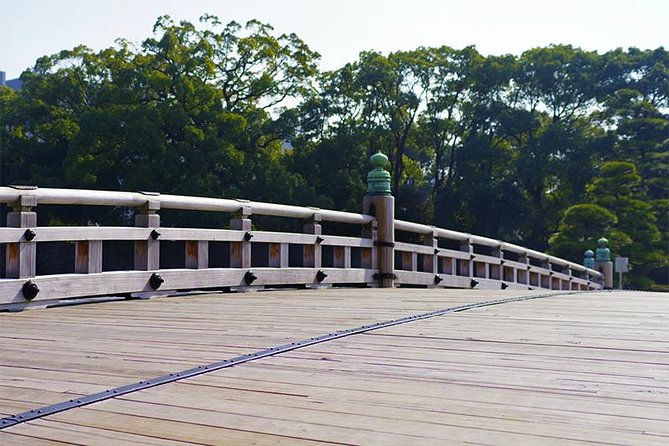
Next you move to Kitanomaru Park. This stop is built for breathing room: a spacious, open lawn area with a mix of plants and trees that creates an ecosystem inside the Imperial Palace environment. It’s the kind of place where you can reset your eyes after formal architecture and garden paths.
You also get a dedicated food moment at CAFÉ 33, located in Kitanomaru Park. The tour notes that it uses local fresh ingredients from the Tohoku area and Tokyo. That’s a nice detail because it makes the meal feel connected to place, not just convenient.
The catch: food costs are on you. The tour info lists estimated meal spending as part of the extra costs, and the café admission is not included (normal for a café). Still, having a planned café stop is usually better than trying to find food around parks and stations while everyone’s hungry.
If you’re traveling with a phone camera, this is also where you’ll likely pause naturally—wide lawn views and greenery around the edges tend to photograph well even when the weather is just average.
Chidorigafuchi: the nature-in-the-city photo walk
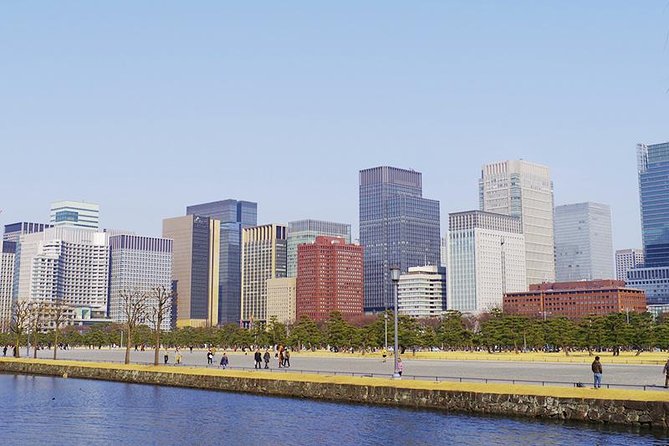
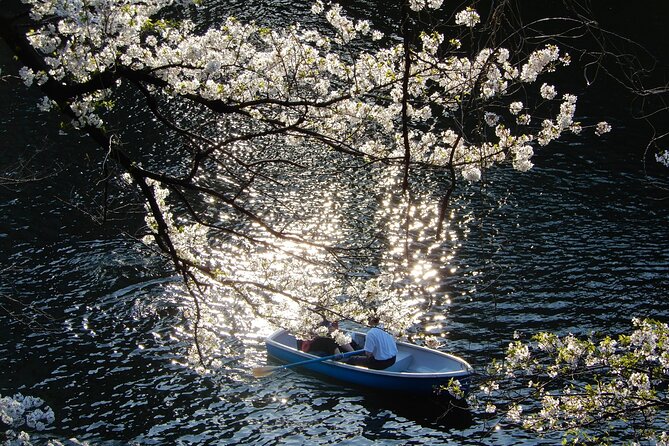
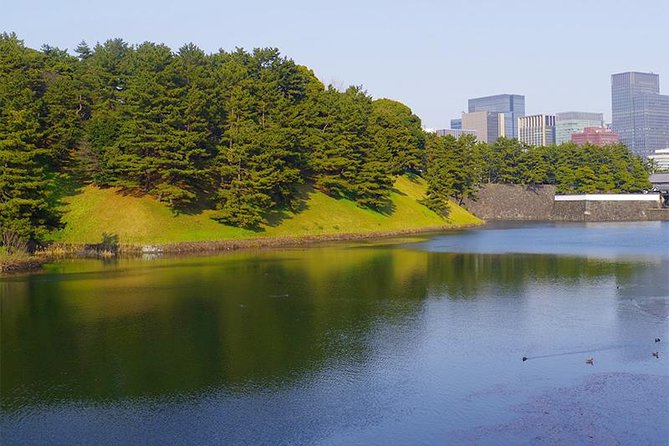
The last big nature focus is Chidorigafuchi. The description sells it as a road where you can feel the nature that remains in Tokyo, with spectacular views that are great for pictures.
This stop is short on purpose (about 20 minutes), which is smart. It lets you get those famous outdoor vibes without losing the rest of your schedule. The tour framing makes it feel like a final scenic chapter rather than another long walk.
If you’re visiting during cherry blossom season, this is the type of stop that tends to become a highlight. One guide experience specifically noted cherry blossom timing and steering people toward the best view spots. Even if you don’t travel at peak blooms, the point remains: Chidorigafuchi is a good place to close your day with atmosphere instead of rushing straight to transit.
You can also read our reviews of more historical tours in Tokyo


What you actually pay: $90.60 value and the small extra costs
The tour price is $90.60 per person, and it’s a private tour. That pricing structure is often worth it when you’re doing something that needs guidance—like walking Imperial Palace grounds—because the guide time is the scarce resource.
You should also plan for extras. The tour’s estimated additional costs are listed as 1,500 JPY per person, broken down into:
- Admission fees: 500 JPY per person
- Meal costs: 1,000 JPY per person
Transportation is listed as 0 JPY in the estimate.
Two important value takeaways:
- Some major sights are free here (like the Imperial Palace-related park stops), so your money mostly covers guided time and the museum ticket/meal choices.
- The museum is not included, so your final “all-in” cost depends on whether you use that museum stop as intended or treat it as optional.
In my view, the value works best if you’re the kind of traveler who wants context. If you mainly want photos and don’t care about explanations, a guided private format might feel expensive compared with self-guided routes.
Guides who make it feel personal: English, flexibility, and pacing
The biggest praise across feedback isn’t about the route alone. It’s about the guides.
Names that come up include Keiko, Yumi, Fumi, Sonoko, and Jinnosan. People mention strong English, patience, and a gift for turning confusing places into a clear story. One guide was praised for flexibility with where and how you view the palace gardens, including the ability to see a west garden area that someone was excited about. Another example notes a guide adjusting on the fly to match interests, which is a real advantage on a tour that includes both fixed stops and outdoor scenic time.
Here’s why that matters for you: a private tour is only worth it if the guide changes the experience from information you can read to meaning you can feel. When the guide can reroute politely, explain what you’re seeing, and keep pacing comfortable, the tour stops feel more connected instead of checklist-y.
Who this tour fits best (and who might feel limited)
This tour is a great match if:
- You want Imperial Palace access with context, not just sightseeing.
- You like mixing history, art, and nature in one day.
- You prefer a private format where your questions don’t get buried.
- You’re aiming to see several key areas efficiently, especially if it’s your first Tokyo trip.
You might not love it as much if:
- Museum time feels like a chore. The National Museum of Modern Art stop is a noticeable chunk of the day and costs extra.
- Your trip dates are tight around holidays. Garden closures can happen, and even with a good guide, the next-best option may feel more crowded than you’d hoped.
Should you book this private Imperial Palace history-art-nature tour?
Book it if you want a guided day that meaningfully connects Tokyo’s symbols—imperial grounds, art and craft context, and park scenery—into one smooth flow. The private format is the real strength, and the guide quality has repeatedly shown up as the difference-maker.
Hold off (or mentally adjust) if your top priority is only outdoor views and you’d rather skip the museum portion. In that case, you can still enjoy the parks, but the value of the guide’s museum-and-history commentary might feel less worth it.
If you do book, come prepared with comfortable shoes and a flexible attitude about access. You’ll get the best experience when you treat the day like a guided story walk, not a strict photo mission.
FAQ
How long is the private tour?
It runs for about 4 hours 30 minutes.
Is this tour private?
Yes. It’s a private tour, meaning only your group participates.
Where do you meet and where does the tour end?
You start at Tokyo Station (Marunouchi, Chiyoda City) and end near Hanzomon Station.
What’s included in the price?
The tour includes the tour guide, the private tour format, and necessary expenses for the guide during the tour.
Is admission to the National Museum of Modern Art included?
No. Admission to the National Museum of Modern Art, Tokyo is listed as not included.
Are meals included?
No. Meal costs are not included. The tour includes a café stop option at CAFÉ 33, but you’ll pay for what you eat.
Are transportation costs included?
Transportation costs are listed as 0 JPY in the estimated breakdown, but the tour also states that transportation costs incurred during the tour are borne by the customer. Practically, you should budget for any local transit you might need to cover between stops.
Do I need to buy tickets in advance?
The tour lists a mobile ticket feature. Confirmation is received at booking, but the details of ticket timing aren’t expanded beyond that.
What should I wear?
Wear comfortable shoes, since the tour includes a lot of walking.
What happens if the weather is bad or places are closed?
The tour says that if the weather is bad, there’s a possibility destinations and routes may change.
Is there free cancellation?
Yes. You can cancel up to 24 hours in advance for a full refund.