REVIEW · TOKYO
Best Go Kart Experience in Shibuya Crossing with Iconic Photos
Book on Viator →Operated by Monkey Adventure Kart · Bookable on Viator
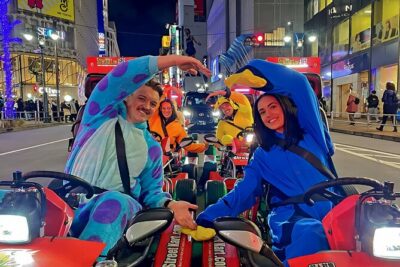
You do not need a scooter or a reservation lottery to feel Tokyo’s hype. This guide-led go-kart ride turns Shibuya Crossing into a photo moment you can actually control. You pick a costume, hop into a low, custom kart, and roll through famous neighborhoods at your own pace with a crew steering you around traffic.
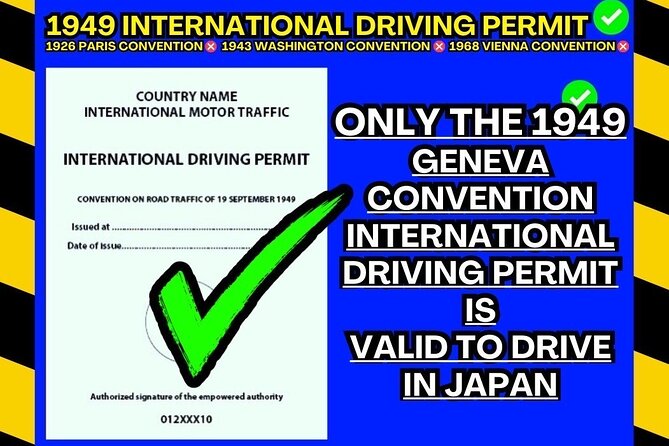
Two things I really like: the ride stays small-group (so you’re not lost in a crowd), and your guide captures iconic photos at the stops so you’re not juggling your camera while trying to drive. One consideration: you must have a hard-copy 1949 Geneva Convention IDP (plus the Japan rules for translations), or you won’t be allowed to drive.
In This Review
- What Makes This Shibuya Go-Kart Different (Costumes + Iconic Photos)
- Key Highlights to Notice Before You Book
- Meeting at Monkey Adventure Kart Shibuya (How to Get Ready Fast)
- The Pre-Ride Briefing and Costume Time (Your Photo Setup)
- Stop 1: Shibuya Crossing (Where Your Photos Go Big)
- Stop 2: Harajuku Station (Street Style Without the Rush)
- Stop 3: Omotesando (Smoother Streets, More Elegant Scenes)
- Stop 4: Miyashita Park (A Modern Break in the Route)
- Stop 5: Yoyogi Park (Green Air for a Fast Ride)
- Safety, Pace, and the Guide Factor (Why It Feels Easy)
- Included Extras That Actually Save You Time
- Price and Value: Is $106.12 Worth It?
- Who This Go-Kart Tour Suits Best
- Booking Checklist (So You Don’t Get Turned Away)
- Should You Book This Shibuya Crossing Go-Kart Tour?
- FAQ
- Do I need an International Driving Permit to drive the go-kart?
- What kinds of IDP permits are not recognized for driving in Japan here?
- How long is the go-kart tour?
- How many people are in the group?
- Where does the tour start?
- Where does the tour end?
- What is included in the price?
- Is an action camera included?
- What should I expect to see during the ride?
- What if the weather is bad?
- Is free cancellation available?
What Makes This Shibuya Go-Kart Different (Costumes + Iconic Photos)
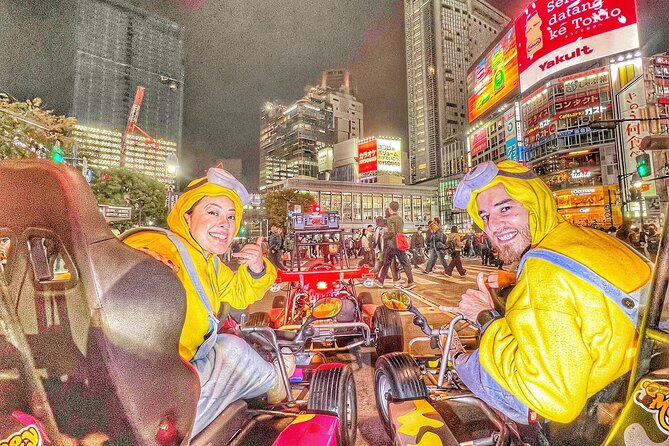
Go-karting in Tokyo is fun on paper, but this one works because it’s built for moments. You dress up first, then you’re guided from one photo-friendly spot to the next, including the Shibuya Crossing area that everyone recognizes from posters and reels.
It also helps that the experience is structured like an “easy yes.” You get clear instructions before you start, you drive with a guide leading the route, and you’re handed a steady stream of stops to hit instead of trying to figure out a complicated route on your own.
The best part? You can leave with more than bragging rights. Your tour includes guide photos, a printed photo booklet, and a practical setup (locker + water) so you can focus on the drive.
Key Highlights to Notice Before You Book
- Small-group driving for better control and easier photo stops
- Costume selection so your kart photos look like a scene, not just a helmet shot
- Guide photo coverage plus a printed photo booklet included
- Famous route stops like Shibuya Crossing, Harajuku Station, Omotesando, Miyashita Park, and Yoyogi Park
- Low, go-kart feel that makes fast-city driving more playful than intimidating
- Weather-sensitive timing since the experience needs good conditions
You can also read our reviews of more photography tours in Tokyo
Meeting at Monkey Adventure Kart Shibuya (How to Get Ready Fast)
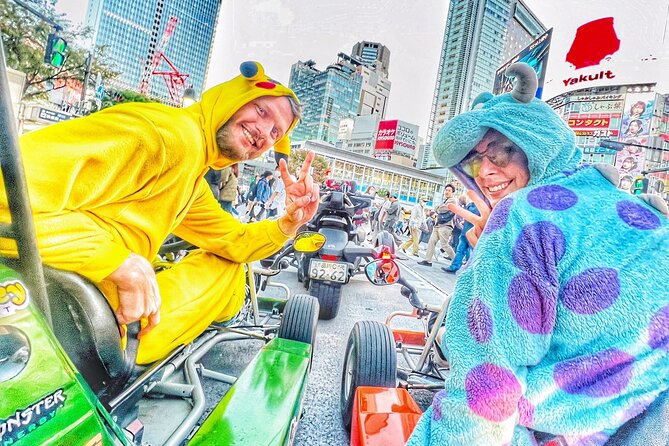
You’ll meet at Monkey Adventure Kart Shibuya, 1F, 1-chōme-27-7 Higashi, Shibuya (near public transportation). Plan to arrive a little early so you have time to check in, pick your costume, and get comfortable with the kart routine.
This matters because Tokyo driving can feel intense even when you’re not doing anything complicated. The ride is designed to reduce stress: you get instructions, then you follow the guide through the city rather than trying to read traffic like it’s a video game.
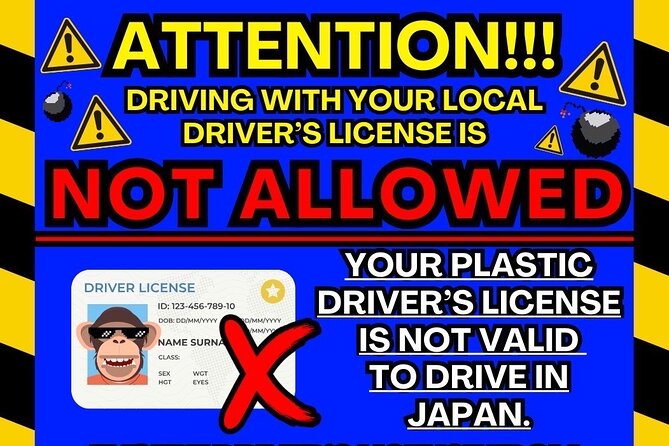
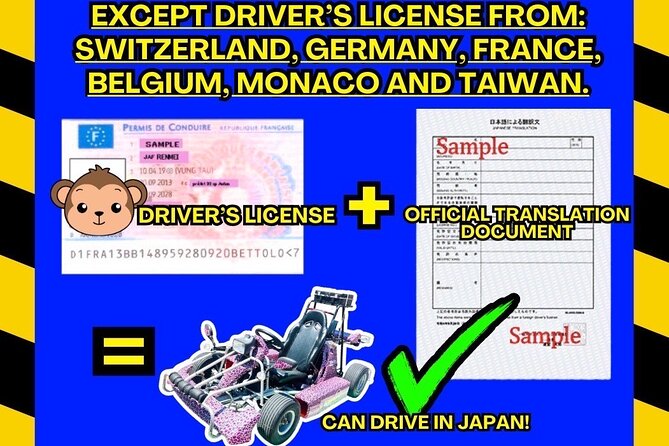
Bring your driving paperwork carefully. The tour requires a hard-copy International Driving Permit issued under the 1949 Geneva Convention (or other approved licenses per Japanese law). If your license needs translation rules, follow those in advance so you’re not stuck at the counter.
The Pre-Ride Briefing and Costume Time (Your Photo Setup)
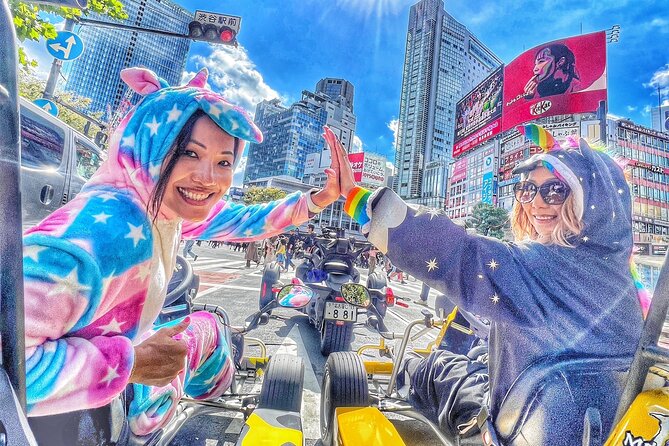
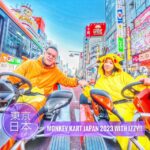
Before you start moving, you choose from a costume selection. This is not an afterthought. The costumes are part of the fun because they make your photos look instantly themed, like you’re joining the city instead of just visiting it.
You’ll also go through safety steps and instructions before you roll out. Even if you’re an experienced driver, this is worth paying attention to, because Tokyo street flow plus karts means you want clear rules on when to slow, stop, and follow.
A practical bonus: you get a locker and bottled water included. That helps a lot because you’re already wearing your outfit and you don’t want your hands full or your drink situation messy.
Stop 1: Shibuya Crossing (Where Your Photos Go Big)
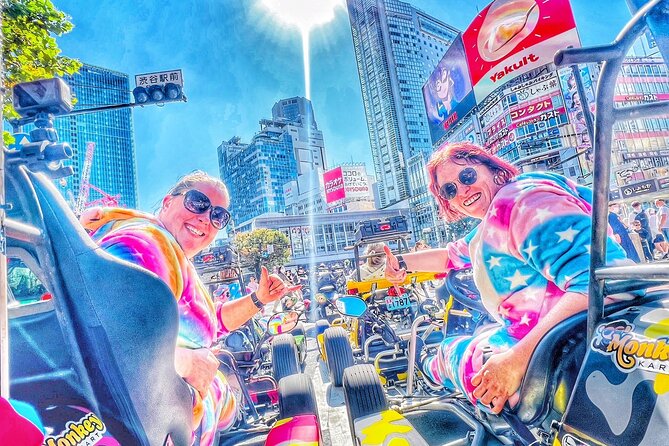
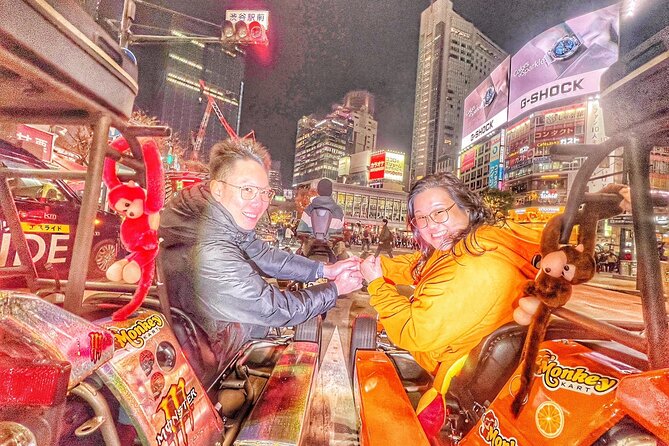
This is the headline stop for a reason. Shibuya Crossing is instantly recognizable, and being on wheels at ground level changes how the space feels compared to standing at the curb.
Your guide leads you through the area, and this is where you get those “I’m here, not just watching” images. It also tends to be the moment people get the most emotional reaction, because the sight is familiar but the sensation is new.
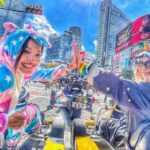
If you can time your ride at night, that can be even better. Guides in similar experiences tend to make good use of the lighting and high-contrast street scenes, and night driving usually turns ordinary intersections into movie stills. If your schedule allows, you might find night energy makes your photos pop.
Small caution: traffic noise and the kart itself can be loud. If you’re the type who relies on hearing every instruction, keep your eyes on your guide and don’t hesitate to ask questions before you start rolling.
Stop 2: Harajuku Station (Street Style Without the Rush)
From Shibuya, you’ll move into the Harajuku area, where the vibe shifts toward fashion, signage, and packed streets. Harajuku Station is a useful stop because it’s not just a landmark; it’s a navigation point. You feel the change in pace and visuals immediately.
You likely won’t have time to wander like you would on foot, but that’s not the point. The kart tour is about getting you into the famous districts fast, then using guide stops to capture the moment and keep the ride flowing.
If you love walking the area later, the good news is the guide can point out places to revisit. That way you use the kart time for the big hits, and your legs later for the details like shopping streets and photo spots.






Stop 3: Omotesando (Smoother Streets, More Elegant Scenes)
Omotesando tends to feel more structured than the surrounding areas, with an urban design style that looks “planned” even when it’s busy. This stop helps balance the tour because you’re not only chasing chaos; you’re also seeing Tokyo’s polished side.
Driving through Omotesando also makes it easier to settle into the flow. Even if you’re nervous at the start, karts in guided groups can feel surprisingly manageable after the first stretch.
Look for photo opportunities here where the streets frame the action. Your costume against Omotesando’s architecture often photographs well because the background isn’t cluttered. It gives your pictures a cleaner composition.
Stop 4: Miyashita Park (A Modern Break in the Route)
Miyashita Park is one of the stops that gives the tour a modern Tokyo feel. It’s a different look from the older, denser parts of central Tokyo, and it can be a welcome contrast.
Think of this stop as the “reset” moment. You get a break in the drive, you take photos, and you shift your brain from intersection focus to neighborhood scenery. It’s also a good point for enjoying how Tokyo layers everyday life with public spaces.
If you like photography, this stop can help you build a set of pictures that doesn’t all look identical. You’ll have Crossing energy, Harajuku style, and then a more contemporary setting to round things out.
Stop 5: Yoyogi Park (Green Air for a Fast Ride)
Yoyogi Park is the route’s greenery stop, and it matters more than you might think. When your tour includes intense city visuals, a park area gives your eyes and camera a break.
This is where the tour often feels most pleasant. Even if you’re still driving through a city environment, a park setting adds openness, and your photos can look more balanced once you’re past the heavier street clutter.
It’s also a nice way to end the “tour loop” mentally. You’re finishing with scenery that looks like Tokyo has lungs, not just roads. After you’re done, you can extend your day on foot in the area if you want that slower pace.
Safety, Pace, and the Guide Factor (Why It Feels Easy)
The guide experience is a major reason this tour earns such a strong reputation. People remember the guide names for a reason. You might get Lewis, Rafael, Rakesh, Luna, Jerome, Matias, Chris, Satar, Kazuki, or Issam, and the common theme is clear instruction plus tight pacing.
Guides also tend to manage the route so you don’t feel like you’re guessing. That reduces anxiety for people who are understandably nervous about driving in Tokyo streets.
In a few rides, the “fun” level rises because the guide times the turns and route segments so you get moments of speed without chaos. One of the best sensations people talk about is a Mario Kart feel when the route goes through tunnel-like stretches, and you can really feel the kart’s responsiveness.
One more practical note: karts are loud. Your ears will be busy. If you’re relying on audio instructions, glance at your guide and focus on visual signals before you push speed.
Included Extras That Actually Save You Time
This experience includes more than the kart. You also get:
- Go kart + fuel
- Guide
- Costumes
- Pictures taken during the tour
- Locker
- Hard-copy printed photo
- Bottled water
That list sounds standard until you compare it to what you’d otherwise pay for separately in Tokyo. Photo services cost extra, costume rentals cost extra, and adding a guided ride means you’re paying for someone to manage your route and timing.
The action camera option is not included. If you want an Action Camera (priced at ¥3,500 per person), you’ll add it on your own.
Price and Value: Is $106.12 Worth It?
At $106.12 per person for roughly 1 hour 20 minutes, the value depends on what you’d do with that same time in Tokyo. If you’re the type who already planned photos, you’ll appreciate what’s included: guide-led stops, costume time, and printed photo outputs.
If you were going to spend money separately on a guided city segment plus photos plus an activity that feels unique, this price can pencil out quickly. The cost becomes easier to swallow because the experience is packaged: you don’t need to arrange equipment, you don’t need to coordinate a route, and you don’t need to worry about where the best photos happen.
Also, the small-group nature helps the price feel fair. When the group is tight, your guide can keep you together, slow down when you need photos, and keep the “where are we going next” pressure off you.
Who This Go-Kart Tour Suits Best
This is a great fit if you:
- Want a short, high-impact Tokyo activity centered on Shibuya Crossing
- Like playful photos and don’t mind dressing up
- Prefer a guided route over navigating on your own
- Want a city experience you can tell people about instantly
It may not be your perfect match if you’re looking for a deep, slow museum-style history lesson. This ride is more “experience and photos” than “lecture and facts,” even when guides share helpful context.
Booking Checklist (So You Don’t Get Turned Away)
Japan has strict driving rules here, and you should treat paperwork like part of the tour.
- Get the hard-copy 1949 Geneva Convention IDP issued through the official agency in your home country (examples given include AAA, AA, CAA, ATCUAE, and others).
- If your driving license is from France, Switzerland, Taiwan, Germany, Monaco, or Belgium, you need a Japanese translation and you may need the physical copy from JAF.
- Permits obtained online under 1968 Vienna Convention or similar systems are not recognized for driving here.
- Some countries’ permits are not allowed, so check early.
If you show up without the right documents, you could be turned away. That’s the one “cost” risk that can ruin the day, so handle it first.
Should You Book This Shibuya Crossing Go-Kart Tour?
If you want one unforgettable Tokyo moment you can photograph and repeat in your memory, I’d say yes. The combination of costumes, guide-led driving, small-group control, and photo coverage makes it feel like more than just go-karting.
I’d book it especially if your schedule lines up with good weather and you can handle the IDP requirement without scrambling. If you’re nervous about driving in Tokyo, choosing a guided, small-group format is a smart way to reduce that stress.
Skip it only if you’re seeking a long, walking-style guided tour with deep commentary, or if you’re missing the driving permit paperwork. In every other case, this is the kind of activity that turns Shibuya Crossing from a landmark into a lived moment.
FAQ
Do I need an International Driving Permit to drive the go-kart?
Yes. The tour requires a hard-copy International Driving Permit issued under the 1949 Geneva Convention (or other approved licenses) according to Japanese law.
What kinds of IDP permits are not recognized for driving in Japan here?
The information provided says that permits under the 1968 Vienna Convention, online permits, and other similar permits are not recognized. It also notes that some countries’ permits are not allowed, so check your country’s eligibility before you go.
How long is the go-kart tour?
It runs about 1 hour 20 minutes.
How many people are in the group?
The experience is described as a small group capped at three people, and the activity notes a maximum of four travelers.
Where does the tour start?
It starts at Monkey Adventure Kart Shibuya, 1F, 1-chōme-27-7 Higashi, Shibuya, Tokyo 150-0011, Japan.
Where does the tour end?
It ends back at the meeting point.
What is included in the price?
Included are the go kart, fuel, guide, pictures, costumes, locker, hard-copy printed photo, and bottled water.
Is an action camera included?
No. An Action Camera can be added for ¥3,500 per person.
What should I expect to see during the ride?
The route includes Shibuya Crossing, Harajuku Station, Omotesando, Miyashita Park, and Yoyogi Park.
What if the weather is bad?
The experience requires good weather. If canceled due to poor weather, you’ll be offered a different date or a full refund.
Is free cancellation available?
Yes. You can cancel up to 24 hours in advance for a full refund. Changes within 24 hours aren’t accepted, and cut-off times use local time.