REVIEW · TOKYO
Tsukiji Fish Market: Street Food & Culture Walking Tour
Book on Viator →Operated by Local Guide Stars · Bookable on Viator
Crowds can be fun when you have a plan. This Tsukiji street-food tour threads practical guidance with food culture, plus a fish-cutting show that explains what you’re seeing. I like that it’s built for short attention spans: you get quick stops, real market atmosphere, and enough context to make the whole place feel less confusing.
What I like most is the guide-led flow through the food lanes. People cite guides like George and Tomo for pointing out where to go and what to try, and for sharing clear history and food facts along the way. The other big win is the small-group setup, so the guide can spend more time with you and keep things moving without turning it into a stampede.
One thing to consider: the market is busy, and the pacing can feel stop-and-wait at times. If you’re sensitive to sound, heat, or tight crowds, you’ll want to speak up early and stay close when the group moves—Tsukiji doesn’t slow down for anyone.
In This Review
- Key points before you go
- Tsukiji in 2 hours: why this route makes sense
- Your guide and the small-group advantage at Tsukiji
- Tsukiji Jogai Market: street food culture with your first tastings
- The fish-cutting show: craftsmanship you can actually see
- Tsukiji Fish Market: time with the traders and the real atmosphere
- Tsukiji Hongwanji Temple: a short cultural breather
- Price and logistics: how $33.16 holds up
- Who should book this Tsukiji street-food walking tour
- Should you book it?
- FAQ
- How long is the Tsukiji Fish Market street food and culture walking tour?
- Where does the tour start?
- How much does the tour cost?
- Is the tour wheelchair and stroller accessible?
- Is a fish-cutting show included?
- Are meals included in the price?
- Is the group size limited?
- What ticket do I need?
- What if the weather is bad?
Key points before you go
- Fish-cutting show with traditional technique: Watch a chef fillet a whole fish, then connect it to what you eat next
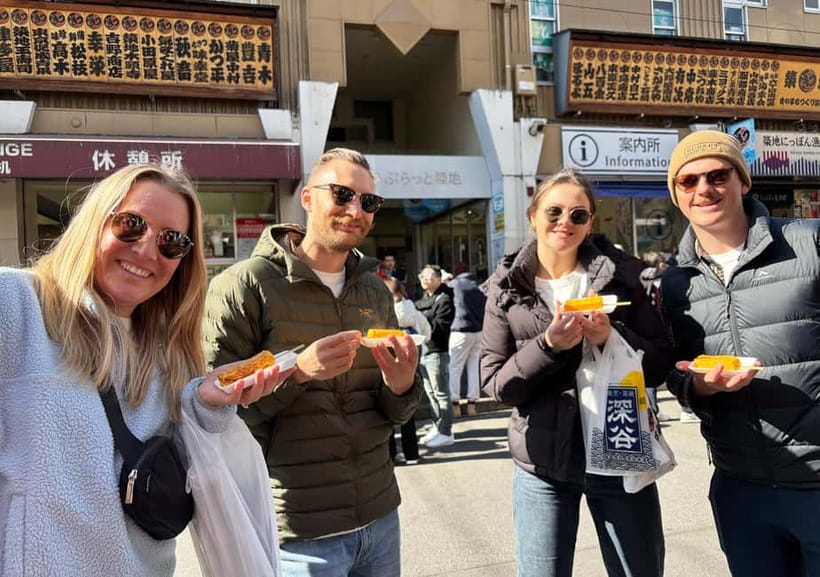
- Street-food tasting with a local guide: You’re not just wandering; you’re being steered to good bites
- Tsukiji Hongwanji Temple stop included: A short look at Buddhism and Japanese culture in a manageable 15 minutes
- Working market energy: You get time at the traders’ market so it feels like a place of business, not a museum
- Small-group size (max 30): Easier to ask questions and keep up, especially in crowded lanes
Tsukiji in 2 hours: why this route makes sense
Tsukiji is one of those Tokyo places that can overwhelm you fast. It’s loud, narrow, and full of sights that look similar if you don’t know what to look for. This tour is designed around that reality: you spend a couple hours moving through the market world with a guide who helps you make connections between food, tools, and the people who work there.
The route also balances “watch” and “taste.” You get a fish-cutting show, then time in the market itself, plus a short cultural stop at Tsukiji Hongwanji Temple. That mix helps if you want more than snacks, but you also don’t want a long museum-style day.
The duration matters, too. At about 2 hours, you’ll likely get the highlights without burning half your Tokyo trip on crowds. It’s a smart option if you’re doing other neighborhoods the same day and want Tsukiji as a focused hit.
You can also read our reviews of more walking tours in Tokyo


Your guide and the small-group advantage at Tsukiji
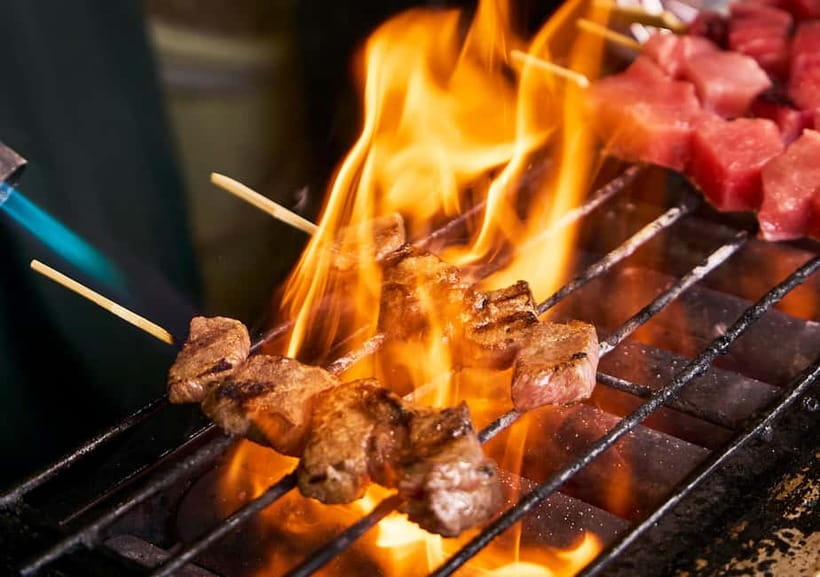
This is a small-group experience with a maximum of 30 people, and that changes how it feels. In a market like Tsukiji, having a guide who can slow down for questions is the difference between learning and just getting swept along. The tour also notes that your guide can focus more time on you in a smaller group, which is exactly what you want when there are lots of moving parts.
Guide names come up in the feedback: George and Tomo are both mentioned for doing a great job explaining what’s going on. You can also pick up a practical angle from the way guides run this sort of walk: they help you decide what to try, not just where to stand. And that matters, because street food decisions can feel random when you don’t read the signs fast.
Still, be realistic about conditions. Tsukiji is crowded, and audio can get swallowed by the crowd. If you’re hard of hearing or just want to catch every detail, I’d plan to ask your guide to repeat key points when it gets noisy.
Tsukiji Jogai Market: street food culture with your first tastings
Your morning starts at 築地本願寺本堂3-chōme-15-1 Tsukiji, near public transportation. From there, you head into the Tsukiji Jogai Market area for about 45 minutes of food-culture time, with an admission ticket noted as free for this part.
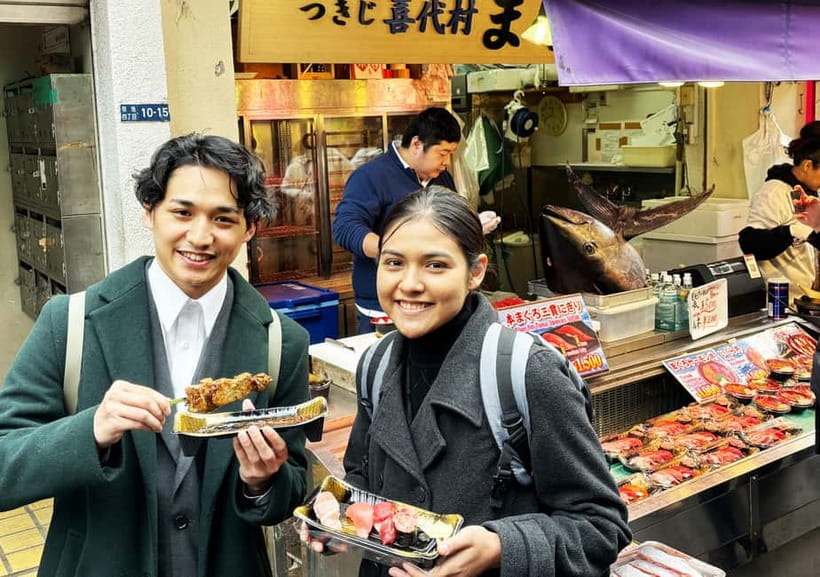
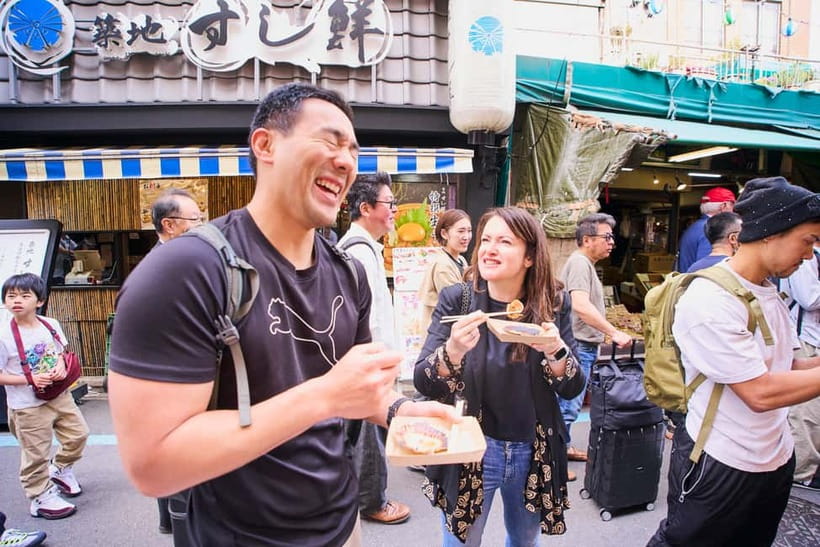
This is where the tour earns its keep. The guide isn’t just walking you past stalls. You’re meant to use the first block of time to get grounded in what Japanese market eating looks like: quick selections, lots of locals in motion, and food that’s ready now.
One practical upside of starting here: it helps you learn the “rhythm” before you hit the busier, more official market zone. You’ll have a better sense of what to ask for, what you’re looking at, and how the day’s stops connect. That’s the kind of context that makes the rest of Tsukiji click.
If you prefer a quieter experience, this part can still be hectic, because it’s market street food time. But the guide-led pacing is usually what keeps it from turning into aimless wandering.
The fish-cutting show: craftsmanship you can actually see
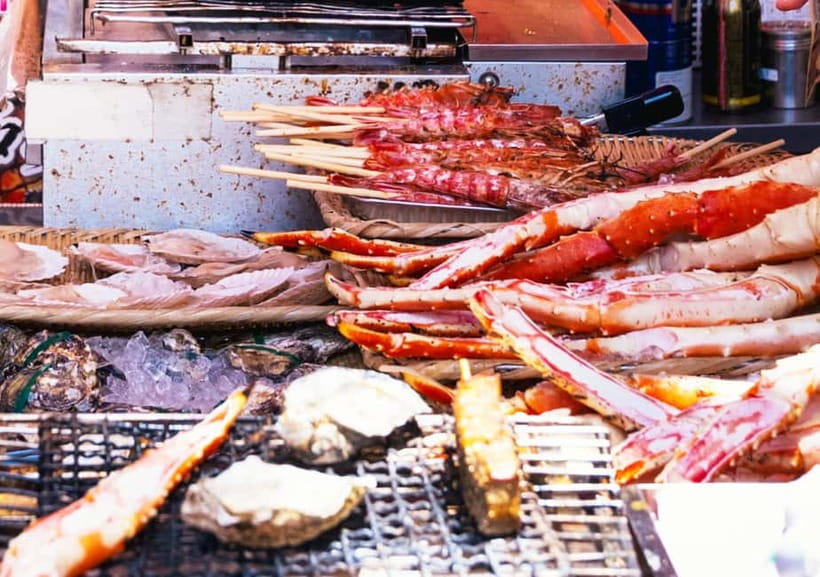
The highlight is the fish-cutting show, where a skilled chef fillets a whole fish using traditional techniques. This stop runs about 30 minutes, and the admission ticket for the show is included.
Here’s why this matters for your understanding. In a market, you’ll see fish everywhere, but without a bit of technique explained, it all turns into one big blur. The cutting process gives you a map for what you’re looking at: how the work gets done and why certain cuts exist.
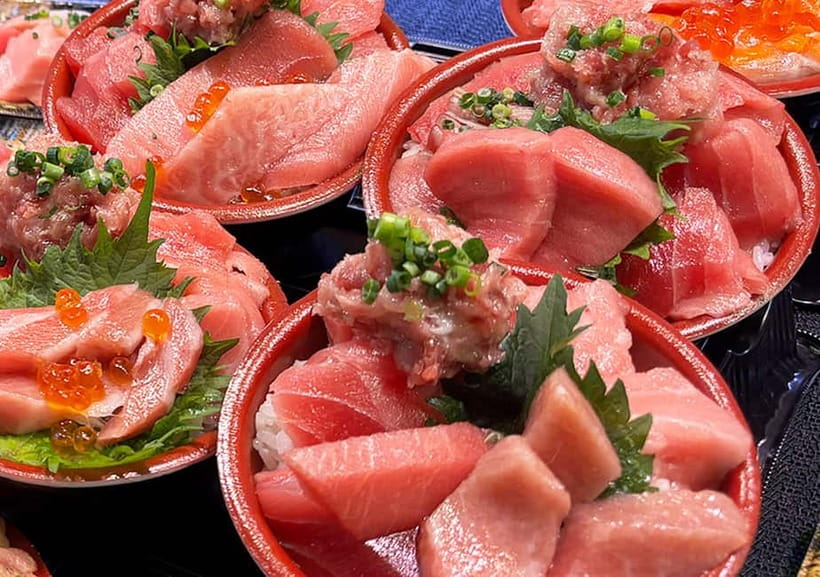
After the show, there’s time to enjoy a fresh seafood bowl. One note you should keep in mind: meals are listed as not included overall. So I’d treat the bowl as something you may pay for as part of your personal food choices, even though the show itself is covered. Budget a little extra for what you want to eat here.
This is also one of the best stops for non-fish people. Even if you don’t geek out about seafood, you can appreciate precision and speed. It’s practical, fast-moving, and you can watch it at the exact moment it becomes real.
Tsukiji Fish Market: time with the traders and the real atmosphere
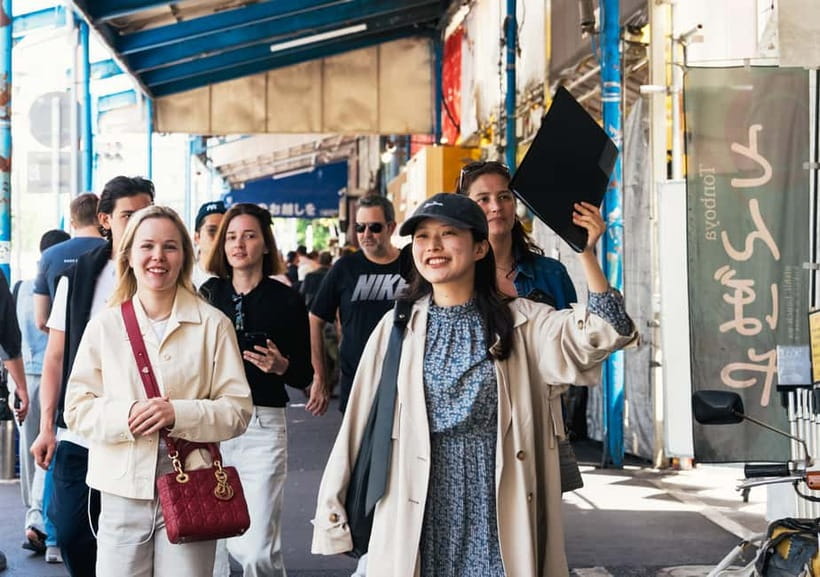
Next, you spend about 30 minutes at the Tsukiji Fish Market proper, with an admission ticket noted as free for this portion. This is your chance to experience the atmosphere where professional traders operate—so you’re seeing the market as a workplace, not only as a tourist photo spot.
The value here is context. By the time you reach this area, you’ve already seen how fish gets cut and how street food fits into the broader food ecosystem. That means you’re not only looking at fish counters; you’re looking at supply-chain energy—people buying, selling, moving quickly, and keeping the day running.
This stop also helps you understand why Tsukiji matters beyond souvenirs. The market culture includes speed, volume, and specialization, and your guide’s job is to translate some of that into something you can grasp in a short walk.
One caution: this section can be more crowded depending on when you go. There’s also a small-group dynamic here, so if the group starts to move, don’t hang back. If you do, you’ll feel it.
You can also read our reviews of more food & drink experiences in Tokyo




Tsukiji Hongwanji Temple: a short cultural breather
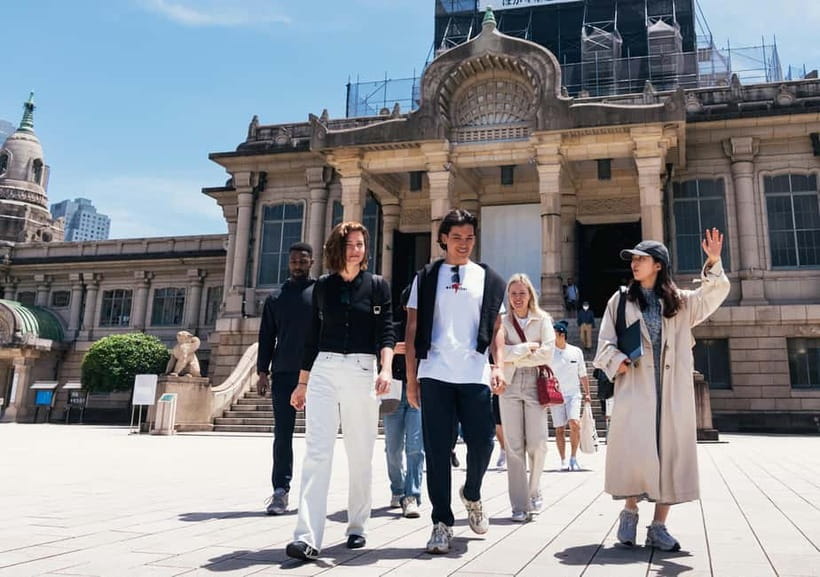
You wrap up with a 15-minute stop at Tsukiji Hongwanji Temple, where you enter with a guide who explains Japanese culture alongside Buddhism. Admission is free for this stop.
In practical terms, this is a quick reset. You’re going from fish markets to a temple setting, which can feel like switching from noise to quiet without leaving the area. It’s also a chance to round out the food focus with a cultural lens: why these places exist together in daily Tokyo life.
Is 15 minutes enough? If you came for deep temple storytelling, you might want more. But for most people who want a “taste” of culture without turning the day into a long history lesson, it works well. It gives you a perspective shift and then you’re back near the meeting point.
Price and logistics: how $33.16 holds up
At $33.16 per person for about two hours, this is priced for guided access rather than for food volume. Meals aren’t included, and that’s important for value math. You’re paying for the guide, the structure of the route, and the fish-cutting show experience.
What makes it feel worth it for many people is the combination of:
- a live demonstration tied directly to the food,
- a guide who helps you choose what to try,
- and a route that covers market plus temple in a compact timeline.
Another logistics plus: the tour uses a mobile ticket, and it ends back at the meeting point. The start point is clearly listed and near public transportation, which helps a lot in Tokyo where you can lose time if you’re guessing.
Now for the real-world caution. Tsukiji is not a controlled environment. Expect waiting at show-related moments and in crowded lanes. If you want nonstop movement, this may feel like it pauses more than you’d like. Also, if you’re dealing with sun sensitivity, heat, or comfort needs, communicate early—market days can involve standing outside.
Who should book this Tsukiji street-food walking tour
This tour is a strong fit if you want:
- a guided street-food experience in Tsukiji (not just self-guided wandering),
- the fish-cutting show as an anchor point for understanding the market,
- and a compact cultural add-on at a temple.
It’s also a good match for families who need stroller access or visitors using a wheelchair, since the tour is noted as wheelchair and stroller accessible. A maximum group size of 30 helps keep it manageable.
I’d consider skipping if you’re the type who hates stopping. If you prefer to roam freely, you can always do Tsukiji on your own. This tour is at its best when you like learning from a guide while you snack, not when you want total freedom.
Should you book it?
If you want the classic Tsukiji experience—food lanes, a real working market feel, and a fish-cutting show—this tour is a solid buy for the time it takes. I’d book it if you’ll actually use the guide to help you decide what to eat and if seeing the technique up close is on your list.
Pass on it if you’re craving a long, quiet, deeply historical temple-and-market lecture. This is short, practical, and shaped around what you can see and taste in a couple hours. When Tsukiji gets busy, staying close to the group and asking for repeat explanations is the smart way to get your money’s worth.
FAQ
How long is the Tsukiji Fish Market street food and culture walking tour?
The tour runs about 2 hours, approximately.
Where does the tour start?
It starts at 築地本願寺本堂3-chōme-15-1 Tsukiji, Chuo City, Tokyo 104-0045, Japan, and it ends back at the meeting point.
How much does the tour cost?
The price is $33.16 per person.
Is the tour wheelchair and stroller accessible?
Yes, it is wheelchair and stroller accessible.
Is a fish-cutting show included?
Yes. You’ll see an exclusive fish-cutting show, and the admission ticket for that stop is included.
Are meals included in the price?
Meals are not included. The tour includes guided food experiences, but the cost of what you eat is not listed as included.
Is the group size limited?
Yes. This activity has a maximum of 30 travelers.
What ticket do I need?
The tour uses a mobile ticket.
What if the weather is bad?
This experience requires good weather. If it’s canceled due to poor weather, you’ll be offered a different date or a full refund.