REVIEW · TOKYO
Tasting All Types of Sake with Sommelier
Book on Viator →Operated by Best Experience Japan · Bookable on Viator
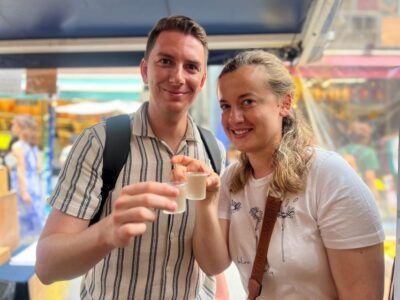
Sake labels can feel like code. In Shinjuku, I love how Akira walks you through reading the label so you can order with confidence, and then you get 6–7 sake tastings with plain-English explanations. It’s a smart mix of drinks, education, and good conversation in a real sake-bar setting.
I also like that the session doesn’t stop at flavor. You get practical tips on how to drink different styles (including warm vs. chilled) and what foods tend to work well with each profile. You can ask questions as you go, which keeps the whole thing from feeling like a lecture.
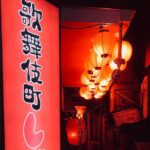
One thing to consider: the meeting area is in busy Shinjuku near Kabukicho, so if you hate crowds, show up a few minutes early and take your time finding the right bar. Once you’re there, the pacing is relaxed, but the streets around 4:00 pm can be chaotic.
In This Review
- Key things to know before you go
- Shinjuku sake tasting that actually helps you order in Tokyo
- Where you meet: Shinjuku streets, a plan, and one bar to find
- The Shinjuku warm-up: quick area stories before the first pour
- Inside the tasting bar: how the flight works and why the variety matters
- Learn to decode a sake label without memorizing everything
- Warm vs. chilled, and why serving temperature is a big deal
- Food pairing tips you can use the same week
- Questions encouraged: why this feels more like a conversation than a class
- Kabukicho and Golden Gai context: good for first-timers and good for return trips
- Who this tour suits best
- Price and logistics: the real value equation
- Should you book this Shinjuku sake tasting?
- FAQ
- How long is the sake tasting experience?
- What does the tour cost?
- How many sake types will I taste?
- Where do I meet the guide in Shinjuku?
- What time does the tour start?
- Is there a maximum group size?
- Do I need to speak Japanese to enjoy the tour?
- Will I learn how to read a sake label?
- Does the tour include nightlife information?
- Is it easy to get to by public transport?
Key things to know before you go
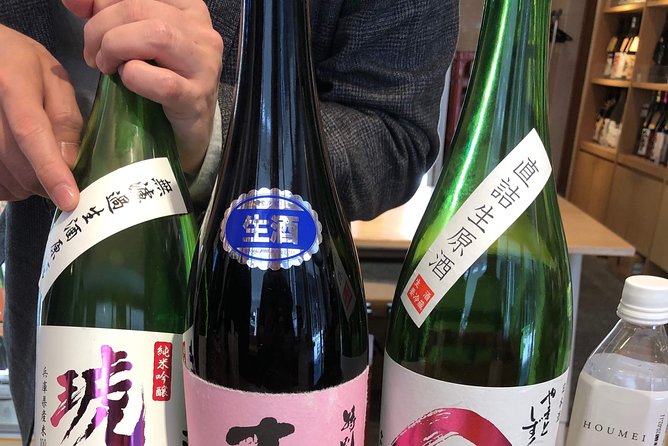
- Akira’s label-decoding tips make sake shopping and restaurant ordering way easier.
- 6–7 different sake types (plus a welcome pour) let you compare styles quickly.
- Warm vs. chilled guidance helps you taste the same type the right way.
- Food pairing guidance shows how to match sake with what you’ll actually eat in Tokyo.
- Small group size (max 12) keeps questions from getting lost.
- Shinjuku nightlife context adds color around Kabukicho and Golden Gai.
Shinjuku sake tasting that actually helps you order in Tokyo
This is the kind of experience that pays off after the tour ends. You’re not just sampling a few sips; you’re learning how sake gets labeled, what the different styles mean, and how to choose a bottle or order a glass without guessing. In Tokyo, that matters. Sake menus can look confusing fast—lots of kanji, lot of “dry” and “sweet” claims, and not much plain English.
At $62.76 per person for about 1.5 hours (many people experience closer to 2), you’re paying for two things: the tasting itself and the explanation. If you’ve ever bought a bottle in a hurry or ordered something you couldn’t pronounce, you already know why this kind of guide time is valuable.
The small size helps too. With up to 12 people, it’s easier to hear what’s being explained and ask follow-up questions. And because the tour is in Shinjuku, it also fits well into an afternoon that includes shopping or a first look at the city.
You can also read our reviews of more food & drink experiences in Tokyo



Where you meet: Shinjuku streets, a plan, and one bar to find
The tour starts at Frente Shinjuku San-chōme (3-chōme-4-8), right around Shinjuku San-chōme. From there, you spend a few minutes getting your bearings and hearing quick context about the area—useful because the tour later mentions night-life stops like Kabukicho and Golden Gai.
A key moment comes when you reach the sake bar near Louis Vuitton Shinjuku. That landmark matters. If you’ve ever tried to meet a group in the maze of Shinjuku, you know how helpful it is to have a big, obvious point of reference.
Practical advice: arrive with a little buffer. Not because the tour is disorganized—it sounds smooth—but because Shinjuku at 4:00 pm is busy. Once you’re at the right bar, the session moves at a comfortable pace.
The Shinjuku warm-up: quick area stories before the first pour
Before the tasting, there’s a short stop that focuses on Shinjuku 3-chōme. Think of it as a warm-up: where you are, what to notice, and how the neighborhood fits into Tokyo after dark. This isn’t a long sightseeing detour. It’s brief—just enough to make the nightlife conversation feel grounded.
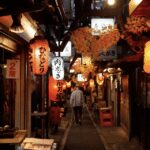
Then you also get a bit of talk around Kabukicho in Shinjuku and Golden Gai. Even if you’re not planning a full night out, this helps you connect the dots. You’ll understand what people mean when they describe Shinjuku nightlife as a patchwork of alley bars and neighborhood energy, instead of one single “district.”
I like this structure. It gets you in the right mood for sake. By the time you’re ready to taste, you’re not just in a room—you’re in a story about how Tokyo drinks and socializes.
Inside the tasting bar: how the flight works and why the variety matters
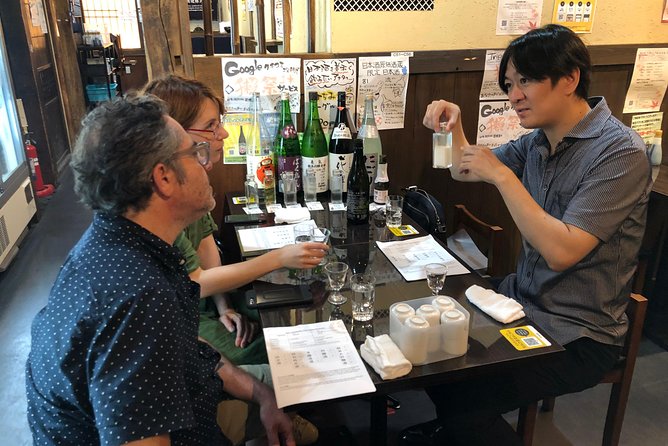
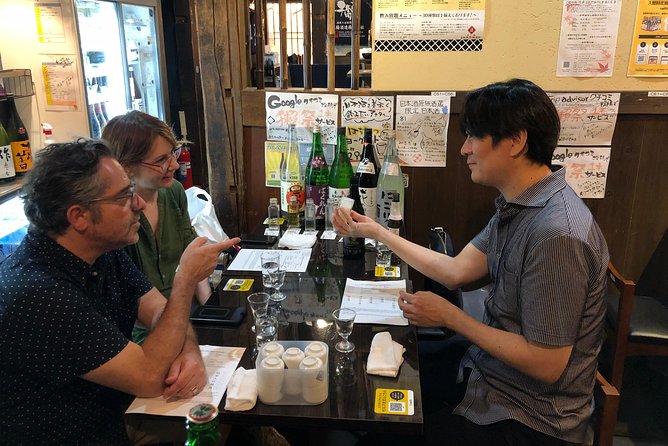
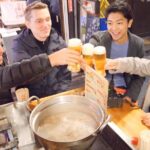
The main event happens at the sake bar. Right after arriving, the sommelier serves you all the different types one by one. The point isn’t to rush. The point is to let you compare styles while the explanations make sense of what you’re tasting.
You’ll try 6–7 sake types, and many sessions also include a welcome sake as you get started. That welcome pour can be a good “baseline” before you move into more specific styles—so by the time you hit the varied profiles, your palate is already awake.
You may encounter a range like:
- styles served hot vs. cold
- dry vs. sweet expressions
- sparkling sake
- pasteurized vs. unpasteurized (and why that affects what you taste)
One especially memorable theme from the experience is access. Some types can be hard to find outside Japan because of shipping limitations, so tasting them in Tokyo becomes more than a novelty. It’s tasting sake in the context it was made for.
Learn to decode a sake label without memorizing everything
If you want one practical takeaway, it’s this: you learn how to read a sake bottle label so you don’t buy based only on marketing. The guide’s focus is on helping you understand what the label is trying to tell you—fast.
You get top tips to decode the label, and you’re not stuck with abstract theory. The tasting examples reinforce the meaning of terms and choices, so the label becomes less like a puzzle and more like a decision tool.
Here’s what this kind of skill changes for you:
- In restaurants, you can order more confidently instead of pointing and hoping.
- In shops, you can match what you like (dry, sweet, bright, mellow) to what you’re seeing on the label.
- When you come across something unusual—like sparkling or a style you’ve never tried—you can understand why it tastes the way it does.
You’ll likely also receive a small pamphlet/leaflet that outlines aspects of sake production and helps you remember the basics after the tour. I appreciate this, because sake learning sticks better when you can check notes later instead of relying on memory.
You can also read our reviews of more drinking tours in Tokyo

Warm vs. chilled, and why serving temperature is a big deal
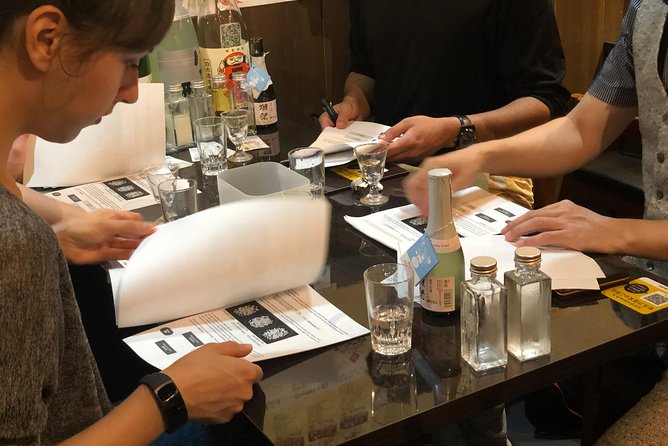
Sake temperature isn’t a minor detail. It can change the way aromas feel and how sweetness or sharpness comes across. This tour covers the idea that you should match the serving style to the sake type rather than treating sake like one standard drink.
In practice, you’ll hear guidance on:
- how to taste a sake type properly (for example, when warm works best)
- what different serving approaches bring out
- how to approach the flight so you can compare each pour fairly
If you’ve ever had one sake served one way and another served differently and wondered why they didn’t “match,” this explains it. Temperature can be part of the reason the experience feels inconsistent—until you know what’s intended.
Food pairing tips you can use the same week
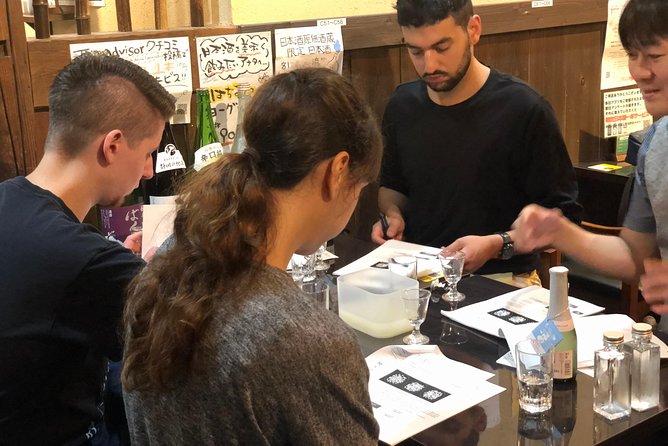
This isn’t just “sake tastes good with food.” You get help choosing foods that complement what you’re tasting. That’s useful because Tokyo is full of places where sake is a perfect match for the meal—izakaya plates, grilled items, tempura, and small seasonal dishes.
The guide’s approach is to connect sake character to pairing logic, so you can make the call at your next dinner instead of looking for a pre-set pairing menu.
You’ll get pairing guidance alongside each sake type you try. That means when you later see something on a restaurant menu, you can think: What does that remind me of from the tasting? It’s a fast way to translate a tour lesson into real-life ordering.
Questions encouraged: why this feels more like a conversation than a class
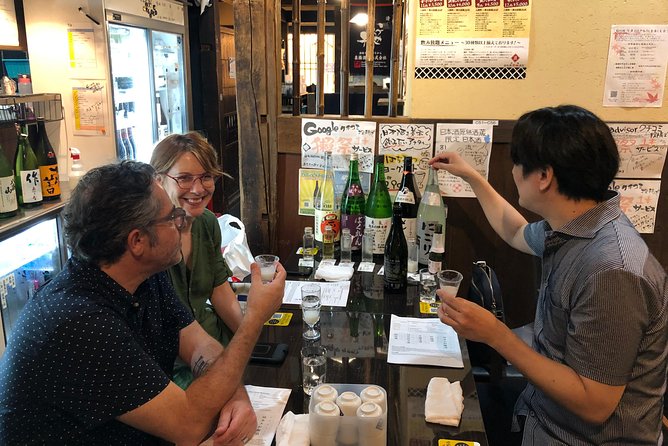
A lot of tasting tours can feel one-directional. This one works because Akira is chatty, interactive, and happy to answer questions—sake questions and Japan questions. People mention how friendly and engaging he is, and that’s the difference between “I sampled a bunch of drinks” and “I understood what I tasted.”
The pacing also helps. You’re not being forced to finish each sample at speed. You can take your time and pay attention to the differences.
Since the group max is 12, you don’t get drowned out. That matters when you’re learning something technical-ish like rice wine production and label meanings.
Kabukicho and Golden Gai context: good for first-timers and good for return trips
One quiet advantage here is that the tour is placed in an area where nightlife is real and close by. You’re not leaving the city center and spending your entire day commuting. You’re learning sake and also getting a street-level sense of where people go after dark.
The mention of Kabukicho and Golden Gai is brief, but it’s enough to help you plan. If you want a low-key bar before dinner, or a fun alley evening after, this kind of orientation can cut down on trial-and-error.
I also like the timing. Starting at 4:00 pm means you can do the tasting and still have time to:
- eat dinner nearby
- shop in Shinjuku
- decide on a nightlife plan without rushing
Who this tour suits best
This fits you if:
- you’re new to sake and want the quickest path to understanding
- you like guided tastings where explanations connect directly to what you drink
- you want practical help ordering in Tokyo afterward
- you enjoy small-group activities and asking questions
It also works well for people doing Japan with family. Several sessions describe bringing family members, and the atmosphere seems relaxed and fun rather than stiff.
If you’re already a serious sake collector with deep technical knowledge, you might still enjoy the label tips and the structured comparisons. But you may want extra time for your own focused tasting afterward, because the tour is designed as an overview rather than an advanced workshop.
Price and logistics: the real value equation
Let’s talk value in a Tokyo way. $62.76 isn’t bargain-basement, but for a 90-minute experience that includes multiple sake tastings and direct expert guidance, it’s a reasonable deal.
Here’s the value equation I’d use:
- You get several distinct sake styles in one sitting, not just one safe choice.
- You get the explanation that helps you repeat the results later (ordering and shopping).
- You get a guide who can answer questions and make sure you’re not left with confusion.
Also, the tour uses a mobile ticket, and it’s near public transportation. That keeps your stress low, especially on your first day in Shinjuku.
Should you book this Shinjuku sake tasting?
Yes, if you want a fast, practical sake education in a fun setting. The biggest reason to book is the combination of taste + label decoding + how to drink it right. That’s the skill you carry home, not just the memory of a few good sips.
Book it early in your trip if you can. You’ll get more out of it when your next meal uses what you learned.
Skip it only if you strongly dislike crowds at Shinjuku meeting times or you’re looking for a purely sightseeing tour. This is about the tasting and the knowledge, with nightlife context as a bonus.
If your goal is to feel confident ordering sake in Tokyo, this is one of the cleanest ways to get there.
FAQ
How long is the sake tasting experience?
It runs about 1 hour 30 minutes (approx.).
What does the tour cost?
The price is $62.76 per person.
How many sake types will I taste?
You’ll taste about 6–7 types of sake, with the guide explaining each one.
Where do I meet the guide in Shinjuku?
The meeting point is Frente Shinjuku San-chōme (3-chōme-4-8, Shinjuku City, Tokyo 160-0022, Japan).
What time does the tour start?
The start time is 4:00 pm.
Is there a maximum group size?
Yes. The experience has a maximum of 12 travelers.
Do I need to speak Japanese to enjoy the tour?
The experience is designed to eliminate language barriers, and the guide is described as speaking English.
Will I learn how to read a sake label?
Yes. The tour includes tips on decoding a sake label and understanding how to choose based on taste.
Does the tour include nightlife information?
It includes discussion of Shinjuku nightlife, including Kabukicho and Golden Gai.
Is it easy to get to by public transport?
The meeting point is near public transportation, and the activity is in central Shinjuku.