REVIEW · TOKYO
Private Toyosu & Tsukiji Market Adventure with Tuna Auction
Book on GetYourGuide →Operated by MACHI TOUR JAPAN · Bookable on GetYourGuide
Five a.m., tuna chaos, and real explanations. In this private Toyosu & Tsukiji adventure, you catch the bluefin tuna auction at Toyosu Market, then move on to Tsukiji for shopping and breakfast-style bites with guides like Nobby or Sachiyo.
I love how your guide helps you read what’s happening in the auction, not just watch it. I also like the food-and-shopping flow: you’ll taste classic market foods like sushi, matcha, mochi, grilled eel, and tamago, and you can browse kitchen tools such as Japanese knives, chopsticks, a matcha whisk, and even a wasabi grater.
The trade-off is simple: it’s a very early start, and you’ll need your own taxi to get to Toyosu since subways and buses aren’t running. Also, the best 1st-floor auction viewing is tied to an optional lottery, so your exact sightlines can vary.
In This Review
- Key things you’ll actually care about
- Why This Toyosu–Tsukiji Combo Works in 3 Hours
- The 5 a.m. Start: Logistics Without the Headache
- Inside Toyosu Market: Following the Bluefin Tuna Auction
- After the Auction: Markets Are About Tools, Not Just Fish
- Tsukiji Old Outer Market: Street Food + Shopping at Your Pace
- What You’ll Eat (and How to Think About It)
- Price and Value: Is $153 for 3 Hours Worth It?
- Who This Tour Suits Best (and Who Might Want a Different Option)
- Should You Book This Private Toyosu & Tsukiji Market Adventure?
- FAQ
- Is breakfast included in the tour?
- Do I need my own transportation to Toyosu?
- Is viewing the tuna auction guaranteed?
- Where do we meet the guide?
- What can I buy during the tour?
- What should I bring?
Key things you’ll actually care about
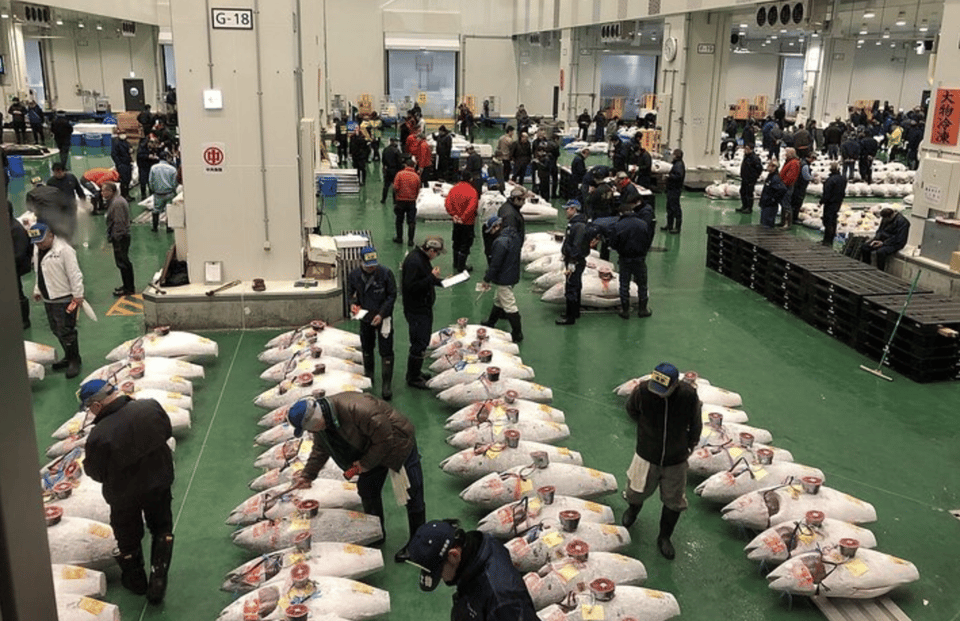
- Toyosu tuna auction observation with an optional lottery for 1st-floor viewing (not guaranteed)
- Clear auction context from an English-speaking private guide, so the bidding process makes sense
- Two-market morning plan: Toyosu first, then Old Tsukiji Outer Market by local bus
- Market shopping aimed at kitchen life, from knives and chopsticks to matcha tools and pottery
- Food tasting stops that match the early-hour vibe, including sushi/seafood breakfast options
- Fast, private pacing for up to 10 people, so you’re not stuck in a crowd shuffle
Why This Toyosu–Tsukiji Combo Works in 3 Hours
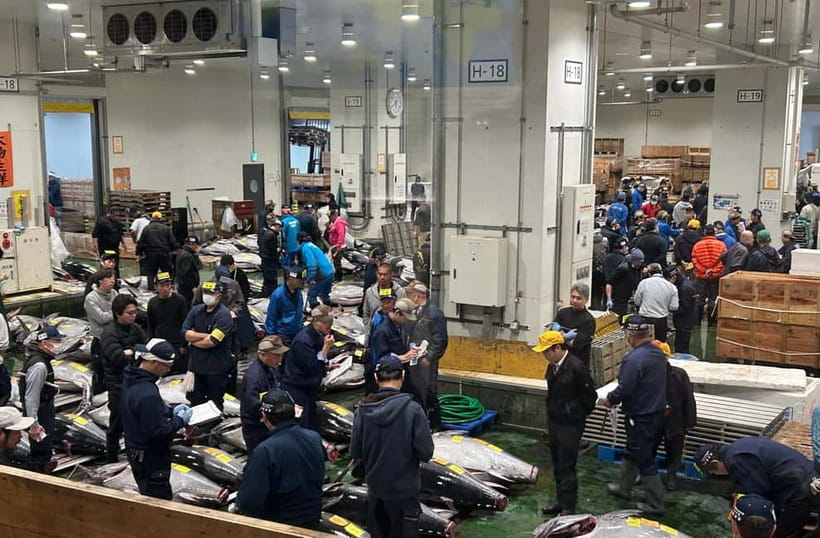
This tour is built for people who want more than photos. The value is the sequence: you see the tuna auction at Toyosu first, then you get the context of where seafood and kitchen goods end up in everyday Japanese food life when you hit Tsukiji.
Toyosu is where you watch the auction process—the fast, high-stakes buying ritual tied to bluefin tuna. Tsukiji (the old outer market area) is where that food energy turns into street food, small shops, and the kind of quick meals you’ll remember more than a formal restaurant.
And it’s private for up to 10 people, which matters. You can move at a human pace, ask questions, and stop for tastings or shopping without feeling like you’re herding yourself through a maze at 5 a.m.
You can also read our reviews of more private tours in Tokyo
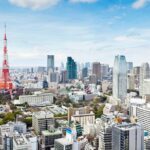


The 5 a.m. Start: Logistics Without the Headache
Let’s be honest: the early morning is the hardest part. The tour is designed around the fact that Tokyo’s transit isn’t reliable at that hour for getting to Toyosu. The tour info specifically says you’ll need a taxi, and the taxi fare is not included.
So plan your base smart. The recommendation is to stay around Toyosu, Tsukiji, or Ginza so you’re not paying a fortune to cross the city in the dark. If you’re starting far away, the tour’s price can start to feel different once taxi costs add up.
Meeting point details also help you avoid early-day confusion. You’ll meet at the ticket gate of Shijō-mae Station on the Yurikamome Line, and the escalator shutters won’t open until 5:00 a.m. That’s why you should be ready to use the stairs or elevator to reach the 2nd-floor ticket gate.
Your guide reaches you in advance via WhatsApp (so give an accurate number and enable notifications from Japanese phone numbers). If you’re the kind of traveler who hates last-minute scrambling, this kind of clear contact is a big plus.
Inside Toyosu Market: Following the Bluefin Tuna Auction
Toyosu Market is the star event, and the tour is set up to help you watch the bluefin tuna auction with understanding. Without guidance, it can feel like you’re just standing there while people move fast and speak in a blur. With a guide, you’re listening for what matters: how buyers evaluate, what the bidding rhythm looks like, and what you’re seeing as the auction progresses.
There’s also an optional lottery for the 1st-floor observation deck. If you win, you watch from closer up. If you lose, you can still see the tuna auction from the 2nd floor. In December, the info says the lottery won’t take place at the end of the month, so you’ll view from the second floor in that window.
If you win the lottery, bring your passport or ID card on tour day. That’s one of those small details that prevents a big stress moment.
One more reality check: the auction experience can vary day to day. Some tours of this type can include only a limited number of auction moments, so go in expecting a serious look at how the system works—not a nonstop stage show.
Still, when you can watch the auction and then follow that energy into market browsing afterward, it clicks. You stop seeing seafood as a menu item and start seeing it as a supply chain—buyers, timing, and quality decisions all in motion.
After the Auction: Markets Are About Tools, Not Just Fish
Once the auction is done, you don’t just wander. The tour shifts into market navigation: you move through Japanese food and specialty shops where utensils and ingredients are part of the show.
At Toyosu and on the way, you’re guided through market areas that include Japanese kitchen utensil shops and food stalls—places focused on items like knives, matcha supplies, miso, pickles, and sake. The tour’s highlight list also points to specific tools you can purchase or browse, including:
- Japanese knives
- chopsticks
- matcha whisk
- wasabi grater
- pottery and related kitchen goods
This is one reason the tour feels more practical than a typical sightseeing walk. A knife or matcha tool isn’t just a souvenir—it’s something you can actually use when you cook at home. And the best part is you can ask questions in context, instead of trying to compare products with zero background.
There’s also a bit of a “local life” feel to this segment. Market shopping at 6 or 7 a.m. isn’t about window dressing. It’s for people who plan meals and stock pantries. That tone changes what you notice.
One optional stop is a local shrine visit during the route. It’s not the main draw, but it adds a quick cultural pause without adding hours.
Tsukiji Old Outer Market: Street Food + Shopping at Your Pace
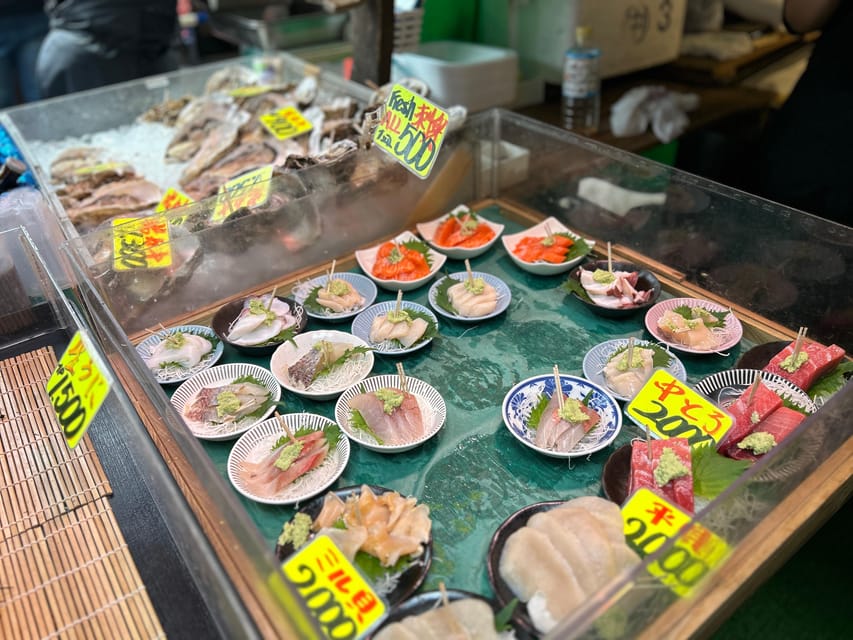
After Toyosu, you take a local bus to Tsukiji Market (Old Outer Market). The tour keeps you moving but not rushing, with guided time for browsing and food tasting.
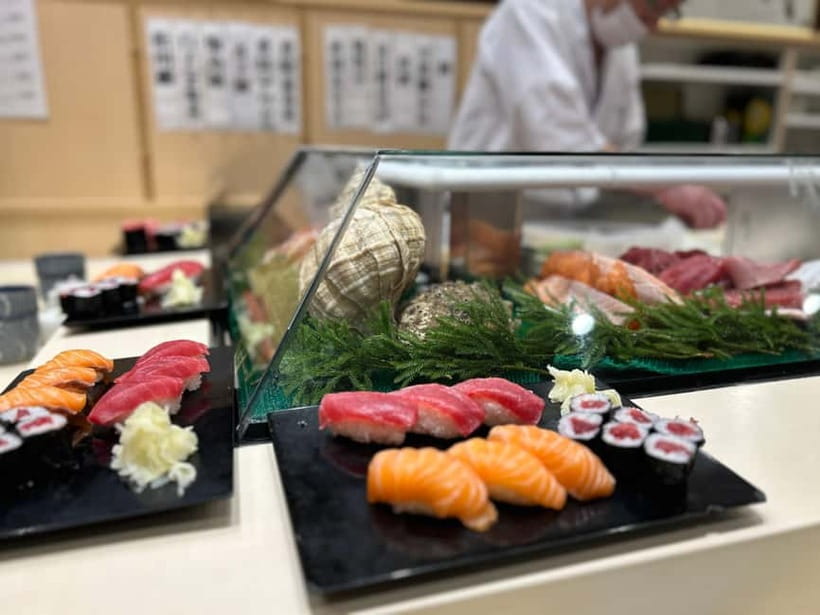
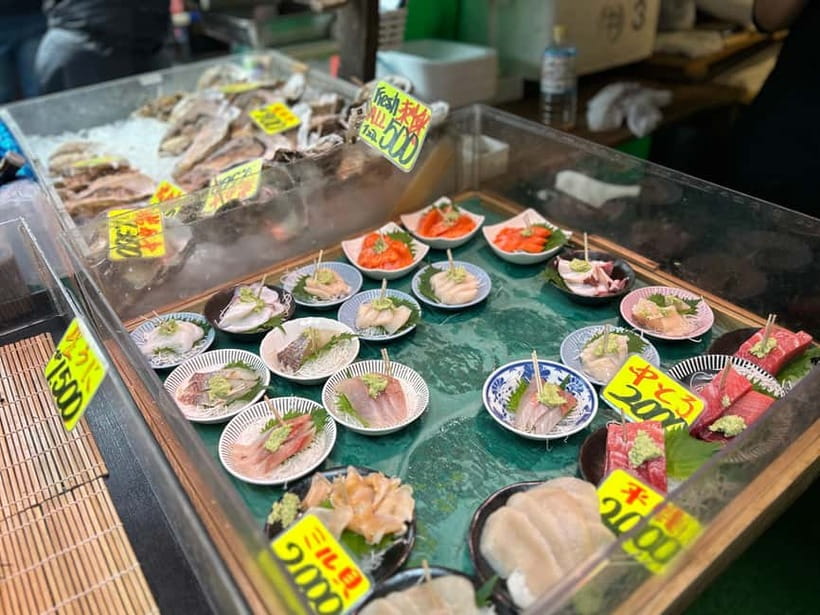
Tsukiji is where the morning turns into a tasting menu of real market comfort foods. The tour description includes options such as sushi, sashimi, grilled eel, yakitori, tuna steak, mochi, and local vegetable and fruit shops. You’ll also see pottery and kitchenware shops again, but Tsukiji tends to feel more “shop-and-snack” while Toyosu feels more “production-and-procurement.”
This is where an English-speaking guide really helps you avoid the common problem: standing in front of stalls and thinking, what do I order, and what’s actually good here? Your guide can steer you toward items that make sense for early morning eating and can recommend places to sit and eat after the market crush begins.
If you’re chasing the classic Tokyo market snacks, this is your moment. The guide-led approach helps you build a mini meal from several bites rather than committing to one big breakfast somewhere that might not match what you’re craving.
Also, the tour ends in the Tsukiji area, so you’re set up to keep exploring after you finish, whether that means walking nearby streets or hopping into a more normal breakfast later.
You can also read our reviews of more shopping tours in Tokyo
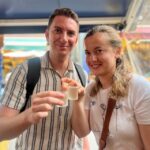
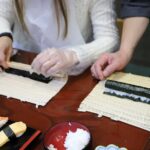
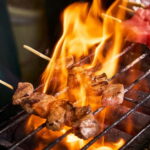
What You’ll Eat (and How to Think About It)
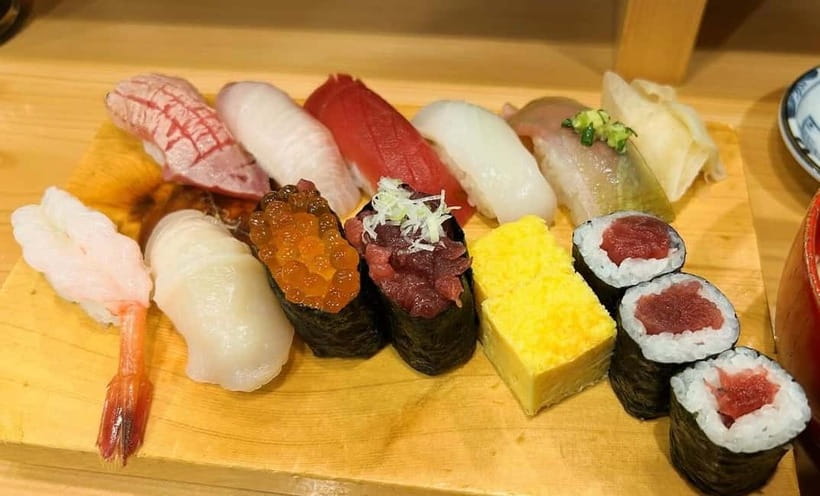
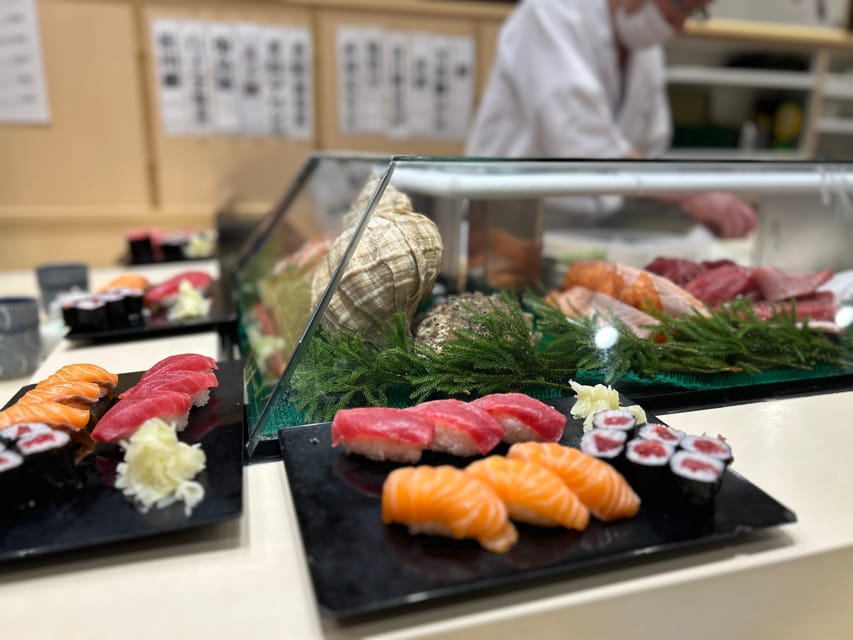
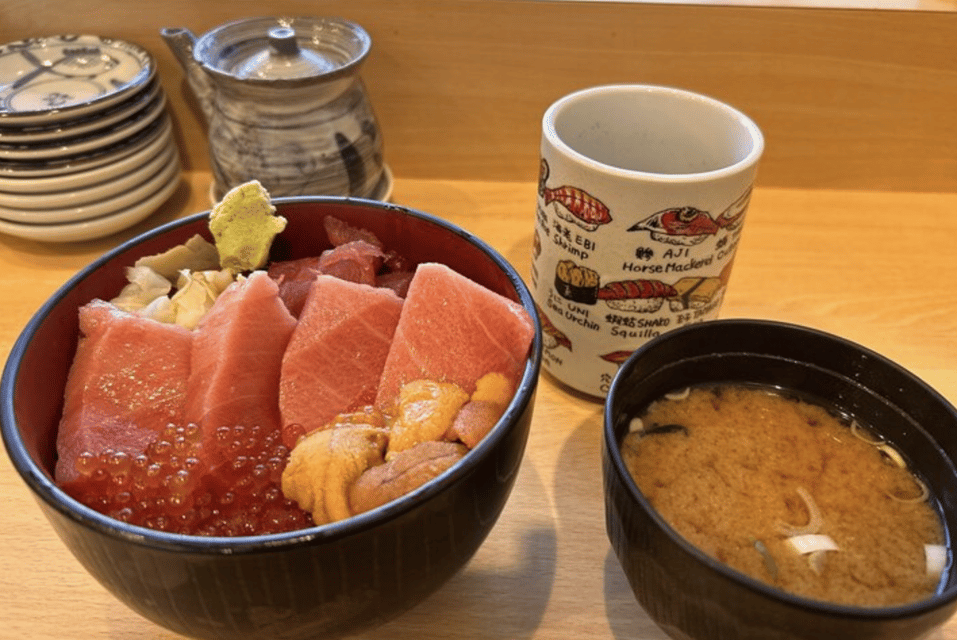
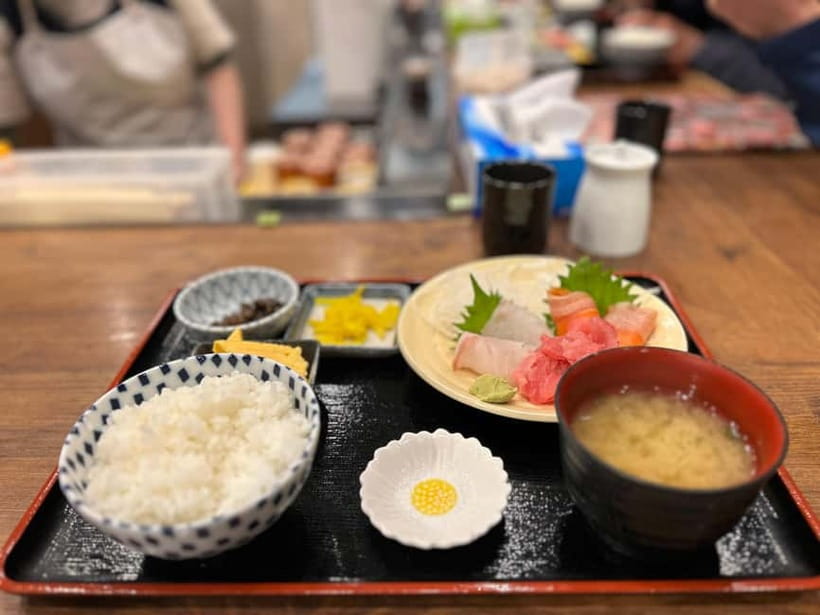
Food is part of the point here, and the tour includes multiple chances to eat. The itinerary mentions a sushi or seafood breakfast option, either at Toyosu or Tsukiji depending on what your guide works out, then additional tasting time in the Tsukiji Outer Market.
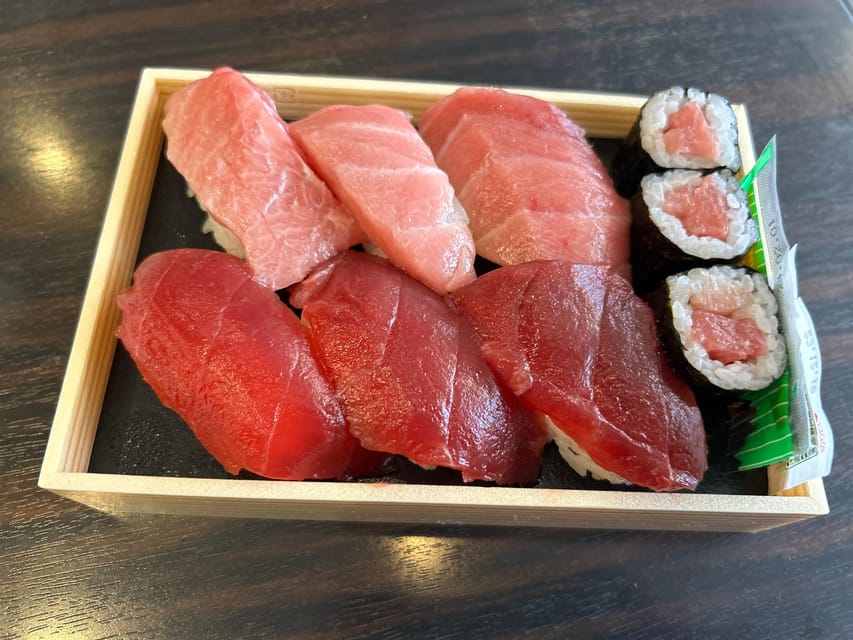
The highlight list includes favorites like matcha and mochi, grilled eel, and tamago. That’s a good mix because it represents different parts of the Japanese breakfast-and-market culture: tea-based sweetness, quick savory bites, and egg-based comfort.
Two practical tips:
- Bring cash. Market food and small shops may not always be set up for every payment style, and the tour info specifically notes cash.
- Go in hungry but plan for cold. Early mornings can be chilly, and food tastes better when you’re warm and ready to eat, not shivering through tastings.
Also, if you’re vegetarian or vegan, the tour info says you’re welcome and the guide will help you find suitable ingredients. That’s worth taking seriously. In many market situations, you can end up with a generic side of plain rice. Here, you’re explicitly told you’ll work through options with guidance.
Price and Value: Is $153 for 3 Hours Worth It?
$153 per person for 3 hours sounds straightforward, but value depends on what you get besides walking.
Here’s what you’re paying for:
- Private guiding (English-speaking) to interpret what you’re seeing at the auction
- Time efficiency during a period when you can’t rely on transit
- Two major market stops instead of just one
- Practical shopping help, including guidance around kitchen tools and where to eat
The biggest “gotcha” is that taxi costs are on you, and breakfast and drinks aren’t included. So your true total depends on where you start and where you end up after.
But if you compare the alternative—trying to figure out auction viewing, then navigating two huge markets while you’re tired and early—the guide helps you avoid wasted time. People who debated a Toyosu-only plan often come away feeling the combo is the smarter use of a short Tokyo stay. Seeing the auction process and then following that into Tsukiji’s food culture is a better story, and it gives your morning more meaning.
If you’re the kind of traveler who enjoys buying kitchen gear (or even just understanding what makes Japanese knives and matcha tools different), this tour can pay off beyond the food. That’s where it feels like more than a one-off experience.
Who This Tour Suits Best (and Who Might Want a Different Option)
This tour fits you if you want a market morning with a plan. You’ll likely enjoy it more if you care about one or more of these:
- You’re curious about the tuna auction and how it works
- You like Japanese food enough to hunt for the best simple bites
- You want to shop for kitchen tools and ingredients, not just souvenirs
- You’d rather ask questions than guess in a fast environment
It might feel less ideal if you hate very early mornings or you dislike logistics that aren’t fully bundled. Since a taxi is required to get to Toyosu around that time, budget travelers should factor that in.
Also consider auction viewing expectations. The 1st-floor experience is lottery-based, and in December late month dates the lottery isn’t running, so you may watch from the second floor. If your heart is set on maximum closeness, treat that as a possibility, not a guarantee.
Should You Book This Private Toyosu & Tsukiji Market Adventure?
Book it if you want an early Tokyo morning that’s both exciting and useful. The best part isn’t just seeing tuna. It’s understanding the process, then translating that understanding into food and shopping choices you can enjoy right away—sushi, matcha, mochi, grilled eel, tamago—and the practical kitchen items you’ll use long after you return home.
Don’t book it if you’re likely to resent the 5 a.m. wake-up and the extra taxi cost. Also, if you’re only after a relaxed walk with no interest in auction context or market tools, you might find a simpler market tour more your speed.
My practical verdict: if you’re coming to Tokyo for food, especially for seafood and market culture, this is one of the most efficient ways to get the full story in a short time.
FAQ
Is breakfast included in the tour?
No. The tour description lists breakfast as not included. You may have a sushi or seafood breakfast option during the tour depending on scheduling, but it’s not listed as included in the standard inclusions.
Do I need my own transportation to Toyosu?
Yes. The tour info says you’ll need a taxi because subways and buses aren’t running in the early morning, and the taxi fare is not included. Your guide can meet you at your hotel (pickup optional) or at Shijō-mae Station.
Is viewing the tuna auction guaranteed?
The 1st-floor observation deck is tied to an optional lottery and is not 100% guaranteed. If you lose, you can still see the tuna auction from the 2nd floor. In late December, the lottery won’t take place and viewing will be from the second floor.
Where do we meet the guide?
You meet at the ticket gate of Shijō-mae Station on the Yurikamome Line. The tour also mentions pickup is optional, where the guide can meet you at your hotel lobby or the front of your hotel.
What can I buy during the tour?
The tour highlights kitchen and market goods such as Japanese knives, pottery, chopsticks, matcha whisk, and wasabi grater. You’ll also pass shops for matcha and other market staples like miso, pickles, and sake.
What should I bring?
Bring passport or ID (especially if you win the auction viewing lottery) and cash. The tour also notes you’ll want to enable WhatsApp notifications since the guide contacts you that way.