REVIEW · TOKYO
Tokyo Zen Meditation at Private Temple with Monk
Book on Viator →Operated by Travel Japan Together Tokyo · Bookable on Viator
A quiet temple can feel like a reset button. At Kinryu-ji in Asakusa, you get a rare chance to meet a monk, learn Zazen (seated Zen meditation), and practice in a temple setting that isn’t open to the general public. It’s a calm hour and a half built for real questions, not just sightseeing checklists.
Two things I really like: you’re not stuck listening—you actually get a chance to talk with the monk and ask anything that’s on your mind. And the experience doesn’t stop at meditation; it includes a matcha tea ceremony and hands-on temple activities like writing practice (often sutra-copying/calligraphy-style) during the session.
One consideration: this is a seated, respectful experience inside a temple hall, so it’s not the kind of tour for people who want constant movement, big group energy, or lots of street wandering.
In This Review
- Key highlights to know before you go
- Kinryu-ji Zen in Asakusa: private temple access, monk time
- Your 90 minutes: Zazen instruction, practice, and structured temple activities
- Matcha tea ceremony: a gentle ending, not a random add-on
- Photos at the temple (and with the monk): how to make it worth it
- Price and value: why $56.16 can be a smart use of Tokyo time
- Getting there: meeting point, calm pacing, and small-group logistics
- Who should book this Zen meditation with a monk
- Should you book Tokyo Zen Meditation at Private Temple with Monk?
- FAQ
- How long is the Tokyo Zen Meditation at Private Temple with Monk?
- Where does the experience take place?
- What does the price include?
- Is transportation included?
- How many people are in the group?
- Do I need to speak Japanese to join?
- Can I cancel for a full refund?
Key highlights to know before you go
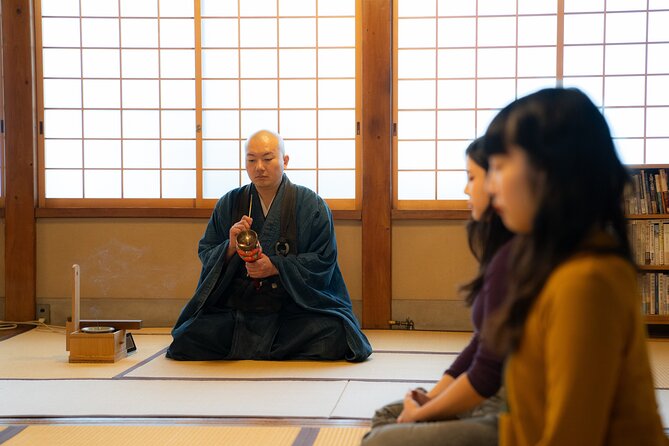
- A monk-led Zazen session at Kinryu-ji: You’ll get instruction, then you’ll sit and practice.
- Not open to the public: This feels more like a private doorway into Zen than a standard temple visit.
- English support through the whole flow: An English-speaking guide keeps the meaning clear.
- Questions are welcome: You can ask about Zen and daily practice, not only meditation basics.
- Temple writing practice plus prayer/ritual time: Expect a calm, structured activity beyond just sitting.
- Photo time with the monk: You’ll have a moment to capture the experience properly.
Kinryu-ji Zen in Asakusa: private temple access, monk time
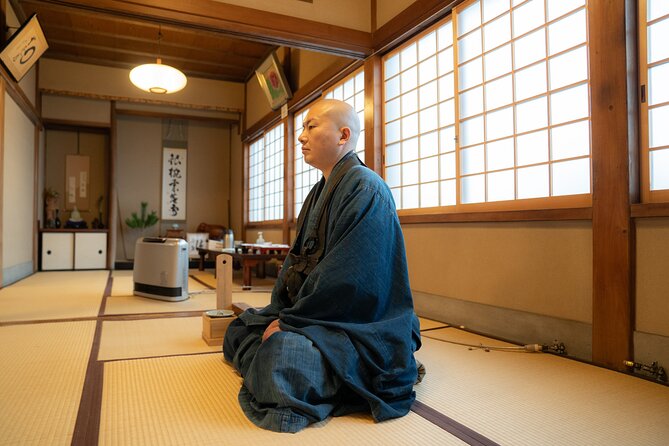
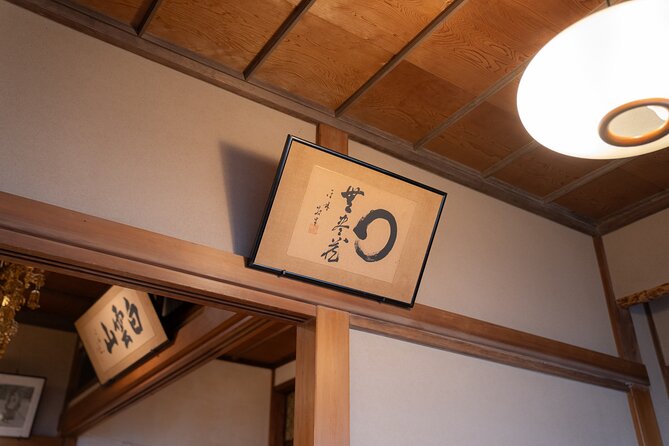
Asakusa is where Tokyo shows off its old-self vibes—temples, lanterns, and that slow sense of ritual. This experience adds something special: it happens at Kinryu-ji, a temple with a history over 400 years, and it’s described as a place you can’t just drop into like a normal tourist stop.
The big win here is the monk connection. This isn’t a performance. The format is built around learning the principles of Zen and then putting your body and attention into the basics of practice. That monk access is hard to find on your own in Tokyo, especially with English support.
If your guide is someone like Tamami (she comes up in past sessions), you’ll likely get a smooth bridge between Japanese temple culture and what you’re actually doing in the room. If it’s Kazu, you’ll still get that same essential job: translate, guide, and make sure you understand what’s happening before you try it.
You can also read our reviews of more private tours in Tokyo

Your 90 minutes: Zazen instruction, practice, and structured temple activities
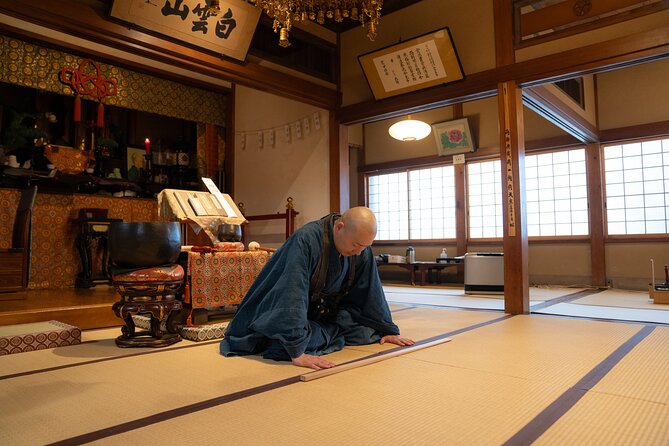
The session moves in clear steps, and that matters because Zen can be hard to follow if you don’t know what you’re looking at.
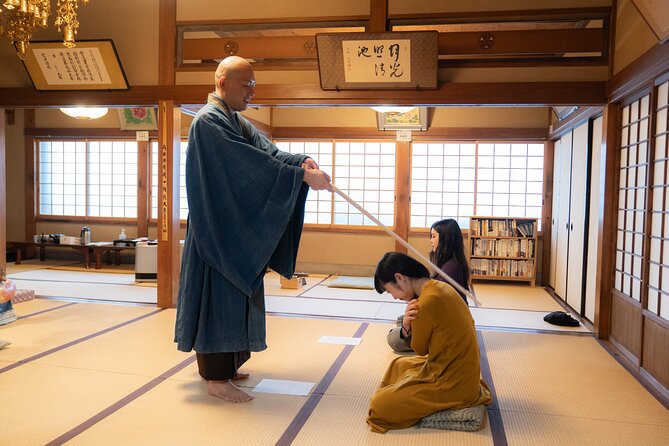
You start by meeting at the temple. You’ll get a brief introduction to Japanese culture and Zen, then you shift into the main event: a monk lecture on Zazen—seated meditation. The tone is calm and practical. You’ll learn the principles and the techniques, then you’ll practice as a group.
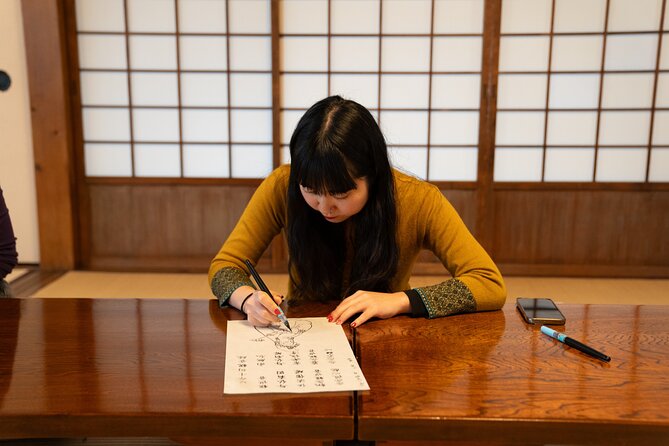
A detail I really appreciate: this doesn’t feel like a single lecture you’re stuck with. The flow includes active moments. In many past experiences, people also do writing practice—often described as copying sutras in a calligraphy-like way. That turns abstract ideas into something physical and focused. It’s also a nice change of pace from sitting.
Then there’s Q&A. Several groups highlight that the monk is approachable and open to questions—even questions that aren’t strictly meditation-related. If you’ve ever wanted to ask a Zen question without worrying you’ll ask it wrong, this is the kind of setting where those questions get a real answer.
Finally, you’ll wrap up with a short ritual segment (some experiences mention formal prayer moments) and then move into tea. The whole thing stays respectful and organized, which is exactly what you want for a calm spiritual activity in the middle of a city.
What might feel different for you: Zen is simple on paper—sit, breathe, pay attention. But the room has its own rules and rhythm. You don’t need to know Buddhism to participate, and the English guide helps you stay oriented so you aren’t guessing.
Matcha tea ceremony: a gentle ending, not a random add-on
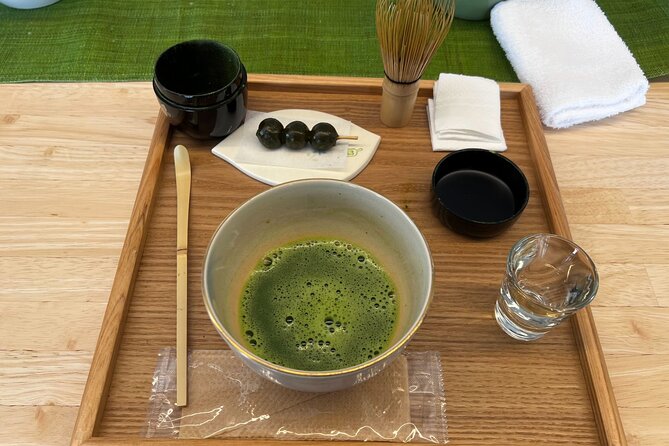
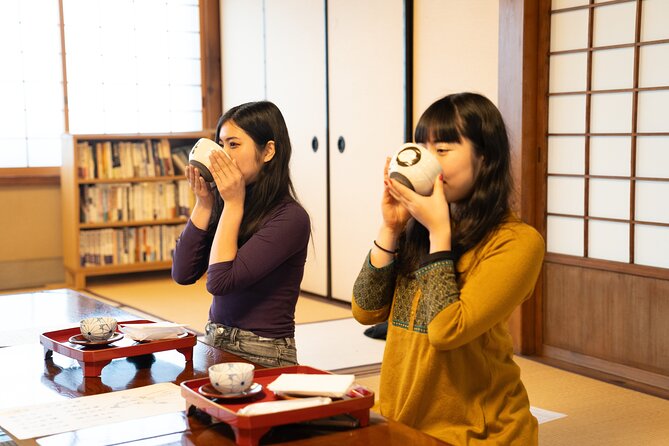
After meditation practice and any writing activity, you’ll get matcha tea along with snacks. This part isn’t just a food bonus. It’s one more way to bring attention into the present moment.
Tea ceremonies in Japan often get treated like a cultural souvenir. Here, it’s timed as a quiet landing. You’ve spent time sitting and focusing; then you shift into tasting. That creates a smoother mental transition than jumping straight back into the Tokyo noise.
Practically, it’s also a social moment. Even if you’re shy, the tone is relaxed enough to keep conversations going with your guide and—if you get the chance—ask the monk one last question before you finish.
One more helpful point: in past sessions, guides have helped participants connect what they learned about Zen to daily life questions. That makes the tea feel like part of the lesson, not just dessert with incense.
Photos at the temple (and with the monk): how to make it worth it
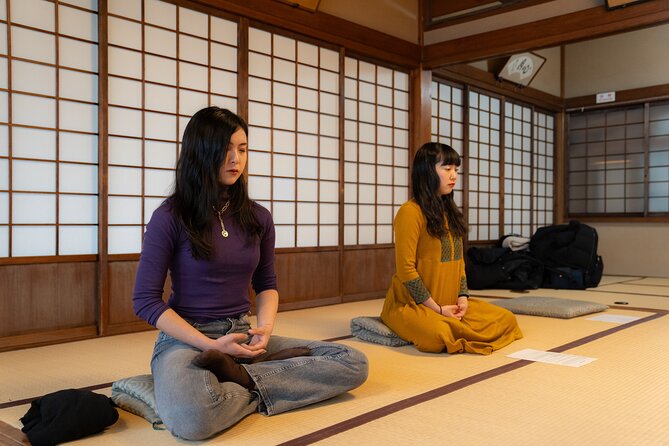
Temple photos can go two ways: either you get a quick snapshot that feels awkward, or you get pictures that actually capture the moment. This experience includes pictures with the monk, which is a huge help if you’re traveling with a phone and no third person.
Because the experience has a private setup, photo time isn’t just you chasing the perfect angle while people are trying to keep quiet. The session is structured, and the guide helps coordinate photo moments inside the space.
My practical advice: wear something you can sit comfortably in and that looks respectful in a temple setting. Then, when photo time comes, don’t freeze with your camera half-raised. Pay attention to the monk and your guide’s cues first. The result is usually more natural photos and fewer tense moments.
Also, do consider that you’ll be in a sacred space with rules. If you treat it like a museum selfie moment, you’ll feel rushed. If you treat it like a ritual moment with a photo finish, you’ll get better results and a more peaceful vibe.
Price and value: why $56.16 can be a smart use of Tokyo time
At about $56.16 per person for roughly 1 hour 30 minutes, this isn’t a budget activity. But it’s also not priced like a big, impersonal group tour.
Here’s where the value comes from:
- You’re paying for access to a temple setting that isn’t open to the general public.
- You’re paying for monk time plus English interpretation so you can understand the meaning and technique, not just observe.
- You’re getting multiple parts in one flow: Zen instruction, practice, writing practice (often sutra-copying/calligraphy-style), matcha tea, and photo time.
Group size is capped at 15 travelers, which keeps the session from feeling like a crowded lecture hall. That limit also helps the guide manage questions. If you’re the type who asks questions in tours, this format is much less painful than loud large groups where every question cuts into time.
If you compare it to standard temple admission plus a generic meditation talk, this is more “practice with a teacher” than “watch and leave.” In Tokyo, that distinction matters.






Getting there: meeting point, calm pacing, and small-group logistics
The meeting point is in Taito City, Kotobuki 2-chōme, at the building labeled 偕楽ビルディング (Kairaku Building), with a nearby FamilyMart reference used in past guidance. The tour says it’s near public transportation, which is exactly what you want in Tokyo—one less transfer, less rushing.
My tip from hard-earned travel sense: confirm the exact meeting point details before you go and give yourself a little extra time. One common issue in similar setups is people arriving at the wrong nearby storefront. Arriving early saves stress and keeps you in the right mood for meditation.
What to expect when you arrive: you’ll be joining a small group, then moving into the temple hall for the instruction and practice. That means you’ll likely spend most of the session seated and quiet. Dress for comfort, and keep your phone on silent like you’re inside a library with incense.
Also note: private transportation isn’t included. If you’re staying in central areas, public transit should work fine, but plan your route so you’re not sprinting at the last minute.
Who should book this Zen meditation with a monk
This is a good fit if you want any of these:
- You want a meaningful spiritual activity without needing advanced knowledge of Buddhism.
- You prefer small-group structure over freeform temple roaming.
- You want English support so you can understand the technique and symbolism.
- You enjoy a balanced schedule: sit-practice, writing/ritual activity, then tea.
- You care about photography but don’t want to fight for it during quiet moments.
It may be less ideal if you’re traveling with people who hate sitting still, or if you’re chasing a more energetic, walking-heavy day. This is calm first. Tokyo will wait for you later.
Should you book Tokyo Zen Meditation at Private Temple with Monk?
Yes, I’d book it if your goal is authentic Zen practice with a real teacher, not just a temple photo stop. The combination of monk-led instruction, English explanation, and a complete arc ending with matcha tea ceremony makes it feel like more than the sum of its parts.
Book it especially if you love questions. The monk setting here is approachable, and the guide’s job is to make sure you aren’t left guessing. Just go in with the right expectations: you’re coming for a quiet experience, respectful behavior, and hands-on practice.
If that sounds like your kind of Tokyo day, this is a strong use of your time.
FAQ
How long is the Tokyo Zen Meditation at Private Temple with Monk?
It’s about 1 hour 30 minutes.
Where does the experience take place?
It takes place at Kinryu-ji Temple in Asakusa, Tokyo.
What does the price include?
You get the Zen experience, entrance ticket, snacks (including matcha tea), Zen instruction and practice, pictures with the monk, and an English-speaking guide.
Is transportation included?
No. Private transportation is not included.
How many people are in the group?
The maximum group size is 15 travelers.
Do I need to speak Japanese to join?
No. The experience includes English speaking support.
Can I cancel for a full refund?
Yes. Free cancellation is available up to 24 hours in advance of the experience for a full refund.
If you want, tell me your hotel area and travel day/time, and I’ll suggest a simple transit plan and how early to arrive so you start the meditation already feeling relaxed.