REVIEW · TOKYO
Day Private City Tour of Tokyo with English speaking driver
Book on Viator →Operated by Welcome Japan Tours · Bookable on Viator
Tokyo can feel like a maze. This private tour turns it into a plan. You get a comfortable air-conditioned car, English-speaking driver help, and a tight route that hits major sights without wrestling the trains all day. I especially like the smooth pacing between neighborhoods and the fact that the itinerary can be adjusted to your pace, not the driver’s.
The main thing to consider is the money for site entries: several stops are free, but Shinjuku Gyoen and Tokyo Skytree cost extra, and on-site tour guiding can also cost more.
In This Review
- Key things to know before you go
- A Private Car Plan for First-Time Tokyo
- Price and Logistics: Up to 3 People, Extra Fees to Expect
- Getting Picked Up in Comfort, Not on Trains
- Your 8-Hour Hit List, Stop by Stop
- Tsukiji Fish Market: a fast taste of Tokyo’s seafood world
- Shinjuku Gyoen National Garden: imperial roots, easy park wandering
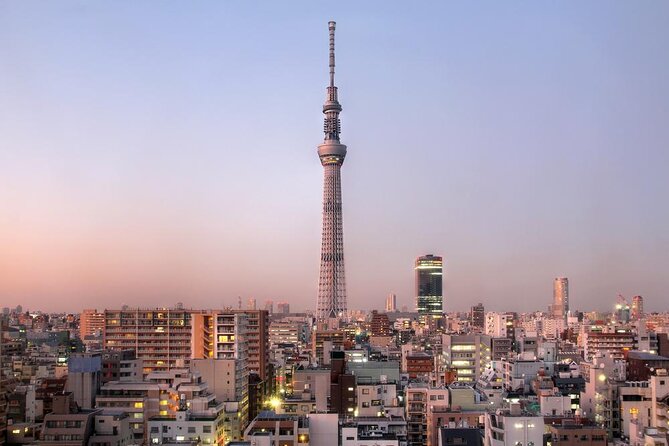
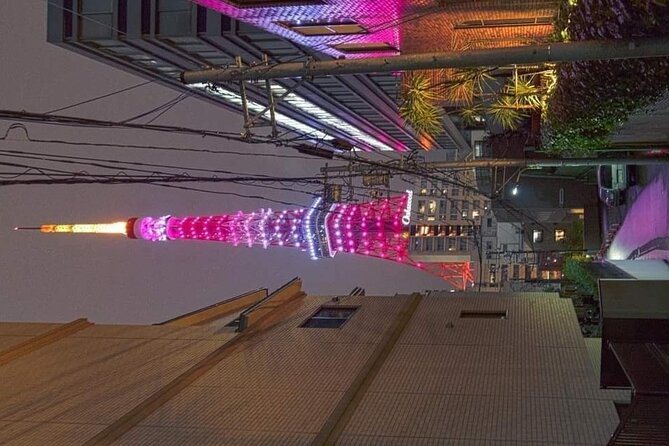
- Tokyo Skytree: the big-ticket skyline moment
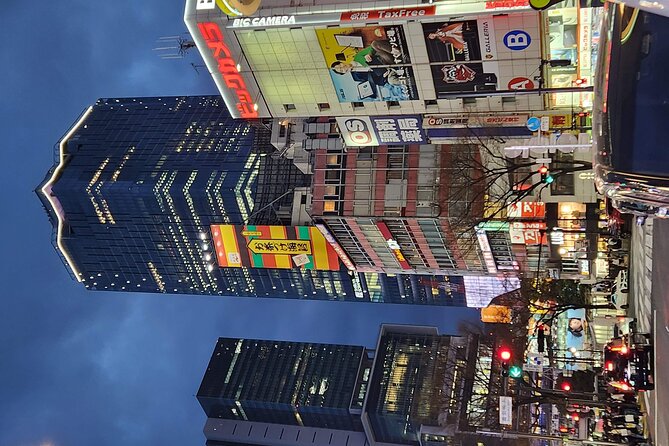
- Godzilla Head in Shinjuku: free pop-culture energy
- Meiji Jingu Shrine: calm right beside a busy station
- Shibuya Crossing: the classic photo stop with crowd control
- Takeshita Street: Harajuku shopping and sweet snacks
- Tokyo Metropolitan Government Building: a skyline view without the entry cost
- Giant 3D Cat Billboard: quick, silly, and fun
- Senso-ji Temple: Asakusa’s centerpiece to wrap the day
- Guides Matter: English Support That Turns Stops into Stories
- Crowds, Timing, and When You Should Shift the Day
- Who This Tour Suits Best (and Who Might Want Something Different)
- Should You Book This Tokyo Private Tour?
- FAQ
- Can I cancel for a full refund?
- How many people are in a group?
- How long is the tour?
- Is the tour guide included at each site?
- Are hotel pickups included?
- What attractions cost extra?
- Are there any schedule limitations?
Key things to know before you go
- Private car for up to 3: less waiting, fewer transfers, more time at stops.
- A mix of iconic and quirky: Skytree, Shibuya Crossing, Meiji Shrine, plus the 3D cat billboard and Godzilla Head.
- Some stops are short by design: think quick hits, not deep study time.
- Monday changes: Shinjuku Gyoen is closed on Mondays, so your driver may swap the time.
- Your driver does the storytelling: you’ll usually get most insights while moving between sights.
- Skytree is a real add-on cost: tickets are not included, and they run at a per-person rate.
A Private Car Plan for First-Time Tokyo
If you’re new to Tokyo, the hardest part isn’t seeing sights. It’s getting from sight to sight without losing half your day underground. This kind of private city tour is built for exactly that problem: you’re in one car, in one day, moving through neighborhoods with far fewer headaches than train-hopping.
I also like that the tour is designed around big, recognizable Tokyo moments, from temple streets to modern city viewpoints. You’re not stuck choosing just one area. You get a lineup that lets you compare Tokyo styles side by side.
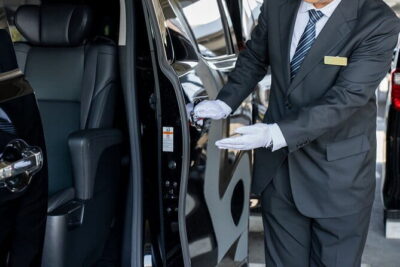
One practical plus: the service includes handy transfers from your Tokyo hotel. Even if you start from the Asakusa meeting point, it’s still meant to make the morning feel easier, not more stressful.
You can also read our reviews of more city tours in Tokyo

Price and Logistics: Up to 3 People, Extra Fees to Expect
The price is $400 per group (up to 3) for about 8 hours. Put simply, you’re paying for convenience and for saving time. If you’re traveling with two others, it can pencil out better than buying multiple separate tickets for taxis or spending that time on trains and walking.
Here’s the honest math with the costs you should plan for:
- Included: air-conditioned vehicle, fuel, and a basic English-speaking driver.
- Not included: entrance to Shinjuku Gyoen (¥500 per adult).
- Not included: Tokyo Skytree tickets (€/$ amount shown as ¥3,400 per person).
- Also not included: any tour guide services at individual sites (your driver provides insights mostly between stops).
So yes, the base price is straightforward. But Tokyo rewards planning. If Skytree and Shinjuku Gyoen matter to you, budget those entries up front so the day stays smooth.
Another logistics note that affects your expectations: the itinerary includes multiple stops, so your time at each place is limited. That’s not bad. It just means this is a “see it, feel it, photograph it, move on” day more than a slow, pick-your-own-adventure deep dive.
Getting Picked Up in Comfort, Not on Trains
This tour’s biggest win is the air-conditioned private car. Tokyo traffic and city scale can turn a “quick ride” into an all-day transit puzzle. Having a driver handle routing means you focus on what you came for: sights, walking streets, and viewpoints.
Your day also has fewer friction points than self-guided travel:
- you don’t need to constantly reload navigation
- you don’t need to time station transfers
- you can ask for changes as the day evolves
In the real world, that flexibility matters. One moment you might want more time near a market. The next, you might want to skip ahead because crowds are swelling around Shibuya.
Your 8-Hour Hit List, Stop by Stop
This route is a classic “old-meets-new” Tokyo sweep. You’ll start around Asakusa, then work your way through central Tokyo toward Shinjuku and up into modern landmarks.
Tsukiji Fish Market: a fast taste of Tokyo’s seafood world
You’ll spend about 30 minutes at Tsukiji Fish Market. Admission here is listed as free. This stop is short, but that’s kind of the point: you’re getting the feel of the market without turning the whole day into seafood logistics.
What to do with your time:
- Look at the scale of the wholesale operation and the pace of the workers.
- Keep your expectations realistic: it’s a quick sampler, not a long browsing session.
If you’re sensitive to early-morning bustle, plan to treat this as an eye-candy stop rather than a slow stroll.
You can also read our reviews of more private tours in Tokyo

Shinjuku Gyoen National Garden: imperial roots, easy park wandering
Shinjuku Gyoen is next for about 30 minutes, and it’s closed on Mondays. Admission is not included and costs ¥500 per adult.
The park’s appeal is contrast. After market energy, you get space. It was built for the Imperial family in 1906, and later opened to the public. That combination makes it feel both curated and calm.
Because your time is short, this is best approached with intention:
- walk a loop, not a mega-route
- take photos, then move on
- if Monday hits, ask your driver what’s swapped in so you still get green space without losing the day
Tokyo Skytree: the big-ticket skyline moment
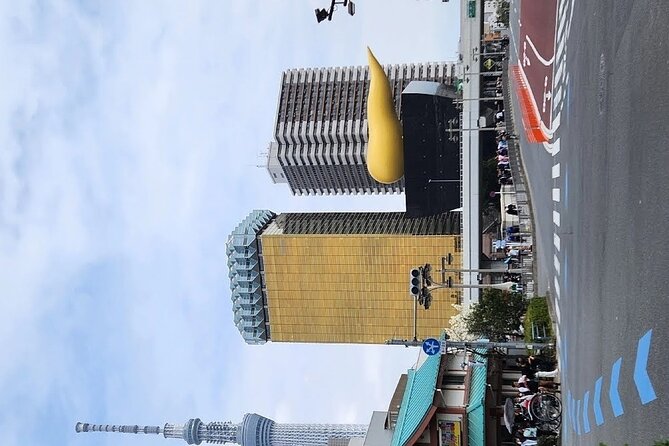
Tokyo Skytree takes about 1 hour, and admission is not included. The listed ticket cost is ¥3,400 per person.
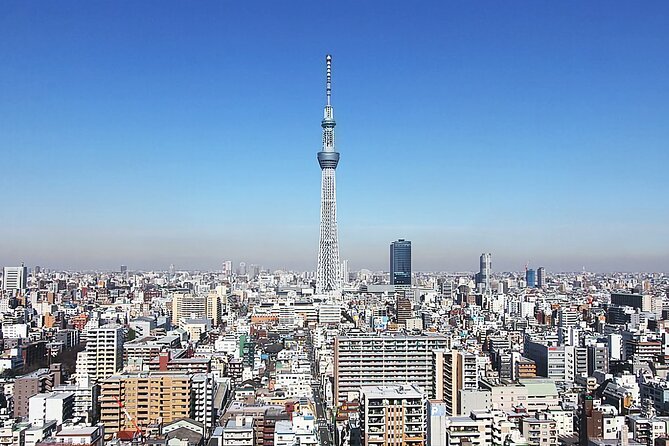
This is the stop you go to when you want Tokyo to look like a diagram: neighborhoods stacked across the horizon, lines of streets you can actually understand. With only about an hour, I recommend you prioritize the view over extra add-ons. If your goal is skyline photos, you’ll get what you need in that time.
One practical tip: plan your entry time so you’re not rushing during your hour there. The tour timing is tight, and Skytree is one of the places where people tend to queue.
Godzilla Head in Shinjuku: free pop-culture energy
Next you’ll hit Godzilla Head in Shinjuku. Admission is free, and the attraction is famous for an hourly animated roar and smoke show.
This is one of those “why is this here?” Tokyo moments that you’ll either love or skip—most people love it. The visuals and the timing-based show make it fun even if you’re not a hardcore Godzilla fan.
To maximize it:
- arrive and watch for the show timing
- don’t plan this like a quiet museum stop
Meiji Jingu Shrine: calm right beside a busy station
Meiji Jingu Shrine lasts about 1 hour and has free admission. It’s also right by the JR Yamanote Line’s Harajuku area, which makes it extra interesting: you’re walking from fast-moving city life into a shaded shrine setting.
The theme here is nature + ritual. Even if you’re not religious, the site gives you a mental reset from Tokyo’s speed. The shrine is dedicated to the deified spirits of Emperor Meiji and Empress Shoken, so there’s a sense of official reverence to the grounds.
Because you have an hour, you’ll have time for a slow walk and a decent photo stop, but not for a long, deep reading of every detail.
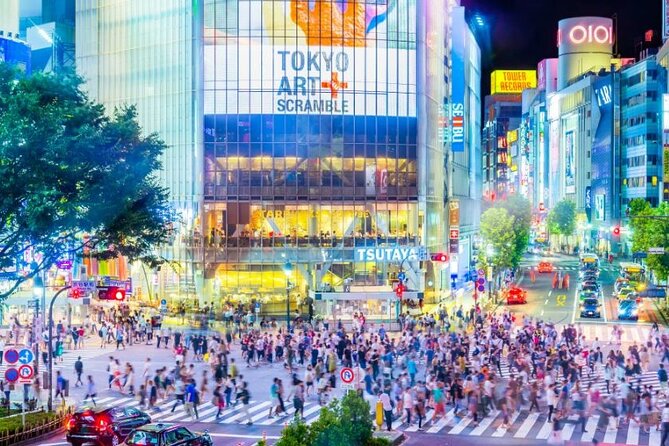
Shibuya Crossing: the classic photo stop with crowd control
You’ll spend about 20 minutes at Shibuya Crossing, and it’s free. This is the intersection you’ve seen in movies and on social media for a reason. At peak times, it can involve an estimated 1,000 to 2,500 people all crossing at once.
Since your time is limited, focus on one thing: watching the choreography. You don’t need to do everything. You need one good vantage point, a quick sense of the scale, and then move on before the scene gets exhausting.
Takeshita Street: Harajuku shopping and sweet snacks
Next is Takeshita Street, around 2 hours. It’s free and built for window shopping and people-watching.
The vibe is youth fashion, loud colors, and fast foot traffic. One reason this stop works in a private tour is the time block: you get enough time to wander, browse, and maybe grab something to eat without the pressure of catching trains.
If shopping isn’t your thing, use the time anyway. It’s one of the easiest ways to feel Tokyo pop-culture without booking a ticket or a reservation.
Tokyo Metropolitan Government Building: a skyline view without the entry cost
You’ll stop at the Tokyo Metropolitan Government Building observation decks for about 30 minutes. Admission is free.
This is a smart move if you want skyline views without spending Skytree money. And it balances out the day: you’ve already seen the iconic landmark tower. Here you get another angle, often with a calmer vibe since it’s not the one everybody rushes to.
Aim for your photos first, then enjoy the view.
Giant 3D Cat Billboard: quick, silly, and fun
This is a short 10-minute stop at the giant 3D cat display billboard in Shinjuku. Admission is free.
The cat display is described as a realistic calico that appears to jump, stretch, and meow. It’s a tiny stop. It’s also exactly the kind of odd Tokyo thing you’ll remember.
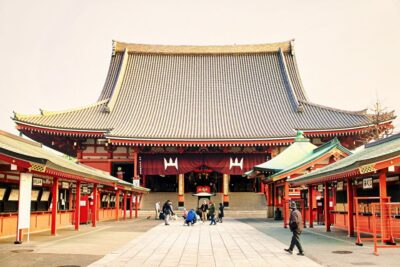
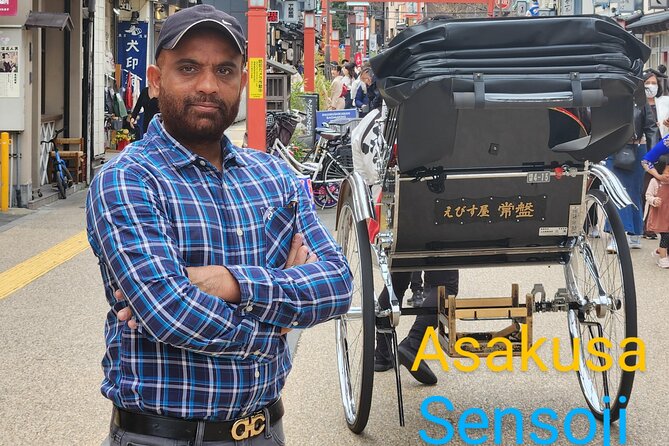
Senso-ji Temple: Asakusa’s centerpiece to wrap the day
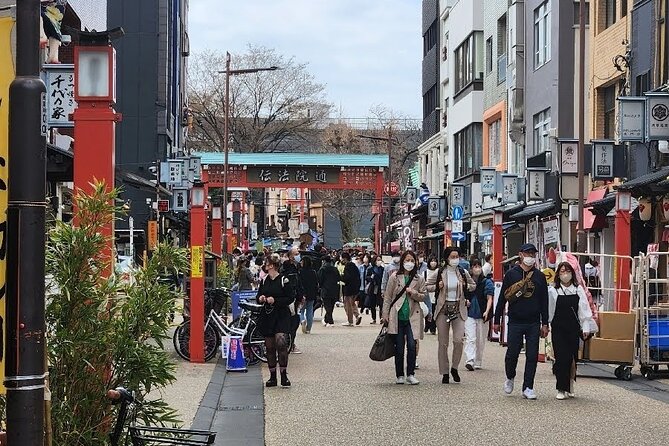
Finally, you end at Senso-ji Temple in Asakusa. It’s about 1 hour and free.
This is one of Tokyo’s biggest and most popular temples, known for its colorful atmosphere. The famous founding legend is tied to the year 628, when two people found something connected to the temple’s story.
With an hour, you’ll have time for the main approach, the key temple area, and photos. Then the tour ends back at the meeting point area around Asakusa.
Guides Matter: English Support That Turns Stops into Stories
This tour works when the driver turns transit time into context. The tour description frames the driver as providing basic English and most insights while you’re in the car between destinations.
That can be enough if you’re the DIY type who just wants directions and timing. But what really makes the experience better is a driver who goes beyond the windshield and narrates each stop while you’re on your feet.
You might be lucky and get a guide like Mazz, Vohra, Faris, Talil, Shehzed, Abdul, Khizar, or Miae. The names above show up as guide credits in the experience, and they’re described as enthusiastic, friendly, and hands-on—some even getting out to explain what you’re looking at.
If you care about learning little Tokyo facts while walking, this is a big reason to choose a private setup rather than a self-guided loop.
Crowds, Timing, and When You Should Shift the Day
With a day that includes Shibuya, Harajuku, and major landmarks, crowd management is your secret weapon.
A useful scheduling idea that has worked for people doing this route: plan for a starting time that gets you through busier intersections before they peak. One suggestion was a roughly 7am to 3pm style day to reduce crowd stress. If you can pick a time window, that kind of thinking helps.
Also, keep a simple expectation in mind: this itinerary is packed. If you hate rush energy, ask your driver early how they’ll adapt the order if one stop is too crowded.
And don’t forget the Monday factor: if you’re booking on Monday, Shinjuku Gyoen is closed, so your driver may replace that time.
Who This Tour Suits Best (and Who Might Want Something Different)
This is a strong match if you:
- are visiting Tokyo for the first time and want the main highlights
- have limited time and want to see multiple neighborhoods in one day
- want an easy day with private attention and fewer transit transfers
- travel with people who may not enjoy long walks and train changes
It can also be a great family plan. One guide experience on this tour style mentions doing well with families and making things work for different needs.
But I’d steer you toward something else if:
- you want a slow, unhurried tour where you spend half your day at one site
- you hate paying extra for attractions like Skytree and Shinjuku Gyoen
- you’re okay doing public transit navigation all day and want maximum control for a lower total cost
Should You Book This Tokyo Private Tour?
If you value time and comfort, I’d book it—especially for a first visit. You’re buying an 8-hour structure that mixes iconic sights with playful Tokyo surprises, and you’re doing it from one home base mindset rather than a train maze.
Do book it with open eyes on cost. The route includes several free stops, but Skytree and Shinjuku Gyoen are real add-ons. If those are top priorities for you, the day becomes easier to justify.
Also, if you can choose your start time, think crowd strategy. A schedule that avoids peak surge at places like Shibuya can make the same stops feel way more enjoyable.
FAQ
Can I cancel for a full refund?
Yes. You can cancel up to 24 hours in advance of the experience for a full refund.
How many people are in a group?
This is a private tour/activity, and the pricing is per group up to 3 people.
How long is the tour?
The duration is about 8 hours.
Is the tour guide included at each site?
No. Entry fees and tour guides at individual sites cost extra. Your driver provides insights mostly while you’re traveling between destinations.
Are hotel pickups included?
The tour summary indicates handy transfers from your Tokyo hotel, and the activity also lists an Asakusa meeting point as the start and end location.
What attractions cost extra?
Shinjuku Gyoen has an admission fee listed at ¥500 per adult, and Tokyo Skytree has a listed ticket price of ¥3,400 per person.
Are there any schedule limitations?
Yes. Shinjuku Gyoen National Garden is closed on Mondays.