REVIEW · TOKYO
Tokyo: Private Walking Tour with a Local
Book on GetYourGuide →Operated by Lokafy · Bookable on GetYourGuide
Tokyo gets easier with one local in charge. The big win here is that I love the 100% private format—no scripts, no group shuffle—and I also like how many guides turn the walk into real-life transit help, like showing you how to handle subway tickets and get moving with confidence (David and Lily’s subway tips are a great example).
One thing to consider: this is still a walking tour, and while the guide is included, costs for entrance fees, meals, and any optional stop tickets aren’t. If you’re hoping for lots of ticketed attractions, bring a little extra budget and a plan for breaks.
In This Review
- Key points to know before you go
- What 100% private walking really changes in Tokyo
- Meet your Lokafyer: pickup, languages, and a plan you control
- The hidden superpower: learning the subway (and not losing your day)
- Neighborhood routes you can shape: temples, backstreets, gardens, and modern Tokyo
- Shibuya and Harajuku: style, views, and quick energy
- Shinjuku and Ikebukuro: big-city stepping stones
- Asakusa and older customs: calmer Tokyo texture
- Meiji Jingu and gardens: peaceful breaks that still feel active
- Markets and street culture: the “what it feels like” part
- Food and cafés: what you’re really paying for
- Views, photo moments, and ticketed stops (what costs extra)
- How to choose your duration: 3, 4, or up to 8 hours
- Price and value: what $82 per person buys you
- Best fit: who should book this private walking tour
- Final call: should you book this Tokyo local walking tour?
- FAQ
- How long is the Tokyo private walking tour?
- Is the tour private or are there groups?
- Where does pickup happen?
- What languages are the guides available in?
- Are entrance fees and meals included?
- Is transportation included?
- Is there free cancellation, and until when?
Key points to know before you go
- No fixed route: your walk changes based on your interests and how you’re feeling that day
- Transport coaching included: subway and ticket know-how shows you how to keep exploring solo
- Local flavor over checklist tourism: you can aim for quiet streets, small cafés, and neighborhood stories
- Photo stop + scenic wandering: expect viewpoint moments built into the route you choose
- Guides match your vibe: from kimono/culture focus (like Siih) to upbeat, flexible pacing (like Amanda)
- Private means personal pace: rest stops and detours feel natural, not rushed
What 100% private walking really changes in Tokyo
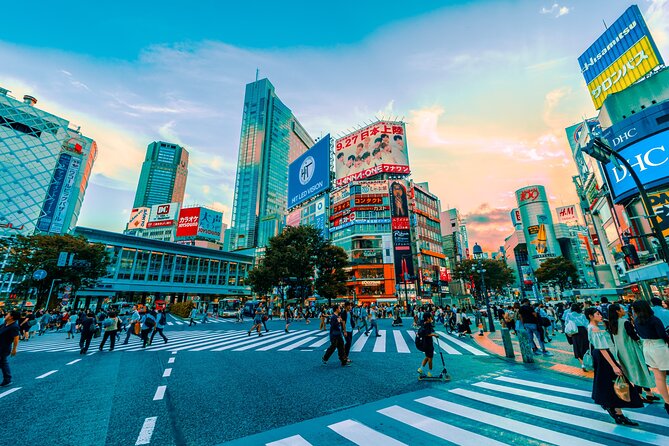
Tokyo can feel like a video game: everywhere you look, there’s something to click. The problem is you end up spending your energy scanning for signs instead of enjoying the places. This tour fixes that by pairing you with a local guide and letting your day become about you, not about a pre-set checklist.
Because it’s private, you don’t get stuck with the slowest or fastest person in the group. You also don’t have to pretend to care about something you don’t. If you want street art, you can go that way. If you want temples and older customs, you can steer there. And if you’re on your first day and just want orientation, that’s a valid goal too.
You can also read our reviews of more walking tours in Tokyo


Meet your Lokafyer: pickup, languages, and a plan you control
Your guide meets you at your chosen location as long as it’s in or near the city center—your hotel, a landmark, or even a quieter café. That matters more than it sounds. Tokyo’s transit is complex, so starting with a smooth first step reduces stress fast.
You can request the tour time, and the guide speaks Spanish, English, or French. If you’re using the tour for practical communication and navigation help, this language support is a real convenience—not a small detail.
Most importantly, you can show up with questions, specific interests, or no plan at all. That flexibility is why guides often tailor routes to requests like rail pass troubleshooting, a high-rise view, a garden stop, or a culturally themed route. You’re not locked into one answer; your day becomes a conversation.
The hidden superpower: learning the subway (and not losing your day)
In Tokyo, the subway is both your best friend and your biggest brain teaser. Even people who are confident travelers often get overwhelmed by stations that feel like whole cities inside cities. A huge reason this tour earns strong marks is that it’s not only a sightseeing walk—it’s also a navigation lesson.
You’ll get help with things like:
- how to use the subway system
- how to interpret station flow when you’re transferring
- how to handle rail passes and tickets
- how to follow your route without second-guessing every sign
You can see this focus in real examples: Jennifer got practical subway help, Katherine’s guide helped with rail pass + metro use, and Eduardo-style guidance around Shinjuku station ticket steps can save you real time later.
Here’s what I think you’ll appreciate: once you learn the logic of getting from A to B, Tokyo changes from chaos into routine. The guide can even point out how to avoid common confusion before it happens.
Neighborhood routes you can shape: temples, backstreets, gardens, and modern Tokyo
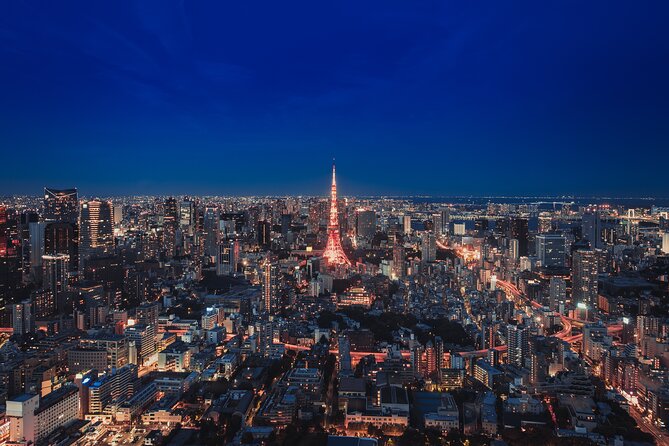
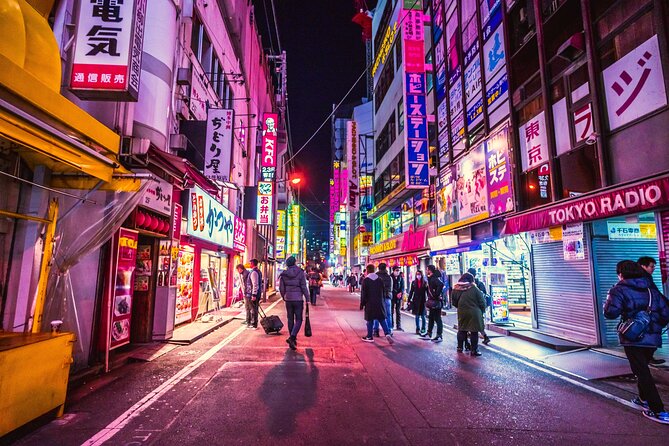
Because the route is personalized, the “itinerary” becomes a menu of possibilities. You might do a classic Tokyo day with temples and traditional areas, or you might lean hard into the modern parts: crossings, shopping streets, street art, and food lanes.
Below are the kinds of stops your guide can build around your interests—plus what to watch for.
Shibuya and Harajuku: style, views, and quick energy
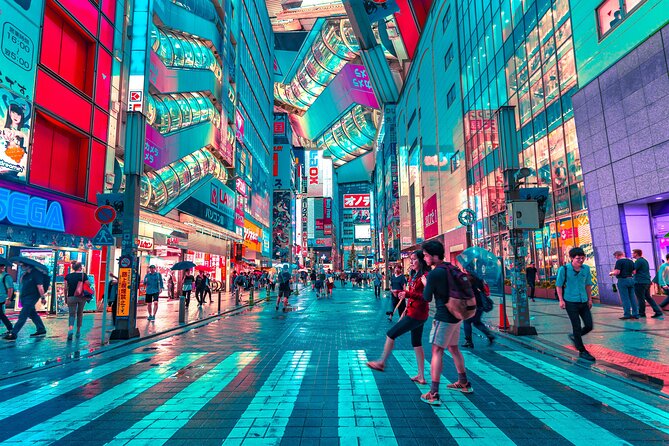
Shibuya is fast, loud, and iconic, but a guided approach helps you see it without feeling trapped. One guide plan included a viewpoint over Shibuya Crossing from a tower, plus a café stop—exactly the kind of combo that makes a first visit feel complete without spending your whole day in a crowd.
If you want it more playful, there are also examples of detours like cat café visits and street-food-ish neighborhood wandering. The potential drawback? Shibuya areas can be crowded, and your walk time can feel longer if you stop to shop or take lots of photos. That said, with a private guide, you can adjust pace.
You can also read our reviews of more private tours in Tokyo



Shinjuku and Ikebukuro: big-city stepping stones
Shinjuku is where Tokyo’s scale hits you. It’s also where learning transit basics pays off. One standout experience included help getting to Shinjuku station and explaining ticket processes—so the day isn’t just “see Shinjuku,” it becomes “know Shinjuku.”
Ikebukuro can fit a more niche interest too. One guide route matched a Pokémon center request, showing how the tour can work for people who want Tokyo’s pop culture side, not just its postcard scenes.
Asakusa and older customs: calmer Tokyo texture
If you’re chasing old Tokyo, a temple-focused route can add a completely different mood from the neon districts. Some guide plans included Asakusa temple time and older customs alongside practical walking suggestions—so you’re not only taking in sights, you’re learning how neighborhoods connect.
The drawback here is distance. Temple areas often mean extra walking between points, and you’ll want comfortable shoes and a realistic pace for the length of your tour.
Meiji Jingu and gardens: peaceful breaks that still feel active
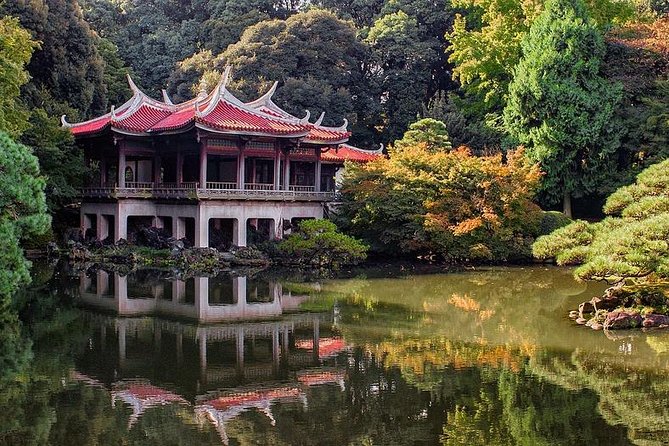
A nature-and-culture blend is common in these customized walks. One example route included Meiji Jingu and gardens for a beautiful, calmer feel. That’s a great use of guided time because the walk can be longer than expected, and a guide can help you keep moving without burning out.
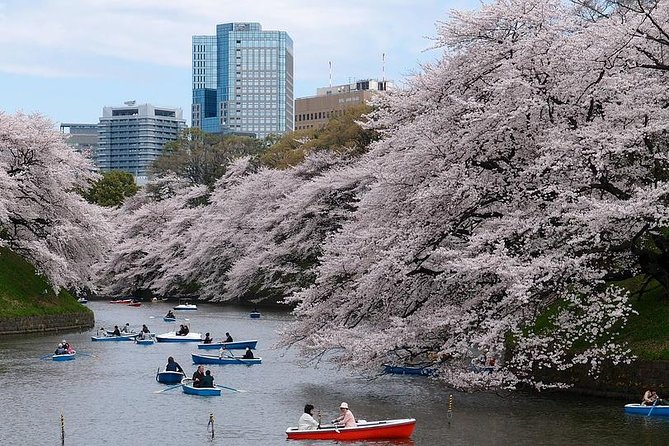
If you want cherry blossoms, you can also aim for park time. One experience plan combined public transport and walking plus a blossoming park stop—good strategy if you want pretty scenery without turning your day into a scramble.
Markets and street culture: the “what it feels like” part
Some routes can include old Tokyo markets or backstreets that are easy to miss on your own. This is where the local guide matters most. The point isn’t just to see stalls; it’s to understand what the street means and how locals move through it.
Potential drawback: markets and backstreets can require more walking and standing, especially if you pause for photos or want to browse. The upside is you get a Tokyo feel you won’t get from photos alone.
Food and cafés: what you’re really paying for
Meals and drinks aren’t included, but the food guidance often is the difference between a generic restaurant choice and a great one. Many guide experiences included lunch at a small local spot or a specific café recommendation, often paired with neighborhood context.
For example, there were plans that included:
- an excellent lunch spot that matched what the day was aiming to show
- coffee stops that became part of the route, not a random detour
- even help finding a more low-key sushi place near Shibuya, with real-world logistics like how long you’d wait
My advice: treat the food stop as part of your route strategy. If you tell your guide what you like (or what you don’t), they can guide you toward places that make sense for the area you’re in and the time you have.
Views, photo moments, and ticketed stops (what costs extra)
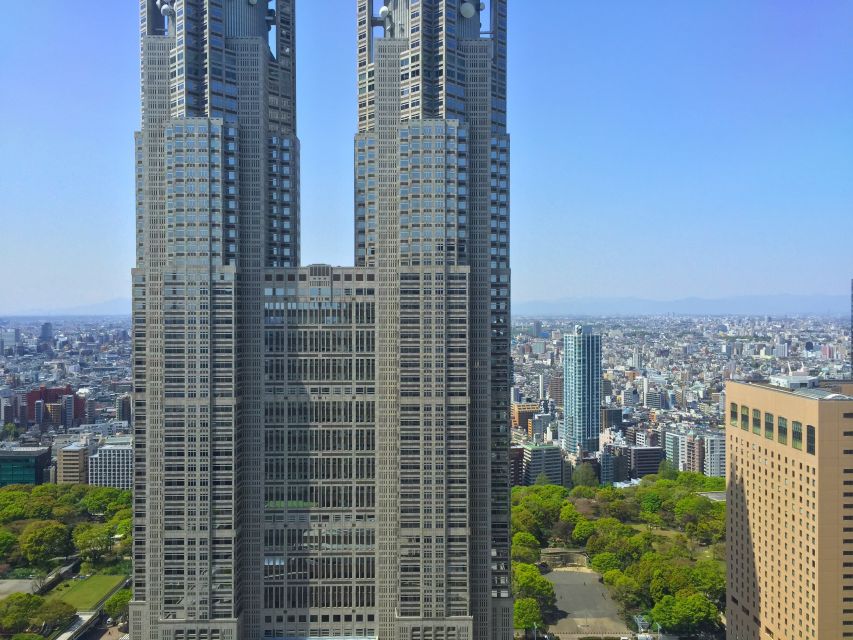
A lot of tour plans naturally include scenic viewpoints and photo moments. If you’re interested in high-rise views, one guide route included an aerial view from a tower near Shibuya—an efficient way to see city scale without spending half a day searching.
If you want to add attractions with entrance tickets, note this clearly: entrance fees for the local guide aren’t covered, and you’ll need to cover those costs if you include a ticketed site. The tour is still walking-based, so you’re usually trading time and steps for that extra “one special stop” feeling.
Practical takeaway: if you have only 3–4 hours, pick one big ticketed attraction max. If you have 6–8 hours, you can mix a major site with a few neighborhood hits.
How to choose your duration: 3, 4, or up to 8 hours
This is one of those tours where time choice really affects the shape of your day.
- Around 3 hours: best for getting your bearings fast—one neighborhood focus, practical subway/ticket guidance, and a couple of key photo or cultural moments. Example-style plans included routes that hit multiple areas in a short window.
- Around 4 hours: a sweet spot for orientation plus a more meaningful add-on, like gardens or a longer walking stretch.
- 6–8 hours: gives room for more than one “Tokyo mood,” such as modern shopping districts plus older customs, plus a food stop and slower pacing with rest breaks.
One more honest point: longer tours can be wonderful, but only if you plan for breaks. Several guides adjusted pacing for comfort, including cases where people needed extra rest time.
Price and value: what $82 per person buys you
$82 per person for a private guide in Tokyo isn’t cheap, but it can be good value—if you’ll use the guide’s strengths.
Here’s where the money tends to pay off:
- you’re not paying for a lecture; you’re paying for a day-shaped plan
- you get hands-on navigation help, which saves time and reduces wrong-turn stress
- you’re not stuck with a route you don’t care about
- your guide can match your pace, interests, and even weather-day reality
If you’re the kind of traveler who wants to return home with “I figured out how to move around Tokyo,” this tour can do that. The best value usually comes when you arrive with a few priorities—like a neighborhood you want to master (Shinjuku, Shibuya, Asakusa), a style you want (street culture, temples, gardens), and one or two “must-do” requests.
If you’d rather just drift and never ask questions, you may not use the private format as much. But if you want real conversation and practical takeaways, this is exactly the setup.
Best fit: who should book this private walking tour
This tour is a strong match if you:
- are in Tokyo for the first time and want a smarter start
- don’t want your day hijacked by a group schedule
- feel unsure about navigating trains and station transfers
- care about local life—how people move, eat, and experience neighborhoods
- want flexibility for weather, energy, or changing interests
It’s also a good option for people who need extra patience and pacing. Several guides were praised for being accommodating and easy to work with—important when you’re walking a lot.
For families, children under 3 can join free, and children age 3–12 get a 50% discount.
Final call: should you book this Tokyo local walking tour?
If your goal is to understand Tokyo beyond photos—plus leave with the confidence to navigate on your own—yes, this is worth a serious look. The private format and the transport help are the two big reasons it works.
Book it especially if you want:
- a custom route (not a fixed script)
- local food and café recommendations that match where you are
- subway and ticket help so you can roam independently right after
Skip it only if you want zero walking, you only want major ticketed attractions, or you don’t plan to ask questions. Otherwise, bring comfortable shoes, bring curiosity, and let your Lokafyer shape the day.
FAQ
How long is the Tokyo private walking tour?
It runs for 3 to 8 hours. You can check availability to see starting times.
Is the tour private or are there groups?
It’s 100% private. There are no groups, and the route is personalized to you.
Where does pickup happen?
Pickup is included, and your Lokafyer will meet you at your preferred location as long as it’s in or near the city center (hotel, an iconic landmark, or a quiet café, for example).
What languages are the guides available in?
The live guide is available in Spanish, English, and French.
Are entrance fees and meals included?
No. Entrance fees, meals and drinks, and optional activity costs are not included.
Is transportation included?
No. Personal transportation costs are not included.
Is there free cancellation, and until when?
Yes. You can cancel up to 24 hours in advance for a full refund.