REVIEW · TOKYO
Tokyo: Private Custom Insider Tour with a Local Host
Book on GetYourGuide →Operated by City Unscripted · Bookable on GetYourGuide
Tokyo can feel like sensory overload.
That’s exactly why this private custom walking tour works so well: you steer the day, and your host fills in the gaps between the famous sights and the Tokyo you actually want to see. I especially like the chance to mix street food stops with off-the-beaten-path streets, and I also love the built-in pace control. The one drawback to plan for is simple: it’s a walking tour, so you’ll want comfortable shoes and you may need extra public transport costs between neighborhoods.
I like that the route isn’t fixed in stone. Your host starts by learning what you care about, then builds a day that can swing from old-school spirituality in Asakusa to tech and pop culture around Akihabara, or fashion backstreets in Harajuku. If you want a rigid checklist tour with zero decision-making on your end, this may feel too flexible. If you want a personal Tokyo day, that flexibility is the point.
In This Review
- Key Things I’d Bet On Before You Book
- Why This Private Tokyo Walk Feels Like a Day With a Friend
- Meeting Point in Shibuya, With Optional Hotel Pickup
- The Pre-Tour Questionnaire: How Your Interests Shape the Route
- Asakusa and Senso-ji Temple: Old Tokyo Starts Here
- Ameyoko Market: Street Food Energy and Odd Finds
- Akihabara for Gaming and Tech Fans (Yes, Even If You’re Not an Expert)
- Harajuku Backstreets: Fashion, Youth Culture, and Side-Alley Stops
- Food as a Strategy: Yakitori, Mochi, and Restaurant Finds
- How Flexibility Actually Works During Your Day
- English (and Japanese) Guide Help: Etiquette, Translation, and Transit Confidence
- Price and Value: What $95 Buys You (and What It Doesn’t)
- Who This Tour Fits Best in Your Trip
- Should You Book This Private Custom Insider Tour?
- FAQ
- How long is the private tour?
- Is this tour in English?
- Where does the tour meet if I don’t do hotel pickup?
- Is it only walking?
- Is food included?
- Can I customize the itinerary?
- What’s the cancellation policy?
- Can I book without paying right away?
- Will my guide help with transit and cultural etiquette?
Key Things I’d Bet On Before You Book
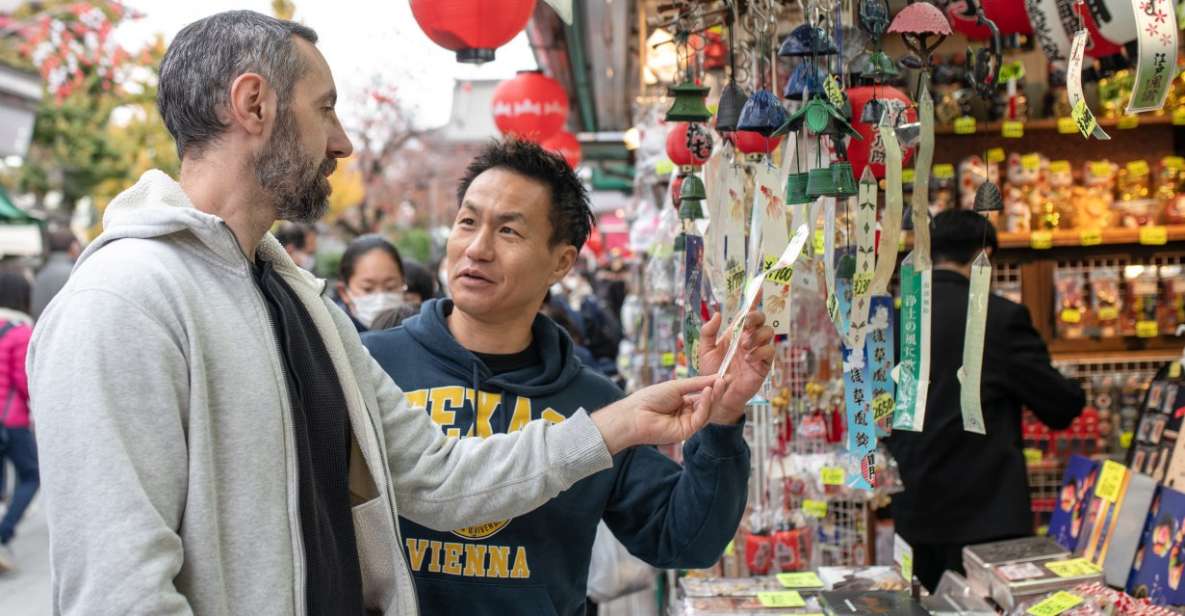
- A like-minded host, matched via a pre-tour questionnaire so the day doesn’t feel generic
- Asakusa to street markets to pop culture districts, often in one smooth arc
- Local food tastes built into the walk, including small bites like yakitori and mochi
- Real-world navigation help, including how to move through trains and neighborhoods efficiently
- Spontaneous detours when something catches your interest (a side alley, a quiet garden, a view)
Why This Private Tokyo Walk Feels Like a Day With a Friend
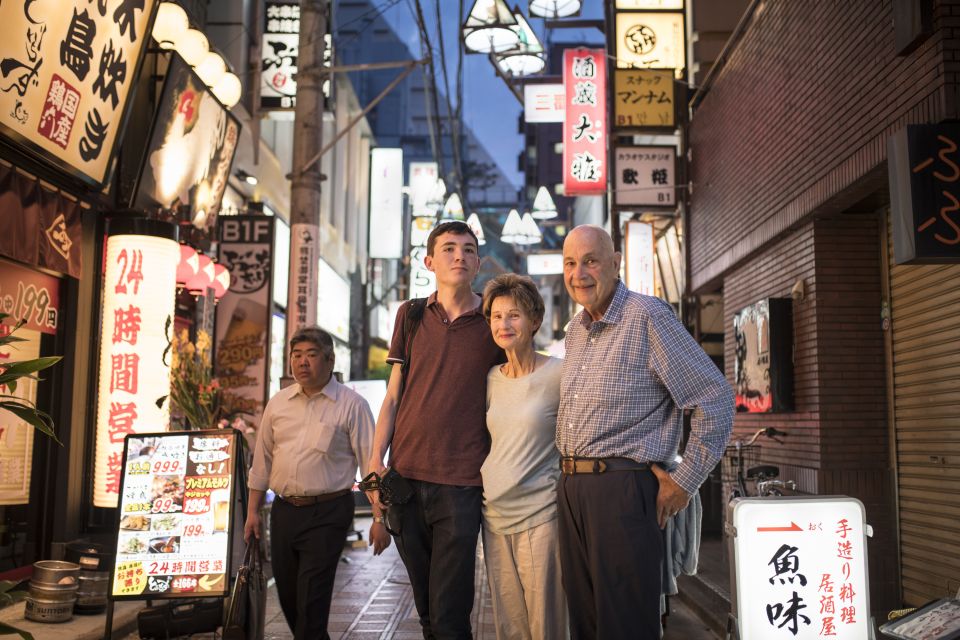
Tokyo’s biggest trick is that it looks straightforward on paper and feels chaotic in real life. This tour attacks that problem with a simple approach: one local host, your pace, and an itinerary that bends around your interests instead of forcing you into someone else’s plan.
Two things stand out for me. First, you’re not stuck with a script. The day can include the obvious hits (like Senso-ji in Asakusa) and also the smaller stops that make Tokyo feel personal—alleyways, artisan shops, odd little corners you’d miss on your own. Second, the host doesn’t just point. They explain what you’re looking at, including etiquette and practical context that helps you move through neighborhoods without feeling lost.
The trade-off: since it’s private and customized, the experience depends on your communication. If you show up with clear preferences (food, anime, temples, shopping, photography), you’ll get the best day. If you show up with zero direction, your host can still help—but you’ll have less control over the flavor of the day.
You can also read our reviews of more private tours in Tokyo



Meeting Point in Shibuya, With Optional Hotel Pickup
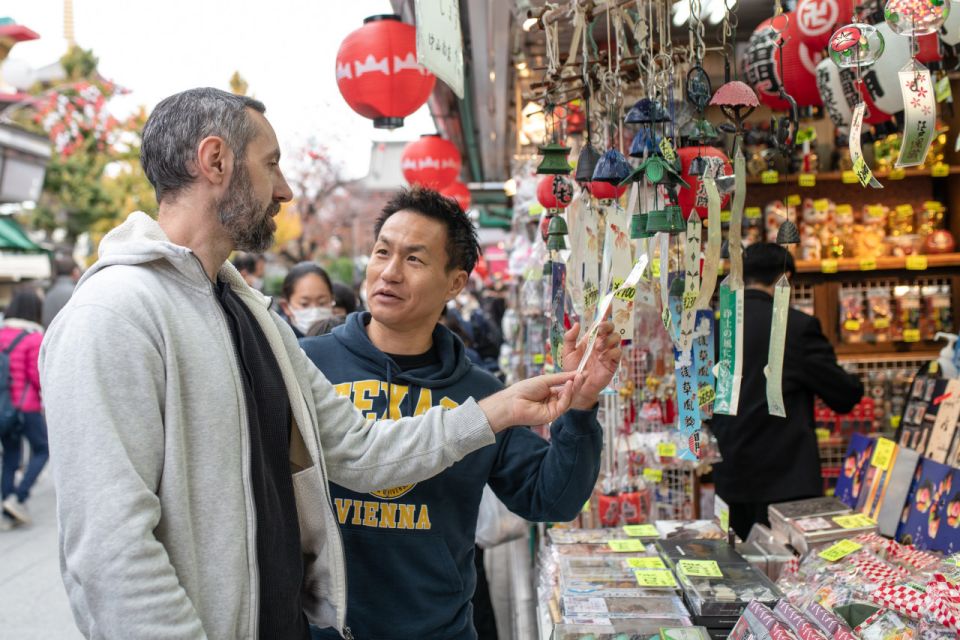
Logistics are usually where Tokyo tours get annoying. Here, you have two ways to start:
- Hotel pickup can be arranged for any central Tokyo hotel
- Or you can meet at SHIBU HACHI BOX (2 Chome-1-1 Dogenzaka, Shibuya City, Tokyo 150-0043)
Why that matters: starting location affects how smoothly your tour connects zones. Since Tokyo neighborhoods are so distinct, getting the start point right can save you time, reduce backtracking, and keep your day from feeling like constant train transfers.
One more practical note: this is walking-only for the core tour. A public train or taxi might be used to transfer between areas, and the cost may come up after your reservation is confirmed. In other words, budget for some transit during the day if your route spans multiple districts.
The Pre-Tour Questionnaire: How Your Interests Shape the Route
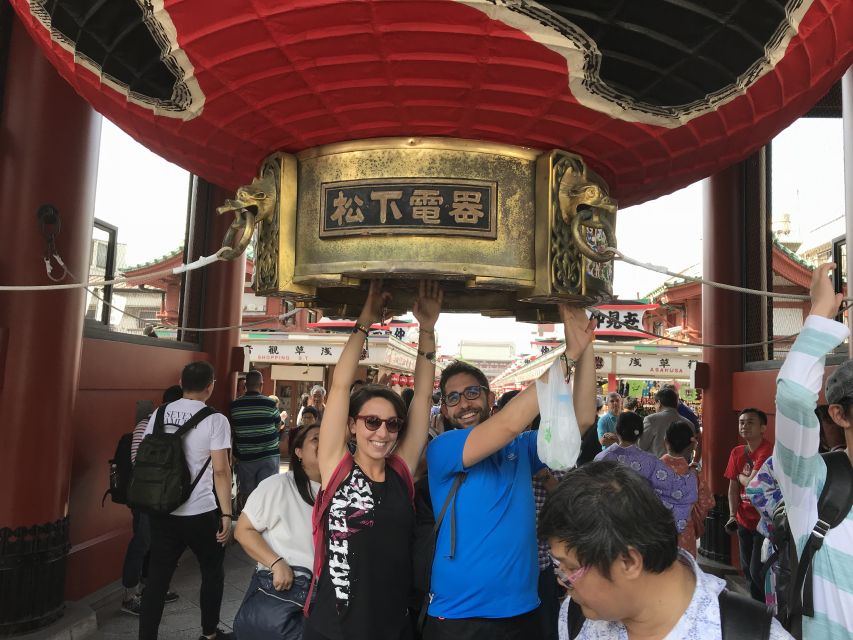
Before you go, you’ll get a questionnaire about your personality and interests. Based on that, you’re matched with a host who can build an itinerary that feels like it was designed for you—not a generic version of Tokyo.
This can be surprisingly powerful. One day you might want old Tokyo streets and temple atmosphere; another day you might want anime/gaming culture, youth fashion, or a food route that focuses on local snack energy. Your host then helps translate those preferences into a walkable plan.
I also like that hosts can respond to real constraints. I’ve seen examples of guides meeting early to plan route and transit, and being patient while explaining how to use the train system correctly. There’s even evidence that guides can help with a wheelchair situation by managing the practical realities of getting around and demonstrating basic respect in cultural moments. That’s a comfort factor if you have mobility needs or you’re just worried about doing Japan perfectly.
Asakusa and Senso-ji Temple: Old Tokyo Starts Here
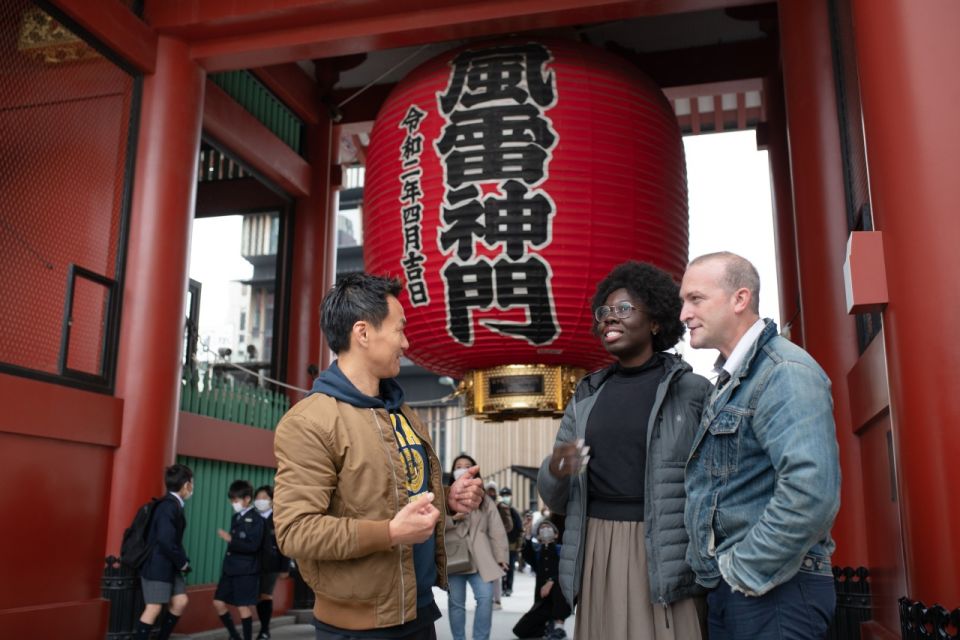
Many first-timer itineraries rush through temples. This one treats Asakusa as a foundation for understanding Tokyo.
Senso-ji is the centerpiece: you’ll walk in the orbit of a major temple area where history and daily life overlap. Even if you’ve seen photos, being there in person changes the experience. The atmosphere feels lived-in, not staged.
From there, your host can steer you toward what you like. Some people want the cultural meaning and respectful behavior. Others want the street energy and shopping side of Asakusa. Since this is private, your host can calibrate the balance.
A practical consideration: temple districts mean crowds at peak times. This isn’t a problem, but it does affect how much walking feels comfortable. Since your host can take detours, you’re more likely to find breathing room than if you’re locked into a busier route.
Ameyoko Market: Street Food Energy and Odd Finds
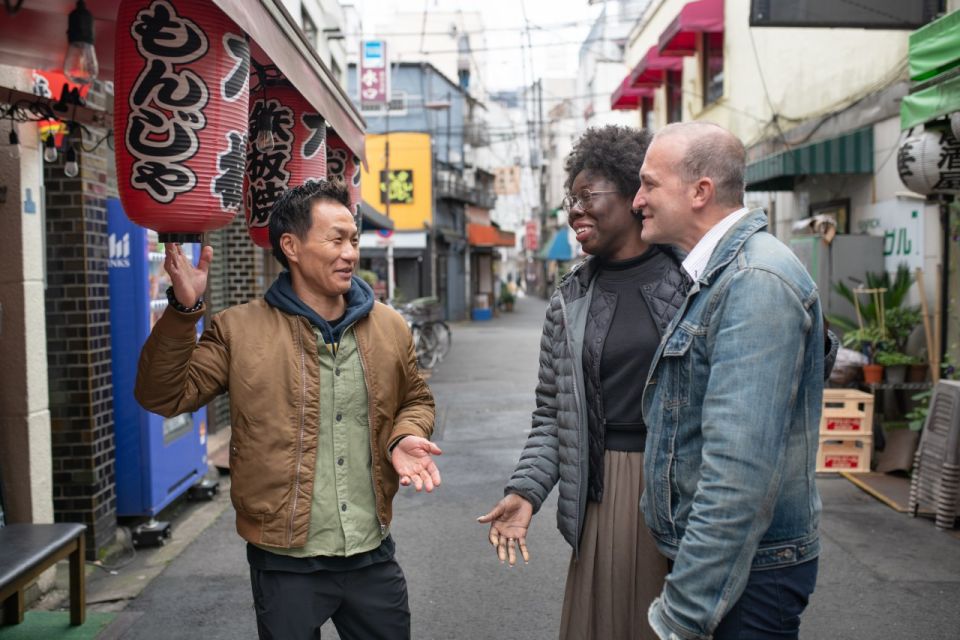
After the temple atmosphere, the tour often shifts into Ameya-Yokocho Market territory—street market life that feels nostalgic and full of small discoveries.
This is where the tour earns its keep for food lovers. The plan commonly includes stopping for street-food tastes and walking through the kinds of vendor alleys that don’t show up on every “Tokyo highlights” map. You might sample things like savory yakitori or sweet bites such as handmade mochi from a smaller stall.
What I like most: the host doesn’t just say where to buy. They help you understand what you’re looking at, how the market experience works, and how to keep your day flowing without wasting time. It’s a big deal when you’re trying to taste without turning it into a stressful food scavenger hunt.
Tip for you: if you have allergies or strong dietary restrictions, communicate them early. The tour includes food tastes, but the exact choices will depend on what your host finds locally and what’s available that day.





Akihabara for Gaming and Tech Fans (Yes, Even If You’re Not an Expert)
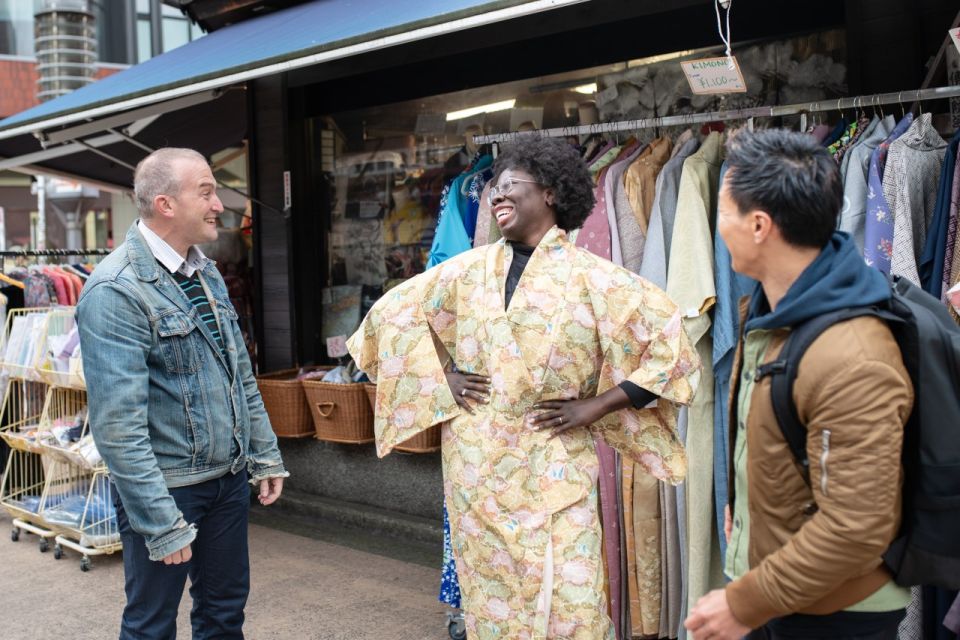
If you’re into anime, gaming, or tech pop culture, Akihabara is one of the easiest neighborhoods in Tokyo to get excited about—and one of the easiest to feel overwhelmed by if you don’t know what you’re looking for.
This tour’s approach is to make Akihabara legible. Your host can point you toward the parts that match your interests, whether that means retro game energy, gadget browsing, or the pop culture style of the area. You don’t have to be a fanatic to enjoy it. You just need someone to help connect what you see with what it means in Tokyo.
A small trade-off: Akihabara can be visually intense. If you’re sensitive to crowds, bright lights, or loud stores, tell your host at the start. A good host can pace you and choose quieter side streets.
Harajuku Backstreets: Fashion, Youth Culture, and Side-Alley Stops
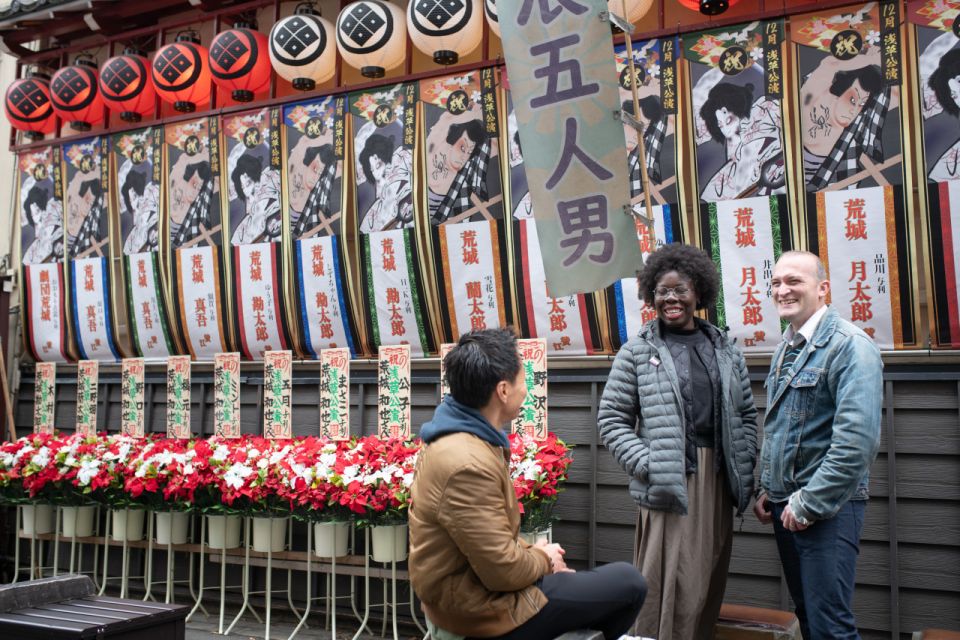
Harajuku is famous, but it’s also easy to experience as a photo stop. The value of a private guide is that you can go beyond the main drag and see the smaller lanes where style and personality show up.
In a customized plan, Harajuku can become a fashion walk with real texture—backstreets, unique storefronts, and side areas that feel less like a mall and more like a living fashion conversation. If you’re into shopping, this kind of guided stop helps you find places you’d never guess existed.
One detail I appreciate: a host can also shift Harajuku depending on your mood. Want to slow down and take a break? You might stop for a small teahouse moment. Want an extra view? You might be guided toward rooftop viewpoints that many people miss.
Food as a Strategy: Yakitori, Mochi, and Restaurant Finds
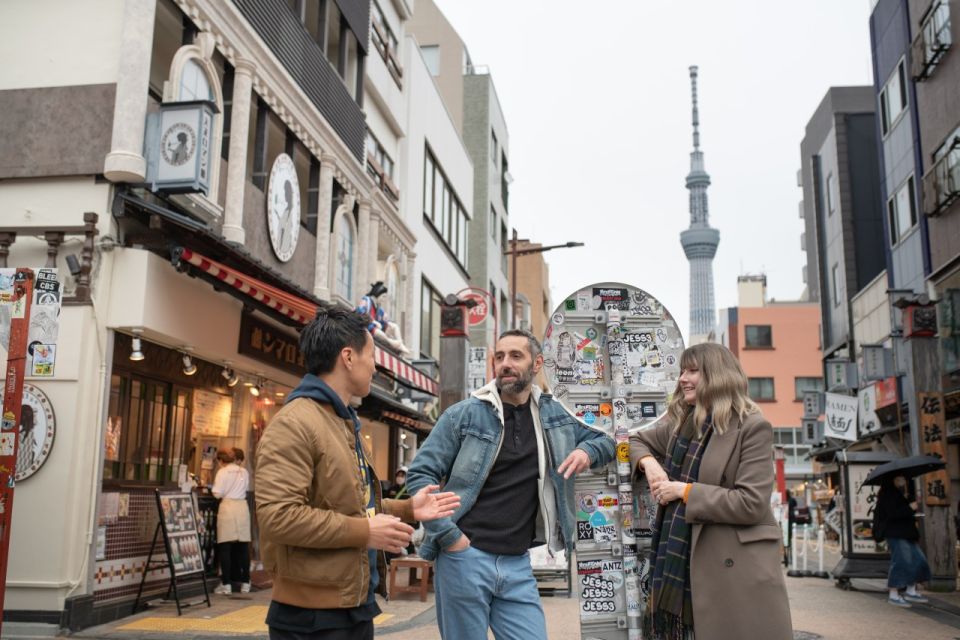
This tour is built around Tokyo food as part of the experience—not an afterthought. That’s why guests consistently talk about the quality of the food and the restaurant choices.
The tour commonly includes food tastes in markets and along walking routes. Depending on your preferences, you might end up with a snack stop that fits your style, from savory street bites to sweet handmade treats like mochi. Some hosts also help you land on lunch spots that feel authentic and hard to find alone.
What’s not included is equally important: additional food, drinks, or attraction tickets beyond what’s included in the experience are on you. So think of this tour as smart guidance plus some included tastes, not an all-you-can-eat Tokyo buffet.
If you like shopping while eating, you’re in luck. I’ve seen examples of hosts helping with quick purchases and even practical needs like shipping souvenirs home. That matters if you buy more than a postcard.
How Flexibility Actually Works During Your Day
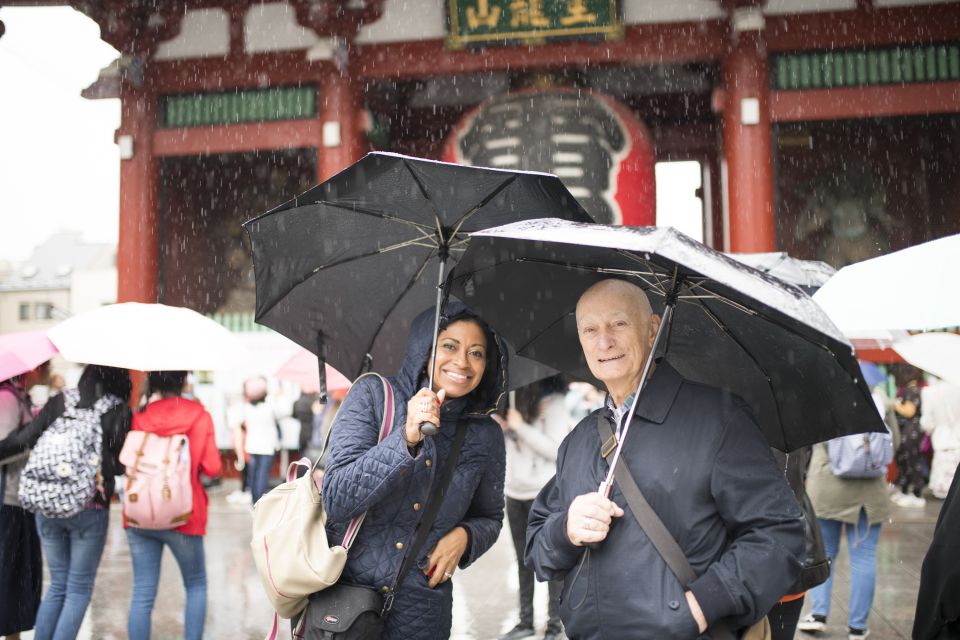
“Flexible” can mean nothing if a tour still stays on rails. Here, flexibility is real because it’s private and the host can adjust the plan based on your energy level and interests.
That can look like:
- lingering in quieter areas instead of rushing
- taking spontaneous detours into side alleys
- switching from a busy street to a calmer pocket nearby
It can also mean that your host can add small cultural pauses—like a moment in a quiet Zen-style space or a short explanation that makes what you’re seeing feel more meaningful.
The best part for you: you don’t have to choose in advance. You can be excited, then tired, then excited again, and the day can adapt.
English (and Japanese) Guide Help: Etiquette, Translation, and Transit Confidence
Language support is included: guides work in English and Japanese. That matters because Tokyo etiquette and transit rules can be confusing when you’re stressed or tired.
I really like the way some hosts use practical explanations: how to use trains, how to read signs, and how to move respectfully through cultural spaces. One example involved extra patience and thorough answers when someone asked lots of questions. Another involved helping a guest work on their Japanese and providing translation when needed.
Even if you don’t speak Japanese, this kind of help can change your entire trip. The goal isn’t to make you fluent. The goal is to make you feel capable—so Tokyo stops feeling like a puzzle you must solve alone.
Price and Value: What $95 Buys You (and What It Doesn’t)
At $95 per person for 3 to 8 hours, the value is strongest when you use the private, customized element well.
Here’s how to think about it:
- You’re paying for one-on-one planning based on your interests
- You’re getting a local’s route choices and food guidance
- You’re saving time trying to figure out what to do next
- You’re also paying for the convenience of a private pace
What’s not included:
- attraction tickets beyond what’s part of the experience
- extra meals and drinks beyond included tastes
- transportation costs for transfers (walking is the core, but trains/taxis may appear)
So the best way to judge the price is this: if you’d otherwise spend hours planning districts, matching foods, and building a coherent route, this tour can feel like a shortcut that also improves the quality of the day. If you just want a quick checklist and you already know Tokyo well, a cheaper group option could make more sense.
The ratings—4.8 with 213 reviews—suggest the day quality is consistent when hosts match the right style to the right people.
Who This Tour Fits Best in Your Trip
This experience tends to be a great match if you want:
- a first trip where you need structure without feeling trapped
- a day that mixes famous sites with smaller discoveries
- food stops that feel local instead of touristy
- support navigating Tokyo when you don’t want to guess
It can also work well for different group styles: couples, solo travelers, and families have been supported. If you’re traveling with kids or you need extra patience and pacing, you’ll want to tell your host right away so they plan accordingly.
One more honest point: because it’s walking, you should be ready for a solid pace. If you’re hoping for mostly sitting and scenic stops, pick a shorter duration and talk to your host about slower breaks.
Should You Book This Private Custom Insider Tour?
Book it if you want your Tokyo day to feel like it has a brain behind it. A private host plus a questionnaire is one of the easiest ways to avoid the common Tokyo mistake: seeing only the obvious parts and missing why the city feels human.
I’d especially book it early in your trip. Getting your bearings fast changes everything that comes after—your next meals, your next route, your ability to explore without second-guessing.
Skip or consider alternatives if you want a fixed, museum-style itinerary with guaranteed indoor stops, or if you hate walking-based plans.
If you’re excited by temples, markets, pop culture, and food snacks—and you like the idea of having someone adjust the day to your pace—this one is a strong fit.
FAQ
How long is the private tour?
You can choose a duration between 3 and 8 hours. Starting times depend on availability.
Is this tour in English?
Yes. The live tour guide works in English, and Japanese is also available.
Where does the tour meet if I don’t do hotel pickup?
The central meeting point is SHIBU HACHI BOX at 2 Chome-1-1 Dogenzaka, Shibuya City, Tokyo 150-0043.
Is it only walking?
Yes. It’s a private walking experience, and there’s no private vehicle included. Public transport or taxis may be used to move between sites, with costs discussed with your host.
Is food included?
The experience is designed to include food tasting (street food-style stops). Additional food and drinks beyond what’s included are not included in the price.
Can I customize the itinerary?
Yes. You’ll complete a pre-tour questionnaire, and your host uses your answers to suggest a flexible itinerary based on your interests and pace.
What’s the cancellation policy?
You can cancel up to 24 hours in advance for a full refund.
Can I book without paying right away?
Yes. The reserve now & pay later option is available.
Will my guide help with transit and cultural etiquette?
The tour includes insider tips and direct communication with your host for itinerary planning and recommendations, and guides can help with practical navigation and respectful behavior in cultural areas.