REVIEW · TOKYO
Private Sushi Making with a Sushi Master
Book on Viator →Operated by SUSHI MAKING CLASS in TOKYO 咲 -EMI · Bookable on Viator
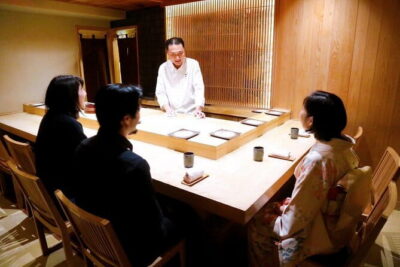
Sushi lessons with a Michelin-star finish. This private class happens inside a Michelin-starred sushi restaurant, so you’re learning technique and eating at a high level, not just doing a fun craft. I like that you practice three real styles—nigiri, maki, and gunkan—and get coaching through the steps, from rice and toppings to rolling and assembly. I also like the structure: a short sushi-history quiz followed by a photo shoot with what you made. One thing to consider: timing matters—if you’re more than about 5 minutes late without contacting them, it can be treated as a no-show with no refund.
You’ll meet at A-PULSE AZABU STUDIO in Nishiazabu (Minato City), and the vibe is built for practical learning. Come hungry because the workshop ends with the meal you helped make, and dietary needs like vegetarian, vegan, or gluten-free are accommodated.
In This Review
- Key things you should know before you go
- A Michelin-Star Sushi Class in Tokyo: Private, Hands-On, and Photo-Ready
- What You’ll Make: Nigiri, Maki, and Gunkan Battleship-Style
- Nigiri: the classic fish-on-rice build
- Maki: traditional seaweed-wrapped rolls
- Gunkan (battleship-style): seaweed cup with toppings
- Inside the 1 Hour 45 Minutes: History Quiz to Rolling Time
- 1) Introduction to sushi history
- 2) A quiz (yes, really)
- 3) Sushi master demonstration
- 4) Hands-on sushi-making
- 5) Photos and eating what you made
- The Sushi Master Touch: Ingredients, Knife Work, and English-Friendly Teaching
- Why This Feels Personal: Private Attention and Dietary Options
- Price and Value at Around $130: Getting Skills, Not Just Dinner
- Getting There at A-PULSE AZABU STUDIO (Nishiazabu) and Timing Smarter
- Who Should Book This Workshop and Who Might Skip It
- Should You Book? My Practical Recommendation
- FAQ
- FAQ
- How long is the sushi making workshop?
- What types of sushi will we learn to make?
- Is this a private class?
- Where do we meet for the workshop?
- Can you accommodate dietary restrictions or allergies?
- What happens during the 1 hour 45 minutes?
- What is the no-show policy if we’re late?
- Can I cancel and get a full refund?
Key things you should know before you go
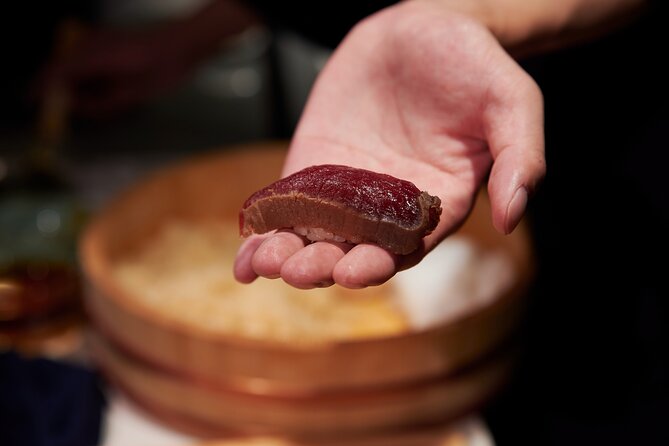
- Three sushi styles, not one: nigiri, maki, and gunkan/battleship-style
- Hands-on coaching: slicing raw fish, selecting ingredients, building each piece
- Fast sushi-history quiz: a quick way to understand what you’re making
- Photo time is part of the class: you’ll take shots of your own sushi creations
- English-friendly team: staff communication is described as excellent, with a sushi chef and instructors like Rin and Chef Riku mentioned
- Dietary restrictions supported: vegetarian/vegan and gluten-free options are handled
A Michelin-Star Sushi Class in Tokyo: Private, Hands-On, and Photo-Ready
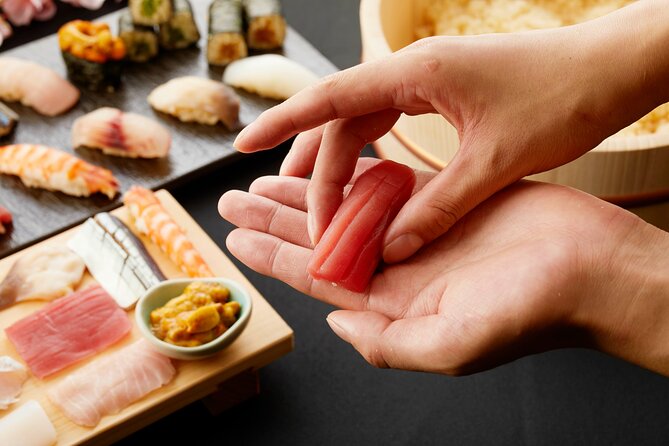
Tokyo can be a sushi overload. You can eat a great meal, sure. But when you want the real payoff—why certain cuts taste the way they do, how rice should feel, and what makes a roll hold together—you want technique, not just a table.
This experience runs like a focused mini workshop with a sushi master. You’ll be in a private setup with your group only, so you aren’t squeezed into a cattle-car class pace. The setting is a Michelin-starred sushi restaurant, which matters because it changes the standard. You’re not learning “good enough” methods. You’re learning how sushi is approached in a place that treats ingredients and preparation seriously.
And you’ll finish with what you made. That’s a big deal for value. A lot of classes turn into watching mostly-while-you-snack. Here, the meal is the output of the lesson—so your time directly turns into something you can taste and evaluate.
You can also read our reviews of more private tours in Tokyo



What You’ll Make: Nigiri, Maki, and Gunkan Battleship-Style
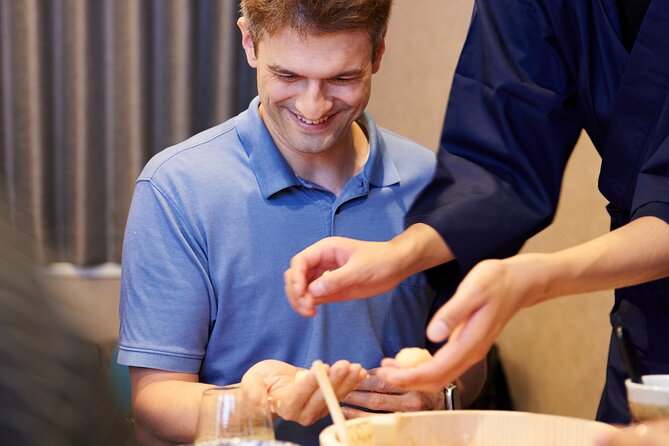
You’ll make three styles of sushi, and the lesson is designed so you see how the same core ingredients behave differently in different formats.
Nigiri: the classic fish-on-rice build
Nigiri is the sushi that looks simple but depends on precision. You’re working with rice as a base and adding a slice of fish on top. In a good class, you learn that nigiri isn’t just about placing fish—it’s about balance and restraint: the amount of rice, the shape, and the way toppings sit.
You’ll also learn about selecting seasonal ingredients. That’s one of the ways sushi culture stays fresh instead of repeating the same flavors every day.
Maki: traditional seaweed-wrapped rolls
Maki is where rolling technique shows. Seaweed (nori) can be forgiving, but it can also turn frustrating if you don’t handle it right. You’ll practice making a roll and understand how filling placement and pressure affect the final bite.
The key benefit for you: once you grasp how a roll is constructed, making sushi at home stops feeling like a mysterious art project.
Gunkan (battleship-style): seaweed cup with toppings
Gunkan looks like a little cup of rice wrapped in seaweed, loaded with toppings. The “battleship” nickname fits because the rice base and seaweed frame are sturdy and built for texture.
This style is a smart choice for beginners because it teaches structure. You can’t rely on perfect slicing like you do with some nigiri preparations—you need clean assembly and ingredient control.
Across all three, you’re not sourcing fish yourself. The sushi master selects ingredients and prepares them to pristine condition, which means your focus stays on learning the process.






Inside the 1 Hour 45 Minutes: History Quiz to Rolling Time
The workshop runs about 1 hour 45 minutes, and it stays moving. Here’s the flow you can expect, and why each part matters.
1) Introduction to sushi history
You start with a short talk on sushi history. It’s not just trivia. Understanding the basics helps you connect technique to purpose—why certain traditions exist and why “fresh” and “seasonal” are repeated themes in sushi.
2) A quiz (yes, really)
Then comes a quiz on sushi history. This is a quick way to lock in what you just heard and to keep the energy up. If you like interactive learning, you’ll probably enjoy this more than a standard lecture.
3) Sushi master demonstration
Next you watch the sushi master demonstrate the process. This is where you learn the “rules” you’ll later use with your own hands: how rice should be handled, how ingredients get placed, and how the sushi comes together step by step.
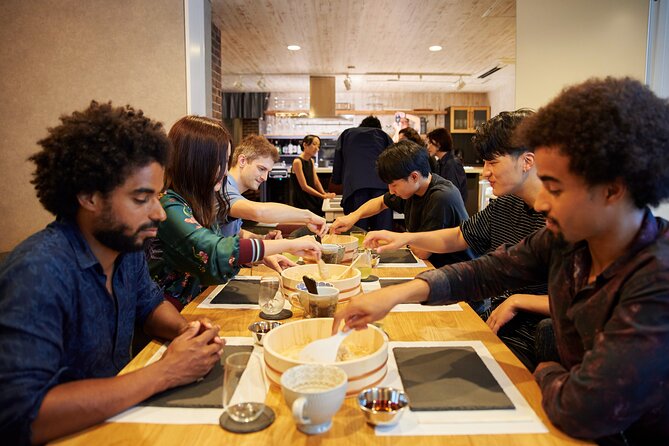
4) Hands-on sushi-making
Then it’s your turn to make the sushi. This is the core value: slicing raw fish, building each type correctly, and learning how the small decisions change the result.
5) Photos and eating what you made
Finally, you get time for photos and then you enjoy your handmade sushi. This is also when you’ll taste-test your own work like a mini food critic—what was balanced, what needed more care, and what you’d repeat at home.
I’d call this a class where you leave with both skills and a full dinner. The length is long enough to be real practice, but short enough that it doesn’t drag.
The Sushi Master Touch: Ingredients, Knife Work, and English-Friendly Teaching
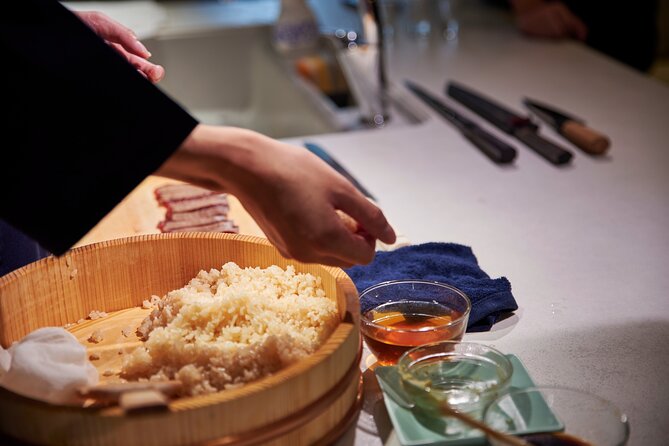
The best sushi classes don’t just give you instructions. They teach you how to think about ingredients.
You’re learning slicing raw fish and selecting seasonal ingredients. That’s the heart of sushi craft. Knife technique affects texture. Ingredient selection affects flavor and how the sushi tastes from first bite to last.
One practical advantage for English speakers: the staff communication is described as excellent. People specifically noted instructors and chefs like Rin and Chef Riku. That matters because when you’re nervous about technique, you need clear guidance in plain language. You also want the ability to ask questions while you’re mid-roll, not after the class ends.
Also, this is not a dry classroom experience. The team keeps things fun and light. You’re learning serious technique, but the atmosphere is friendly enough that you don’t feel like you’re being graded.
Why This Feels Personal: Private Attention and Dietary Options
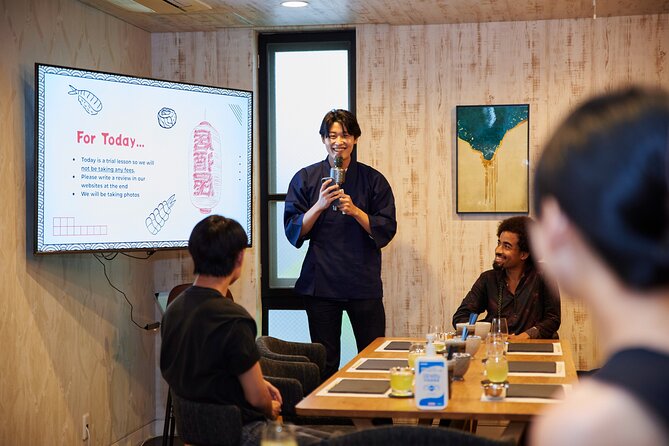
In a private workshop, you get something you can’t buy with a generic sushi tour: time. More time with the people teaching you, and more chances to correct mistakes while they’re small.
You’ll have personalized attention from the sushi master, and because it’s private, your group stays the focus. That means you’re more likely to get feedback on what you’re doing right now—like how your roll looks before it gets cut.
Dietary needs are supported too. The class accommodates allergy-friendly and dietary restrictions, including vegetarian, vegan, and gluten-free. That’s a big deal in Tokyo, where cross-contact can be an issue in less controlled settings. Here, you can plan without stress about whether you’ll be able to participate fully.
If you’re traveling with friends, this also works as a fun “activity and dinner” night. If you’re solo, it still makes sense because you’re not stuck blending into a crowd.
Price and Value at Around $130: Getting Skills, Not Just Dinner
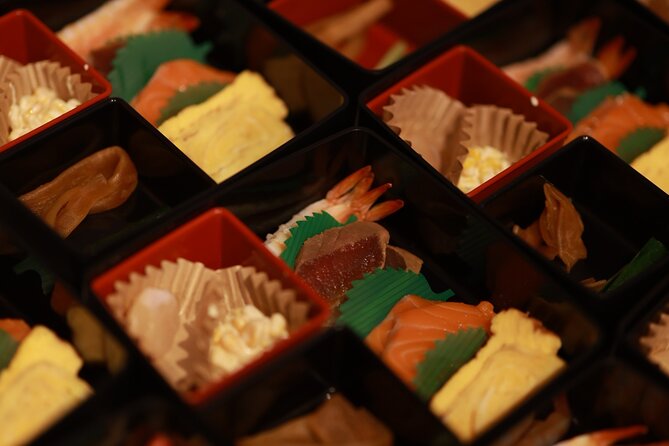
At $130.81 per person, this isn’t a budget snack class. But it also isn’t just paying for a plate of sushi.
Here’s what you’re actually buying:
- A Michelin-star setting for instruction (not just “a place that serves sushi”)
- Private coaching from a sushi master
- Hands-on practice with three sushi styles (not passive watching)
- Fish-handling skills like slicing and assembly technique
- A finished meal you make yourself
For a lot of food experiences in Tokyo, the cost is mainly for eating. Here, you get both eating and learning. The “skills” part is what makes the price feel more reasonable, because you’re not just consuming—you’re taking home a method you can repeat later.
If you’re the type who loves cooking and wants to understand why food tastes the way it does, this class is a direct value match. If you only want a quick sushi dinner and you’re not interested in technique, you might find the price hard to justify.
Getting There at A-PULSE AZABU STUDIO (Nishiazabu) and Timing Smarter
The meeting point is A-PULSE AZABU STUDIO in Nishiazabu, Minato City. It’s near public transportation, which is exactly what you want in Tokyo—easy to reach without planning your whole day around one complicated route.
Timing is the only real “gotcha” mentioned. There’s a no-show policy if you don’t contact them within about 5 minutes after the scheduled start time. That’s standard for tight classroom schedules, especially in busy restaurant settings.
My practical advice: build in buffer time. If your day has other transport-heavy plans (like arriving from Narita), treat this class time as fixed and give yourself extra margin.
Who Should Book This Workshop and Who Might Skip It
You’ll likely love this if:
- you want to learn sushi technique, not just taste sushi
- you like hands-on food classes with real instruction
- you’re traveling with a group that wants a shared activity and a proper meal
- you care about ingredient quality and how sushi is built
You might skip it if:
- you only want a casual bite and don’t care about learning the process
- your schedule is so tight that arriving exactly on time is unrealistic
- you’re expecting a long gourmet “sushi tasting tour” across multiple shops (this is one guided workshop meal)
One more good fit: if you’ve been intimidated by making sushi at home, starting with a structured class that covers nigiri, maki, and gunkan can make the whole process feel doable.
Should You Book? My Practical Recommendation
Book it if you want a Tokyo experience that turns into lasting skill. The combination of private instruction, three sushi styles, and a meal you assemble yourself is the sweet spot for value.
Skip it if you’re mainly chasing a romantic dinner vibe or you need something with no timing pressure. If you can show up on time (or communicate if delays hit), this workshop is one of those “learning plus eating” nights that’s hard to replicate later.
FAQ
FAQ
How long is the sushi making workshop?
It runs about 1 hour and 45 minutes.
What types of sushi will we learn to make?
You’ll make three types: nigiri, maki, and gunkan (battleship-style sushi).
Is this a private class?
Yes. It’s a private tour or activity, so only your group participates.
Where do we meet for the workshop?
The start location is A-PULSE AZABU STUDIO (エーパルス3-chōme-8-18 Nishiazabu, Minato City, Tokyo 106-0031).
Can you accommodate dietary restrictions or allergies?
Yes. Allergy-friendly and dietary restrictions are accommodated, including vegetarian, vegan, and gluten-free options.
What happens during the 1 hour 45 minutes?
You’ll get an introduction to sushi history, take a quiz, watch a sushi master demonstration, make sushi hands-on, then have time for photos and to enjoy what you made.
What is the no-show policy if we’re late?
If you do not contact them within 5 minutes after the scheduled start time, the reservation can be treated as a no-show and there is no refund.
Can I cancel and get a full refund?
Yes. You can cancel up to 24 hours in advance for a full refund. Canceling within 24 hours of the start time is not refundable.