REVIEW · TOKYO
Tokyo Private Tour to Learn History and Shinto
Book on Viator →Operated by Fulfilling Inc. · Bookable on Viator
Torii gates turn your Tokyo walk into a story. This private 6-hour tour stitches together classic Tokyo shrines and temples, using the subway and a friendly guide to make the details click. I especially love the chance to walk under the red Senbon Torii at Nezu Shrine, where the whole path feels like a living tradition.
The English-speaking guide part is a big win. Guides like Yoshinori and Kono bring the sites to life, and you’ll also get real help for moving around Tokyo (including train-system tips, not just shrine facts). One thing to plan for: admission fees aren’t included for Nezu Shrine and Senso-ji, and the tour requires good weather.
In This Review
- Key highlights you’ll feel quickly
- A subway day built around Shinto meaning
- Nezu Shrine’s 1900-year context and the Senbon Torii approach
- Senso-ji Temple: big icons, clear orientation, and the key structures
- Asakusa Shrine (Sanjya Gongen): Edo-era atmosphere and festival ties
- Meiji Jingu Shrine: wedding procession vibes and a calmer atmosphere
- What your guide really adds: stories, routes, and confidence
- Price and value: $123.57 for a guided, private shrine circuit
- Timing, walking, and how to make the day feel easy
- Who should book this Shinto and temple history tour
- Should you book this Tokyo Private Tour to Learn History and Shinto?
- FAQ
- How long is the Tokyo Shinto history private tour?
- Is hotel pickup included?
- Is this tour private or shared?
- Which stops have admission fees not included?
- Are food and drinks included?
- Does the tour include transportation?
- What happens if the weather is bad?
Key highlights you’ll feel quickly
- Senbon Torii at Nezu Shrine: a red-gate tunnel that turns sightseeing into a set-piece moment
- Meiji Jingu Shrine traditions: you’ll look for a traditional Japanese wedding procession during the visit window
- Smart subway routing: you’re not stuck guessing which line to take next
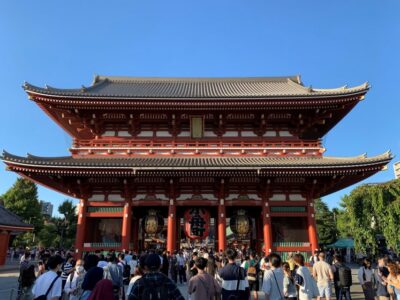
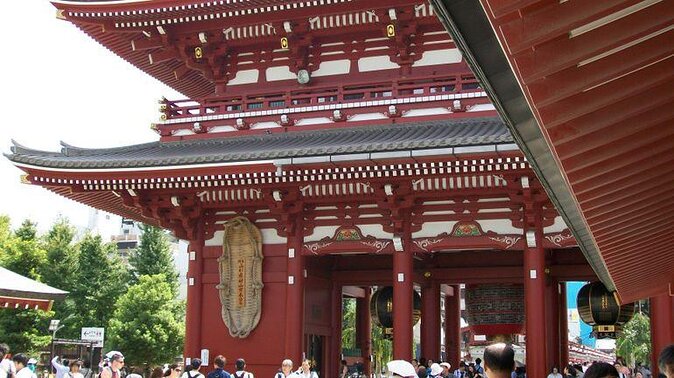
- Senso-ji Temple landmarks: see major temple structures like the five-story pagoda area and the Hozo-mon gate
- Edo-period and festival context: Asakusa Shrine comes with stories tied to Sanjya Festival timing
- Hotel lobby pickup: you start the day without organizing the first leg yourself
A subway day built around Shinto meaning
Tokyo’s shrines can feel like beautiful scenery if you only do quick photo stops. This tour is different because it’s structured like a history lesson you can walk through. You’ll move from place to place by subway, with your guide translating what you’re seeing into names, symbolism, and why certain rituals matter.
You get a private setup, so the pace is easier to manage than in a group bus. That matters with religious sites, because you often need a little time to look closely—details like carvings and the layout of approaches. The route also helps you connect the dots across different parts of Tokyo instead of bouncing around randomly.
And yes, it’s family-friendly. The highlights are visual and easy to understand, and the guide can adjust how much story detail you want as you go.
You can also read our reviews of more private tours in Tokyo


Nezu Shrine’s 1900-year context and the Senbon Torii approach
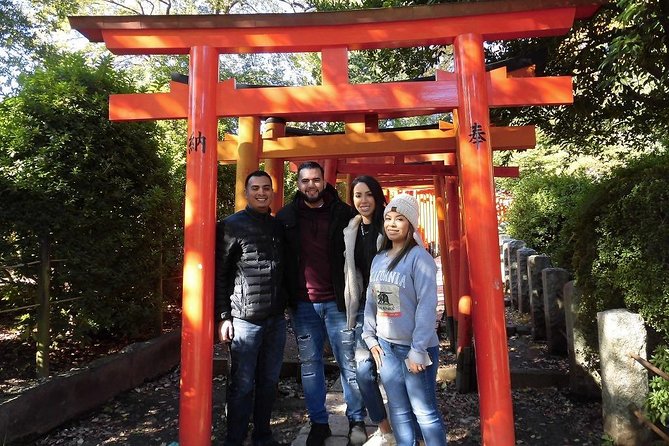
Nezu Shrine is where the day earns its wow factor. The shrine is dedicated to gods from Japanese mythology, and it has a long timeline—history going back around 1900 years. As you arrive, you’re not just “at another shrine.” You’re stepping into a site with designated cultural properties, including seven buildings recognized as important cultural properties by the country.
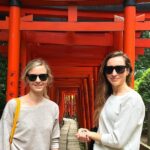
Then comes the signature moment: the Senbon Torii, the bright red torii gate tunnel. Walking through a dense sequence of gates changes your mindset. You’re moving forward physically, but the setting also helps you slow down mentally and notice how the grounds guide your path. It’s one of those experiences where a guided explanation makes the space feel bigger than it looks from street level.
Practical notes so you don’t get surprised: Nezu Shrine’s admission fee isn’t included, so plan on paying that yourself once you’re there. Also, you’ll want comfortable walking shoes because the gates and paths involve moving more than you might expect from a “shrine stop.”
Senso-ji Temple: big icons, clear orientation, and the key structures
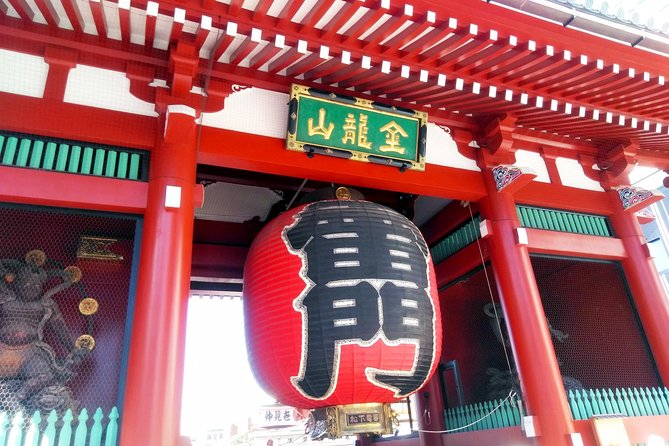
Senso-ji Temple is one of the most popular temple areas in Japan, so it can be crowded. The value of having a guide isn’t that they magically avoid people—it’s that you get oriented fast. You’ll understand what you’re looking at and where the important structures sit inside the temple grounds.
Expect to focus on major landmarks such as the five-story pagoda area and the Hozo-mon gate (also called the Treasure-House Gate). Those are the kinds of features you can point out to your kids or your friends, and the explanation helps you see them as more than famous shapes in a postcard.
Senso-ji’s admission fee is also not included. The stop is designed as a focused one-hour visit, which is great if you want the essentials without turning your whole day into a line-queue marathon. If you prefer slow museum-style pacing, you may want extra time before or after—this tour is structured for moving efficiently.
Asakusa Shrine (Sanjya Gongen): Edo-era atmosphere and festival ties
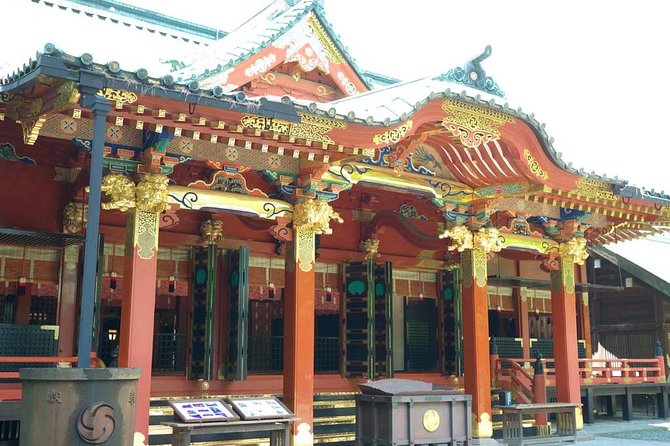
After Senso-ji, you shift into a different flavor of religious space at Asakusa Shrine. This shrine is Shinto and is known as Sanjya Gongen. It also connects strongly to Edo-period culture, which is a nice change from simply viewing temples as “old buildings.”
Here’s what you’ll take away as the guide points it out: Asakusa Shrine is tied to the Sanjya Festival in May, listed as one of Edo’s three major festivals. That festival link helps you understand why shrines aren’t only about prayer—they’re also community stages that bring stories, seasons, and identity into public life.
The stop is designed to be about an hour, and it’s free for admission. That’s a good combo for value: you get a meaningful cultural stop without an added ticket cost.
One consideration: this area is also a high-activity part of Tokyo. If you don’t like crowds, go in with a mindset of “I’m here for the famous spiritual core,” and use your guide to spot where to stand for better viewing.
Meiji Jingu Shrine: wedding procession vibes and a calmer atmosphere
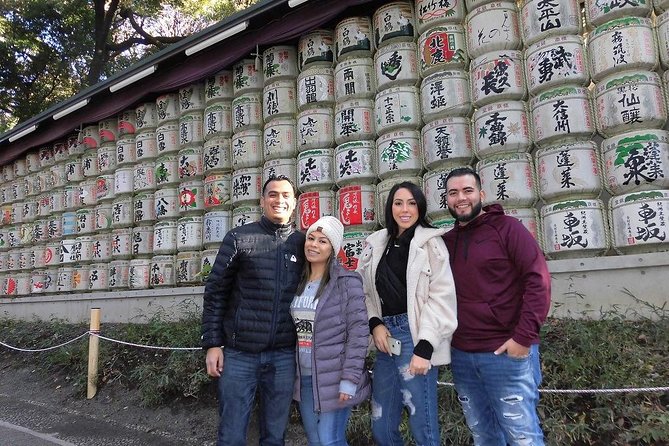
Meiji Jingu Shrine is a different mood from the older temple neighborhoods. It enshrines Emperor Meiji and Empress, and the shrine has been around since it was built in 1920. The grounds attract both Japanese worshipers and foreign visitors throughout the year, so you’ll likely feel that mix of everyday reverence and tourism energy.
The tour highlight here is the chance to seek a traditional Japanese wedding procession. Even if you arrive and the exact moment you hope for isn’t perfectly timed, the visit still works because your guide helps you understand what makes the rituals distinctive and what to look for as you walk.
This stop is also free to enter, which is a straightforward value boost. If you’re tired after the earlier stops, the Meiji Jingu portion can feel like a mental reset. It’s not just a photo stop; it’s a chance to slow down and see how Shinto practice functions in a place that many people visit with purpose.
You can also read our reviews of more historical tours in Tokyo


What your guide really adds: stories, routes, and confidence
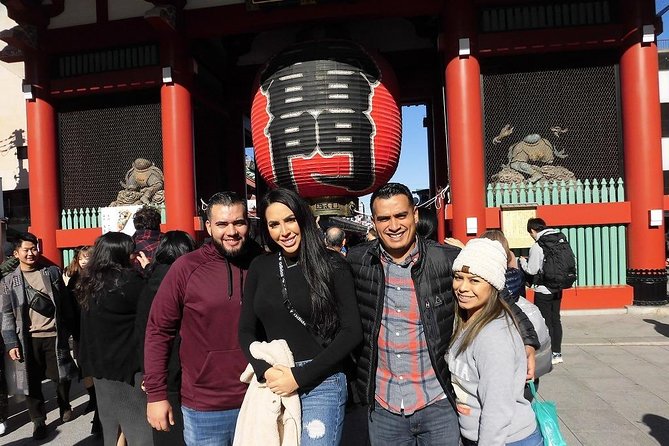
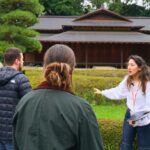
The guides are a major reason this tour scores so high. Names like Yoshinori and Kono show up in the experience you’re likely to get, and the common thread is that they don’t just recite facts. They translate what you’re looking at—why the gates are arranged the way they are, what symbolic artwork means, and how delicate sculptures fit into the bigger idea of reverence.
I also like that you get practical help for navigating Tokyo. On a subway-based itinerary, the hardest part for many visitors isn’t walking—it’s knowing which train to take and how to transfer without wasting time. Your guide’s help can turn the day from stressful to smooth, especially if it’s your first time using Tokyo’s system.
A good guide also helps you handle real-world site etiquette. For religious spaces, small behavior details matter. Having a local professional in front of you makes it easier to move respectfully, take photos where appropriate, and still enjoy yourself.
Price and value: $123.57 for a guided, private shrine circuit
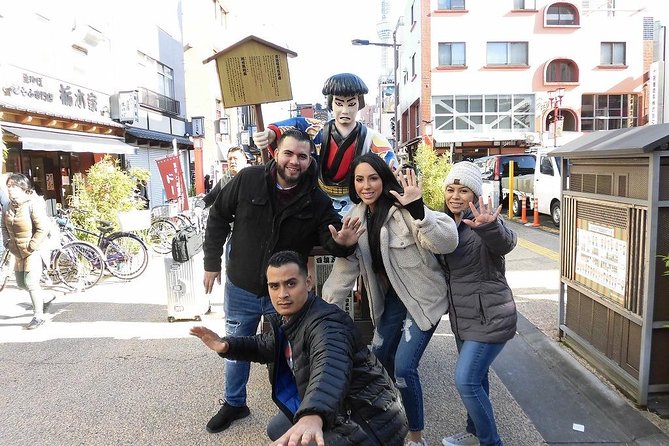
At $123.57 per person, this tour isn’t a bargain-basement deal. But you are buying a few things that add up quickly in Tokyo: a private guide, hotel pickup, a planned six-hour route, and subway-based movement between multiple major sites.
Here’s how I’d judge the value:
- Private time: You’re not sharing the guide’s attention with a large group, which makes explanations and pacing feel more personal.
- Hotel pickup included: You start at your own location setup, which saves time and reduces friction.
- Multiple major stops: You hit Nezu Shrine (including Senbon Torii), Senso-ji Temple, Asakusa Shrine, and Meiji Jingu in one day.
- Tickets not included: You do need to budget for admissions at Nezu Shrine and Senso-ji, plus any food you want.
So the price works best if you value guidance and time efficiency. If you already know Tokyo well and are happy figuring out routes on your own, a self-guided day could be cheaper. But if you want the “someone else handles the logic” comfort—this is the kind of tour that justifies the cost.
Timing, walking, and how to make the day feel easy
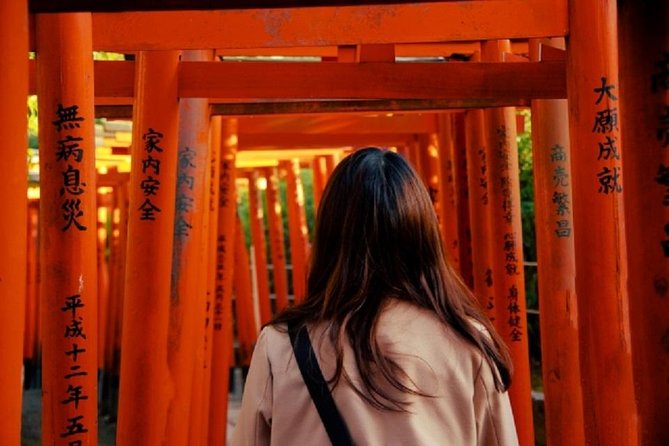
The tour is about six hours, with around one hour per main site stop. That includes the time it takes to walk through grounds and transition between neighborhoods via subway. In other words, it’s not a slow sit-down day, but it’s not a sprint either.
Bring water and plan for walking. The itinerary design assumes you’ll be moving between gates, approach paths, and temple grounds. Also, admission and photo stops can add a few minutes, so keep your schedule flexible once you’re with the guide.
One more planning point: the tour requires good weather. If rain or poor conditions roll in, you should expect it to be rescheduled or refunded based on the operator’s weather handling. For you, that means check the forecast seriously if you’re booking near busy travel days.
Who should book this Shinto and temple history tour
This is a strong fit if you want Shinto and temple context without turning your vacation into reading-heavy homework. Kids usually do well here because the places are visually dramatic—especially the red torii tunnel at Nezu—and the guide can keep explanations at the right level.
It also suits couples and solo travelers who prefer private pacing. If you like being able to ask questions, pause for photos, and adjust your route pace, a private guide is a real comfort.
Where it may be less ideal: if you dislike walking, or if you want every minute to be ultra-flexible with zero structure. The tour does have a set stop sequence and a planned rhythm.
Should you book this Tokyo Private Tour to Learn History and Shinto?
Book it if you want a guided, well-paced day that connects the visual beauty of Tokyo shrines with the meaning behind them. The Senbon Torii moment at Nezu Shrine plus the temple-and-shrine range of stops make it feel like you’re seeing Tokyo’s spiritual layers, not just ticking off landmarks.
Skip or reconsider if you’re only interested in quick photos, or if you’d rather not pay separate admission fees for Nezu Shrine and Senso-ji. Also, if weather is unpredictable for your dates, keep an eye on forecasts.
If you want a smooth subway plan, hotel pickup convenience, and a guide who can help you understand what you’re standing in front of, this tour is the kind of day that turns “I visited shrines” into “I get why it matters.”
FAQ
How long is the Tokyo Shinto history private tour?
It runs for about 6 hours.
Is hotel pickup included?
Yes. The tour includes meeting in the hotel lobby and pickup offered from your hotel.
Is this tour private or shared?
It is private. Only your group participates.
Which stops have admission fees not included?
Admission fees are not included for Nezu Shrine and Senso-ji Temple. Asakusa Shrine and Meiji Jingu Shrine have admission listed as free.
Are food and drinks included?
No, food and drinks are not included.
Does the tour include transportation?
The tour includes public transportation to and from (for the guides). Public transportation to and from (for customers) is not included.
What happens if the weather is bad?
The tour requires good weather. If it’s canceled due to poor weather, you’ll be offered a different date or a full refund.