REVIEW · TOKYO
Tokyo: 1-Day Tokyo Private Tailor-made Tour
Book on GetYourGuide →Operated by Hitrip · Bookable on GetYourGuide
A private day in Tokyo, built around you. This tailor-made tour starts with itinerary support before you go, then follows your pace through the city’s best-known sights, from temples to modern districts. I especially like the mix of classic Tokyo (Asakusa, Meiji Jingu, Imperial Palace area) and modern Tokyo (Ginza and Shibuya), all handled by a guide who stays focused on logistics and storytelling. One thing to keep in mind: entrance fees and your own train fares aren’t included, so you’ll want some cash or a card budget for them.
The biggest value is how smoothly your day runs. You get hotel pickup and drop-off, and you’ll mostly travel by public train to avoid road traffic chaos and keep moving. Guides are English-speaking (and sometimes French), and I like that the experience is designed for real questions—culture, customs, and what to eat—rather than just ticking boxes. If your plans are tight, there’s also an option to shorten the tour hours to as early as 4:00 PM.
In This Review
- Key things to know before you go
- Why a private tailor-made Tokyo day is worth the money
- Hotel pickup, drop-off, and the pace you control
- Your guide in the driver’s seat (Hito and Azu are standout names)
- Price and logistics: what $330 buys you (and what it doesn’t)
- The default 9:00 AM to 6:00 PM plan, step by step
- Asakusa area first: Sensoji and the market vibe
- Imperial Palace area: history you can walk around
- Ginza: the fancy Tokyo stop
- Meiji Jingu: shrine time and atmosphere
- Shibuya Crossing: modern Tokyo in motion
- Kagurazaka: the Kyoto-like old-days mood
- Customizing the day: shopping, temples, and food priorities
- Public trains and avoiding traffic: a smart Tokyo strategy
- What you’ll need to plan for (so the day stays smooth)
- Accessibility and private-group comfort
- So, should you book this private Tokyo tailor-made tour?
- FAQ
- Is this tour fully tailor-made or fixed?
- What’s included in the price?
- Do I need to pay for trains and entrances?
- What language is the guide?
- What time does the default tour run?
- Can the tour be shortened?
Key things to know before you go
- True tailor-made structure: you can pick a default route or shape the day around what you care about
- Pickup, drop-off, and pacing: you’re not stuck finding meeting points or rushing between stops
- Public trains instead of traffic: the day is planned to keep you on rails (literally) during busy hours
- Strong guide support: guides like Hito and Azu have a track record of handling station navigation and questions
- Freedom for food: lunch/dinner are on you, but dinner can be recommended on request
- Bring comfy shoes: you’ll walk between major sights, often in crowded areas
Why a private tailor-made Tokyo day is worth the money
Tokyo can overwhelm even seasoned travelers. A private format helps you set the pace, choose the emphasis (shrines vs shopping vs photo time), and still hit the highlights without turning the day into a stress test.
With this tour, you don’t just get a fixed route. You’ll have help creating your itinerary beforehand, and if you’d rather not plan, you can choose the default plan that covers famous spots. I like that you can switch from idea to action quickly—especially if you arrive with a half-formed wishlist.
The guide also acts like your translator between “Tokyo rules” and your day-to-day reality. That includes practical context for customs and what you’re seeing at each stop, so you can look around with a better sense of why it matters.
You can also read our reviews of more private tours in Tokyo


Hotel pickup, drop-off, and the pace you control
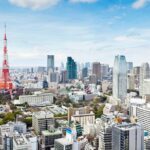
Starting in the Tokyo 23 wards, pickup is part of the package. With the default itinerary, pickup is within that area around 9:00 AM, and the tour typically ends around 6:00 PM at your hotel or another spot of your choosing within the 23 wards.
This matters because Tokyo’s transit is good, but it takes attention. If you’re tired from jet lag, juggling directions can steal energy from the actual sightseeing. A pickup-and-drop setup lets you focus on what you came for: walking the streets, looking into shops and temples, and getting your bearings fast.
If you’re on a tighter schedule, you can request a shorter day, with an option to finish as early as 4:00 PM. That flexibility is a real advantage when you’ve got dinner reservations, a theater plan, or a day trip coming up.
Your guide in the driver’s seat (Hito and Azu are standout names)
This isn’t just a guided walk—it’s a guide-led day with real problem-solving. Guides are described as English-speaking (and sometimes French), and they’re able to explain history and cultural features along the way.
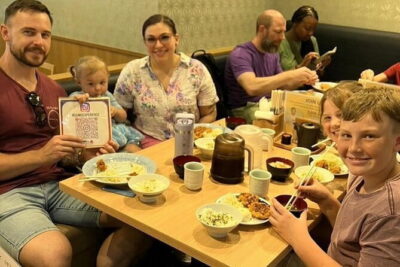
In the practical category, Hito comes up for his ability to handle train-station navigation like a pro. One booking highlighted that he guided the group through busy station areas without turning it into a maze, plus he suggested great places to eat and offered help for future plans by sharing his phone number.
Azu is another name mentioned, with a focus on making the day feel efficient even with limited time. One highlight included an authentic Japanese lunch and careful pacing so the group could still see the main sights they wanted.
What I like about guide quality here is the “ask-and-adapt” approach. The day can be adjusted based on your preferences—shopping, shrines, temples, and food—so you don’t end up watching a slideshow of Tokyo from the guide’s viewpoint only.
Price and logistics: what $330 buys you (and what it doesn’t)
At $330 per person for about 6 hours, this sits in the “private day” category, not the budget group-tour category. So you want to feel the difference: you’re paying for private control, itinerary shaping, pickup and drop-off, and guided interpretation during each stop.
Included in the package:
- Hotel pickup and drop-off
- Free photos
Not included:
- Transportation fees for yourself (even though the plan uses public trains)
- Lunch and dinner
- Entrance fees if you go somewhere that charges (for both you and your guide)
That trade-off is normal for tours built around major sights. The value comes from losing less time to logistics, and from having the guide help you make good choices about what to prioritize once you’re there.
If you’re traveling solo or as a couple, private time can be worth it because you don’t have to compromise. If you’re in a larger group and already comfortable navigating on your own, you might question the price. But if your goal is “I want Tokyo highlights with minimal hassle,” the cost starts to make more sense.
The default 9:00 AM to 6:00 PM plan, step by step
The default day is built around a classic Tokyo sweep: older landmarks in the morning, big-name districts after lunch, and a shift into modern energy before you wrap up. Your guide can adjust, but this gives you a strong framework.
You can also read our reviews of more tours and experiences in Tokyo




Asakusa area first: Sensoji and the market vibe
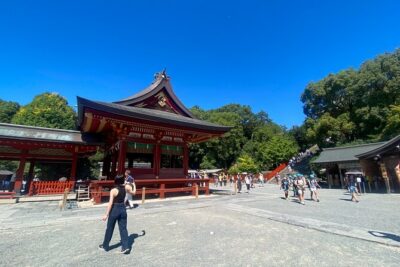
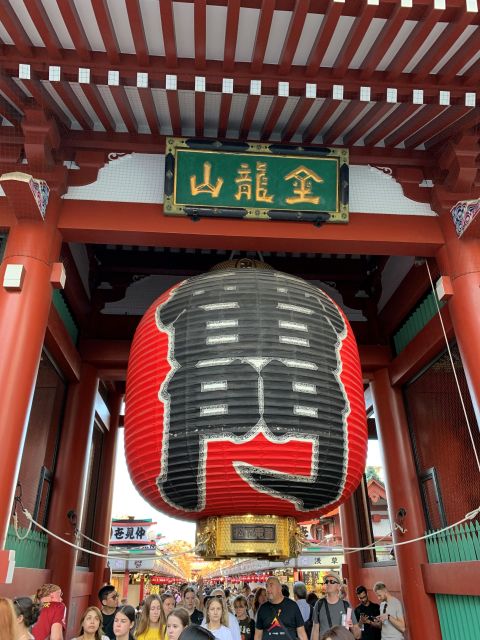
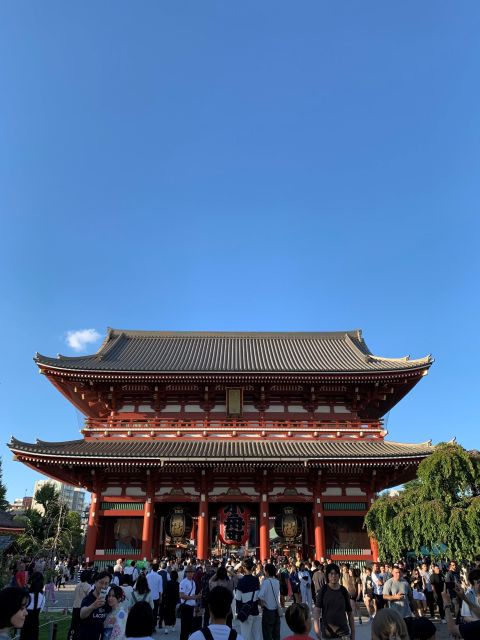
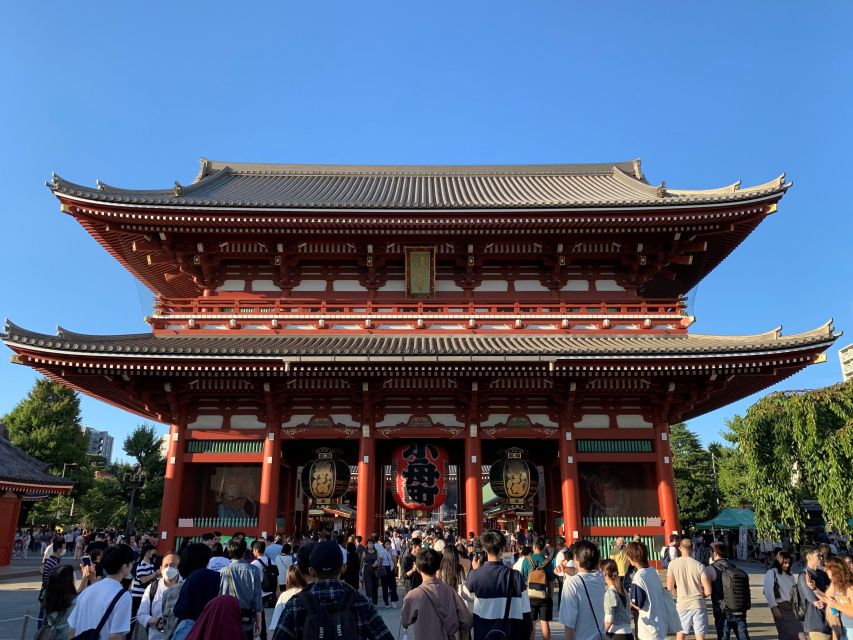
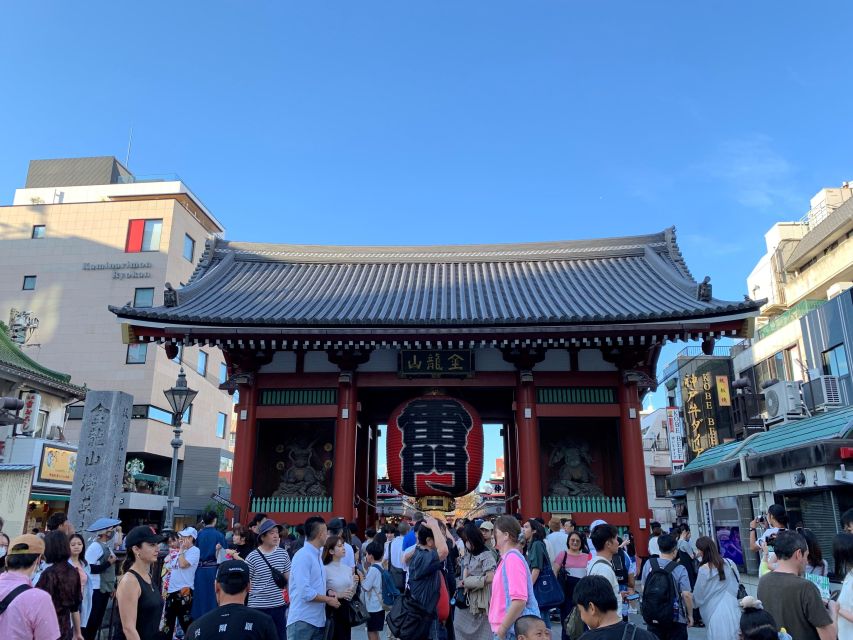
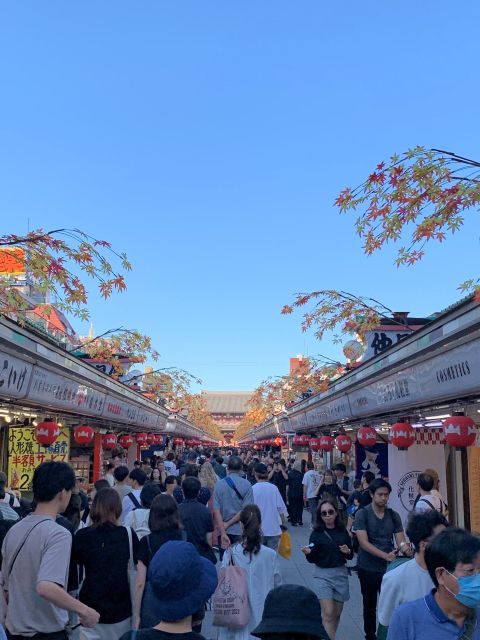
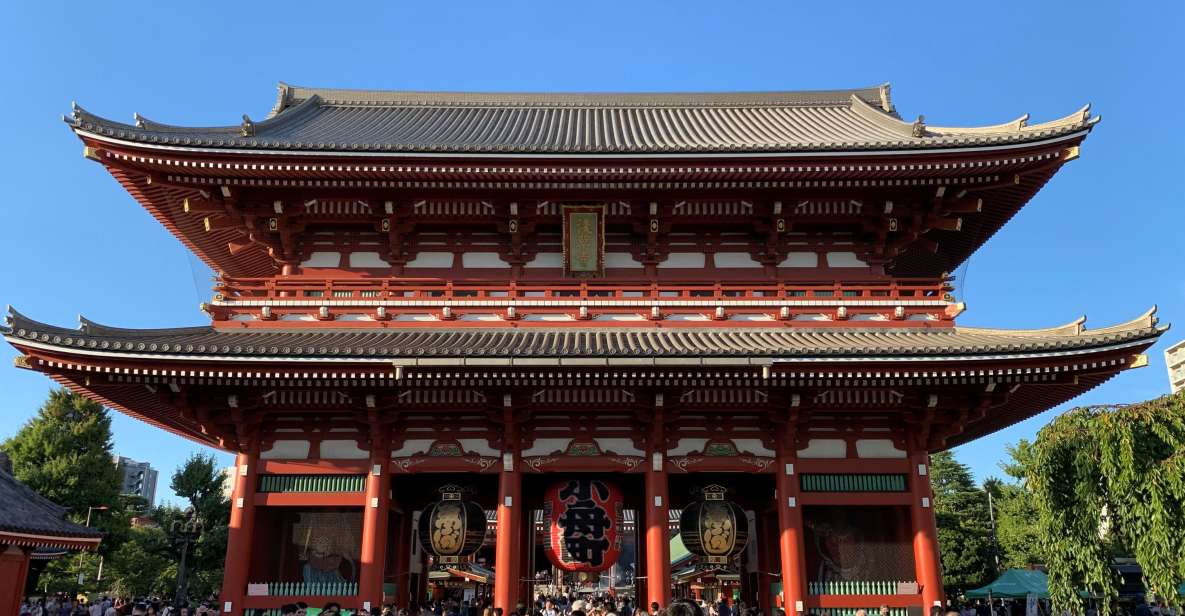
You start in the Asakusa district around 9:00 AM. The plan includes time to explore Sensoji Temple, plus a market stop associated with Tsukuji Market and the chance to see Tokyo SkyTree.
Sensoji is one of those places where the details do the work: the atmosphere, the flow of people, and the way the temple space feels like a stage for everyday Tokyo. If you like photos, this is usually where you’ll get that “I’m really here” feeling fast.
Practical tip: wear comfortable shoes. Even with a guide and planned pacing, this morning stretch can involve a lot of short walks and crowd navigation.
Imperial Palace area: history you can walk around
After the morning sights, you’ll visit the Imperial Palace area. This gives your day a different texture from shopping streets and shrine paths. You’re moving from religious landmark energy into a more formal historical setting.
A good reason to include this stop is context. Seeing it with a guide who can explain what you’re looking at helps the sights connect, instead of feeling like separate attractions.
Ginza: the fancy Tokyo stop
Next is Ginza, Tokyo’s famous polished district. This is where you can slow down, browse, and take in the contrast: the day goes from traditional icons toward high-end streets and modern city rhythm.
If you’re the kind of traveler who enjoys window shopping and people-watching, Ginza is a solid mid-afternoon choice. If you hate crowds, you’ll still have time to enjoy it at your pace, but you may want your guide to steer you toward calmer lanes.
Meiji Jingu: shrine time and atmosphere
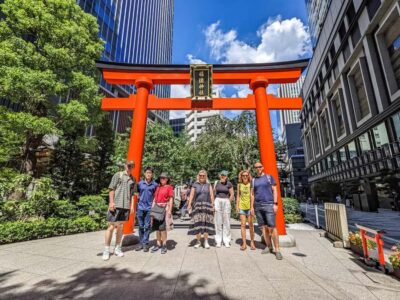
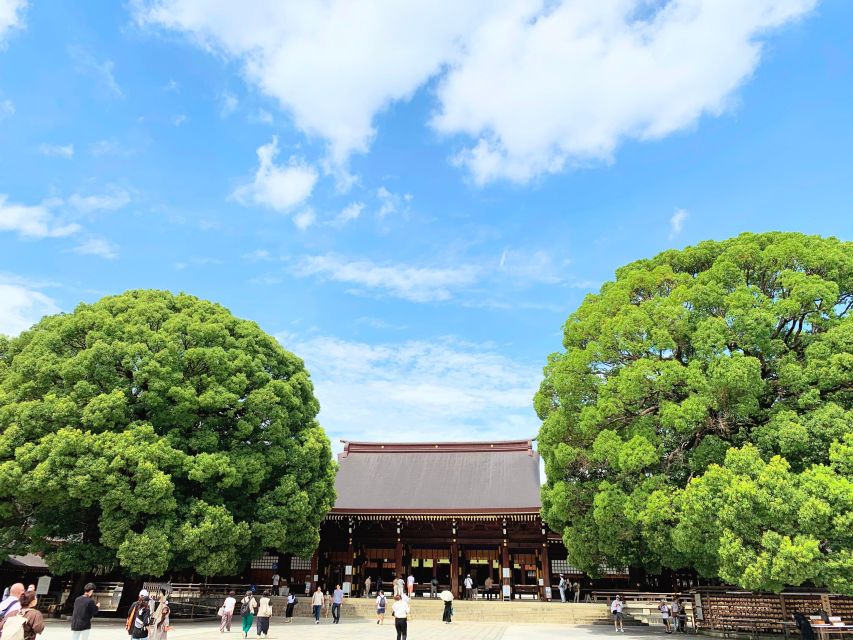
Then you head to Meiji Jingu Shrine. This is an important change of pace—one that often feels quieter than the city around it, and that contrast helps balance a day packed with famous streets.
What you’ll appreciate here is the cultural storytelling. A strong guide should help you understand the place beyond the postcard look, so your visit feels intentional rather than rushed.
Shibuya Crossing: modern Tokyo in motion
After Meiji Jingu, the tour moves into Shibuya, including the iconic Shibuya crossing. This is Tokyo in full-speed mode—modern, busy, and unmistakably itself.
If you’re thinking about photos or just want to feel the energy, this is a smart stop because it’s both a landmark and a whole environment. Just remember: it’s crowded. Your best move is to listen to your guide for the best viewing moments and where to stand for photos.
Kagurazaka: the Kyoto-like old-days mood
Finally, you shift into Kagurazaka, described as having an old-days feel similar to Kyoto. This ending matters. After the big-name districts, Kagurazaka offers something softer and more atmospheric, so your day lands on a memorable note rather than ending with sheer intensity.
It’s also a nice way to transition before your drop-off. Around 6:00 PM, your guide returns you to your hotel or another location within the 23 wards.
Customizing the day: shopping, temples, and food priorities
The biggest promise of this tour is that it’s tailor-made, not one-size-fits-all. In practice, that means your guide should ask questions early—what you want most (shrines, temples, shopping), what you care about less, and what kind of pace you prefer.
One of the most useful aspects is how this turns into decisions. If you say you like cultural sites, the day leans that way. If you want photos and modern districts, you’ll spend more time there. If food matters, your guide can point you toward good options.
Dinner is especially flexible. Lunch and dinner are not included, but dinner places can be advised on your request. That’s handy when you’ve spent the day walking and don’t want to spend your last energy figuring out where to eat.
Public trains and avoiding traffic: a smart Tokyo strategy
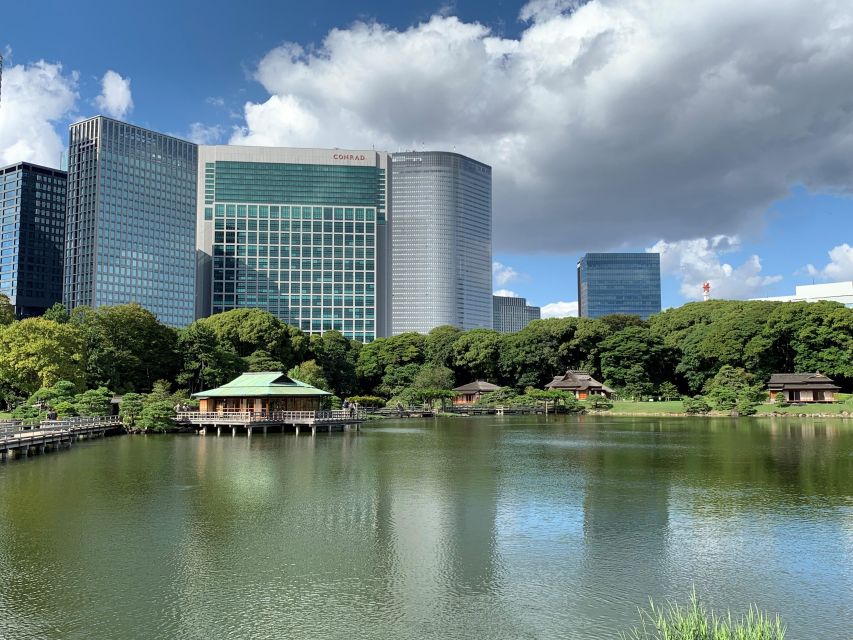
Tokyo traffic can be brutal, even when you’re only moving a few miles. This tour plans to keep you moving using public trains, which is usually the fastest way to cross the city during busy hours.
Why I like this approach for a private tour: it protects your schedule. Instead of spending time stuck in traffic, you can keep your day focused on sightseeing and walking.
It also gives your guide a chance to demonstrate navigation. One of the standout praise points from Hito is his ability to handle train stations without confusion. That kind of skill reduces the chance that your day becomes “lost in transit” time.
What you’ll need to plan for (so the day stays smooth)
Even when a tour handles a lot, a few items are on you. The clear ones are:
- Your own transportation fees for getting on and off trains
- Lunch and dinner
- Entrance fees for sites that require tickets
This is normal, but it affects how you budget. If you’re the type who hates surprise costs, set aside money in advance for entries and transport. Your guide can help you make smart choices about which paid stops are worth it for your interests, but you should still expect you’ll pay.
For clothing, think comfortable and practical. The tour guidance specifically notes comfortable shoes, and that’s exactly what you want for temple districts, market areas, and modern streets.
Accessibility and private-group comfort
This tour is wheelchair accessible, and it’s designed as a private group, not a shared bus experience. That matters if you want a calm pace, less waiting, and more personal attention.
Pickup and drop-off are included, and you can choose where you’re dropped off within the 23 wards. If your hotel is tricky to find, or if you’d rather end closer to a planned evening activity, that flexibility is useful.
So, should you book this private Tokyo tailor-made tour?
Book it if you fit this profile:
- You’re in Tokyo for a short time and want a strong set of highlights.
- You want a day that adapts to you, not one that forces you into a strict checklist.
- You’d rather spend your attention on sights and photos than on station navigation.
- You appreciate cultural context along the way.
Think twice if:
- Your schedule is ultra-open and you’re comfortable building your own route with public transit.
- You’re trying to keep costs very low, because entrance fees, lunch/dinner, and your train fares will add up.
If you want a private day that feels organized, flexible, and genuinely useful for first-time visitors, this is one of the easier ways to get a Tokyo hit list without losing time to logistics.
FAQ
Is this tour fully tailor-made or fixed?
It’s 100% tailor-made. You can either choose a default itinerary that covers popular and famous places, or work with your guide to create a plan based on your preferences.
What’s included in the price?
The tour includes hotel pickup and drop-off and free photos. It does not include transportation fees for you, lunch/dinner, or entrance fees if tickets are required.
Do I need to pay for trains and entrances?
Yes. Transportation fees (for yourself) and entrance fees (for you and your guide, if applicable) are not included. Lunch and dinner are also not included.
What language is the guide?
The tour lists a live tour guide in English. The experience description also indicates guides may speak English or French.
What time does the default tour run?
With the default itinerary, pickup is around 9:00 AM (within the Tokyo 23 wards) and the tour typically ends around 6:00 PM, with drop-off back to your hotel or another location you choose within the 23 wards.
Can the tour be shortened?
Yes. You can request shorter hours, including ending the tour as early as 4:00 PM.