REVIEW · TOKYO
Nagano: World’s Edge Tateyama Kurobe Alpine Route Tour
Book on GetYourGuide →Operated by Omotenashi-travel · Bookable on GetYourGuide
Snow walls climb higher than you expect. The Tateyama Kurobe Alpine Route is one of Japan’s most iconic mountain journeys, taking you up to the 2,450m Murodo Plateau using multiple transport types that actually feel like part of the adventure.
I love that the day runs with a private English-speaking guide who handles the transfers and keeps the timing realistic. I also love the small-but-memorable detail: a dedicated camera captures moments for you, then you receive the photos later as a gift.
One consideration: admission is paid on-site, and the exact snow-and-spring experience depends on when you go, so your final cost and “snow walls moment” can vary by season.
In This Review
- Key things that make this Nagano mountain day work
- Why the Tateyama Kurobe Alpine Route feels like Japan’s mountain “special effect”
- Private pickup and a guide who takes the stress out of the mountain system
- How the ascent works: buses, ropeways, and trolley-bus segments that change your timing
- Kurobe Dam: a guided 1.5-hour stop that breaks the climb into something doable
- Murodo Plateau at 2,450m: snow walls in spring, breezes in summer, and room to choose your walking pace
- Price and value: what $220 covers, what costs extra, and how to judge if it’s worth it
- Who this Nagano-to-Murodo day suits best (and who might not love it)
- Should you book this Alpine Route private day? My call
- FAQ
- How long is the Nagano: World’s Edge Tateyama Kurobe Alpine Route tour?
- Where do you get picked up?
- Do I need to pay admission separately?
- How much is admission on-site for adults and children?
- What transport do you use on the route?
- What is the highest point you reach?
- Is the tour private?
- What languages are the guides?
- Is the route seasonal?
- Is free cancellation available?
Key things that make this Nagano mountain day work
- Private van time: you ride with your own group, not with strangers.
- Transfers managed for you: the guide manages the moving pieces between transport segments.
- Murodo Plateau altitude: you reach a high point where weather and views feel instantly different.
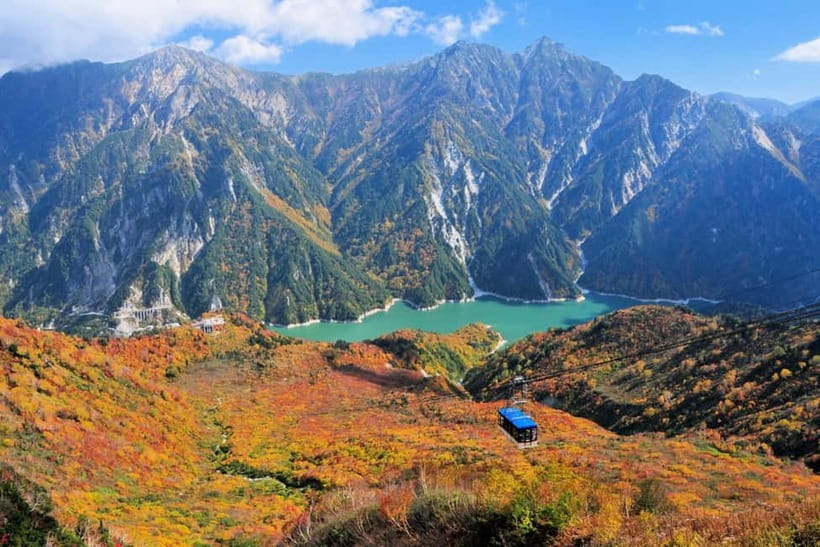
- Season-specific magic: snow walls in April–June, cooler alpine breezes in July–August, and fall colors in September–October.
- Kurobe Dam stop with purpose: it’s not just a photo stop; it’s a guided moment on the way up.
- Photo memories later: you get your pictures as a real keepsake after the tour.
Why the Tateyama Kurobe Alpine Route feels like Japan’s mountain “special effect”
The Tateyama Kurobe Alpine Route is famous for a reason: it’s called the Roof of Japan, and when the weather cooperates, the whole day feels like you’re moving through different versions of the same mountain. You ascend with electric buses, ropeways, and trolley buses until you reach the Murodo Plateau at 2,450 meters—high enough that the air can feel sharper and cooler than you expect.
This route is also a lesson in patience and timing. The experience changes by season. In spring (April–June), you’re aiming for those towering 20-meter snow walls. In summer (July–August), you trade snow for crisp alpine breezes. In early fall (September–October), the route leans into autumn leaves and crisp mountain light. And in winter, the route closes—so your visit has built-in rarity.
What makes this particular tour feel especially worthwhile is that it packages the route complexity into a single, guided day. The mountain portion is iconic, but the real value is how you get there: private pickup options, a guide who knows the rhythm of the day, and a schedule that gives you time to actually enjoy the view instead of rushing through it.
You can also read our reviews of more tours and experiences in Tokyo.



Private pickup and a guide who takes the stress out of the mountain system
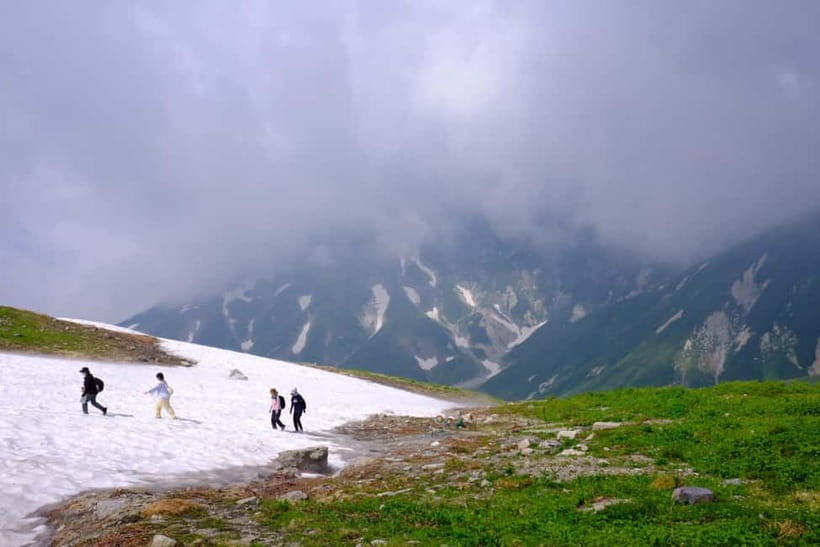
This is a private tour, which matters on the Tateyama Kurobe route. The day involves multiple transport changes, plus the small logistics that can eat up energy when you’re traveling in Japan for the first time. With this tour, you’re not trying to figure out which segment comes next while also carrying layers for a high-altitude day.
The guide is the difference-maker. People consistently mention guides like Chris and Ryujiro for being easy to be around and good at keeping things smooth. You’ll appreciate that approach fast if you’ve ever done a transit-heavy day and felt like you were always sprinting between platforms. Here, your guide manages transfers and time, and you can keep your brain on the scenery.
Another underrated win: you get flexibility. During the day, you can ask to stop for pictures and videos, and the pace can adjust if you want a bit more walking. One guide even walked an extra area for those who wanted more hiking time, which turns the day from a checklist into a real experience.
And yes, there’s a small emotional payoff: the tour uses a dedicated camera to capture moments and delivers those photos afterward. It’s not a gimmick. It’s a practical way to have great shots without constantly handing your phone to strangers.
How the ascent works: buses, ropeways, and trolley-bus segments that change your timing
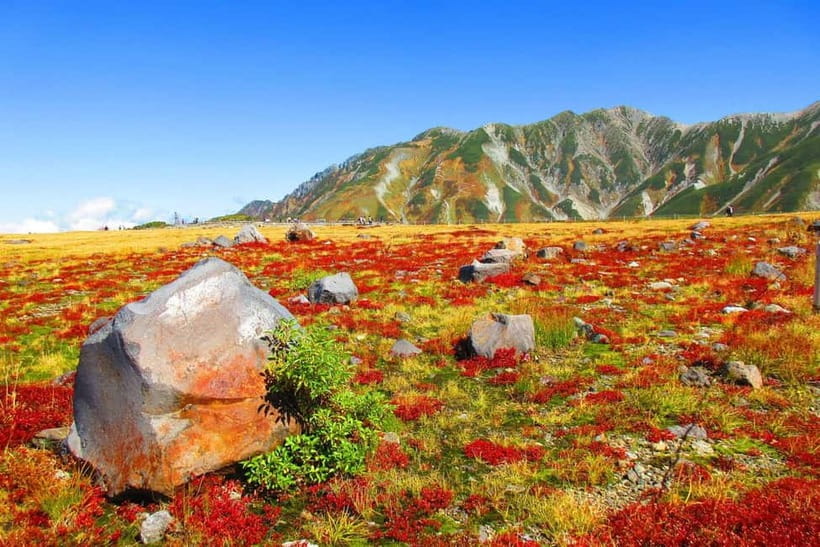
The Alpine Route experience is built on a sequence of transport types—electric buses, ropeways, and trolley buses—that carry you upward in stages. You don’t just ride; you also get guided sightseeing along the way, which helps you understand what you’re seeing and where to look when the light changes.
Your day starts with pickup from one of seven options: Nagano, Hakuba, Togakushi, Matsumoto, Obuse, Kamiminochi District, or Azumino. From there, you travel to Ogizawa Station by private vehicle for the mountain portion, and your guide helps with the transfers between mountain transport segments.
What I like about this setup is that it protects your energy for the part that matters. At these elevations, you’ll want to move calmly, layer up and down, and keep an eye on weather shifts. When the guide handles ticketing and timing, you can focus on the feel of the day—cooler air, sharper views, and the gradual reveal of the mountain corridor.
If you’re someone who gets frustrated by systems that require multiple steps, this is where the tour pays off. Even if you’re comfortable using transit, the Tateyama Kurobe route is still a “many parts” journey. This tour removes the need to mentally translate logistics while your attention should be on the views.
Kurobe Dam: a guided 1.5-hour stop that breaks the climb into something doable
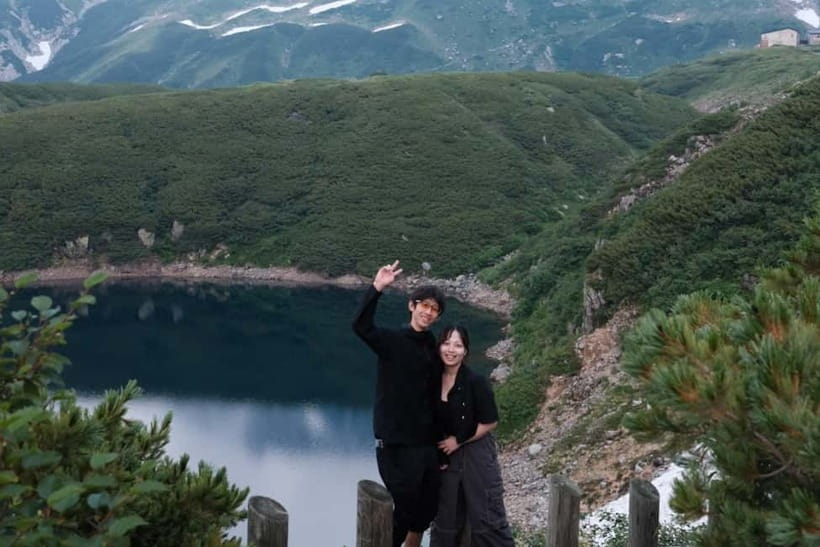
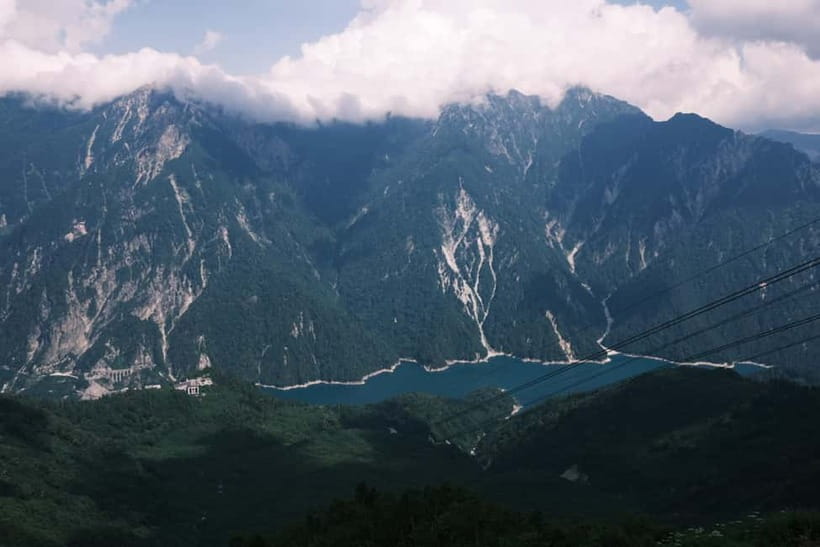
One of the stops that makes the day feel structured is Kurobe Dam. You spend about 1.5 hours there with a guided visit, plus you may do a short walk connected to the dam area. In practice, it works as a reset point in the middle of the ascent.
Here’s why that matters: the route up to Murodo isn’t just a straight line. It’s a progression of elevation and weather. A guided dam stop helps you slow down at a moment when you might otherwise just be thinking about how far you’ve got left. It gives you something interesting to learn and observe, and it makes the day feel paced instead of rushed.
From a traveler standpoint, it’s also a relief to have a planned stretch of time. You get chances to pause, take photos, and get your footing for the next transport segment. When the weather is right, the dam area can also offer strong viewpoints—perfect for a quick mental snapshot of what’s ahead.
Murodo Plateau at 2,450m: snow walls in spring, breezes in summer, and room to choose your walking pace
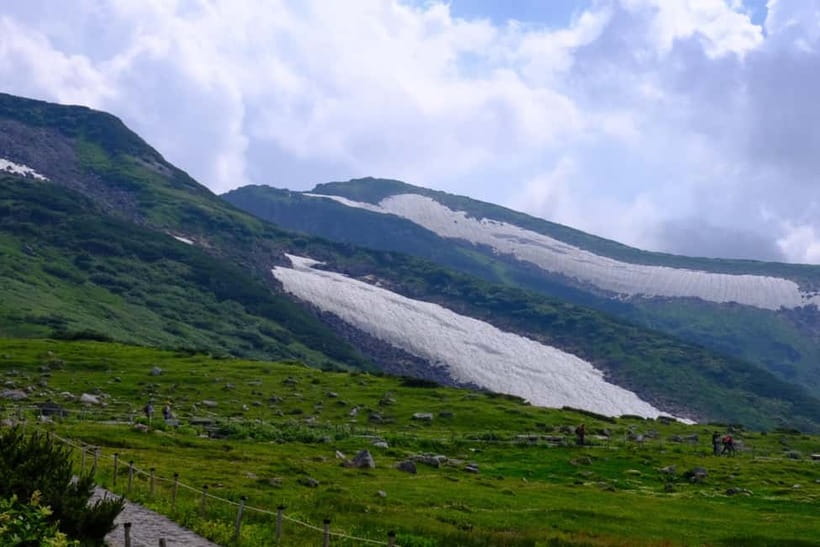
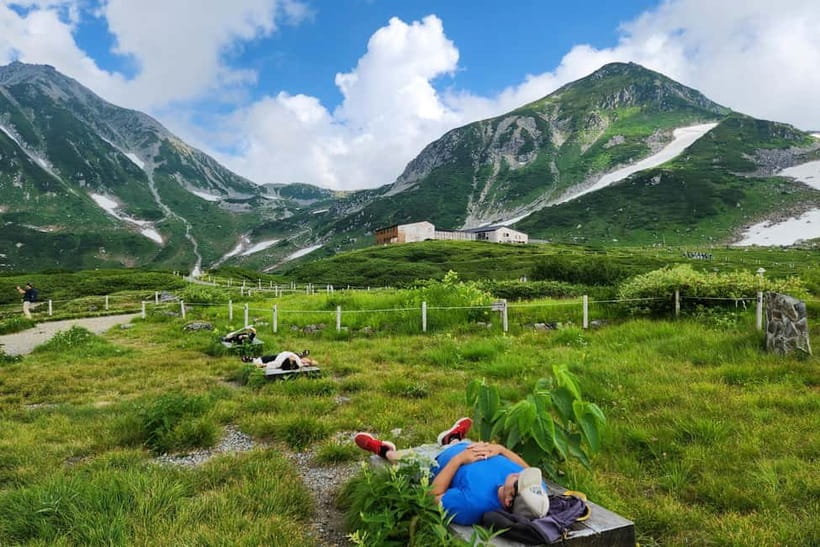
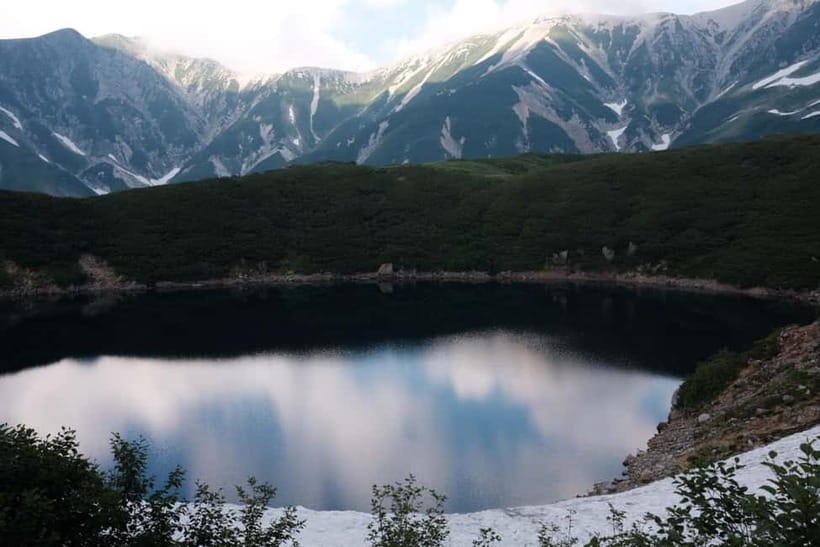
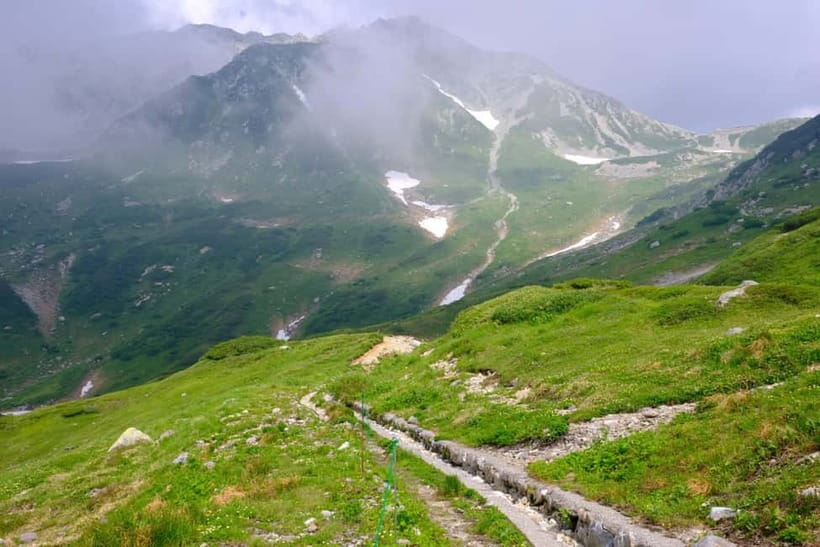
Murodo Plateau is the heart of the day. You’ll spend guided time here—about two hours—and then you’ll also have free time for about two more hours, so you can decide how much walking you want.
The seasonal highlights are the reason people chase this route. In April–June, the big draw is the snow walls, which can reach around 20 meters. It’s a surreal sight: you’re standing next to a wall that feels too tall to be real, and it changes your sense of scale fast. In July–August, you’re more likely to feel the cooler alpine air than the spectacle of snow, which can be a welcome break from warmer lower cities. In September–October, autumn leaves bring color and clarity, with crisp mountain light that makes photos look sharp even without heavy editing.
At Murodo, you’ll likely want to slow down and do two things: (1) pick a viewpoint, then (2) give yourself time to wander outward from it. One guide experience included a lot of flexibility—people could walk around for roughly two hours at the top, and the day didn’t feel forced. The tour also includes time to sit and take breaks, and there’s a restaurant option on-site if you want something more substantial than snacks.
If you’re traveling with a camera (or just a phone), plan on using your guide’s picture-taking help. Guides like Chris have been described as taking photos throughout the day and sending them later. That makes your personal photo collection more complete without needing to ask strangers.
One practical note: the “snow corridor” parts are seasonal. If you’re booking close to the edge of the season, the snow-wall experience might not be the same as peak months. The route’s closure in winter is confirmed, and seasonal variation is something you should keep in mind when setting expectations.






Price and value: what $220 covers, what costs extra, and how to judge if it’s worth it
The headline price is $220 per person for a 12-hour day with a private guide and private vehicle pickup/drop-off in the Nagano or Matsumoto area. The big value pieces included are:
- A private English-speaking guide for the day
- Round-trip private transport to/from Ogizawa Station
- Help managing transfers between each mountain transport segment
- Photo capture as a memory gift later
What’s not included is admission you pay on-site:
- Adult (12+): 12,300 yen
- Child (6–11): 6,150 yen
- Under 6: free when seated on an accompanying adult’s lap
So, is it worth it? In my view, it usually is—because you’re buying relief from the “puzzle” part of the route. The Alpine Route is iconic, but the logistics are the part that can wear you out. When a guide handles the moving pieces, you’re paying for time, clarity, and a smoother experience.
That said, I’d be honest about the total feeling. One person wished admission were included and felt the day was on the expensive side. If you’re very price-sensitive and you’re confident navigating the route on your own, you could potentially lower your cost by doing it independently. But if you care about comfort, timing, and having someone manage the transitions, the private format is where the value tends to land.
Who this Nagano-to-Murodo day suits best (and who might not love it)
This tour fits best if you want the Tateyama Kurobe Alpine Route without the stress of figuring out every segment. It’s especially good for:
- Couples and small groups who want privacy and a flexible pace
- First-time visitors to Nagano who don’t want to translate transit steps
- People who value a guide’s local context and practical guidance (you’ll hear insights tied to Japanese life from guides like Chris, including topics such as the school system and family life)
- Photo-focused travelers who want help capturing the day, not just thinking about it afterward
It may not be ideal if your budget is tight and you’d rather pay less than you’d get in convenience. It can also be a mismatch if your trip dates line up with a season when the snow-wall spectacle isn’t running at the same level—because the route’s standout spring moment depends on conditions.
Should you book this Alpine Route private day? My call
If your goal is to experience the Tateyama Kurobe Alpine Route and you don’t want the day to turn into a logistics scavenger hunt, I’d book this. The private guide support, transfer management, and built-in time at Murodo make the route feel human-sized, not overwhelming.
If you’re going in the prime snow-wall window, this tour gives you the best odds of enjoying that special part of the season without losing time. If you’re going in late summer or fall, you’ll still get the core experience: the ascent up to Murodo, guided stops like Kurobe Dam, and time to walk at your own pace.
Just plan one reality-check: admission is extra, and seasonal conditions change what you’ll see. If you budget for that and match your travel month to the type of scenery you want, this is a strong way to do one of Japan’s most famous mountain routes.
FAQ
How long is the Nagano: World’s Edge Tateyama Kurobe Alpine Route tour?
It runs about 12 hours.
Where do you get picked up?
Pickup options include Nagano, Hakuba, Togakushi, Matsumoto, Obuse, Kamiminochi District, and Azumino.
Do I need to pay admission separately?
Yes. Admission is paid on-site, and the tour price does not include it.
How much is admission on-site for adults and children?
Adult (12+): 12,300 yen. Child (6–11): 6,150 yen. Children under 6 are free when seated on an accompanying adult’s lap.
What transport do you use on the route?
You ride mountain transport segments that include electric buses, ropeways, and trolley buses up to the Murodo Plateau.
What is the highest point you reach?
You reach the Murodo Plateau at about 2,450 meters.
Is the tour private?
Yes, it’s a private group tour.
What languages are the guides?
The live guide can speak English and Japanese.
Is the route seasonal?
Yes. The route is closed in winter, and different seasons highlight different scenery.
Is free cancellation available?
Yes. You can cancel up to 24 hours in advance for a full refund.