REVIEW · TOKYO
Chill Out in Tokyo: Personalized Private Tours with Local Friends
Book on Viator →Operated by Howzit Japan · Bookable on Viator
Tokyo, minus the stress.
This private tour is interesting because you get a real local friend plan your day, not a one-size-fits-all loop. I like two things most: the customized itinerary you can steer with questions, and the easy start with pickup/meet-up so you don’t waste time figuring out logistics. One possible drawback: with a 2 to 4 hour limit, you’ll have to prioritize, so you won’t see everything on the long list of possible stops.
The guide model here matters. You’re walking with someone who knows Tokyo rhythm and can help you choose where crowds are worth it and where you can slow down. I also like that several guides from the Howzit Japan team show up in people’s stories by name, including Yu, Yuki, Kanta, Ayumi, Ikumi, and Yohei, and the common theme is adapting to your pace and interests.
Plan for comfort. This is a walking tour with some public transportation, so good shoes help, and you’ll still pay for meals and any transit costs not included.
In This Review
- Key things to know before you go
- Getting started at Shibuya Station without the map panic
- Price and pace: what $105.71 per person buys you in 2–4 hours
- Shibuya and Takeshita Street: youth culture with a plan for the crowds
- Meiji Shrine Imperial Garden and Yoyogi Park: your in-city reset button
- Shinjuku Gyoen National Garden: a quiet hour with ponds and bridges
- Asakusa and Senso-ji: traditional Tokyo with fortune slips
- Ueno Park, Ameyoko Center Building, and Akihabara: three shopping moods
- Tsukiji Fish Market and Odaiba: ingredients, then seaside Tokyo
- What your guide adds: personalization that actually changes the day
- Should you book Chill Out in Tokyo with Local Friends?
- FAQ
- How long is the Chill Out in Tokyo private tour?
- What are the pickup and meet-up options?
- Is the tour mostly walking or does it use public transportation?
- What stops are possible during the tour?
- What is included in the price, and what costs extra?
- What happens if weather is bad?
Key things to know before you go
- Private and flexible: your guide adjusts stops based on what you care about most.
- Meet-up support: you can arrange an optional meet-up at your desired location, and pickup is offered.
- Short stop times: many sights are treated like a focused look (often 15 to 30 minutes each) so you can sample more.
- A mix of Tokyo styles: neon streets (Shibuya, Takeshita, Akihabara) plus quiet nature breaks (Yoyogi Park, Meiji Shrine area, Shinjuku Gyoen).
- Free admissions at the listed sights: the included places shown are listed as admission ticket free.
- Food and transit are on you: you’ll want a budget for snacks and any rail/bus costs not included.
Getting started at Shibuya Station without the map panic
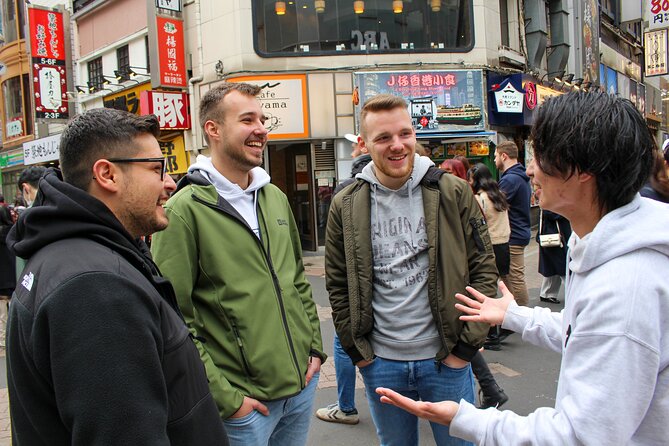
You start at Shibuya Station (2 Chome-24, Shibuya, Tokyo). That’s a smart anchor point because it’s a major transit hub, which makes meeting up easier than choosing a random neighborhood corner.
Pickup is offered, and the tour notes that vehicles are not typically used. In plain terms, expect to be met, then move mostly by foot, with some public transportation when it saves real time. If you’re staying near Shibuya, you’ll likely feel the benefit right away because you’ll spend more hours sightseeing and less time hunting for trains.
If you’d rather begin somewhere else, there’s an optional meet-up at your desired location. That flexibility can be a big deal if you’re coming from a hotel that’s far from Shibuya or you want to start after breakfast without running across town first.
You can also read our reviews of more private tours in Tokyo


Price and pace: what $105.71 per person buys you in 2–4 hours
The price is $105.71 per person for a private tour lasting about 2 to 4 hours. That’s not “cheap,” but private time in central Tokyo usually isn’t. Where this can feel good value is when you care about customization—because the guide isn’t just moving you between stops, they’re helping you pick what fits your day.
Here’s what matters for planning your money:
- Included: the private guide time, the walking tour, and pickup (with the note that they typically don’t use vehicles), plus a mobile ticket.
- Not included: food and drinks, hotel drop-off, transportation fee, and lunch for yourself (and the guide’s lunch) is usually 1,000 to 3,000 JPY per person.
Because transportation fees aren’t included, don’t forget to budget a bit for subway rides or local transit if your route uses them. Also remember: many of the listed stops are marked as admission ticket free, so your big “cost” is usually simply time, not entry fees.
On the pace side, the itinerary’s stop durations suggest a “quick but meaningful” style—think short walks, photos, and a bit of context rather than long museum-grade sessions. If you’re the type who wants to linger for an hour in one place, tell your guide early so they can reduce the number of stops.
Shibuya and Takeshita Street: youth culture with a plan for the crowds
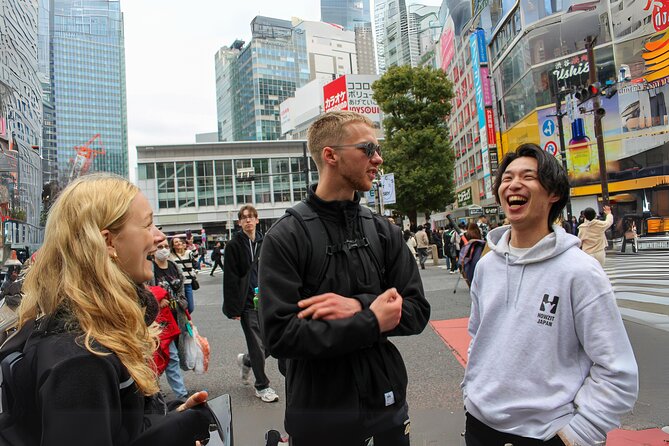
Shibuya is where Tokyo shows off. You’ll likely spend time around Shibuya Scramble Crossing, the iconic intersection where crowds surge across at once. It’s fun to see, and it’s also chaotic in a way that can drain your photos if you’re standing in the wrong spot.
This is exactly where a guide helps. Instead of just waiting for the light cycle, you can ask for the best angle to watch the crossing flow, and you can time it based on how your group feels about busy streets.
From there, the tour can include Takeshita Street, famous for pop culture shops, fashion boutiques, and snack stops like crepes and ice cream. Expect a dense, lively walk with lots to look at. The tradeoff is that it’s narrow and crowded, so it’s not the best pick if you want a quiet stroll.
Time-wise, Takeshita Street is short in this format (about 15 minutes). That’s actually useful. It keeps the walk from turning into a tiring browse marathon and leaves room for a calmer stop afterward.
Meiji Shrine Imperial Garden and Yoyogi Park: your in-city reset button
Tokyo can feel nonstop. That’s why the tour’s nature pieces matter.
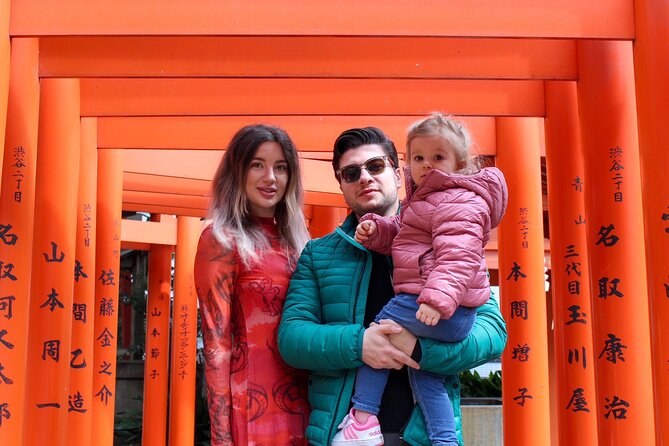
One of the most satisfying combinations is Meiji Shrine Imperial Garden plus Yoyogi Park. The shrine area is a tranquil, wooded walk where you can slow down and take in the calm right in the middle of the city. Even if you’re not into temples, the atmosphere is the point: shade, birdsong feel, and space to breathe.
Yoyogi Park adds the outdoor layer. It’s a nature-rich park known for events and festivals, and it’s great for walking, picnicking, jogging, or cycling depending on the day and season. If you’ve been stuck in indoor subways or shopping streets, this is your chance to stretch your legs and regroup.
In this tour format, each of these stops is often around 30 minutes. That’s long enough to feel the change, not so long that you lose momentum.
Shinjuku Gyoen National Garden: a quiet hour with ponds and bridges
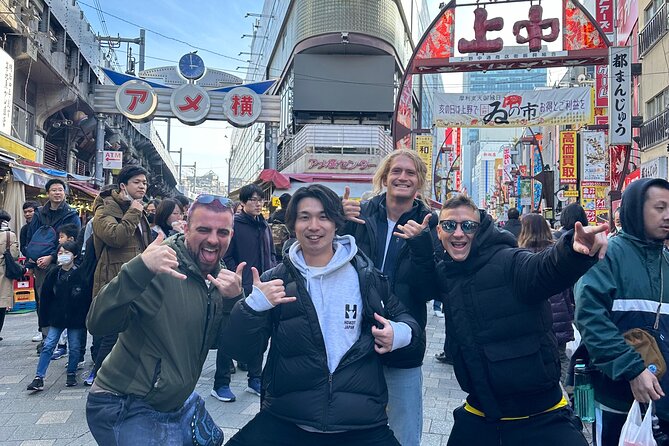
Shinjuku Gyoen National Garden is a smart stop if you want Tokyo greenery without leaving the city. It’s described as a Japanese garden with ponds, streams, and bridges, and the flora changes with the seasons.
In practical terms, it’s a place where you can slow your pace and enjoy the scenery at eye-level instead of chasing street-level signs and neon. If your group includes both photo people and people who need a break from crowds, this is a good compromise.
Your time here is typically short (about 15 minutes). If you want more, ask your guide for a longer walk through the garden paths and a quick photo route that still avoids turning it into a rushed sprint.




Asakusa and Senso-ji: traditional Tokyo with fortune slips
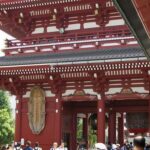
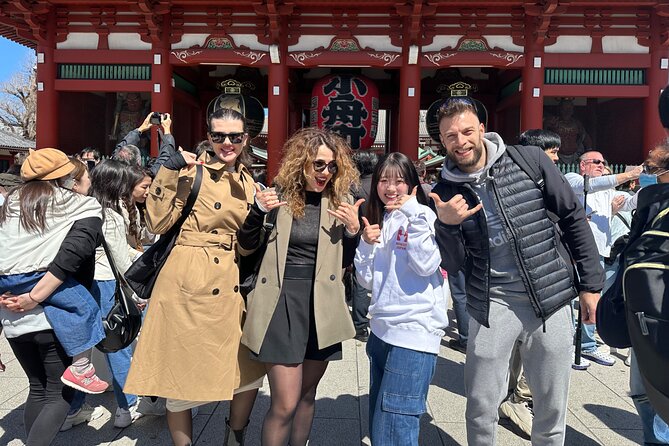
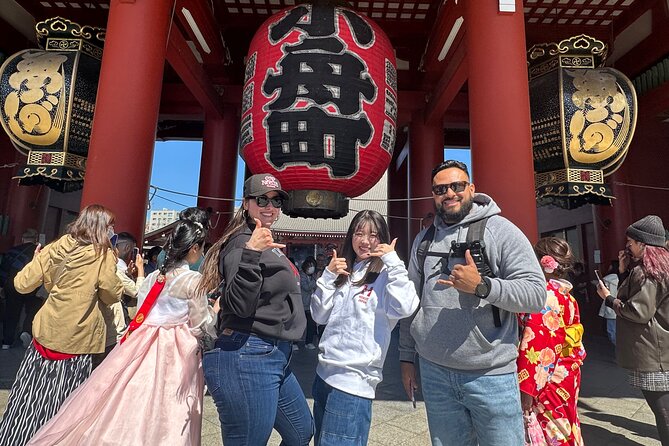
When the tour includes Senso-ji Temple in Asakusa, you’re stepping into older Tokyo culture. It’s one of the city’s oldest traditional temples, and the experience begins with the approach path from the Thunder Gate.
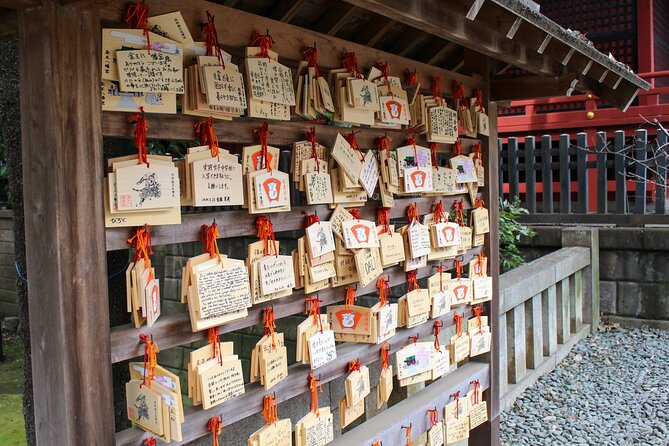
What makes this stop feel different isn’t just the temple building. It’s the whole rhythm of the walk. You can draw fortune slips and buy amulets, which adds a fun hands-on element even if you don’t fully know the customs.
The time window here is usually short (around 15 minutes). That’s enough for a focused look at the main sights and the atmosphere, but not enough if you want deep exploration of side alleys or long pauses to observe every ritual.
If you’re easily overwhelmed by crowds, tell your guide and ask for a calmer route through the approach path. A private guide can often adjust your walking flow more than a group tour can.
Ueno Park, Ameyoko Center Building, and Akihabara: three shopping moods
The tour can stretch beyond the classic temple-and-neon pattern by mixing shopping streets and city parks.
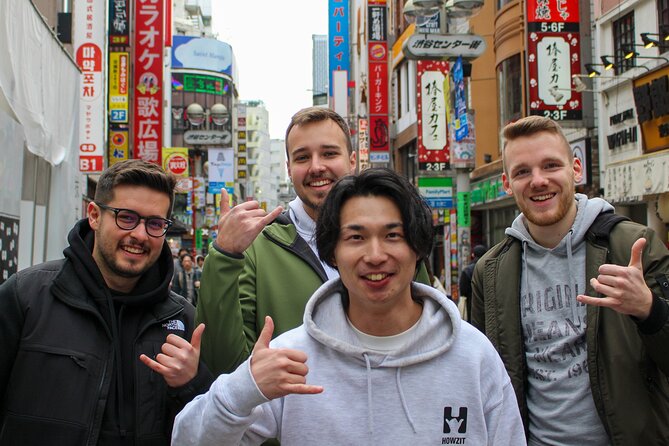
Ameyoko Center Building is a traditional shopping street area associated with stalls and eateries. It’s known for street food like takoyaki, okonomiyaki, and skewers, plus plenty of clothing and knick-knack browsing. If your group likes snacking, this is where you can turn sightseeing into a practical food crawl.
Then there’s Ueno Park, which combines nature with cultural options nearby. It’s a place for strolling and picnicking, and it sits near major attractions like the Ueno Zoo and Tokyo National Museum. Even if you don’t go inside museums, the park loop gives you that decompression space.
Finally, Akihabara brings the electronics and otaku culture energy. It’s built for browsing—electric stores, anime merchandising, and a whole different kind of Tokyo mood. It’s a great stop if you want something more specific than generic souvenir shops, because you’ll see products you can’t easily find at home.
Each of these stops is marked with admission ticket free and short time blocks (often 15 minutes), so use your guide to focus your browsing:
- Ask what’s worth your time if you only have a short window
- Decide early if you want electronics, anime merch, or casual people-watching
Tsukiji Fish Market and Odaiba: ingredients, then seaside Tokyo
Food and views give this tour a satisfying arc.
Tsukiji Fish Market is described as Tokyo’s most famous market, known for fresh seafood and ingredients. The market area includes sushi and seafood restaurants, plus shops selling seafood, condiments, and souvenirs. In this format, it’s usually a quick look (about 30 minutes), so I’d treat it like a “see the place and pick one or two food moments” stop unless your guide builds in more time.
Then Odaiba adds the futuristic, waterfront feel. It’s an island district with entertainment options and a resort-like atmosphere. If the timing works, you can walk at places like Odaiba Seaside Park and enjoy views such as the Rainbow Bridge night scene. The tour time there is often short (about 15 minutes), so again, use the guide to prioritize your favorite vibe—shopping malls, seaside stroll, or the views.
If you’re doing this kind of loop in one day, the order matters. Starting earlier with market energy and then shifting toward calmer waterfront scenery often lands better than flipping it.
What your guide adds: personalization that actually changes the day
This tour’s value isn’t just the route. It’s the way the day changes based on you.
A private guide means you can ask questions while you’re walking, instead of waiting for a group bus schedule. You can also steer the balance: more nature breaks if you’re tired, more shopping if you’re hunting specific stuff, or more traditional sights if that’s your priority.
Guide names from the Howzit Japan team show up in people’s experiences in a way that tells you what to expect. Yu and Yuki are associated with planning that works for first-time visitors and families—helping different members of a group get their must-sees. Kanta is tied to market-to-temple planning that can work well for families who want structure without feeling rigid. Ayumi is noted for being able to match the pace to physical needs, including cases where a guest had a bad leg day. Ikumi also appears in stories as very informational and warm, especially for people focusing on Asakusa.
That matters because Tokyo can be physically demanding. If you tell your guide you want an easier walking day, they can often adjust how you move between stops. If you’re the type who loves learning little details—why a street looks the way it does, or what to watch for in a temple area—ask. That’s part of the private format.
My practical tips to get the best outcome:
- Send your guide a short list of your must-sees and your must-avoids before you meet
- Tell them your walking comfort level so they don’t pack too many quick stops
- Bring cash or a payment method for snacks at markets and street food stops
- Wear shoes that can handle crowded sidewalks and stairs (Tokyo loves both)
Should you book Chill Out in Tokyo with Local Friends?
Book it if you want Tokyo tailored to your interests and you like the idea of asking questions while you move through the city. It’s a strong match for first-timers who feel overwhelmed by Tokyo’s size, families with different interests, and anyone who wants a calmer, smarter plan than a fixed group schedule.
Skip it or rethink the format if you’re expecting a long, slow, deep exploration of every major landmark. This tour is built for short looks and smart selection, not all-day wandering.
If you have a 2 to 4 hour window and you care more about the right neighborhoods than checking every box, a private guide from Howzit Japan is a practical way to make Tokyo feel doable fast. And honestly, that alone can be worth the price.
FAQ
How long is the Chill Out in Tokyo private tour?
The tour runs about 2 to 4 hours, depending on how you structure your time.
What are the pickup and meet-up options?
Pickup is offered, and there is an optional meet-up at your desired location. The start point listed is Shibuya Station (2 Chome-24, Shibuya, Tokyo), and the tour ends back at the meeting point.
Is the tour mostly walking or does it use public transportation?
It’s mainly a walking tour, with some public transportation used as needed.
What stops are possible during the tour?
The tour can include places such as Shibuya, Yoyogi Park, Meiji Shrine Imperial Garden, Takeshita Street, Shinjuku Gyoen National Garden, Senso-ji Temple, Ameyoko Center Building, Ueno Park, Akihabara, Tsukiji Fish Market, and Odaiba. The exact mix is flexible based on your interests.
What is included in the price, and what costs extra?
Included: private personalized experience, the 2 to 4 hour guide time with pickup, walking tour (with some public transportation), and a mobile ticket. Not included: food and drinks, hotel drop-off, transportation fee, and lunch for yourself (and the guide’s lunch, usually 1,000 to 3,000 JPY per person).
What happens if weather is bad?
The experience requires good weather. If it’s canceled due to poor weather, you’ll be offered a different date or a full refund.