REVIEW · TOKYO
Join a Unique Cultural Ceremony at Tokyo’s Meiji Shrine
Book on Viator →Operated by 明治神宮で本物の日本文化を体験 · Bookable on Viator
Silence in the shrine hits different. This small-group gokito tour puts you in the rare sacred spaces of Meiji Shrine, with a live Shinto prayer ceremony that most people never get to witness. I especially like the calm walk through the forest paths and the atmosphere inside the ceremonial hall, where priests chant and ancient music carries through the room. One thing to consider: you’ll do some walking on uneven shrine grounds, and the experience depends on good weather.
I also like that you get a professional photographer capturing 30+ key moments, so your memories don’t end up as blurry phone pics. And the handmade onigiri—made with premium Japanese rice—works nicely as either a pre-tour bite or a post-tour snack. At $198.81 per person, it’s not the cheapest way into Meiji Shrine, but the combination of exclusive access and the ceremony fee is what makes it feel worth it.
In This Review
- Key highlights before you go
- Walking from Yoyogi Station into Meiji’s quiet world
- Why the Shinto gokito ritual is the real prize
- Inside the ceremonial hall: sound, stillness, and etiquette
- The quiet forest walk isn’t a warm-up. It’s part of the meaning.
- A photo plan that doesn’t ruin the ceremony
- Handmade onigiri with premium rice, timed right
- Guide support with official Meiji Jinguu membership
- Price and value: $198.81 and what you’re really paying for
- Practical tips for a smooth, respectful ceremony
- Should you book this Meiji Shrine gokito tour?
- FAQ
- How long is the Meiji Shrine ceremony tour?
- What ceremony will I witness during the tour?
- Is an English-speaking guide included?
- What is included in the tour price?
- Is onigiri included, and when will I eat it?
- Do I need coins for offerings?
- How many people are in the group, and where do we meet?
- What if the weather is bad or I need to cancel?
Key highlights before you go
- A live Shinto prayer ceremony (gokito) in a ceremonial hall, with chanting and traditional music
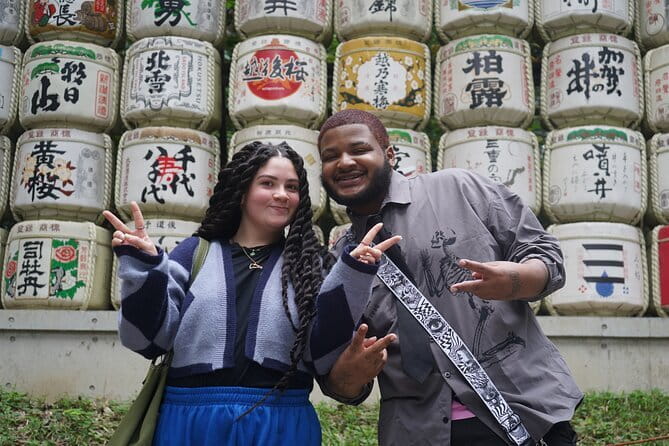
- Exclusive access to sacred areas not usually open to the public
- Forest-path calm at one of Tokyo’s most iconic spiritual places
- 30+ professional photos taken at meaningful moments
- Handmade onigiri with premium Japanese rice, timed as breakfast or snack
- Max 6 people, so the guide can keep things relaxed and questions welcomed
Walking from Yoyogi Station into Meiji’s quiet world
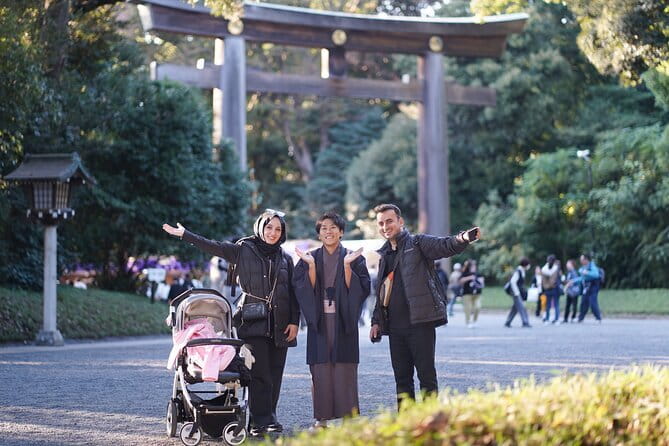
You start near Yoyogi Station (Yoyogi, Shibuya) and the experience ends back around the same meeting spot. Expect a smooth start with a mobile ticket and a guide who’s fluent in English and formally connected to Meiji Shrine’s community through official Meiji Jinguu membership.
Then comes the best part: you’re not immediately talking over crowds. You move into the shrine grounds along peaceful forest paths, where Tokyo noise fades fast. It’s one of those places where you realize how much your day usually runs on speed, not stillness.
The tour timing is about 2 hours 30 minutes, which is long enough to feel like a real experience, but short enough that you don’t blow your whole day. With a group capped at six people, the pace stays human—no herd behavior, no standing in a long line just to shuffle forward.
You can also read our reviews of more tours and experiences in Tokyo.



Why the Shinto gokito ritual is the real prize
The star of this tour is witnessing a traditional Shinto prayer ceremony called gokito. This is not just a look-at-temples kind of stop. You’ll step into the ceremonial hall and watch priests perform sacred chants and music—an uncommon chance for visitors.
The key detail is the setting. Inside, you’re in a wooden hall with high ceilings, and you can sense the space—cypress scent is part of the experience, and the sound design is the point. Flutes and drums echo through the room while prayers are chanted, creating an atmosphere that feels controlled, deliberate, and calm.
Here’s what I think makes this so powerful for first-timers: you don’t need to understand the words. You’re guided to sit, listen, and take it in. That turns the ritual into something you experience with your senses, not your vocabulary. People often describe it as calming, even moving, and that tracks with the way the ceremony is framed: quietly serious, not showy.
Also, this is not presented as a debate about religion. The goal is connecting to something quietly powerful in Japanese culture. Think of it like learning the meaning behind the ceremony, not trying to convert anyone to it.
Inside the ceremonial hall: sound, stillness, and etiquette
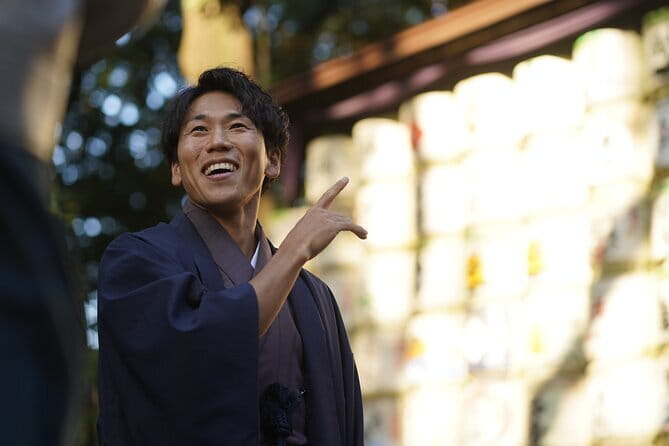
Once you’re in the ceremonial space, the focus shifts. Priests chant ancient prayers and perform in a hall where the acoustics help the music travel. Reviews point out the sound of traditional court music and the steady flow of chanting, and the description of flutes, drums, and the hall’s atmosphere matches that feeling of old-world formality.
What you should do is simple: stay respectful, stay quiet, and follow your guide’s pacing. You’re not there to talk through the ceremony or treat it like a normal attraction. You’ll get much more out of it if you let the hall lead.
There’s also something practical here. A guide who knows Meiji Shrine (and has lived abroad) helps you understand what you’re seeing without turning it into a lecture. You don’t need to memorize terminology. You just need enough context to notice what matters—like the purpose of the offering, the rhythm of the prayers, and why this space isn’t open like a typical sightseeing spot.
The quiet forest walk isn’t a warm-up. It’s part of the meaning.

The forest path through Meiji Shrine isn’t just transportation between points. It’s the cultural mood-setting. The stillness of the grove helps you slow down, and that matters because you’re about to enter a ceremony that depends on attention and calm.
I like that the tour starts this way. If you go from bright street life straight into a sacred hall, it can feel jarring. Here, the walk helps you get your head and shoulders down. The group stays small, so you don’t feel like you’re constantly squeezing around other people.
You also get a bit of cultural framing along the way—how Japanese traditions relate to daily sensibilities. One guide connected by name in feedback is Kohei, and the praise highlights a “genuine connection” to traditions through his passion and knowledge. Even if you’re not with Kohei specifically, the guide role is designed to help you make meaning out of the place.
A photo plan that doesn’t ruin the ceremony

Yes, there’s a photographer. But the smarter part is that the photos are tied to significant moments, not just a free-for-all snapshot spree.
You’ll get professional photography covering 30+ photos. The idea is that you spend the ceremony staying present, while someone else handles the timing, angles, and lighting. That’s the difference between coming home with a few decent frames and having a full set you can actually share.
The photographer joins you during the experience and focuses on key beats. That also helps keep the flow from breaking. You don’t have to constantly ask for pauses or step out of the ritual to find your perfect angle.
One more value point: these moments happen quickly. Priests don’t run on your schedule. Having a pro there means you’re not relying on luck with your phone camera while you’re also trying to be respectful.





Handmade onigiri with premium rice, timed right
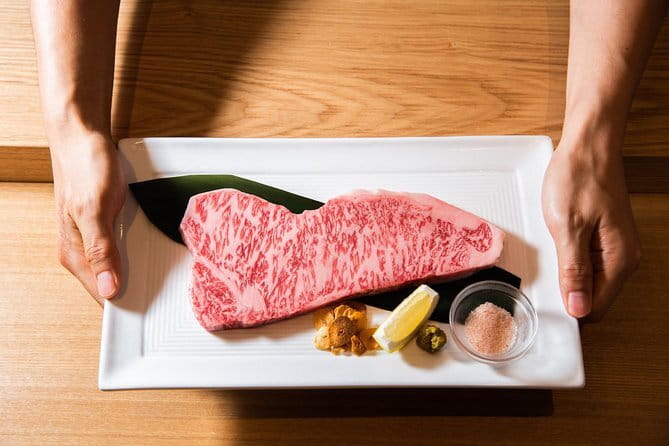
Before or after the ritual, you’ll enjoy onigiri—rice balls made with premium Japanese rice. This is not treated like a side snack. It’s folded into the tour rhythm so you have something local and comforting at the right time.
What I like about this touch is that it keeps the experience grounded. You’re learning about tradition, but you’re also taking part in a simple food ritual that’s very Japan. The onigiri is described as handmade and not the typical convenience-store version.
If you’re sensitive to hunger during quiet experiences, this helps a lot. A ceremony in a still hall isn’t the place to realize you forgot lunch. The tour’s timing gives you an easy fix without you having to hunt for food in the middle of shrine hours.
Guide support with official Meiji Jinguu membership
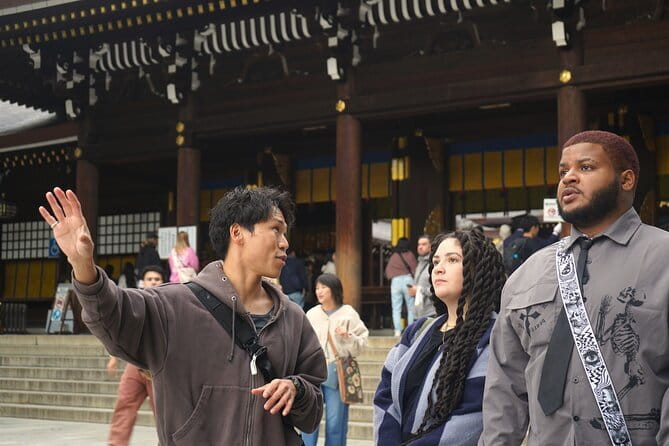
The guide is fluent in English and holds official Meiji Jinguu membership, which matters more than it sounds. It’s not just someone who can point at structures. You get cultural context tied to the shrine’s own community understanding.
In feedback, people mention warmth and attentiveness, plus answers to questions that come in naturally during a small-group walk. That’s what you want when you’re visiting a place with centuries of meaning and multiple layers of symbols.
Kohei is specifically named in one piece of feedback for passion and cultural depth, and that’s a helpful sign. When a guide can connect what you’re seeing to how Japanese people think and behave, your visit stops being “pretty photos” and turns into something you understand.
Price and value: $198.81 and what you’re really paying for
At $198.81 per person, this isn’t a budget add-on. But it’s also not priced like an overproduced show. The value logic here is pretty clear:
- You’re paying for a fee to experience the traditional praying ritual
- You’re getting exclusive access to sacred areas not usually open to the public
- You’re getting a fluent English guide with official Meiji Jinguu membership
- You’re also receiving professional photography and handmade onigiri
If you go to Meiji Shrine on your own, you can absolutely enjoy the grounds. But you won’t have the same kind of access to the sacred areas or a guided, ceremony-focused experience that explains what you’re seeing.
So I see this tour as best for people who want more than a sightseeing checklist. If your goal is to feel the shrine’s atmosphere and witness a ritual up close, the price starts to make sense. If your goal is only to tick Meiji Shrine off your Tokyo list, you might not need this level of structure and service.
Practical tips for a smooth, respectful ceremony
This is a serene experience, which means small details make a big difference.
Wear comfortable shoes. The tour says moderate physical fitness is needed, and you’ll be walking the shrine’s paths. Keep your pace easy and follow the guide’s lead.
Bring small cash if you plan to make an offering. Coins for the offering box are not included, and the tour also notes coins aren’t provided for buying any goods. If you want to participate in offerings, having a little cash ready avoids stress.
Also plan for weather. The experience requires good weather, and if it’s canceled due to poor weather, you’ll be offered a different date or a full refund. That’s not a minor footnote. It directly affects whether you get the ceremony as planned.
Finally, keep your voice low. Even if you’re excited, the whole point is stillness. The hall’s power comes from quiet attention, not from background chatter.
Should you book this Meiji Shrine gokito tour?
Book it if you want the real ceremonial experience at Meiji Shrine—specifically the Shinto gokito prayer in a sacred hall and the kind of guided context that helps you understand what you’re seeing. I think it’s especially worth it for first-timers who feel a little lost at major shrines and want structure without losing the calm.
Skip it if your idea of Meiji Shrine is mostly walking the grounds, taking a few photos, and moving on. If you’re not interested in ritual access or don’t care about the ceremony part, you’ll likely feel the price more than you feel the experience.
If you want a thoughtful start to your Japan trip—one that’s peaceful, cultural, and genuinely different—this hits the mark. The small group size, the guide’s connection to the shrine, the ceremony fee, and the photo coverage all work together so you leave with more than memories. You leave with something that feels understood.
FAQ
How long is the Meiji Shrine ceremony tour?
The tour is about 2 hours 30 minutes.
What ceremony will I witness during the tour?
You’ll witness a traditional Shinto prayer ceremony called gokito in a ceremonial hall.
Is an English-speaking guide included?
Yes. The tour is guided by a fluent English-speaking guide with official Meiji Jinguu membership.
What is included in the tour price?
The price includes all fees and taxes, plus the fee to experience the traditional Japanese praying ritual.
Is onigiri included, and when will I eat it?
Yes. You’ll enjoy traditional onigiri made with premium Japanese rice, either as a pre-tour breakfast or a post-tour snack.
Do I need coins for offerings?
Coins for the offering box are not included, so if you plan to make an offering, bring some coins.
How many people are in the group, and where do we meet?
The group size is capped at a maximum of 6 travelers. You meet at Yoyogi Station (Yoyogi, Shibuya, Tokyo 151-0053, Japan) and the tour ends back at the meeting point.
What if the weather is bad or I need to cancel?
The experience requires good weather. If it’s canceled due to poor weather, you’ll be offered a different date or a full refund. Cancellation is free up to 24 hours before the experience starts for a full refund.