REVIEW · TOKYO
Tokyo: Private Morning Run with Sento Bath Experience
Book on GetYourGuide →Operated by Kina International · Bookable on GetYourGuide
Run Tokyo before it hits full speed. This private Tokyo morning 10K with Aki pairs easy running through Harajuku and Aoyama with a real ending at a sento bath, plus local stories that make the streets feel personal. One thing to watch: the sento isn’t available on Thursdays, and the pace is friendly rather than training-hard.
I like how the route is set up for comfort first: you’ll run at about 6–8 km/h, with walking options or a shorter course if you need it. The tour is also private, so you’re not squeezed into a crowd.
The value is in the add-ons. The price covers the bath admission, towels, a coin locker, and water, not just a run. Food is on you, though, so plan a breakfast or snack before or after.
In This Review
- Key takeaways
- Tokyo by 7 a.m.: why this kind of run works so well
- Meeting in front of Dior at Harakado: first steps and what to bring
- Harajuku and Aoyama green-belt running: the streets before the crowds
- The local rhythm: stories, trivia, and a shrine moment
- Post-run Zen: the sento bath experience that ends the tour
- Pace, fitness, and who should book (and who shouldn’t)
- Price and value: is $48 really fair for a 10K plus a bath?
- Before and after tips: make the day feel smooth
- Should you book this Harajuku–Aoyama run with a sento finish?
- FAQ
- Where is the meeting point for the tour?
- Is this a private tour?
- How long does the tour last?
- How far do we run, and what pace should we expect?
- What’s included besides the running?
- Is the sento bath experience included on Thursdays?
- What languages does the guide speak?
- What should I bring?
- Is food included, and are there any rules like smoking?
- What is the cancellation policy?
Key takeaways
- A relaxed 10K (about 6–8 km/h) you can shape to your fitness
- Aki’s stories make Harajuku and Aoyama feel lived-in, not just scenic
- Sento bath entry with towels and a coin locker
- A quiet rhythm in the morning, before Tokyo fully turns on
- No sento on Thursdays sessions
Tokyo by 7 a.m.: why this kind of run works so well
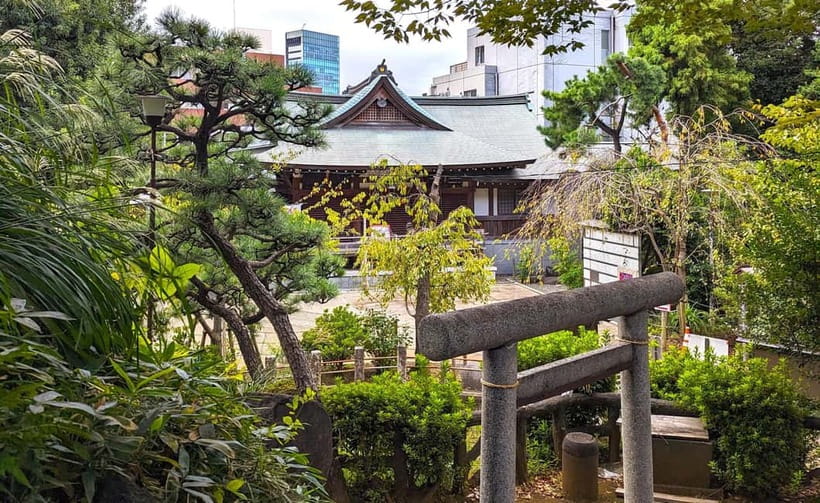
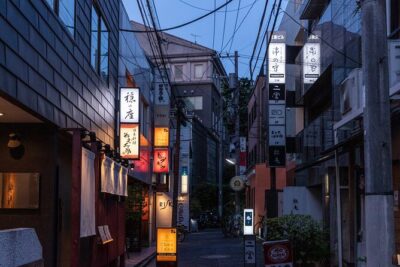
Tokyo in the morning has a calmer texture. You still get the city energy, but you’re not fighting peak crowds. That’s the whole point of an early private Tokyo morning run: you get movement, fresh air, and the chance to notice small things you’d miss at midday.
This is also a smart format if you want culture without sitting through a lecture. You’re covering about 10 kilometers, at a relaxed pace, while a guide points out the mix of old rituals and newer Tokyo attitudes you’ll only catch if someone knows where to look.
The running part matters too. It’s not a sprint-and-smile photo chase. The pace range (around 6–8 km/h) is geared for casual joggers and comfortable distance runners. If you like getting your body warmed up before your day turns busy, this is a very efficient way to do it.
You can also read our reviews of more private tours in Tokyo

Meeting in front of Dior at Harakado: first steps and what to bring
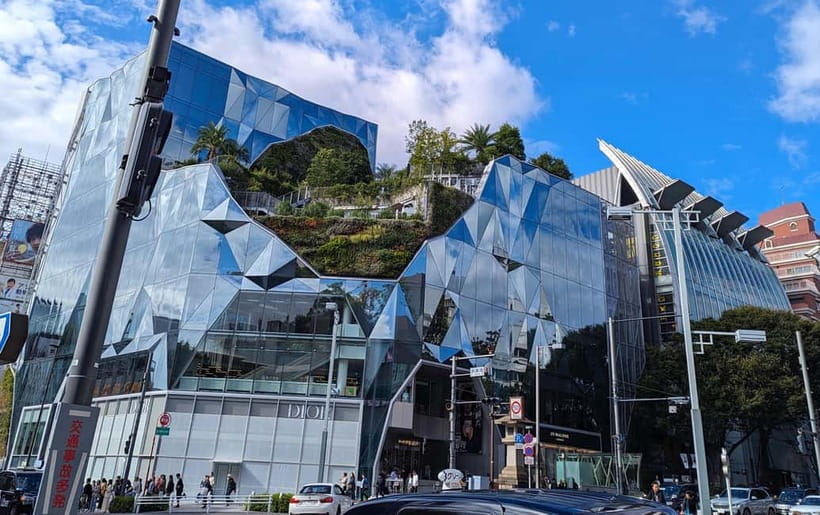
Your tour meets at Tokyu Plaza Harajuku (Harakado), in front of Dior. The guide wears a white cap, so it’s not hard to spot them once you’re standing at the right spot.
Come prepared like you’re starting a real run, not just a sightseeing walk. You’ll want:
- Comfortable shoes you trust for about 10K
- A change of clothes for the bath portion
Good news for packing: the tour includes towels and a coin locker, so you’re not scrambling for basics once you arrive. Water is included as well, which helps because the run is early and you may not have had time to buy anything.
Two small rules also keep things smooth. Smoking isn’t allowed, and the experience is designed for adults and teens 16+ (children under 16 aren’t suitable). If you have any mobility limitations or heart-related issues, this isn’t the right fit.
Harajuku and Aoyama green-belt running: the streets before the crowds
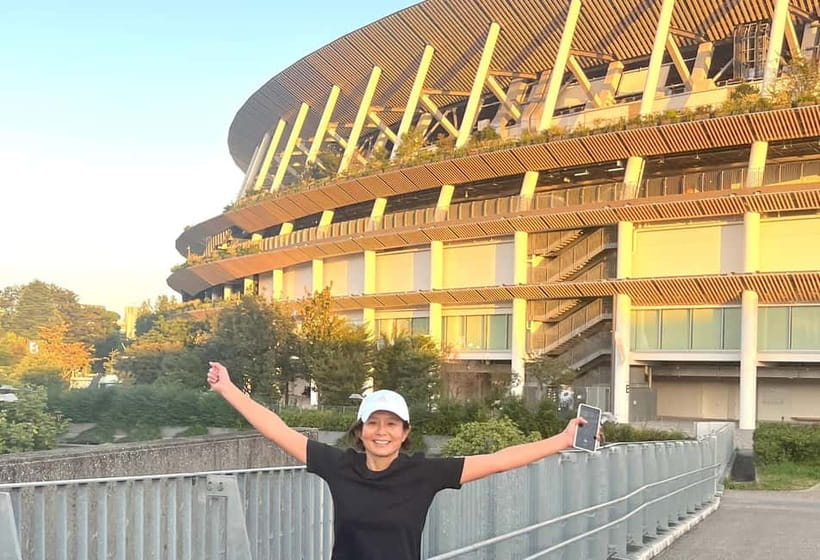
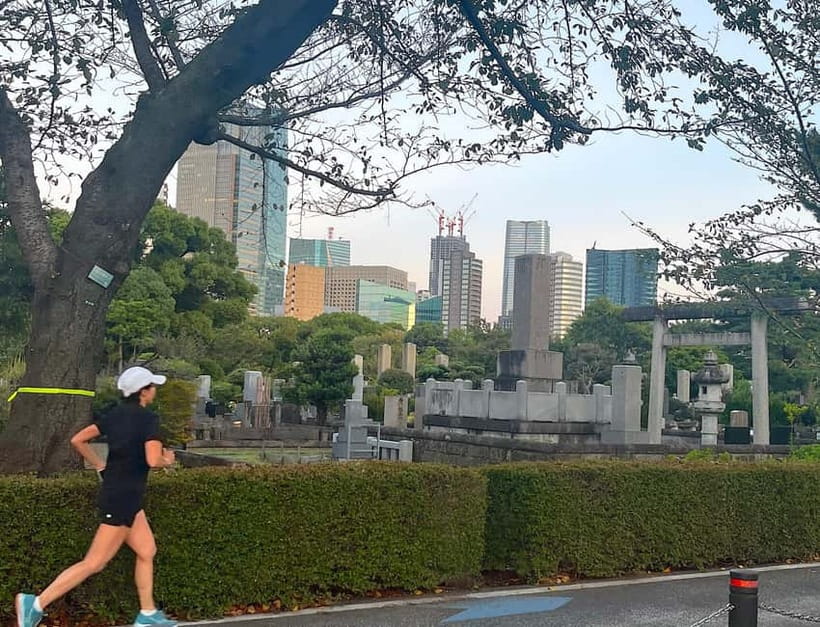
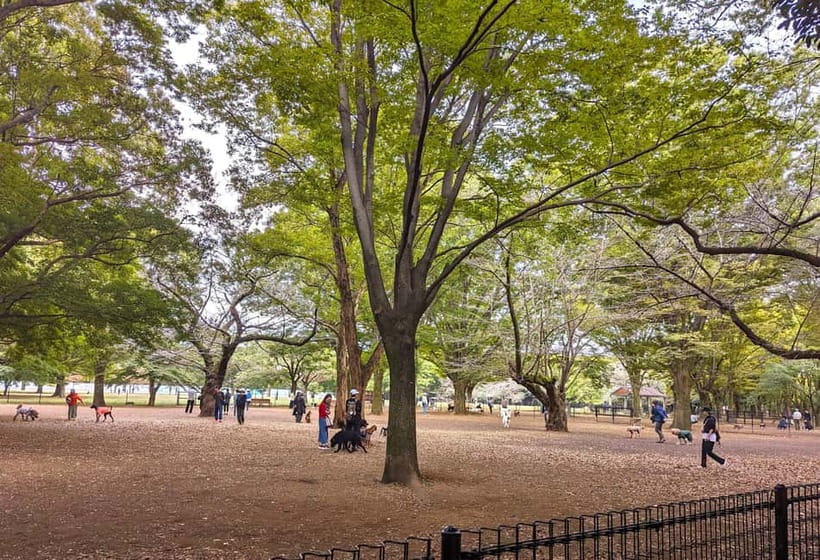
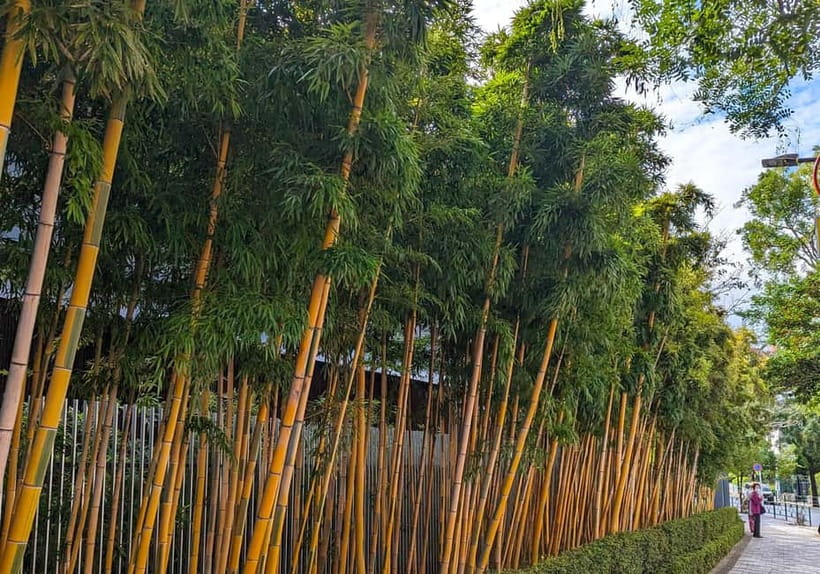
The route focuses on Harajuku and Aoyama, with a serene stretch that feels greener than most people expect in central Tokyo. You’ll pass through areas that look different depending on the light and the hour, and you’ll do it with time to actually notice.
You start near Tokyu Plaza Harajuku (Harakado) and then move into spots around Yoyogi Park and the surrounding neighborhoods. From there, the tour keeps you on routes that feel manageable on tired legs. Expect a mix of main roads and side streets, with the guide sharing local stories as you go.
There’s also a “secret stop” style moment built in, plus a viewpoint and another tucked-away location. Those are the stops that tend to create the biggest payoff because they break the pattern. Instead of seeing only the obvious, you get a sense of where people actually go for calm, for views, and for everyday life.
One important detail for your planning: your guide can adjust the route. That means you’re not locked into a rigid “no walking” plan. You can take short walking sections, or switch to a shorter course if you prefer. For many people, that flexibility is what turns a 10K from intimidating into enjoyable.
The local rhythm: stories, trivia, and a shrine moment
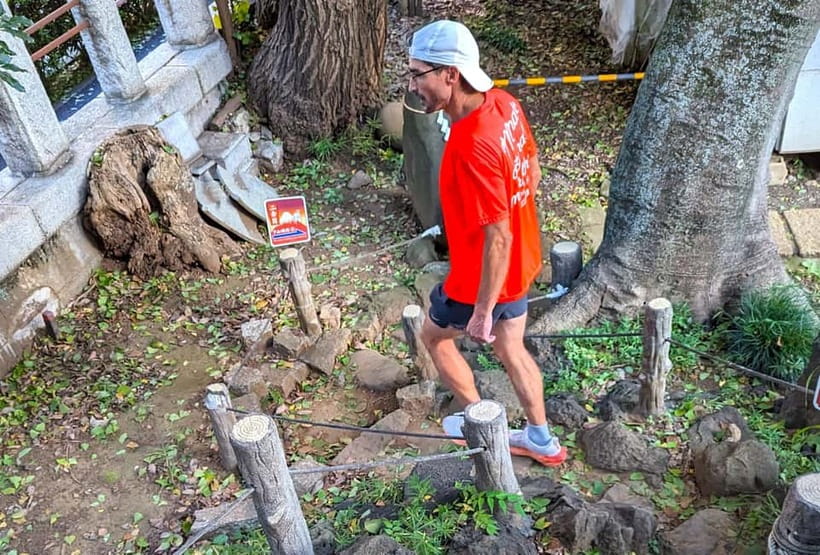
Running with Aki isn’t just about where you go. It’s also about what you notice while you’re moving.
Expect stories and trivia woven into the walk-run rhythm. This is where the tour feels most “Tokyo,” because the guide helps you read the city like a local—small customs, naming clues, and cultural context you’d never guess from the street alone.
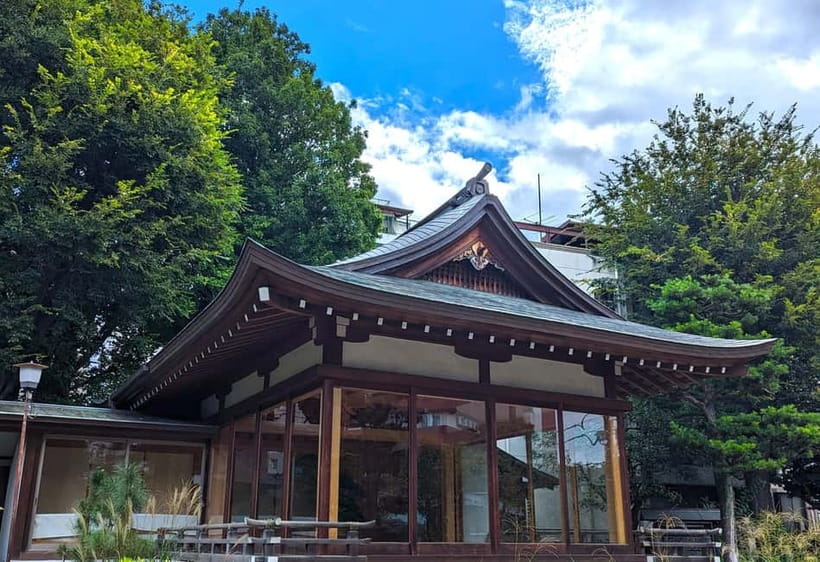
A highlight for at least one runner is a stop at a small local shrine, with the guide walking you through the respectful process of paying attention there. That’s not the kind of moment you’d stumble upon correctly without help. You’re not just observing; you learn how to participate in a way that feels appropriate.
The practical takeaway: be ready to pause. Even if you’re moving most of the time, a shrine stop (or any etiquette lesson) means a little stillness, a little listening, and a chance to reset your breathing before the next stretch.
Post-run Zen: the sento bath experience that ends the tour
The finish is the part that makes this tour more than exercise. A Japanese public bath (sento) is included, and it’s set up as the classic Tokyo ritual after a morning run.
What you get:
- Admission to the sento (included)
- Towels and a coin locker (included)
- Guide tips so you feel comfortable with the layout and customs
- Separate facilities for men and women
The separate facilities detail matters. It’s one of those things you don’t want to figure out while you’re half-distracted by changing clothes. Since your guide provides tips, you can focus on the experience instead of the logistics.
One timing note that affects many plans: the sento bath is not included on Thursdays sessions. If your trip includes a Thursday, you’ll want to confirm what replaces the bath portion (the run itself is still designed to be great on its own). If the bath is your main goal, schedule around that.
Also, remember that food is not included. After a soak, you’ll likely feel hungry, but the tour doesn’t provide anything to eat. Plan a breakfast or brunch option right after.
You can also read our reviews of more tours and experiences in Tokyo
Pace, fitness, and who should book (and who shouldn’t)
This is an early-morning run built for comfort and curiosity. It’s suitable for all fitness levels, but it’s not designed for serious athletes chasing workouts.
Here’s the reality check:
- The running pace is relaxed (about 6–8 km/h)
- The route can be adjusted with walking sections or a shorter course
- It’s not ideal for people who want intense intervals or a high-stress training run
The tour is also clearly not for everyone. It’s not suitable for:
- Children under 16
- People with mobility impairments
- People with heart problems
If you’re healthy and mobile and you enjoy a steady, friendly pace, this format tends to be a win. You get the payoff of being “on the move” without the fatigue taking over the experience. And because it’s private, you’re not stuck matching someone else’s speed.
One practical tip: bring a change of clothes even if you don’t think you’ll need it. Morning workouts make you sweat. The sento is part of the plan, and having what you need makes the finish feel easy instead of rushed.
Price and value: is $48 really fair for a 10K plus a bath?
$48 per person sounds simple, but it’s doing a lot of work. This isn’t just paying someone to walk with you.
Your money covers:
- A private running guide
- A guided 10K route through Harajuku and Aoyama
- Sento bath admission
- Towels and a coin locker
- Water
- Stories and trivia about Tokyo
If you were doing this on your own, you’d still have to solve the hard parts: finding the right route early, figuring out the sento logistics calmly, and getting enough cultural context to make it feel meaningful.
Also, because this is private, you’re not dividing value across a big crowd. For many people, that’s the difference between a tour that feels like a task and one that feels like personal time with the city.
Two value cautions, though:
- Food isn’t included, so you’ll spend something on breakfast after.
- On Thursdays, the sento bath isn’t included, which can lower the overall appeal if you were specifically planning your day around the bath.
If the sento matters to you, check your day of the week before you book. Otherwise, this can be a very cost-effective “morning program” in Tokyo.
Before and after tips: make the day feel smooth
Because the run is early, think about what you’ll do with your energy after.
Before you go:
- Wear shoes that feel stable for 10K.
- Plan your breakfast timing. Food isn’t included, so you may want to eat earlier or treat yourself right after.
After the bath:
- Give yourself a little time to settle. You’ll feel refreshed, and you’ll be better off if you don’t jump straight into a long, complicated plan.
- Hydrate and take it easy for a bit. Even if the pace is relaxed, you still ran 10K.
If you’re planning other Tokyo stops later that day, this tour can act like a gentle reset. It’s exercise, cultural learning, and that classic sento decompression all in one morning block.
Should you book this Harajuku–Aoyama run with a sento finish?
I’d book it if you want a Tokyo morning that feels practical and local. You like running, but you also care about the cultural details, and you prefer experiences that help you understand what you’re seeing rather than just collecting photos. A private guide like Aki is a big part of the appeal, especially for the sento customs and the etiquette moments.
Skip it or rethink it if:
- You’re visiting on a Thursday and really want the bath as part of the plan
- You’re a serious athlete looking for a training-focused workout
- You’re dealing with mobility limitations or heart-related health concerns
If you fit the sweet spot—comfortable runner, curious about neighborhood life, and excited about the sento ritual—this is a smart way to start your Tokyo days. It turns the first hours of your trip into something active and calm at the same time.
FAQ
Where is the meeting point for the tour?
You meet in front of Dior at the Harakado building (Tokyu Plaza Harajuku).
Is this a private tour?
Yes, it’s a private group experience with a live guide.
How long does the tour last?
The experience lasts about 2 hours.
How far do we run, and what pace should we expect?
The route is a 10K run, and the pace is set to a friendly range of about 6–8 km/h.
What’s included besides the running?
The price includes the sento bath admission, towels and a coin locker, water, and stories and trivia about Tokyo.
Is the sento bath experience included on Thursdays?
No. The sento bath is not available on Thursdays sessions.
What languages does the guide speak?
The live guide speaks English and Japanese.
What should I bring?
Bring comfortable shoes and a change of clothes.
Is food included, and are there any rules like smoking?
Food is not included. Smoking is not allowed.
What is the cancellation policy?
You can cancel up to 24 hours in advance for a full refund.