REVIEW · TOKYO
Mount Fuji and Hakone Private Tour with Pickup from Tokyo
Book on Viator →Operated by Season for Tours · Bookable on Viator
Fuji and Hakone without the stress. This private full-day plan lets you pick the pace and stop order while a guide focuses you on Mount Fuji’s story, not just photos. I like the photo-friendly, accommodating way the guide works with your timing, and I also like the practical flow between Lake Kawaguchiko, Oshino Hakkai, and Hakone. One consideration: clear weather matters a lot, and extra attraction fees can add up on top of the tour price.
The trip runs about 8–10 hours in an air-conditioned private vehicle with pickup and drop from your Tokyo hotel or where you’re staying. If you have a guide style like Ali, you’ll also get the kind of help that makes the day smoother—patient, lots of photos, and options for viewpoints so you’re not stuck waiting around.
Here’s the trade-off: you’re moving through several famous spots in one day, and entry tickets for boats, ropeways, and some sights are not included. If you want lots of add-ons (extra rides, cruises, or cable cars), it’s smart to budget time and money so you don’t feel rushed.
In This Review
- Key highlights you’ll actually feel
- Why this private Fuji + Hakone day tour works from Tokyo
- Pickup, timing, and avoiding overtime fees
- Chureito Pagoda: the Fuji photo you’ll recognize instantly
- Lake Kawaguchiko: where Fuji visibility often decides the mood
- A closer look from the lake: ship boat and panoramic ropeway options
- Oshino Hakkai: Fuji-fed ponds that feel refreshingly calm
- Oishi Park: short time, strong view potential
- Lake Ashinoko and the Hakone “Gate of Peace” torii
- Hakone Ropeway and Owakudani: the famous sulfur valley moment
- Mount Fuji fees and why tickets add up
- Weather is the real co-star of this trip
- Guide and comfort: what makes it feel personal
- Pricing: is $455 per group good value?
- Who this tour suits best
- Should you book this Mount Fuji and Hakone private tour?
- FAQ
- How long is the Mount Fuji and Hakone private tour from Tokyo?
- What’s the price and group size?
- What is included in the tour price?
- What’s not included?
- Does the tour offer pickup from Tokyo hotels?
- Is there an extra fee if I’m not staying in Tokyo?
- Are additional fees charged if the day runs long?
- How does ticketing work?
- Do I need good weather for this tour?
- Is this tour private?
Key highlights you’ll actually feel
- You choose your spots within a full-day framework, so the day fits your interests instead of a rigid bus schedule
- Pickup and drop from your Tokyo base saves you from planning transfers across train lines and buses
- Mount Fuji viewpoints are built in, including classic angles at Chureito Pagoda and the Fuji Five Lakes area
- Hakone’s thermal “Hell Valley” is part of the plan via Owakudani and the Hakone Ropeway area
- A guide who helps with photos and viewpoints can turn a quick stop into a memorable moment
- Most ride-and-view options cost extra on site, so you’ll want a simple money plan
Why this private Fuji + Hakone day tour works from Tokyo
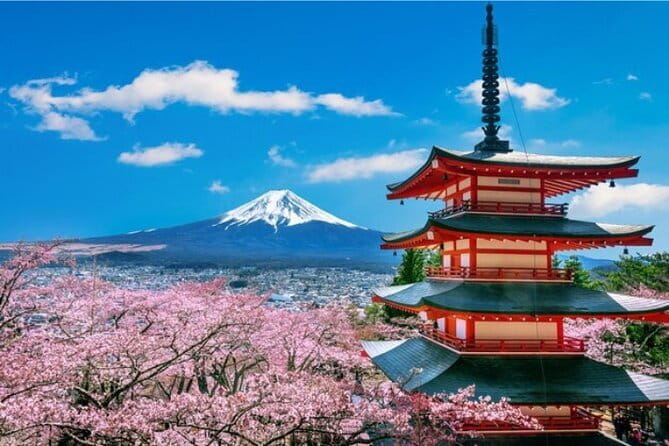
This is the kind of tour you book when you want two big-name regions—Mount Fuji and Hakone—but you don’t want to wrestle with connections for a full day. You get a private, air-conditioned car, highway tolls handled, and modern transportation that keeps fatigue lower than doing everything by public transit.
The best part is the flexibility. Even though the day includes iconic stops, you’re not locked into a one-size-fits-all route. That matters because Fuji viewpoints can be hit-or-miss depending on clouds. When the sky cooperates, you can lean into the views; if it doesn’t, you can shift your focus toward cultural sights and scenic areas that still feel rewarding.
I’d call the biggest value time control. With pickup and drop, you’re not spending your precious hours figuring out the “next bus/train” shuffle. And with a private car, your guide can adjust timing so you spend more moments where you want to be.
You can also read our reviews of more private tours in Tokyo

Pickup, timing, and avoiding overtime fees
Your day starts with pickup from your hotel or other place you’re staying in Tokyo. You’ll also have drop back to the same area, which keeps the schedule comfortable if you’re coming from a busy sightseeing loop already.
The day is listed as roughly 8–10 hours, so you’re getting a long outing rather than a quick half-day “taste.” That time window is important because the driving alone between Tokyo and the Fuji/Hakone regions takes a chunk of the day.
Two practical notes on extra costs:
- If your time limit runs long, there can be extra charges: 7,000¥ per hour for a luxury van or 15,000¥ per hour for a minibus.
- Pickup from Yokohama or Urayasu can cost an extra 10,000¥ because those locations are farther from the standard pickup area.
If you’re trying to keep costs predictable, go into the booking with a clear idea of what you want to do—especially whether you’ll add boat rides, ropeways, or extra scenic lift options.
Chureito Pagoda: the Fuji photo you’ll recognize instantly
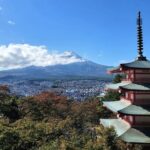
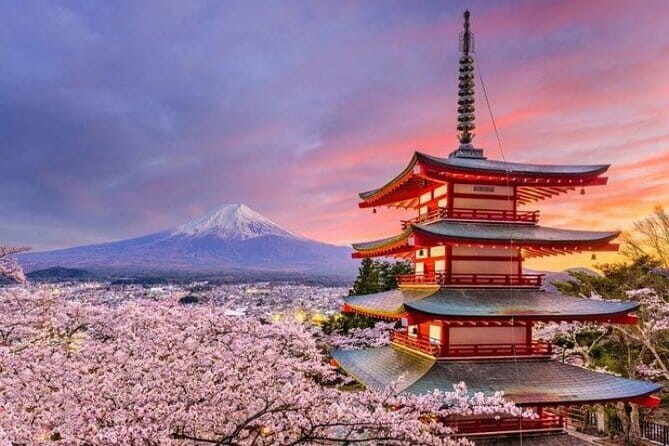
Your day begins at Chureito Pagoda, part of Arakura Sengen Shrine. This is the classic five-storied pagoda viewpoint that looks out over Fujiyoshida City with Mount Fuji in the distance. It’s built as a peace memorial and sits up the hillside—meaning you’ll have a bit of walking and steps before you settle into the viewpoint.
Plan for a calm hour here. One reason this stop matters is that it sets the visual tone for the rest of the day. If Fuji is visible, this is the moment you’ll want to slow down and get your framing right—because later views can be close, angled, or partially blocked by weather.
A possible drawback: the viewpoint’s best results depend on visibility. If fog or clouds roll in, the pagoda area still has atmosphere, but you may not get the clean Fuji silhouette you were hoping for.
Lake Kawaguchiko: where Fuji visibility often decides the mood
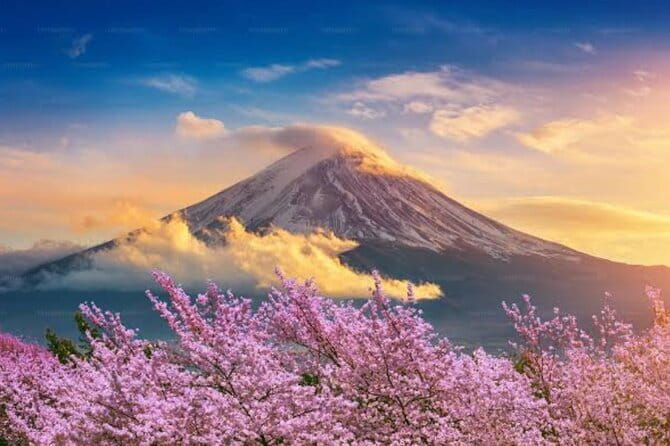
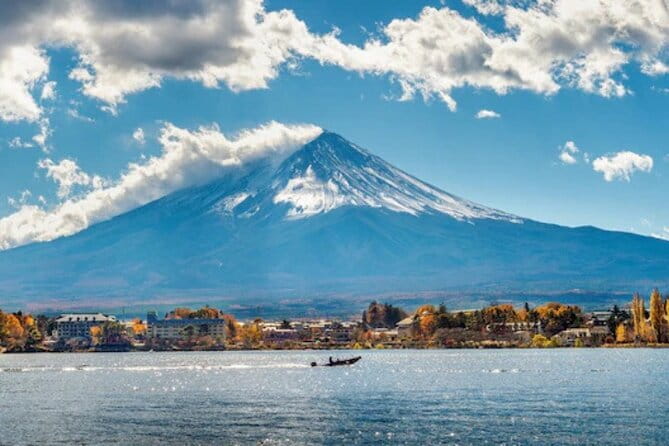
Next you head to Lake Kawaguchiko, the gateway to the Fuji Five Lakes area. This is one of the best places to chase the “big mountain” feeling because you can often see Mount Fuji quite clearly when the sky is cooperating.
You’ll spend about 1 hour 30 minutes here, and the tour time gives you room to choose between:
- a ship cruise on the lake, or
- the Kachi Kachi Ropeway/cable car up toward Kachi Kachi Mountain
Both sound fun, but they’re not the same experience. The cruise is slower and lake-focused, while the ropeway puts you higher for a different angle. Either way, the big catch is that these ride options have separate entry fees, paid directly on site.
A smart approach: decide based on weather in the moment. If Fuji is clear, you’ll likely enjoy the extra views from the cruise or the ropeway. If visibility is poor, you may want to use the time for the best lake-side viewpoints and move on without spending money on an option that won’t pay off visually.
A closer look from the lake: ship boat and panoramic ropeway options
At Kawaguchiko, you’ll also have a dedicated stop opportunity built around an Ensoleille-style ship excursion plus the Mt. Fuji panoramic ropeway option to Kachi Kachi Mountain. The timing suggests you can do one main experience (cruise) and keep the second option as a backup depending on what the day gives you.
This is where planning matters. A boat ride can be worth it when the air is clear, because you get that “Fuji over the water” feel. The ropeway can be worth it when you want to change angles quickly without waiting around.
The practical reality: you’ll see very close Mount Fuji views only if weather is good. When it’s not, you’ll still be in a scenic lakeside area, but don’t treat the expensive add-ons as guaranteed.




Oshino Hakkai: Fuji-fed ponds that feel refreshingly calm
Then it’s Oshino Hakkai, known as the Eight Seas of Oshino. This is one of those sights that doesn’t need big thrill rides to work. You’ll find eight ponds filled by snowmelt that filters down from Mount Fuji through volcanic rock. The result is clean, mineral-rich water that looks crisp and pristine.
You’ll get about one hour here, which is a good match. You can walk between pond areas, pause for photos, and take in how this region uses the mountain’s water in a tangible way.
The payoff: even when the sky is hazy, Oshino Hakkai can still feel “complete.” It’s less dependent on perfect visibility than a pure “Fuji silhouette” spot.
Oishi Park: short time, strong view potential
After the ponds, you’ll stop at Oishi Park on the north shore of Lake Kawaguchiko. It’s a compact stop—around 30 minutes—and it’s free for admission.
This is one of those “use it if you have it” moments. If the sky opens, you’ll get strong lake-and-mountain views. If it doesn’t, the park still functions as a breathing break in the middle of a busy day.
Because the time is short, I’d treat this as your quick reset before you head into Hakone and the more structured thermal sightseeing.
Lake Ashinoko and the Hakone “Gate of Peace” torii
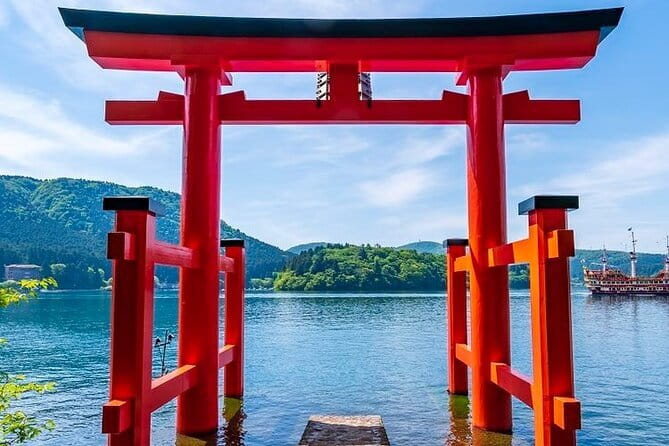
Moving into Hakone, you’ll reach Lake Ashinoko and the Hakone shrine area featuring the large red torii gate on the shore. It’s known as the “Gate of Peace” and was erected in 1952 to commemorate the crown prince’s reign and Japan’s independence, tied to the peace treaty.
You’ll have about one hour here, and you’ll also have the option to add a pirate ship or a ropeway cable car for views from the lake—but those rides come with separate fees.
This stop is about two things:
- the shrine setting and torii in a wide-water scene, and
- the choice to extend the view with a paid ride if you have time and clear conditions.
If you’re trying to keep the day comfortable, consider skipping one extra ride when you sense you’re paying for “maybe views.” If Fuji/visibility is strong, then the add-on can feel more worth it.
Hakone Ropeway and Owakudani: the famous sulfur valley moment
One of Hakone’s most recognizable experiences is Owakudani, the steaming volcanic valley sometimes called Hell Valley. You’ll visit it after riding the Hakone Ropeway, which provides scenic sightlines between stations and lets you look down into the valley area.
You’ll spend about one hour at Owakudani, and the key activity here is simply soaking in the atmosphere: the sulfur vents, the smoky mountain view, and the dramatic geothermal visuals. It’s also where you’ll find the tradition of black eggs boiled in sulfurous waters. Locals say they add years to your life span—often described as seven years in popular tradition.
A realistic note: this is a place where weather can change the feel quickly. When visibility is clear, it’s striking. When it’s cloudy, the valley still has energy, but the “big view” moments may be muted.
Mount Fuji fees and why tickets add up
The tour covers transportation, highway tolls, fuel, and a comfortable private car. But several ticket costs are not included, and that’s worth planning for so you don’t get surprised later.
From the listed fees:
- Mount Fuji entrance fee: 2,100¥ per group (not included)
- Lake Kawaguchiko admission: 120¥ (not included)
- Other attractions you may use (like cruises and ropeways) require payment directly on location
So even if the base price looks clear, your final day cost can climb depending on how many optional rides you choose. My best advice: decide in advance which paid add-ons you truly care about, then use the rest of your time to enjoy viewpoints that are included in your schedule without pushing extra ticket costs.
Weather is the real co-star of this trip
This experience depends on good weather. In other words: Mount Fuji is the star, and clouds can steal the show. The tour is still enjoyable if skies are imperfect—Oshino Hakkai, shrine areas, and Hakone’s volcanic valley have their own appeal—but the clean, iconic Fuji moments will be hit-or-miss.
If you’re booking with a flexible mindset, plan your expectations around weather:
- When Fuji is clear, you’ll maximize your paid view options.
- When Fuji is hidden, I’d keep your money focus on the sights where the atmosphere still works.
Also note the tour has a built-in adjustment mechanism: if weather cancels the experience, you’ll be offered a different date or a full refund.
Guide and comfort: what makes it feel personal
A private guide changes how a day feels. Instead of you fighting the crowd, you’re guided to the spots that make sense in real time. And in the feedback attached to this experience, Ali stands out for a specific style: patient, willing to help with lots of photos, and accommodating with options so you can get what you came for.
That matters because the Fuji/Hakone day can be emotionally split between two desires: move fast enough to see everything, or slow down enough to actually enjoy the views. A good guide helps you do both.
On the comfort side, you’ve got air-conditioning and a modern vehicle, which is especially valuable if you’re doing this in hot or rainy conditions.
Pricing: is $455 per group good value?
The price is $455.00 per group (up to 3), with pickup from Tokyo and a full-day private vehicle. For a private day that strings together multiple regions—Fuji Five Lakes and Hakone—that can be solid value, especially if you’re splitting the cost between friends or family.
Where you can feel the cost difference is in your optional spending:
- If you add the cruises and ropeway rides at Kawaguchiko and Hakone/Lake Ashinoko, you’ll pay extra on site.
- If you keep optional rides light, the trip stays closer to the base budget.
Here’s how I’d decide if it’s “worth it” for you: if you value convenience, want a guide’s help, and prefer fewer planning headaches, this price makes sense. If you’re the type who enjoys DIY transit and doesn’t mind switching buses/trains, you might find cheaper ways to do it—but you’ll trade away a lot of the time and stress control that this tour gives you.
Who this tour suits best
This fits you if:
- you want Mount Fuji and Hakone in one day without complicated transit planning
- you like photo-friendly viewpoints and flexible stop timing
- you’re traveling as a small group (up to 3) and can split the cost
It may not fit you as well if:
- you want a very unhurried schedule with long stays at fewer places
- you dislike paying add-on entrance fees and prefer everything included
Should you book this Mount Fuji and Hakone private tour?
I’d book it when you want a strong chance at iconic Fuji views plus Hakone’s volcanic drama, all from Tokyo with a private car and guided pacing. The flexibility makes it feel practical, and a guide style like Ali’s—patient, photo help, and responsive to your timing—can be the difference between a stressful day and a smooth one.
Book it with eyes open on weather and ticket spending. If you go in expecting Mount Fuji clarity to depend on the day’s conditions, you’ll enjoy the experience for what it is: a well-paced, classic day linking two of Japan’s most memorable regions.
FAQ
How long is the Mount Fuji and Hakone private tour from Tokyo?
It runs about 8 to 10 hours, depending on your schedule and the time limit.
What’s the price and group size?
The price is $455.00 per group for up to 3 people.
What is included in the tour price?
Included are an air-conditioned vehicle, private transportation, highway tolls, and fuel (petrol and gas).
What’s not included?
Lunch is not included. Also, entry fees are not included, including Lake Kawaguchiko admission (120¥) and the Mount Fuji entrance fee (2,100¥ per group), plus tickets for other attractions that you pay directly on site.
Does the tour offer pickup from Tokyo hotels?
Yes. Pickup and drop are included from your hotel or where you are staying in Tokyo.
Is there an extra fee if I’m not staying in Tokyo?
If pickup is requested from Yokohama or Urayasu, there is an extra 10,000¥ charge because it’s farther away from the standard pickup area.
Are additional fees charged if the day runs long?
If the time limit is exceeded, extra charges may apply: 7,000¥ per hour for the luxury van, or 15,000¥ per hour for a minibus.
How does ticketing work?
You’ll receive a mobile ticket, but many attraction admission tickets and ride options are paid separately at the locations.
Do I need good weather for this tour?
Yes. The experience requires good weather, and if it’s canceled due to poor weather, you’ll be offered a different date or a full refund.
Is this tour private?
Yes. It’s a private tour/activity, and only your group participates.