REVIEW · TOKYO
Zen Buddhist Vegetarian(Shojin Ryori): Cooking Experience
Book on Viator →Operated by True Japan Tour · Bookable on Viator
Zen cooking turns lunch into a lesson. This small-group Shojin ryori workshop is a rare way to experience Japanese food through Zen Buddhist thinking, not just sushi or ramen. I especially liked the hands-on pacing and the chance to make classic dishes like sesame tofu and dashi-based soup yourself. One thing to consider: you are not getting a tour-by-walking-around day, so if you want constant sightseeing, this is more of a quiet, focused activity.
The vibe is calm in a good way. You work with an instructor-interpreter team—Masue and Hiro come up in the class experience—so you get clear help even if your knife skills are still in progress. Then you sit down and eat what you made, which is a big part of why this feels authentic rather than like a cooking demo.
The only real drawback I can flag is that the venue isn’t included in your transport plan. You’ll need to handle getting yourself to the meeting point near public transit.
In This Review
- Key takeaways before you go
- A 2.5-hour Shojin Ryori class near Shibakōen
- Shojin Ryori isn’t just vegetarian—it’s a philosophy
- What you’ll cook: tofu, dashi soup, and vegetable tempura
- The hands-on flow: small group, clear instructions, real help
- Meal time: eat what you cooked, then slow down
- Optional Japanese tea pairing: worth considering
- Price and value: paying for ingredients, instruction, and a real meal
- Who should book this Shojin ryori cooking experience
- A practical way to get the most out of it
- Should you book this Zen Buddhist vegetarian cooking experience?
- FAQ
- FAQ
- How long is the Zen Buddhist Vegetarian (Shojin Ryori) cooking experience?
- Where does the experience start and end?
- What is the meeting time?
- Is transportation to the venue included?
- What’s included in the price?
- Is the group limited in size?
- Can I add Japanese tea pairings to the meal?
- What is the cancellation policy?
Key takeaways before you go
- Eight people max means you actually get help, not just a big-class atmosphere.
- 700-year Zen roots explain why the food is prepared the way it is, not just how to cook it.
- You’ll learn recreatable vegetarian staples like sesame tofu, dashi soup, and veg tempura.
- A meal you cooked is part of the experience, so the class ends with a real payoff.
- Japanese tea pairings are available as an optional upgrade during your meal.
- Ingredients are included, so you can focus on technique instead of shopping.
A 2.5-hour Shojin Ryori class near Shibakōen
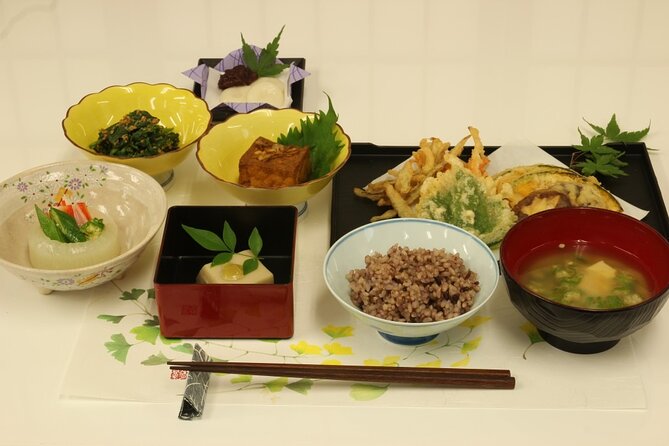
This experience runs about 2 hours 30 minutes, starting at 11:00 am. That timing is handy. It gives you a midday activity that isn’t too early, and it still leaves you time after lunch to keep exploring Tokyo.
The meeting point is at Kikai Shinkō Kaikan, 3-chōme-5-8 Shibakōen, Minato City, Tokyo. It’s listed as near public transportation, which matters here because the tour doesn’t include transport to the venue. In practice, it’s the kind of class you’ll want to plan around: show up a little early, get settled, and then let the cooking take over.
The format is intentionally small: up to 8 travelers. For me, that’s the difference between learning and just watching. You get a better rhythm with the instructor, and questions don’t vanish into the background noise.
You can also read our reviews of more cooking classes in Tokyo


Shojin Ryori isn’t just vegetarian—it’s a philosophy
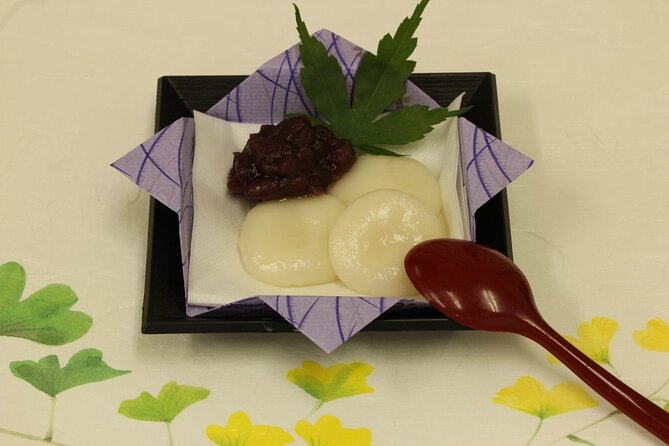
Shojin ryori is associated with Zen Buddhism, and this workshop takes the time to explain the core idea behind it: cruelty-free eating and a mindful approach to food. You’ll learn the ancient philosophies that shaped the cuisine over about 700 years of Zen Buddhist monastic cooking traditions.
That context changes how you think about the dishes. Instead of seeing vegetarian food as a substitute for meat and seafood, you learn it as a complete cuisine with its own logic: simple ingredients treated with care, flavors built through technique, and balance in how each dish contributes to the meal as a whole.
This is also why the experience feels quieter than many mainstream “Japanese cooking classes.” If you’re craving a slower moment in Tokyo—less hustle, more focus—this kind of food practice fits well.
What you’ll cook: tofu, dashi soup, and vegetable tempura
You’ll cook a set of well-known Shojin ryori staples, with help from your instructor. The class highlights dishes such as:
- Sesame tofu
- Dashi broth soup (vegetarian-style)
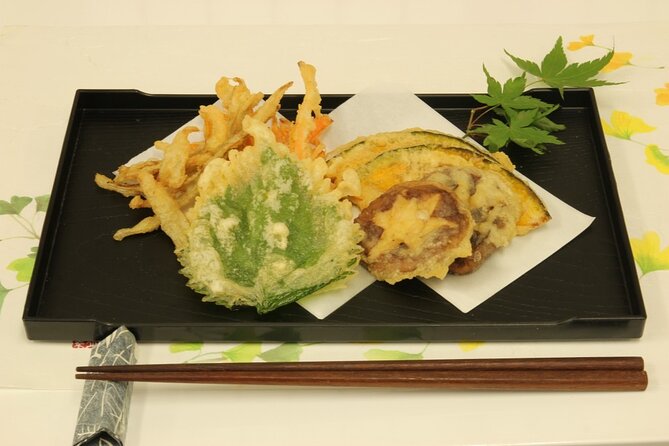
- Vegetable tempura
Those are great choices for home cooking, because they’re recognizable but not always easy to reproduce without guidance. Sesame tofu teaches you how to build flavor with texture and seasoning rather than relying on animal-based ingredients. Dashi soup is where you learn the role of broth depth—again, the method matters as much as the ingredient list. And veg tempura is a skill class in disguise: batter behavior, frying timing, and how vegetables get treated so they don’t come out soggy.
You also learn additional time-tested recipes beyond the headline dishes, though the exact menu isn’t spelled out in the basic info you receive. The key point for your expectations: you should come away with a handful of techniques you can reuse, not just one finished dish.
The hands-on flow: small group, clear instructions, real help
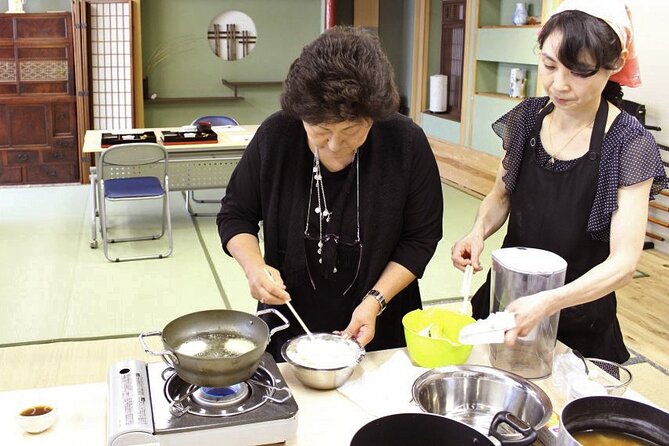
A cooking class lives or dies on instruction quality, and this one is built for interaction. You have a nationally accredited guide-interpreter plus a vegetarian cooking lesson focused on Japanese techniques. That combination is helpful because food terms and steps can get lost when language is unclear.
The class approach is designed for people who are not professional cooks. Masue and Hiro are both described as friendly and patient, and that lines up with the idea of a small group: you can get corrections while you’re still early enough to fix them.
Here’s what you can realistically expect during the work time:
- You learn and prep with step-by-step guidance. Even if you’ve cooked before, you’ll likely adjust to Japanese ingredient handling and pacing.
- You cook in sequence, so each part of the meal comes together rather than feeling like random stations.
- You taste and adjust where the instructor guides you toward the right texture and seasoning balance.
The biggest practical benefit is confidence. When the meal ends and you’re sitting down to eat what you made, you can tell yourself: I can do this again at home.
Meal time: eat what you cooked, then slow down
One of the best parts is that the experience ends with a full meal—made by you. That matters because cooking classes often stop at the “finished product photo” stage. Here, you actually get to enjoy your work as part of the program.
And the meal isn’t just functional. The Shojin ryori angle is about mindful eating. You get a chance to slow down, taste carefully, and understand why these vegetarian dishes are satisfying on their own terms.
You’ll be eating in the context of the philosophy you just learned. That makes it easier to remember techniques. When you connect the taste to the method—broth building, sauce seasoning, batter behavior—you’re more likely to reproduce it later without guessing.






Optional Japanese tea pairing: worth considering
There’s an upgrade option to include pairings of Japanese tea while you eat. The base experience includes the cooking lesson and ingredients, so tea is not guaranteed unless you choose that add-on.
If you like the idea of food pairing, this is a smart way to turn your meal into a fuller cultural experience without adding extra time. Tea can also be a helpful reset between bites—especially after tempura, which can be filling.
If you’d rather keep it simple, you can treat the meal as the main event and skip the upgrade. Either way, the cooking is the core.
Price and value: paying for ingredients, instruction, and a real meal
At $114.67 per person, this isn’t a cheap snack-style activity. But it also isn’t just a lecture. The price includes:
- a vegetarian cooking lesson
- ingredients
- a nationally accredited guide-interpreter
- and the meal you prepare
When you look at classes that don’t include ingredients, you often end up spending extra at a market anyway. Here, ingredients are handled for you, which cuts out a lot of friction. You’re also paying for interpretation and hands-on help—things that make a difference when you’re learning techniques like broth depth or frying timing.
The other value point is the group size. Up to 8 people means the instructor can correct your process instead of rushing through generic steps. That’s exactly what you want when you’re trying to recreate dishes at home.
Also, this type of class tends to be booked ahead. It’s listed as commonly booked around 24 days in advance on average, so planning matters if you want specific dates or a spot in the group.
Who should book this Shojin ryori cooking experience
This experience is a strong match if you want:
- Authentic Japanese cuisine beyond the obvious hits like sushi and ramen
- A calm, focused activity that’s still hands-on
- Skills you can reuse at home, especially with tofu, soup, and tempura
- Clear guidance in a small group
It may not be the best fit if:
- You want nonstop sightseeing or a multi-stop tour day
- You dislike hands-on cooking tasks
- You’re looking for a food-and-drinks crawl rather than a seated meal
For most people who like cooking, Japan, and food culture, it’s a very logical choice—especially if you’ve been “Tokyo eating” all week and want one day that’s different.
A practical way to get the most out of it
To enjoy the class more, go in with a calm mindset. This isn’t about speed. Shojin ryori is tied to mindfulness, and the quality you take away is often how the steps connect to taste.
A few practical tips:
- If you’re new to Japanese cooking, be ready to ask questions early. Don’t wait until the end.
- Take note of what changes texture and flavor in the dishes you cook. Those are the things you’ll want to repeat later.
- If you choose the tea pairing upgrade, pay attention to how it shifts the flavors on your plate.
Also, tell the team in advance if you have dietary needs. The program notes that you should let them know ahead of time, and it’s the right move.
Should you book this Zen Buddhist vegetarian cooking experience?
I think you should book it if you want a genuine slice of Japanese food culture that’s not centered on meat and seafood. The small-group format, the focus on Shojin ryori philosophy, and the chance to cook and then eat what you made are a strong combo for both learning and enjoyment.
Skip it if you’re looking for a big sightseeing day or you only want the easiest, no-effort “tasting experience.” This is a cooking class first, culture second, and both parts are quiet but meaningful.
If you fit the cooking-curious crowd, this is exactly the kind of Tokyo activity that gives you something to take home—not just photos.
FAQ
FAQ
How long is the Zen Buddhist Vegetarian (Shojin Ryori) cooking experience?
It runs for about 2 hours 30 minutes.
Where does the experience start and end?
It starts at Kikai Shinkō Kaikan, 3-chōme-5-8 Shibakōen, Minato City, Tokyo 105-0011, Japan, and it ends back at the same meeting point.
What is the meeting time?
The start time is 11:00 am.
Is transportation to the venue included?
No. Transportation to the venue is not included, so you’ll need to get yourself there using public transit.
What’s included in the price?
The experience includes a vegetarian cooking lesson, ingredients, and a nationally accredited tour guide-interpreter.
Is the group limited in size?
Yes. The maximum group size is 8 travelers.
Can I add Japanese tea pairings to the meal?
Yes, there’s an optional upgrade to include Japanese tea pairings during the meal.
What is the cancellation policy?
Cancellation is free if you cancel at least 24 hours before the experience’s start time. If you cancel less than 24 hours before, you won’t receive a refund.