REVIEW · TOKYO
Edo Tokyo Small-Group Tour: History, Culture & Local Experiences
Book on Viator →Operated by CoCoMo Japan Travel · Bookable on Viator
Fire and everyday life in Edo Tokyo.
This max 7 person tour turns Tokyo into a walkable time machine, and I like that it stays personal instead of bouncing you through big crowds. I also like the traditional sweets stop, because it gives you a taste of what local life felt like, not just what it looked like. One consideration: the tour runs about 4 hours and no lunch is included, so bring a water bottle and plan for a snack stop on your own.
I’ve seen guides like Sandra make the Edo details click fast, and you’ll notice her approach right away. She connects temple rituals, shrine history, and street scenes into one clear story you can actually follow while you’re walking. The route mixes energy (a dramatic fire display) with calm (a garden with a tea house and pond), which is a smart balance for both history fans and first-timers.
In This Review
- Key highlights you’ll feel on the day
- Edo Tokyo in 4 hours: why the group size matters
- Route reality check: start by Monzen-nakacho, end at Kiyosumi Gardens
- Stop 1: Fukagawa Fudodo and the Edo fire ceremony
- Stop 2: Tomioka Hachimangu (est. 1627) and the sumo memorial stones
- Stop 3: Fukagawa Library at the Fukagawa Edo Museum (life-sized Edo streets)
- Stop 4: Koto’s old-fashioned sweet shop tasting break
- Stop 5: Kiyosumi Teien garden with tea house and pond calm
- Price and value: what $48.99 buys you in real terms
- Getting the most from the tour (without overthinking it)
- Should you book this Edo Tokyo tour?
- FAQ
- How long is the Edo Tokyo small-group tour?
- How big is the group?
- What time does the tour start?
- Where does the tour start and end?
- Is lunch included?
- Are admission tickets included?
- Do I need cash or a physical ticket?
- What is included in the price?
- What happens if the weather is bad?
- What is the cancellation window?
Key highlights you’ll feel on the day
- Small-group pace (up to 7 people) so you can ask questions without shouting
- Fukagawa Fudodo fire display tied directly to Edo-period spirituality and showmanship
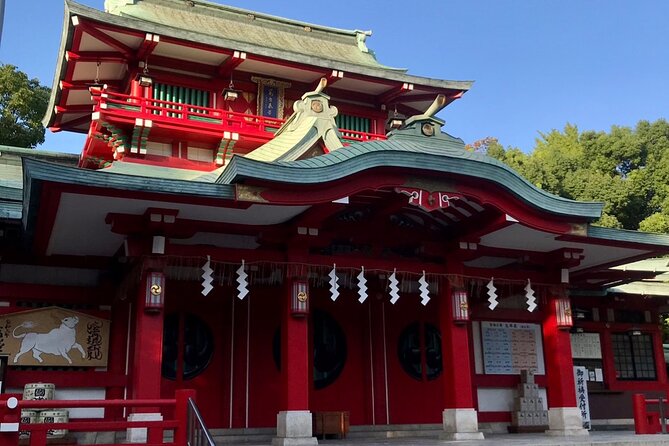
- Tomioka Hachimangu + sumo memorial stones for a shrine stop with a specific Edo-era angle
- Fukagawa Edo Museum streetscapes presented in life-sized, walk-through style
- Kiyosumi Teien garden time with a tea house and pond for a slower reset
- Old-fashioned sweet shop tasting that’s short, local, and easy to fit into the day
Edo Tokyo in 4 hours: why the group size matters
This tour’s biggest practical advantage is the group size. With up to 7 travelers, you’re not just a body in a line—you can actually hear the guide, and you’re more likely to get answers to the questions you’re thinking while you look around.
For the kind of history this tour covers, that matters. Edo Tokyo isn’t one single “attraction.” It’s religion, neighborhood life, food culture, and public rituals—often all in different places. A small group helps the guide tie those threads together while you’re still standing in front of the real setting.
There’s also a comfort factor. Even if you’re not a hardcore museum person, this route doesn’t ask you to spend your whole day indoors. You’ll do a mix of temple, shrine, a walk-through museum space, a quick sweet stop, and finally a garden. That’s a good way to keep attention up without turning it into a nonstop sprint.
You can also read our reviews of more historical tours in Tokyo

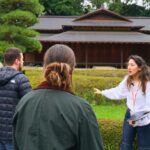

Route reality check: start by Monzen-nakacho, end at Kiyosumi Gardens
The tour starts at Monzen-nakacho Station (2 Chome-4 Monzennakacho, Koto City) with a 10:00 am departure. The walking ends at Kiyosumi Gardens (3-chōme-3-9 Kiyosumi, Koto City).
Two practical points for you:
- The end point is a real benefit. After the tour, you’re in an area that’s convenient to keep exploring, rather than retracing your steps back to where you began.
- It’s near public transportation, so if you need to adjust plans mid-day, you usually have options.
Also, this experience uses a mobile ticket, so make sure your phone is charged and your ticket is easy to access.
Stop 1: Fukagawa Fudodo and the Edo fire ceremony
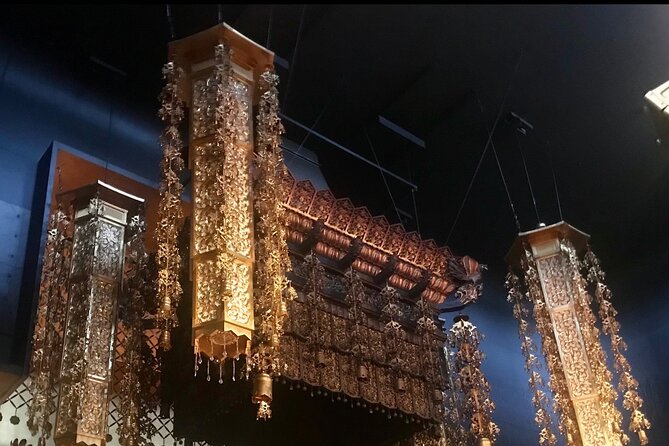
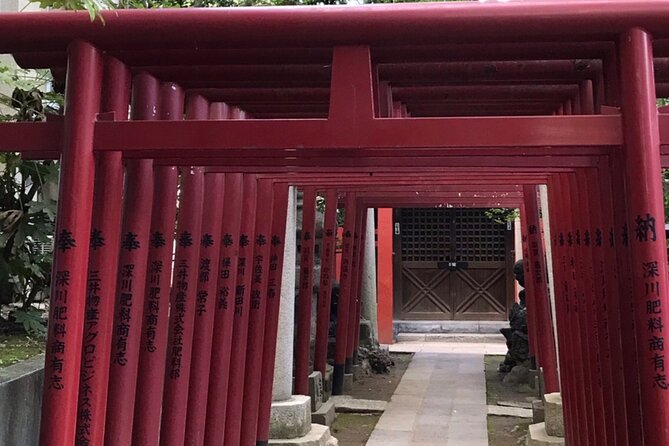
Your first major moment is Fukagawa Fudodo, where you’ll see a spiritual fire display connected to the Edo period. You’ll spend about 1 hour 20 minutes here, including the admission ticket.
Why this stop is worth your time: fire ceremonies are hard to explain in a photo. Even if you know the basics, watching it in the right place gives you context—where people stood, how the ritual shaped the atmosphere, and how public performances fit into religious practice.
What to expect on the ground:
- You’ll likely be paying close attention to the guide’s explanation as the ritual connects to everyday beliefs in Edo times.
- The time here is longer than most stops, which signals that this is the emotional anchor of the tour, not a quick photo stop.
A small consideration: fire-related events can be intense and visually loud. If you’re sensitive to smoke, heat, or noise, keep that in mind and ask your guide about the best way to position yourself if you need it.
Stop 2: Tomioka Hachimangu (est. 1627) and the sumo memorial stones
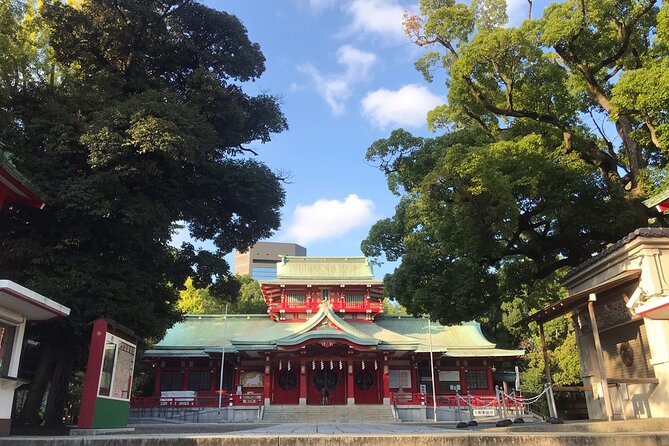
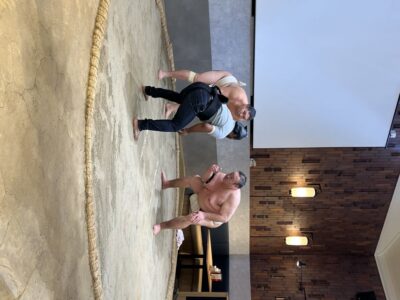
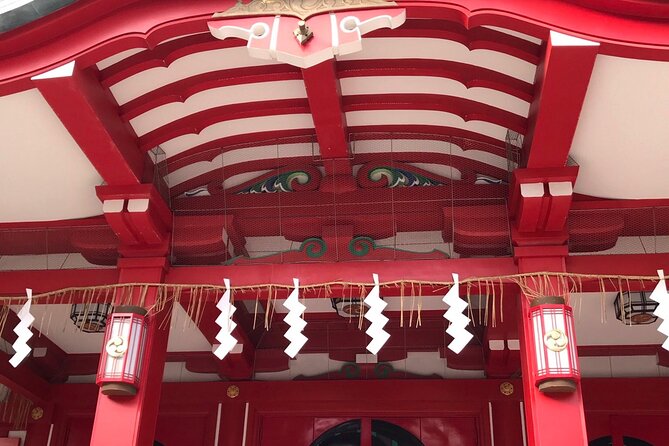
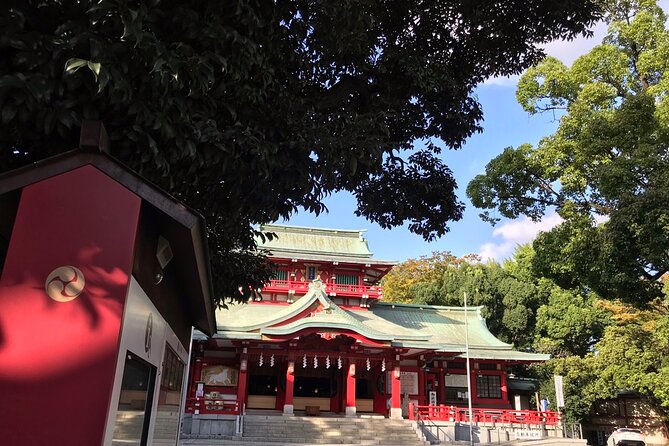
Next up is Tomioka Hachimangu, a Shinto shrine established in 1627, with time set aside to notice sumo commemorative memorial stones. This stop runs about 30 minutes, and the admission ticket is included.
This is one of those Edo connections that’s easy to miss if you’re just browsing. The shrine itself is the “big structure,” but the memorial stones add a very specific cultural thread—how sport, identity, and respect can live inside sacred space.
You’ll get the most out of this stop if you slow down for a few minutes and actually look at the stones your guide points out. Instead of treating it like background scenery, you’ll start seeing how people marked memory and prestige in public places.
If you want a quick win: ask your guide to explain the link between the shrine and the Edo world around it, because that turns a short visit into a meaningful one.
Stop 3: Fukagawa Library at the Fukagawa Edo Museum (life-sized Edo streets)
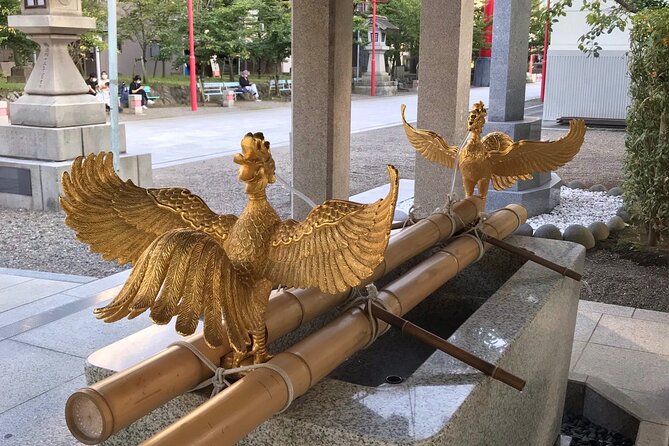
After the shrine, you head to Fukagawa Edo Museum, specifically the Fukagawa Library area, where you can relive Edo life through life-sized streetscapes. You’ll have about 1 hour, and this portion is listed as admission free.
This is where the tour becomes very “show, not tell.” Life-sized recreations do something normal museum displays can’t always do: they help you understand scale and daily movement. You can picture what it would feel like to walk past shops, see where people might gather, and recognize how neighborhoods functioned.
What I like about this part for first-timers: it helps you stop thinking of Edo as a vague history unit. Instead, it turns Edo into a place with streets, rhythm, and routines. Even if you don’t read Japanese signage, the physical layout and the guide’s framing can be enough to make it click.
A practical note: a museum-style stop can involve standing and looking. Wear shoes that can handle a bit of indoor walking, and don’t worry if you don’t catch every detail—your guide is there to connect the dots.






Stop 4: Koto’s old-fashioned sweet shop tasting break
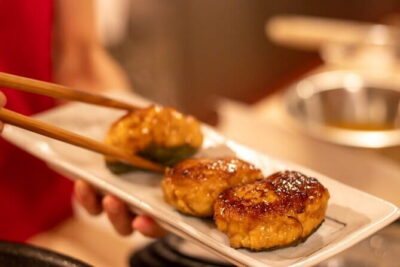
Then you get the short, fun reset: Koto’s old-fashioned sweet shop for a traditional sweets taste. This stop is about 20 minutes.
This isn’t just a snack. It’s a small cultural lesson. In Edo Tokyo, sweets weren’t only about sugar—they were part of everyday treat culture, gift habits, and seasonal tastes. Even without going deep into recipes, the act of tasting makes the history feel human.
Why it works in a 4-hour tour: it breaks the pattern of temples and museums. You get a sensory moment—flavor and texture—that anchors what you learned earlier. It’s also fast enough that it won’t derail your energy.
Two tips for you:
- If you’re watching sugar or have dietary restrictions, tell your guide upfront. The tour includes a tasting, but you’ll want clarity on what’s offered.
- If you’re heading to dinner afterward, remember this replaces the need for a bigger lunch only partially.
Stop 5: Kiyosumi Teien garden with tea house and pond calm
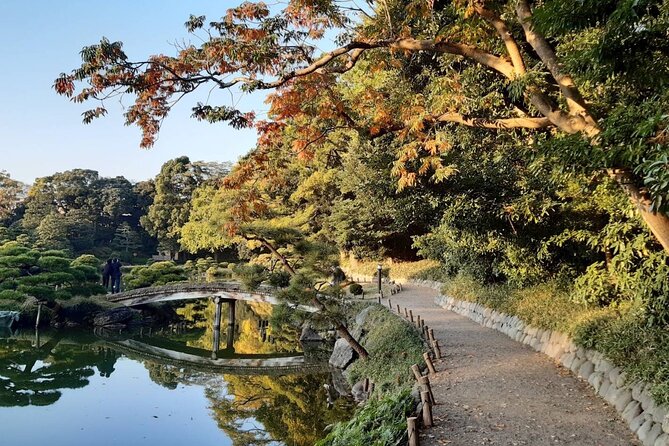
The final stretch is Kiyosumi Teien, a classic Japanese garden featuring a tea house and pond. You’ll spend about 45 minutes here.
This is the tour’s emotional palate cleanser. After fire, shrine history, and museum streetscapes, the garden slows your pace and gives your brain a chance to rest. It also changes how you view the whole Edo story, because Edo culture wasn’t only about ceremonies and commerce. It also included spaces designed for reflection.
What to do in the garden (so you don’t just walk through it):
- Pause at viewpoints and let the pond area settle your thoughts.
- Use the tea house element as a visual cue for how gardens supported tea culture and quiet social moments.
If you’re traveling with kids, this stop can be a good one too. The overall route stays engaging, and gardens give kids a chance to look and breathe without constant instruction.
Price and value: what $48.99 buys you in real terms
At $48.99 per person for about 4 hours, this tour sits in the “reasonable for a guided, ticketed experience” range. The best value angle here is that the price covers all fees and taxes, and you also get admission tickets for key pieces—particularly the temple fire display and the shrine.
Here’s the practical breakdown of why that matters:
- You’re paying for guided time, not just entrance tickets.
- Two main cultural stops have admission included.
- Other segments are listed as free for you (the museum area and garden segment on the provided plan), which helps keep the cost controlled.
One more value point: the tour is booked about 37 days in advance on average, so if you’re flexible with dates, you may still find openings. But if you’re traveling during peak weeks, book sooner to lock in your preferred slot.
Getting the most from the tour (without overthinking it)
You’ll have the best day if you think of this as a guided story walk, not a checklist.
A few simple habits help:
- Bring water. With no lunch included, dehydration can sneak up on you even on a cooler day.
- Wear comfortable shoes. There’s walking between multiple stops, plus standing time at the fire ceremony and shrine.
- Plan for a slower dinner afterward. You’ll likely feel pleasantly tired by the time you reach Kiyosumi Teien.
- If you like asking questions, this is a tour where you can actually do it. The small group format makes that realistic.
Also, pay attention to how your guide links each stop. One guide lesson often builds on the next—temple ritual connects to how Edo people thought about the world; the museum streetscapes connect to what daily life might have looked like; the sweets and garden connect to everyday culture.
Should you book this Edo Tokyo tour?
Book it if you want:
- Hands-on Edo atmosphere: temple fire ceremony, shrine specifics, life-sized streetscapes, sweets tasting, and garden calm in one loop
- A guide-led story you can follow without getting lost in museum complexity
- A small-group experience with a guide named Sandra who’s known for being engaging and patient (including with families)
Skip or consider another option if:
- You’re expecting a long, in-depth museum day only. This is balanced by design, so some stops are shorter.
- You need lunch provided as part of the tour plan. You’ll have to handle food on your own.
If your goal is to see Tokyo through an Edo lens in a way that feels real, this tour hits a smart rhythm. You get drama, detail, and a calm ending—without turning the day into a marathon.
FAQ
How long is the Edo Tokyo small-group tour?
It lasts about 4 hours.
How big is the group?
The group maximum is 7 travelers.
What time does the tour start?
The start time is 10:00 am.
Where does the tour start and end?
It starts at Monzen-nakacho Station (2 Chome-4 Monzennakacho, Koto City) and ends at Kiyosumi Gardens (3-chōme-3-9 Kiyosumi, Koto City).
Is lunch included?
No, lunch is not included.
Are admission tickets included?
Admission tickets are included for Fukagawa Fudodo and Tomioka Hachimangu. The Fukagawa Edo Museum (Fukagawa Library), the sweet shop stop, and Kiyosumi Teien are listed as admission free on the tour plan provided.
Do I need cash or a physical ticket?
No. The tour uses a mobile ticket.
What is included in the price?
All fees and taxes are included.
What happens if the weather is bad?
This experience requires good weather. If it’s canceled due to poor weather, you’ll be offered a different date or a full refund.
What is the cancellation window?
You can cancel up to 24 hours in advance for a full refund. If you cancel less than 24 hours before the start time, the amount paid won’t be refunded.