REVIEW · TOKYO
Morning Sumo Practice Viewing in Tokyo
Book on Viator →Operated by Arumachi · Bookable on Viator
Waking up early can be worth it. This morning sumo practice tour in Tokyo gives you rare access to a wrestler’s stable, plus a simple game plan before you sit down and watch training up close. You start at Tokyo Skytree, where your guide sets the tone with quick rules so the bout-like drills make sense right away.
I especially like the small group size. With a maximum of 10 people and an English guide, you get personal attention in the moments that matter: when to clap, what moves to look for, and how sumo fits into Japanese ceremony. In the past, guides such as JOJI, Dawn, Jeff, and Aki have shown up with short lectures and practical handouts that help you follow what’s happening on the floor.
One thing to plan for: you must sit on cushions on a flat floor, with no chairs available. A review also mentioned there are no toilets at the stable, so this is not the sort of activity where you can comfortably stroll around and escape whenever you want.
In This Review
- Key things to know before you go
- Why morning sumo practice is better than a stadium show
- Tokyo Skytree start: get oriented before the stable
- Inside Naruto-beya: two hours of close-up training in Sumida
- The guide makes or breaks it (and these are the patterns I’d look for)
- Timing, route flow, and what the 3 hours really feel like
- Price and value: what you’re actually paying for
- What to wear and bring for a floor-sitting morning
- Who should book this tour, and who should skip it
- Should you book morning sumo practice at Naruto-beya?
- FAQ
- What time does the tour start?
- How long is the experience?
- Where do we meet, and where does the tour end?
- Is there hotel pick-up or drop-off?
- Is Skytree admission included?
- Do I need to sit on the floor?
Key things to know before you go

- Naruto-beya stable access: you’ll watch morning practice from inside the stable area, not from a far-off viewing spot
- Skytree warm-up briefing: a guide helps you understand sumo rules and etiquette before you enter the training space
- Small group limit (max 10): easier questions, faster explanations, and more attention from your local guide
- Floor seating only: you’ll sit on cushions on the ground for about two hours, so wear comfy clothes
- Donation included: your ticket includes donations to the stable, adding real meaning to your visit
- Photo time may happen: there’s likely a photo-shoot moment after training, so keep your camera ready
Why morning sumo practice is better than a stadium show
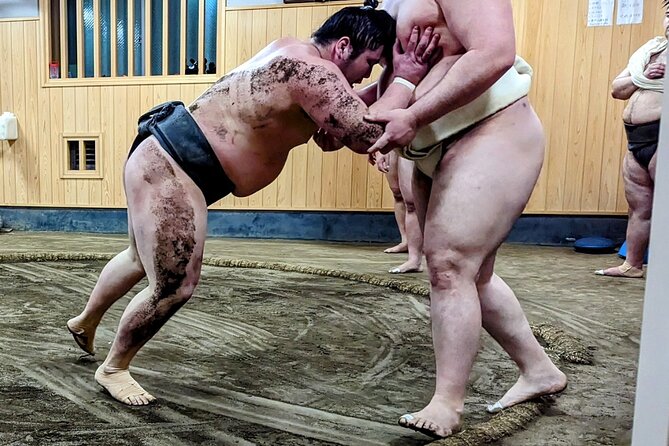
Sumo looks simple until you’re actually watching it. The morning session is where you see the work behind the drama: warming up, technique practice, bursts of sparring, and all the repeated motions that make a wrestler’s day run smoothly.
What makes this tour feel different is that you’re not just watching sport. You’re also learning how sumo is tied to Shinto roots—ritual, respect, and tradition built into everyday training. When a guide points out what to notice, the whole session turns into a story you can follow instead of random movement you can’t explain.
This is also a great choice if you like Japanese culture through living routine. A stable visit is one step closer to the real world of sumo than most “watch-and-leave” experiences.
You can also read our reviews of more tours and experiences in Tokyo

Tokyo Skytree start: get oriented before the stable
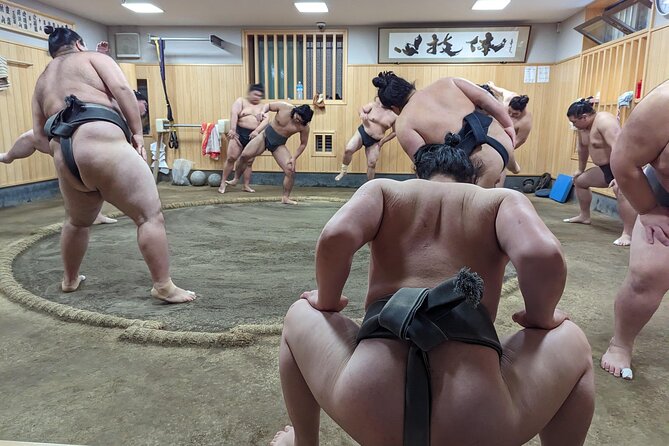
Your morning starts at Tokyo Skytree Station (Oshiage), with a tour start time of 7:30 am. The first stop is Tokyo Skytree itself, and it’s short—about 30 minutes.
Here’s the value: your guide briefs you on how to enjoy sumo and covers simple rules you need to follow while watching practice in the stable. That matters because stable etiquette can be stricter than people expect. Once you know what’s coming, you’re less likely to miss key moments during the real practice portion.
Tokyo Skytree also gives you a strong sense of place. The tower is described as the world’s tallest self-standing broadcasting tower and is designed with a shape inspired by a Japanese sword. Even if you don’t plan to ride up, the stop is a meaningful mental reset from “tourist mode” into “cultural context mode.”
Admission for the Skytree portion is listed as free for this tour stop, so you’re not paying extra just to get oriented.
Inside Naruto-beya: two hours of close-up training in Sumida
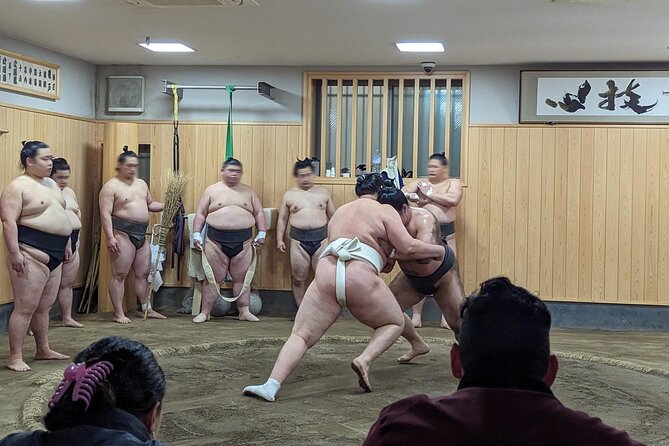
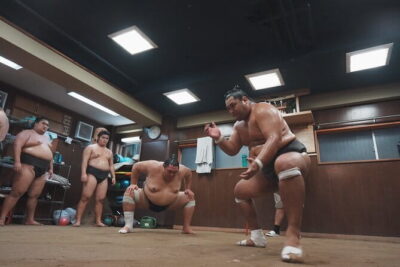
After the Skytree briefing, you head to Sumida to visit a stable and watch practice in the morning. This portion takes about two hours and it’s the heart of the experience.
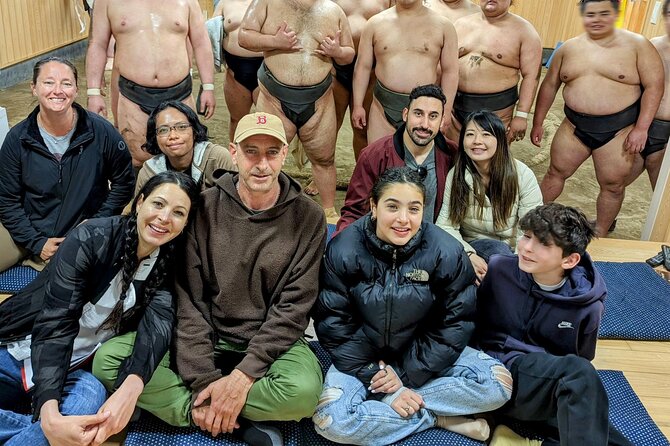
Your most important reality check: you’ll sit on a cushion on a flat floor, and there are no chairs. This is not a quick walk-by. You’re settling in for the session and watching from very close range.
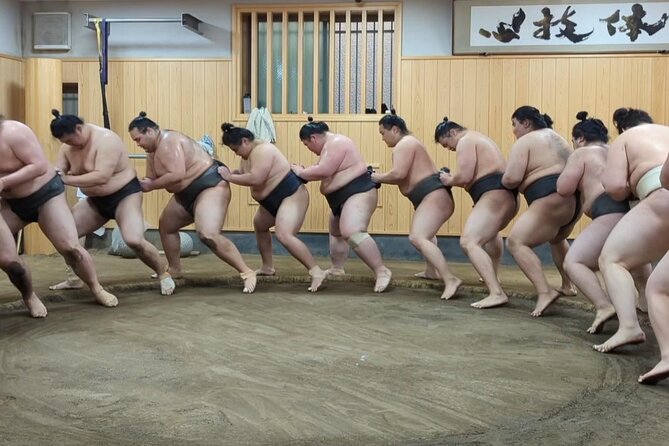
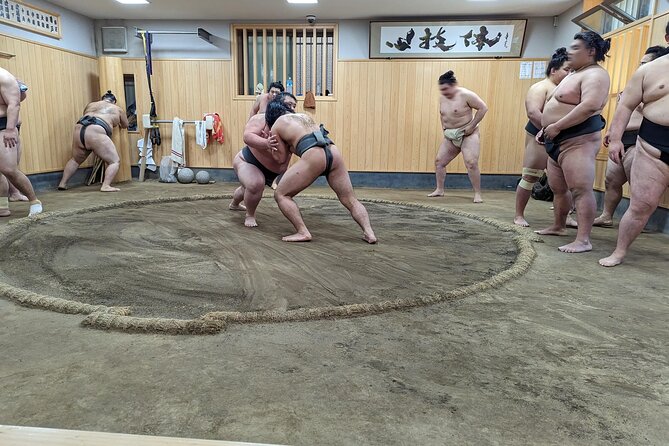
What you can expect to see during practice:
- wrestlers warming up
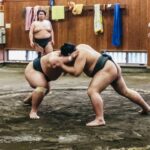
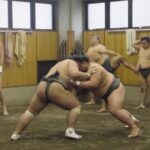
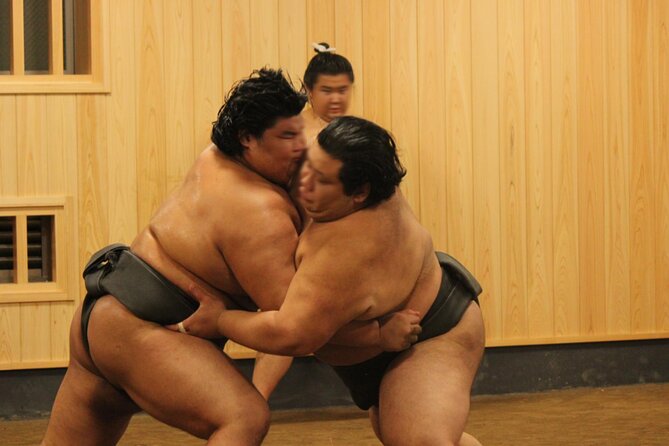
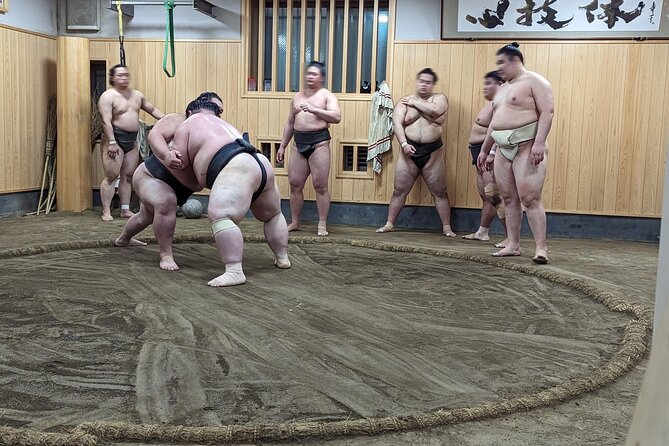
- engaging in practice bouts (training sparring)
- drills that look like fight moments, but function like technical rehearsal
This is where the tour earns its ticket price. When you’re close enough to pick out patterns—how they reposition, how they test balance, how the pace changes—you start understanding why sumo is so physical and so strategic.
Donation is also part of the visit. Your ticket includes donations to the stable, which adds a layer of respect. You’re not just consuming a show; you’re supporting the place you’re watching.
Photo opportunities are another practical upside. The experience notes that there is most probably a photo-shoot session with the wrestlers. That doesn’t mean guaranteed perfect timing, but it does mean you should treat your camera like it matters: charge it, bring a strap, and be ready.
And yes, food is part of the morning. The tour description includes chanko nabe, the traditional meal associated with wrestlers, after the practice session. If you’re looking for the full “sumo day” vibe, this is the piece that turns it from a viewing event into a complete experience.
The guide makes or breaks it (and these are the patterns I’d look for)
The tour is guided by a local certified expert guide in English. What makes this experience consistently land well is how much the guide sets you up before you enter the stable.
In past outings, guides like JOJI, Dawn, Jeff, and Aki have been described as starting with a short lecture, giving written material, and explaining rules and moves so you can follow along. That might sound like “extra talk,” but in practice it changes your whole viewing experience.
Here’s what that kind of briefing helps you do:
- figure out what counts as progress during drills
- recognize key ritual moments rather than treating everything as the same
- understand why certain actions are done with formality
- avoid common etiquette mistakes while you’re sitting close by
One review also highlighted that someone’s son was sitting right next to the stable master, which tells you how close people can get depending on how the group settles. In a small group, proximity can get real fast.
Timing, route flow, and what the 3 hours really feel like
The total duration is about 3 hours. With a 7:30 am start, you’re likely choosing this because you’re comfortable with an early start and you want the best light, energy, and attention for morning practice.
The flow is simple:
- meet near Tokyo Skytree Station
- Skytree briefing for about half an hour
- arrive at the stable and settle in for about two hours of practice
- tour ends at the stable (Naruto-beya is the named stable for the end point)
Notably, there’s no hotel pick-up or drop-off. So you’ll want to plan your own route in advance. Since the meeting point is near public transportation, that usually keeps things easy—just don’t plan on rolling in late. Morning schedules in Tokyo are unforgiving in a friendly way.
Also keep in mind the session is weather-dependent. The experience requires good weather, and if it’s canceled due to poor conditions you’ll be offered a different date or a full refund.






Price and value: what you’re actually paying for
At $99.08 per person, this isn’t a budget activity. But it’s also not just a “ticket to watch.”
Here’s where the value comes from based on what’s included:
- guiding in English by a local certified expert
- donations to the stable included
- Skytree admission for the stop is free
- a small group setting (maximum of 10)
- likely photo-shoot time with wrestlers
- chanko nabe as part of the experience described in the tour format
When you add it up, you’re paying for access, context, and comfort with etiquette. Most people can’t arrange this kind of stable visit on their own easily. The stable visit is the rare part; the rest is there to make sure you actually understand what you’re seeing.
If you care about sports culture beyond highlight reels, this is one of the better ways to spend a morning in Tokyo.
One more practical note: it’s commonly booked around 19 days in advance on average. If you’re traveling during a busy season or you want a specific day, earlier booking is wise.
What to wear and bring for a floor-sitting morning
This tour is totally doable for most people, but you should pack for the most uncomfortable part: sitting on the floor.
Plan for:
- long sitting on a flat surface (cushions are provided)
- no chairs available
- potentially a no-toilet situation at the stable, based on a review
Wear clothes you can sit in for a while. Thin layers help because mornings can be cool, and indoor spaces can vary. If you bring a scarf or light jacket, you’ll feel better once you’re settled.
Bring a camera (and charge it). If a photo moment happens, you’ll want to be quick.
Also, since the end point is the stable, you’ll want to know how you’ll leave afterward. The tour ends at the Naruto-beya Sumo Stable area, so plan your next stop with that in mind.
Who should book this tour, and who should skip it
This is a strong fit if you:
- love sports and want a behind-the-scenes view
- want Japanese culture through real daily practice, not just a performance
- like guided explanations that help you understand rituals and rules
- can handle an early start
You might skip it if:
- you don’t do well sitting on the floor for around two hours
- you strongly need easy toilet access during the session
If you fall in the middle—okay with floor time but worried—this is still worth considering if you’re mentally prepared. The guide briefing helps reduce stress, because once you know what you’re looking at, waiting becomes part of the fun.
Should you book morning sumo practice at Naruto-beya?
If you want one Tokyo experience that feels specific, local, and genuinely different, I think booking makes sense. The standout reasons are the stable access and the fact that you’re not left guessing what you’re seeing. With a small group limit and a guide who teaches rules and etiquette, you’re set up to watch the session intelligently.
The main trade-off is comfort. Floor seating for two hours is real. If you can handle that, you’ll likely walk away with a better understanding of sumo than you’d get from a standard show.
FAQ
What time does the tour start?
The tour starts at 7:30 am.
How long is the experience?
It runs for about 3 hours (approximately).
Where do we meet, and where does the tour end?
You meet at Tokyo Skytree Station. The tour ends at Naruto-beya Sumo Stable.
Is there hotel pick-up or drop-off?
No. Hotel pick-up and drop-off are not included.
Is Skytree admission included?
For the Tokyo Skytree stop, admission is listed as free.
Do I need to sit on the floor?
Yes. All participants must sit on a cushion on a flat floor, and there are no chairs available.