REVIEW · TOKYO
Tokyo: Private Cycling Tour with cute E-bike
Book on GetYourGuide →Operated by BREZZA · Bookable on GetYourGuide
Tokyo on an E-bike feels surprisingly easy. This private tour rolls you through classic sights one after another, from Edo-style shrines to the Imperial Palace gates, while keeping your legs fresh with electric assist. I especially like the private, flexible pacing, and the picnic stop with Japanese sweets and green tea makes the whole ride feel like a day with friends. The only real downside to plan around: you’re in it for about 4.5 hours total including pickup, so it’s not a quick hit.
The big idea is control. You’ll ride a compact, cute bike designed for Tokyo’s tight bike parking, and your English-speaking guide can steer you toward softer routes with weaker slopes that many group tours skip. If you want tweaks, you can usually work them in, like stopping for photos or detouring to places you care about—within the time window.
In This Review
- Key highlights worth your time
- Why a cute 20-inch E-bike makes Tokyo feel manageable
- The ride time: about 4 hours, plus pickup and breathing room
- Tsukiji market and Ginza bread: snack planning that actually matters
- Shrines and Edo-style details with a guide who watches the street
- Picnic with Japanese sweets and green tea (plus river-side downtime)
- Guide style on the street: Hiro-san, Brezza, and how they keep things smooth
- E-bike climbing help: the slopes most tours avoid
- Rain and flats: how the real world gets handled
- Price and value: $318 for up to 4 people
- Who this private Tokyo E-bike tour fits best
- Should you book? My practical take
- FAQ
- How long is the tour?
- How much does it cost, and what group size is included?
- What’s included with the E-bike?
- Is pickup included?
- What food and drinks are included?
- What languages are the guides?
Key highlights worth your time
- Private guide, English and Japanese: You get one-on-one attention, plus practical guidance while riding.
- Cute 20-inch small-wheel E-bike: Built for Tokyo’s narrow bike parking and the realities of the street.
- Seasonal Tokyo route: You’ll see four-season street scenes while moving efficiently across the city.
- Tsukiji market + Ginza bread: A mix of famous Tokyo flavors and a proper snack start.
- Picnic with Japanese sweets and green tea: A planned break, not an afterthought.
- Smooth problem-solving: Quick help if the unexpected happens, like a flat tire or rain.
Why a cute 20-inch E-bike makes Tokyo feel manageable
Tokyo can be a lot on foot. Distances add up fast, and hills can be a surprise. This tour solves that with an electric assist bike that’s sized for real Tokyo logistics: compact bike parking and narrow spaces. The small-wheel setup is part of the design choice here, because in Tokyo the parking spots for bicycles can be tight. That matters. If you’re constantly worrying about where the bike fits, your time drops. With this bike, the focus stays on the street.
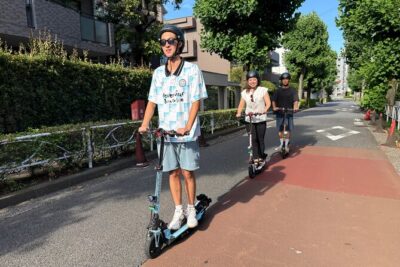
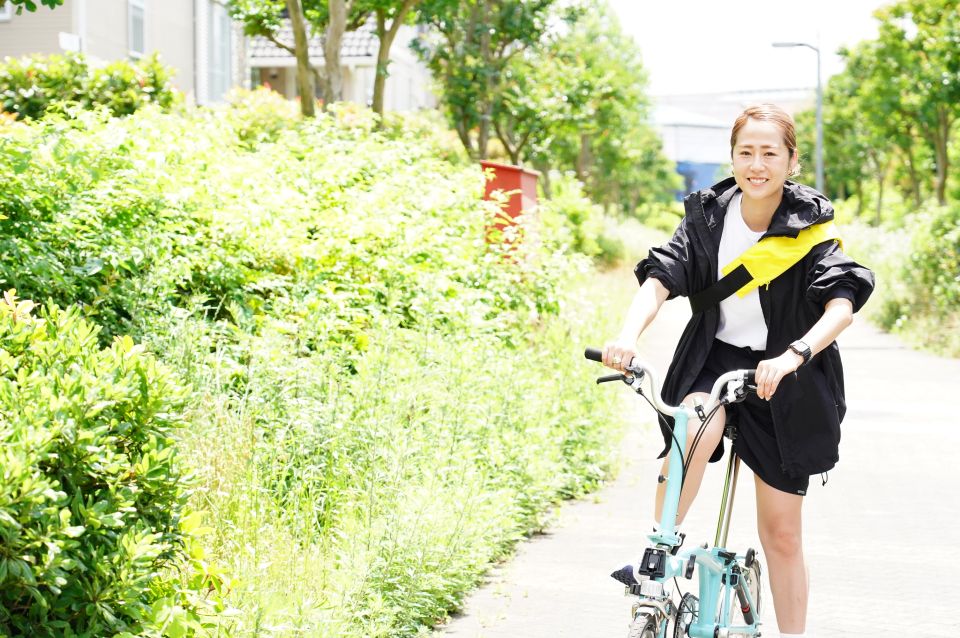
The bike itself is described as casual and cute, with a 20-inch small wheel for easier handling in tight situations. The tour note also points out that you can ride comfortably on a sports-style bike made in Italy. Translation: it’s not a clunky scooter vibe. You still feel like you’re cycling, but with help when the route tilts up or when you need to maintain energy for sightseeing.
Helmets and gloves are included, which I appreciate. Tokyo streets don’t need extra stress. When you’re properly geared, you ride more confidently, and the guide can focus on route flow and timing.
You can also read our reviews of more cycling tours in Tokyo
The ride time: about 4 hours, plus pickup and breathing room
On paper, it’s a 4-hour tour. In real life, plan for roughly 4.5 hours including pickup time. That pickup window is not trivial. You’ll be asked to meet your group a little early in the hotel lobby, about 5 minutes before your scheduled pickup.
Why that timing matters: Tokyo sight-tripping usually breaks your day into small fragments—short visits, long waits, repeat. This format groups things into a single smooth block. You’re moving between areas, then pausing long enough to actually appreciate each stop without feeling like you’re speed-reading Tokyo.
The guide also has flexibility built in. There’s a basic course, but you can add places you want to see as long as the time and itinerary allow. In other words, it’s not a rigid checklist where you have to accept whatever order the day gives you.
If you’re the type who likes to linger at a shrine detail, takes a lot of photos, or needs a minute to shop for souvenirs, this tour’s pacing is designed to handle that. In a private setup, your stops aren’t competing with a dozen other people’s schedules.
Tsukiji market and Ginza bread: snack planning that actually matters
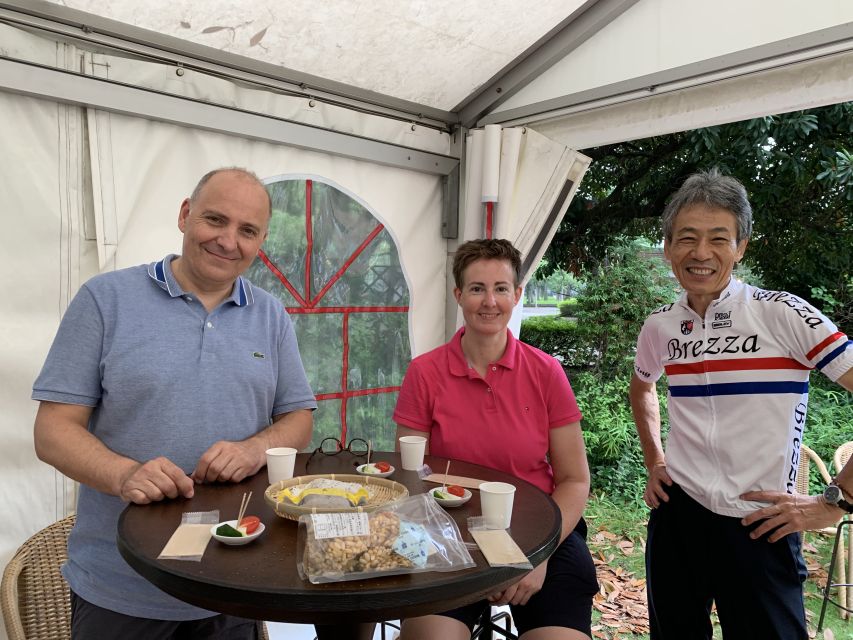
Some tours treat food like a side quest. This one builds it into the route.
In Tsukiji-area territory, you’ll experience the energy around the fish market area—famous Tokyo sights without the feeling of being herded. Even if you’re not there for a full-on food crawl, Tsukiji is one of those places where the atmosphere is part of the story. Seeing it by bike also helps you cover more ground than you could comfortably walk.
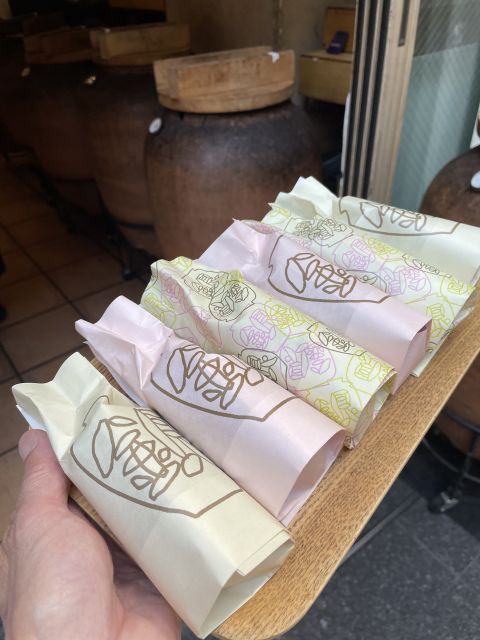
Then comes a very practical, very Tokyo-style stop: recommended bread from Kimuraya in Ginza. Ginza is all about refined streets and classic shopping, but the best way to experience it is with something simple in your hands. That bread stop gives you a quick taste of the area without turning the day into a formal meal reservation.
And yes, this tour also includes picnic time later with Japanese sweets and green tea. The structure matters. You’re not hungry at the worst moment, and you’re not stuck waiting for lunch somewhere that doesn’t fit your energy level. The picnic concept also changes the tone from sightseeing to enjoying.
Shrines and Edo-style details with a guide who watches the street
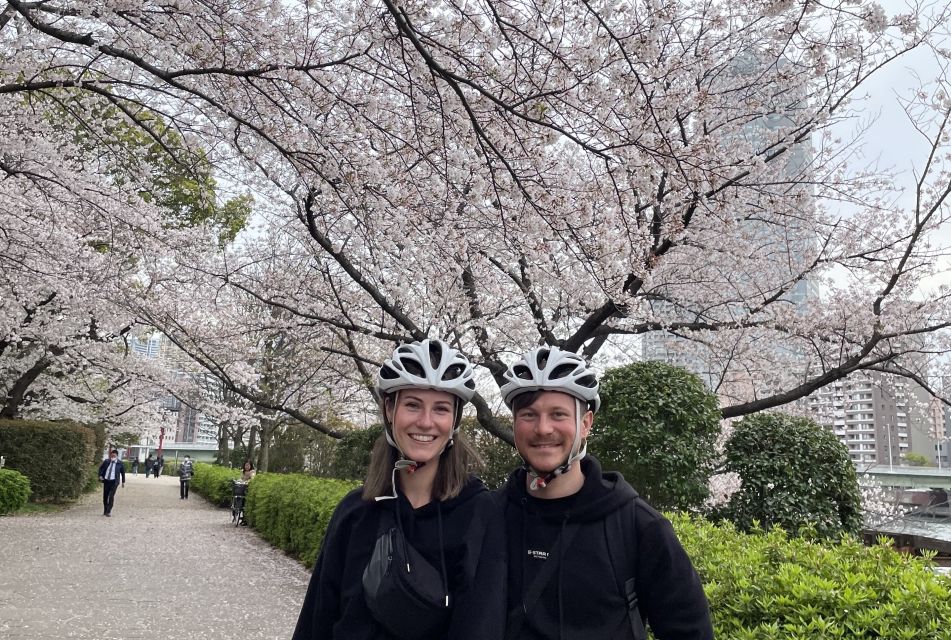
One of the tour’s strengths is that it doesn’t only hit postcard landmarks. It also points you toward the traditional layers that make Tokyo feel like more than a modern city grid.
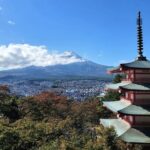
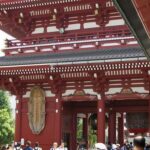
The route includes shrines with Edo culture traditions. That’s a big deal for first-timers because it’s easy to miss how much of Tokyo’s identity is tied to older patterns. A guide can help you notice the small things—how shrines are arranged, what tends to be meaningful in the visuals, and why the settings matter.
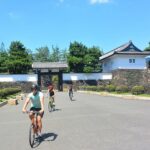
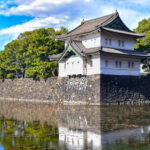
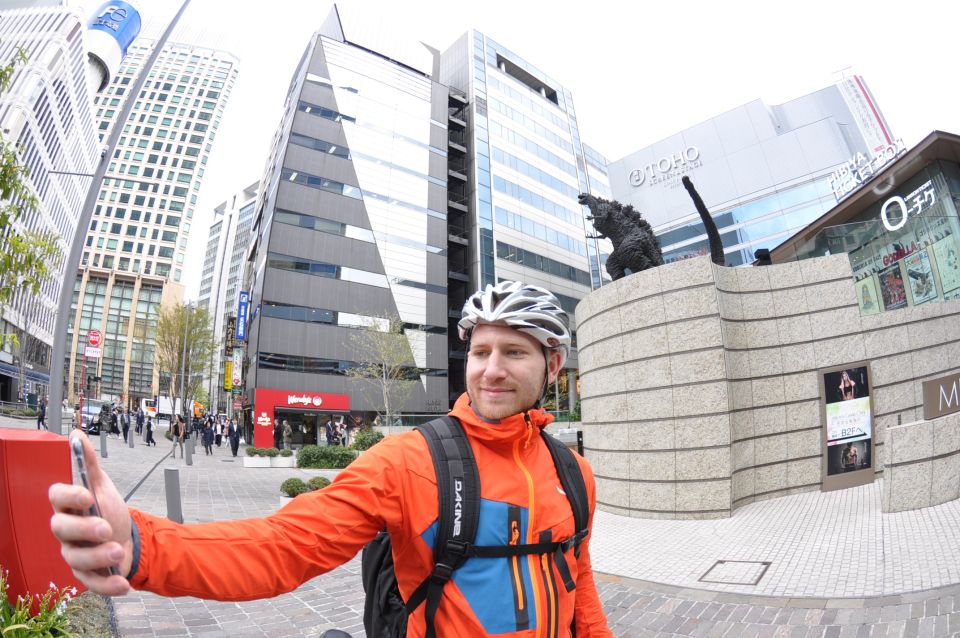
You’ll also ride toward the Imperial Palace area, focusing on the beautiful gates and the feel of the space. You don’t need a long history lecture to appreciate it. Gates and walls read differently when you’re approaching them slowly, with time to look, rather than snapping a photo while walking past.
A biking approach adds two benefits:
1) You cover more geography without rushing through every stop.
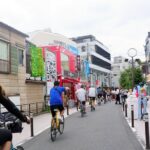
2) You get a sense of Tokyo’s scale—how neighborhoods transition into each other.
A caution to keep in mind: you’re riding in active traffic zones. The guide’s job is to keep you safe and on rhythm, but your job is simple too—stay alert and follow instructions. If you can ride a bike and you’re comfortable using the brakes, you’ll be fine. Even novice riders have found the ride easy with the guide’s support.
Picnic with Japanese sweets and green tea (plus river-side downtime)
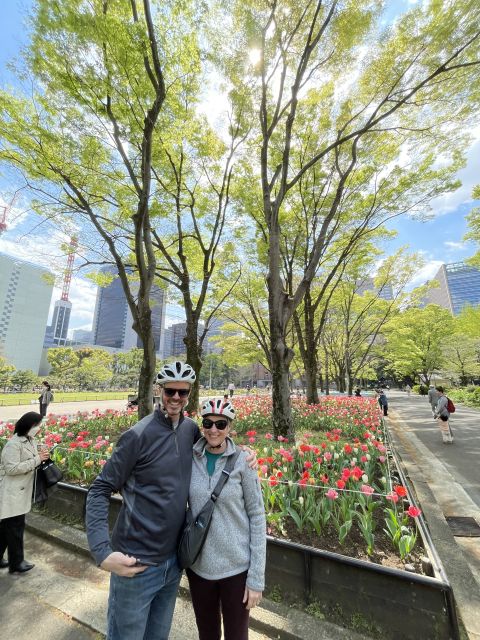
The included picnic is one of those touches that turns a standard tour into a memory.
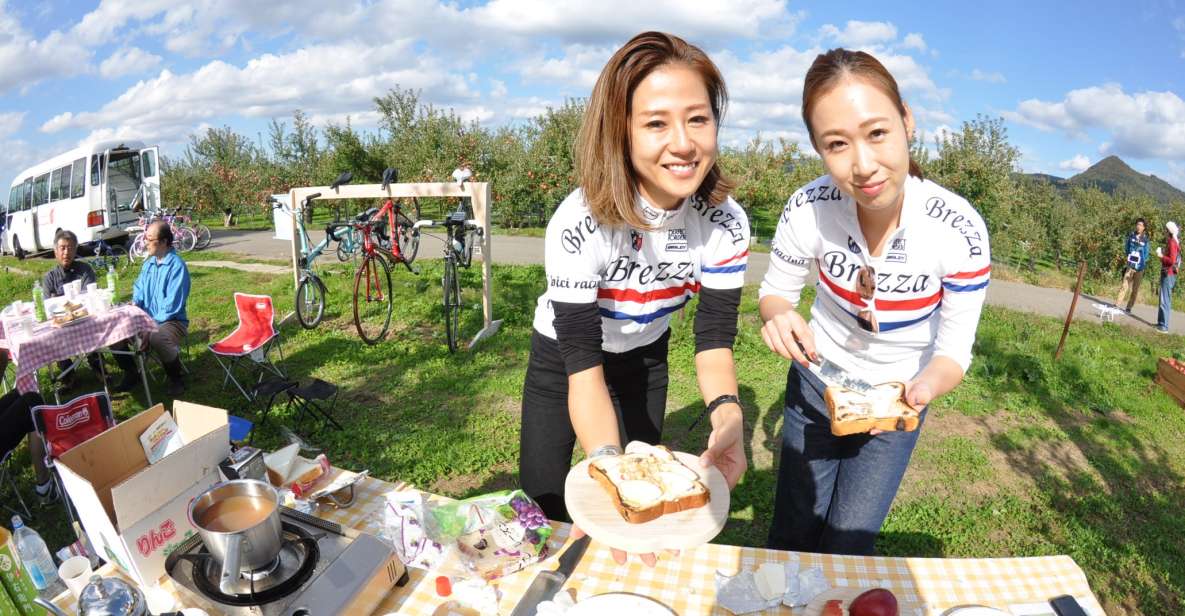
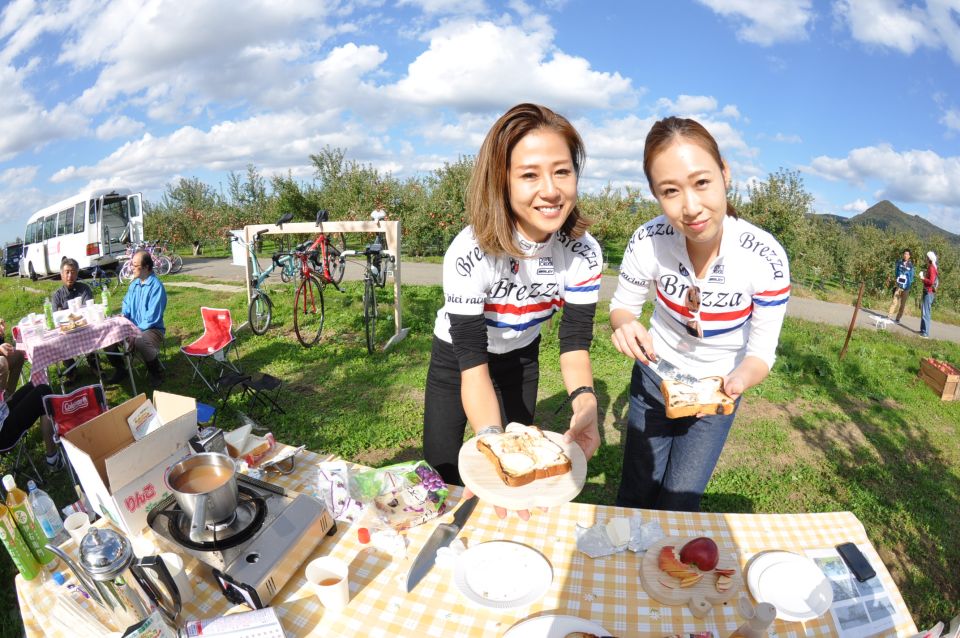
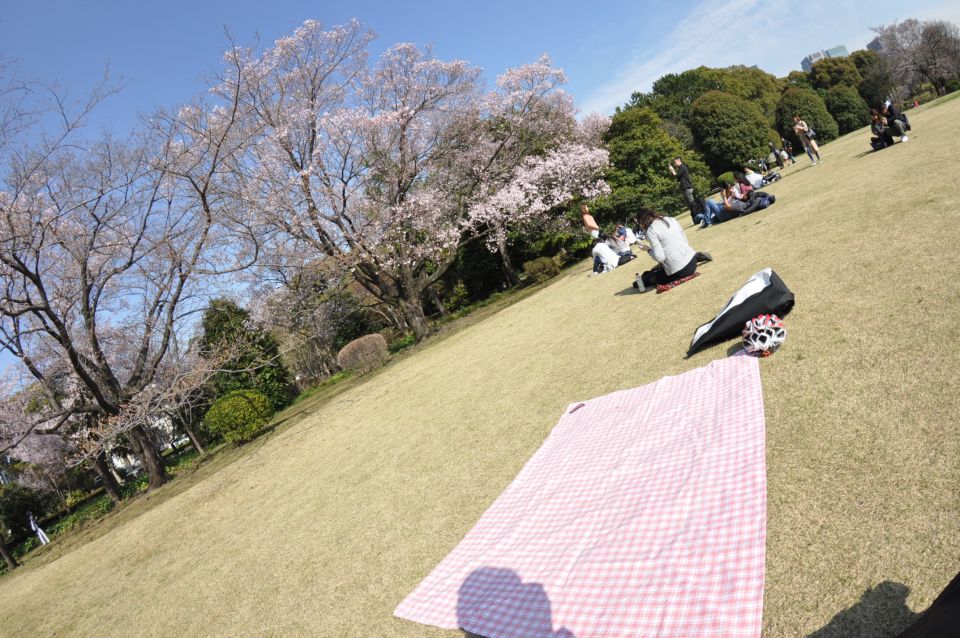
You’ll enjoy popular Japanese sweets and green tea as part of the day. This is not just a random packaged snack. It’s an intentional break, which helps you reset. When you’re cycling, your brain is constantly switching between route, scenery, and safety. A planned pause helps you absorb what you’ve seen.
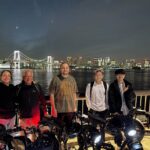
One review detail that’s especially helpful for expectations: the guide arranged for a short tea time by the river. That gives you a clue about the atmosphere of the picnic: you should expect a calm, sitting-and-enjoying moment rather than a stop where you stand in a loud crowd trying to eat quickly.
The included picnic, paired with the included bread earlier, also makes the day feel balanced. You’re not locked into one meal schedule. The food is spread into the experience: snack start, then sweets and tea break.
You can also read our reviews of more private tours in Tokyo

Guide style on the street: Hiro-san, Brezza, and how they keep things smooth
This tour leans heavily on guide quality, and the results show.
You’ll ride with an English-speaking guide (and Japanese is available too), and the tone is practical: you get help when it counts—navigation, timing, and safe cycling on busy streets. Guides like Hiro-san and Brezza are mentioned in standout feedback for being kind, attentive, and supportive. That matters because you’re not just receiving commentary. You’re sharing the road.
What I like about this guide approach is the responsiveness. If you want to take photos, stop for a souvenir, or adjust your pace, the private format gives the guide room to adapt. You’re not stuck moving at someone else’s speed.
There’s also a strong theme of added value beyond the ride itself:
- They make reservations and help with designated restaurants.
- They recommend local places afterward, so your day doesn’t end when the bike ride does.
- They manage the experience flow so you’re not constantly asking where to go next.
If you’re the type who hates uncertainty during a trip, this style helps. You show up, they handle the sequence, and you get to enjoy the city.
E-bike climbing help: the slopes most tours avoid
Tokyo has elevation changes. Even when you don’t notice steep climbs on a map, you can feel them in your legs.
This tour uses electric assist to guide you to courses with weaker slopes that aren’t used in general tours. Translation: you spend more time sightseeing and less time battling hills. That can be the difference between having energy for photos and sitting down later with regret.
It also makes the tour more inclusive. You don’t need to be a cyclist with serious stamina. If you’re someone who wants the freedom of biking without paying the price in exhaustion, electric assist is the key.
Still, the tour isn’t designed for anyone who can’t handle basic bike control. E-bike help reduces the effort, but you’ll still be steering in traffic and navigating street intersections. Wear the included gloves, keep both hands steady, and you’ll be set.
Rain and flats: how the real world gets handled
Tokyo weather can change fast, and street biking adds a layer of unpredictability. The good news: this tour is set up for those moments.
There’s at least one experience mentioned with rain, and the organizers handled it by providing items like rainwear and towels for participants. That’s smart. Wet clothes can ruin a day, especially when you’re riding.
There’s also a mention of a flat tire. The guide switched the tire quickly—within minutes—and the group continued without a long derailment of the day. In practical terms, that means you should expect competent problem-solving rather than waiting around for a plan.
I’d still suggest you bring your own small backup items if you’re picky: a compact umbrella or rain layer, and a way to keep your phone dry. But the tour clearly anticipates weather issues.
Price and value: $318 for up to 4 people
Let’s talk money without pretending it’s cheap.
The price is listed as $318 per group up to 4, and the ride lasts about 4 hours (around 4.5 total with pickup). On a per-person basis, this can look high if you’re traveling solo. But the private-group structure shifts the value.
Here’s what you’re paying for:
- A professional English-speaking guide
- An electric-assisted E-bike (with helmet and gloves included)
- Pickup included
- Reservations and designated restaurant support
- A picnic with Japanese sweets and green tea
- Bread from Kimuraya in Ginza
So you’re not just paying for transportation. You’re paying for planning, local know-how, and friction removal. That’s especially valuable if it’s your first time in Tokyo or you want to cover more than a single neighborhood.
If you have 2–4 people in your group, the cost spreads out in a way that feels more fair. For families or friend groups who want a shared Tokyo day, private biking can be better value than buying separate tickets for multiple guided activities.
Who this private Tokyo E-bike tour fits best
This is a strong match if you want:
- A private day plan instead of a crowded group tour
- To see a run of classic sights without spending the whole day walking
- Help navigating traffic while staying in the saddle (with helmet and gloves provided)
- Built-in breaks: picnic sweets and tea, plus the earlier bread stop
- The ability to tweak your route if you care about photos, shopping, or extra spots
It may be less ideal if:
- You need a very short activity (this is half a day)
- You dislike cycling in city traffic, even with a guide and electric assist
Should you book? My practical take
Book it if you want Tokyo sightseeing that feels smooth and personal. The combo of a compact E-bike, a capable guide, and planned food stops (Kimuraya bread and picnic sweets with green tea) creates a day that’s more than just looking at famous places. It’s also a realistic way to cover ground while keeping energy for photos and wandering afterward.
Skip it if your priority is a super short outing or you’re not comfortable riding a bike on busy streets.
If you’re traveling as a small group, this tour can be a very good value because the private format costs less per person than you might expect when split.
FAQ
How long is the tour?
The tour duration is about 4 hours, with pick-up time bringing the total experience to roughly 4.5 hours.
How much does it cost, and what group size is included?
It costs $318 per group, up to 4 people.
What’s included with the E-bike?
You get an electric-assisted E-bike, plus a helmet and gloves.
Is pickup included?
Yes. Pickup is included, and you should wait in your hotel lobby about 5 minutes before your scheduled pickup time.
What food and drinks are included?
The tour includes a picnic with Japanese sweets and green tea, and bread from Kimuraya in Ginza.
What languages are the guides?
The live tour guide offers English and Japanese.