REVIEW · TOKYO
Mt Fuji, Takayama, Nagano Private Tour w Local guide/photographer
Book on Viator →Operated by Japan Experiences · Bookable on Viator
Japan in three whirlwind days.
This private tour is built for major Japan icons, with Kye (Japan-born, half-Australian, semi-pro photographer) steering the day and cracking jokes when things get hectic. I like that it’s set up as a small-group experience (up to 4), with pickup offered and a mobile ticket to keep admin simple. You’ll hit big visual moments like Mt Fuji photo spots and then shift into Nagano’s animal-and-culture day.
Two things I really like: the focus on photo-friendly stops (Mt Fuji is explicitly planned for views) and the practical comfort touches like WiFi on board in an air-conditioned vehicle. The route also mixes city energy with calmer old-town and winter activities, so you’re not just ticking landmarks.
One consideration: the schedule is very “highlights sprint.” With short blocks at several places and time reserved for transportation, you should expect long days and less wandering on your own, especially if you prefer slow travel.
In This Review
- Key highlights at a glance
- How this private Japan tour stays low-stress (even when it’s packed)
- The ride: Toyota comfort, private timing, and how to plan your day
- Day 1: Mt Fuji views plus classic Japan stops in short blocks
- Day 2: Osaka theme-park energy, Takayama’s hometown vibe, and Okinawa beach time
- Day 3 in Nagano: snow monkeys, red pandas, Zenko-ji, and winter culture stops
- Jigokudani Yaen-Koen and the snow monkey moment
- Chausuyama Zoo for red pandas
- Zenko-ji Temple: a calmer temple pace
- Winter in Hakuba and Shiga Kogen (ski resort stops)
- Togakushi soba-making at Tonkururin
- Endo Sake Brewery tastings
- Matsumoto Castle: go inside an iconic tower
- So is this tour worth the price? Let’s do the math
- Who this private tour suits best (and who should skip it)
- Should you book Mt Fuji, Takayama, Nagano Private Tour w Local guide/photographer?
- FAQ
- Where does the tour start and end?
- Is this tour private?
- What vehicle do you use?
- Is pickup offered?
- Are meals included?
- Are entrance tickets included for all stops?
- Can I cancel or change the booking?
Key highlights at a glance
- Kye as guide and photographer: quick jokes, local perspective, and a route shaped for good viewing
- Private tour for up to 4: you’re not sharing your timing with strangers
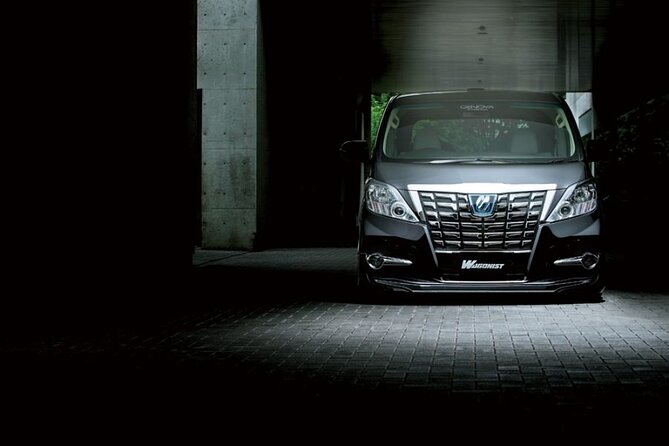
- 2023 Toyota Land Cruiser Prado (or luxury van option) for comfortable long drives
- Nagano animal day: Japanese red-faced snow monkeys at Jigokudani and red pandas at Chausuyama Zoo
- Hands-on food and drink: soba-making at Tonkururin and sake tastings at Endo Sake Brewery
- Mix of free and paid admissions: some key stops are listed as free, others require tickets on the day
How this private Japan tour stays low-stress (even when it’s packed)
The biggest value here is that you’re not trying to figure out trains, transfers, and ticket timing across a multi-prefecture route. This is a private setup, so your day runs around your group’s pace and the driver’s plan—not around a bus schedule and a crowd flow.
I also like the “comfort first” choices baked in. You get an air-conditioned vehicle and WiFi on board, which sounds small until you’re staring at travel time with no signal. Add the mobile ticket and pickup offered, and you spend less mental energy on logistics.
And then there’s Kye’s role. He’s not presented as a bland facts-only guide. He’s a photographer, quick with a joke, and local to Takayama—so when the route turns toward hometown-style Japan, you’re not stuck with generic talking points. Even if you’re not a photographer, that matters because it usually means the stops are planned for seeing, not just passing by.
The only “watch it” part is density. This is a highlights-and-transfers itinerary. You get scheduled time at each place, plus time allotted for moving. If you hate feeling on a clock, you might feel the pace. If you like efficient planning and want the big moments covered, it fits well.
You can also read our reviews of more guided tours in Tokyo
The ride: Toyota comfort, private timing, and how to plan your day
You’ll travel in a 2023 Toyota Land Cruiser Prado, which is a sensible choice for comfort and space on longer driving days. If your group wants more room, there’s also an option for a Japanese luxury van.
What that means for you: you can stay warm, settled, and ready for photo stops without constantly juggling bags and layers in and out of stations. And since the tour is private, you’re not doing that awkward shuffle of “stand here, follow there, don’t fall behind.”
A practical note: meals aren’t included and fuel and tolls aren’t included. So while the vehicle and guide are handled, you’ll still want a budget for lunch and snacks. If you’re the kind of traveler who gets hangry, plan for it. Japan is easy for food, but during a packed day, having a plan for quick meals saves energy.
Day 1: Mt Fuji views plus classic Japan stops in short blocks
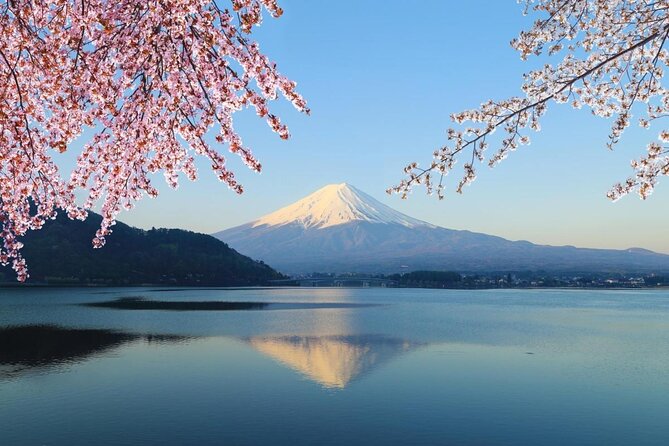
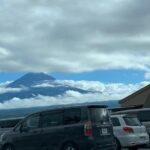
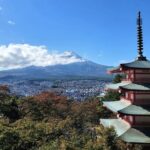
Day 1 starts with Mount Fuji and—importantly—multiple photo-view spots. The listing calls out “photo spots,” and that’s exactly the mindset I’d want on a Fuji day. You’re not just arriving at the foot of the mountain and hoping for the best angle. You’re set up to look, compare viewpoints, and frame the mountain the way you want.
Expect about an hour for this stop, and then you’re moving on. That’s not a complaint—it’s the structure. If your biggest goal is seeing Fuji and getting usable photos, an hour can be enough when the viewing spots are planned.
After that, you shift to Kyoto Prefecture for an old-capital style experience. You’ll get about an hour here. The value isn’t in deep, multi-stop wandering; it’s in getting a taste and context without turning the day into a marathon.
Then there’s Sapporo, described around food and climate. Again, it’s one hour. This is the kind of stop that works best if you go in with a mindset like: try what you can, notice what’s different, and keep the day moving.
Trade-off: Day 1 mixes icons quickly. If you want one region to feel like “the trip,” this may feel like sampling. If you want a structured jump-start across Japan, it’s a strong approach.
Day 2: Osaka theme-park energy, Takayama’s hometown vibe, and Okinawa beach time
Day 2 is the longest day for one single block: Osaka with a theme park focus for about 7 hours. The description leans hard into thrills and records—speed, height, and fear—so this is clearly aimed at people who want action and big entertainment rather than slow city wandering.
For planning, that long Osaka window matters. You’ll need time to queue, move between attractions, and take breaks. Since meals aren’t included, you’ll likely be buying food on-site or nearby. If your group splits into “ride now” and “take photos and people-watch,” build in a meetup plan so you don’t lose each other inside a theme-park layout.
After Osaka, you shift gears to Takayama for a shorter stop. Takayama is described as a rural town north of Nagoya, often compared to a miniature Kyoto, with history you can feel in the streets. This is where Kye’s hometown connection becomes more than a marketing line. A guide with local ties tends to know where to look for atmosphere—even when time is limited.
Then you end Day 2 with Okinawa Prefecture as a beach-resort stop. About an hour here means a quick hit: a change of scenery, a taste of island vibes, and a chance to recharge with something visually different from the mainland.
What to consider: Day 2 blends very different moods—thrills, old-town feel, and beach resort—in a single day. If you’re the type who wants one consistent theme per day, this might feel jumpy. If you like variety and photos that show range, it’s fun.
Day 3 in Nagano: snow monkeys, red pandas, Zenko-ji, and winter culture stops
Day 3 is the centerpiece for animals and traditional culture, and it’s also where you’ll likely notice the biggest ticket costs.
You can also read our reviews of more private tours in Tokyo

Jigokudani Yaen-Koen and the snow monkey moment
You start at Jigokudani Yaen-Koen, which is described as the main event for seeing Japanese red-faced snow monkeys in a semi-natural habitat. The name is noted as translating to hell valley, with plants struggling due to sulfur conditions—an interesting detail that makes the setting feel real, not just like a zoo label.
Admission is not included here, so you’ll want to budget for the on-the-day ticket. Plan your timing for an animal stop like this: you’re going to want enough time to watch behavior, not just take one quick look and move on.
Chausuyama Zoo for red pandas
Next is Chausuyama Zoo, about an hour, with a focus on red pandas. Admission is also not included. It’s a shorter stop than Jigokudani, but it creates a nice “animal variety” day. Even if you’re mainly there for the snow monkeys, red pandas add a second kind of cute that keeps the day from feeling repetitive.
Zenko-ji Temple: a calmer temple pace
After animals, you go into tradition at Zenko-ji Temple for about an hour. The description emphasizes it as more traditional than some Tokyo options, with a calmer feel and fewer big-tour crowd vibes.
There’s also a second stop centered on a traditional path that leads to Zenko-ji, also listed as free. You’ll get some time for walking and atmosphere instead of only standing in one spot.
Winter in Hakuba and Shiga Kogen (ski resort stops)
Then the route heads into winter areas with Hakuba Goryu Ski Resort / Alpine Botanical Garden and Shiga Kogen. Both are listed with admissions not included. The Hakuba stop is described around “powder snow” and being known in off-piste circles, while Shiga Kogen is described as an area next to the snow monkey region with great snow.
Here’s how to make it work for you: think of these as scenery and winter-experience stops rather than a full ski program. If you don’t ski, you can still enjoy the mountain context; if you do ski, you’ll want to confirm what’s actually available during your travel dates (the listing doesn’t spell out rentals, lift tickets, or activity options).
Togakushi soba-making at Tonkururin
Next up is Togakushi Soba Museum Tonkururin, about two hours. This stop is explicitly hands-on: you learn how to make traditional Japanese soba from scratch. Admission is not included, but this is one of the most “value-dense” cultural blocks on the day because you’re not just watching; you’re doing.
If you love food history and technique, this is the kind of stop you’ll remember long after you forget a quick temple photo.
Endo Sake Brewery tastings
Then you head to Endo Sake Brewery for about an hour. You can do tastings, and it’s framed as one of more than 10 sake breweries in the area. Admission is not included.
If you want a safer move here (especially if you’re driving later), keep your tasting pace realistic. The tour itself doesn’t mention alcohol limits or transportation after tastings, so it’s smart to handle it responsibly.
Matsumoto Castle: go inside an iconic tower
Finally, you reach Matsumoto Castle. It’s described as one of Japan’s treasured castles, with a main tower that’s five-tiered and six-story, built in the late 16th century. It’s also called the oldest surviving castle tower in the nation, and the listing notes you can go inside. Admission is not included.
This stop helps land the day with something tangible: architecture you can walk through, views from inside, and a strong “end of route” payoff after temple and animal time.
So is this tour worth the price? Let’s do the math
The price is $39,021.51 per group, up to 4 people, for about 3 days. If you fill all four spots, you’re looking at roughly $9,750 per person for the full package.
That sounds huge—because it is. But here’s where the value logic comes in:
- You’re paying for a private guide/photographer (Kye) and a dedicated driver/vehicle.
- You’re also paying to reduce friction: pickup, mobile ticket, WiFi, and time management.
- The route includes a mix of major sites across multiple prefectures, plus hands-on activities like soba-making and sake tastings.
If you have a group of 3–4 and you’re the kind of travelers who hate DIY logistics (or you’re short on time and want big highlights checked off), this can make sense. If you’re traveling solo or as a couple, the per-person cost rises sharply, and you’ll probably feel better choosing a less expensive route or one region-focused tour.
Also keep in mind: meals are not included and several stops have admissions not included. So your true all-in budget will be higher than the headline price.
Who this private tour suits best (and who should skip it)
This is a good fit if you:
- Want a private trip with a small group and less hassle.
- Like highlights and photos more than slow local wandering.
- Want a guide who can support viewing and timing, especially at Fuji photo spots and during the animal-focused day.
- Are interested in doing more than sightseeing—especially the soba-making and sake tasting components.
It might not fit as well if you:
- Prefer unstructured days and long stays in one place.
- Don’t want a packed schedule with a lot of travel time.
- Are planning around tight budgets for entrance tickets and meals.
One more thing I appreciate from how Kye is described: he’s local to Takayama and brings humor. That can turn short stops into more memorable moments, even when time is limited.
And if you’re the type who starts with a small plan and then wants to expand, the provider’s track record (including longer private trips for larger friend groups) suggests they can handle customization. That matters if you’re thinking beyond three days and want more local artisan or seasonal experiences.
Should you book Mt Fuji, Takayama, Nagano Private Tour w Local guide/photographer?
If your top goals are major Japan highlights, a private experience, and a guide who can help you see and photograph well, I think this is a strong option—especially for groups who can fill up to four seats.
But if you want slow travel, deep, unhurried exploration in one region, or you’re traveling with a tight budget, the price and ticket exclusions may feel steep. In that case, consider a smaller-region tour first.
My practical advice: if you book, plan your days around being flexible with pacing. Pack comfortable clothes for temple walking and possible winter conditions for the Hakuba/Shiga Kogen stops. Bring snacks or budget for meals daily. Then you’ll get the best version of what this tour promises: a private, guided run through some of Japan’s most recognizable and photogenic moments.
FAQ
Where does the tour start and end?
The tour starts in Tokyo, Japan and ends back at the meeting point.
Is this tour private?
Yes. It’s a private tour/activity, so only your group participates.
What vehicle do you use?
The standard vehicle is a 2023 Toyota Land Cruiser Prado, with a Japanese luxury van available as an option for extra space.
Is pickup offered?
Yes, pickup is offered.
Are meals included?
No. Meals are not included.
Are entrance tickets included for all stops?
No. Some stops are listed as free (like Mt Fuji, Zenko-ji, and several others), while several stops are listed with admission tickets not included (including Jigokudani Yaen-Koen, Chausuyama Zoo, Hakuba Goryu/Shiga Kogen, Tonkururin, Endo Sake Brewery, and Matsumoto Castle).
Can I cancel or change the booking?
No. This experience is non-refundable and cannot be changed for any reason.
If you tell me your travel month and whether your group includes skiers, I can help you sanity-check how well Day 3’s winter stops will match what you want.