REVIEW · TOKYO
Shibuya Electric Bike Tour of Tokyo’s Most Expensive Neighborhood
Book on Viator →Operated by GET AROUND JAPAN · Bookable on Viator
Shibuya has a quieter side. On this small-group e-bike tour, I like the way you zip from Shibuya’s energy into Shōtō and Oku-Shibuya neighborhoods in just minutes, and the guide builds in time for Former Marquis Maeda Teahouse with admission included. One heads-up: food and drinks are not included, so your final spend will go up a bit.
What makes this trip feel different is the pacing. You’re not just riding through streets; you’re stopping often enough to notice details—shrines, coffee stands, and even architect-designed public toilets—without turning it into a long walking day with a dead-tired ending. Expect an English-speaking guide and a group capped at 6 travelers, which usually keeps the vibe friendly and questions welcome.
In This Review
- Quick take: what you’ll enjoy most
- Why an e-bike tour beats hopping between Shibuya backstreets
- First stop: Nabeshima Shoto Park and the architect-designed toilet
- Former Marquis Maeda Teahouse: quiet Tokyo time (with admission included)
- Panamaboy in Tomigaya: vintage and local-style shopping breaks
- Yoyogi Hachimangu Shrine: Shinto manners without the awkward guessing
- Coffee stops that feel local: Little Nap and CAMELBACK
- A second design surprise: Yoyogi Fukamachi Mini Park’s light-control toilet
- Getting from neighborhood to neighborhood: Shōtō, Komaba, and Oku-Shibuya in one ride
- Small group size and the English-speaking guide experience
- Price and value: what $52.03 buys you in Tokyo
- Practical tips before you book (so the day goes smoothly)
- Who should book this Shibuya e-bike tour
- Should you book the tour or plan something else?
- FAQ
- How long is the Shibuya electric bike tour?
- Where does the tour start and end?
- What is included in the price?
- What is not included?
- How big is the group?
- Is the guide available in English?
- What is the cancellation policy?
Quick take: what you’ll enjoy most
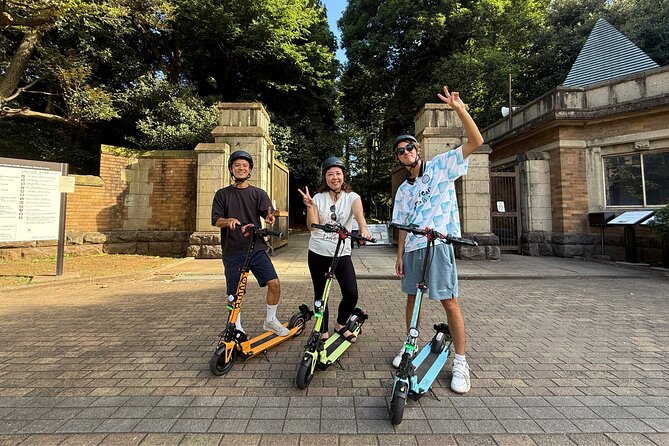
- Shōtō / Komaba / Oku-Shibuya feel like calmer Tokyo while staying close to central Shibuya
- Former Marquis Maeda Teahouse is an included cultural stop, not just a photo stop
- Yoyogi Hachimangu Shrine etiquette comes with real context from your guide
- Two photo-worthy public toilet spots with design details you won’t get on your own
- Small group riding with an English-speaking guide, so you can ask questions
Why an e-bike tour beats hopping between Shibuya backstreets
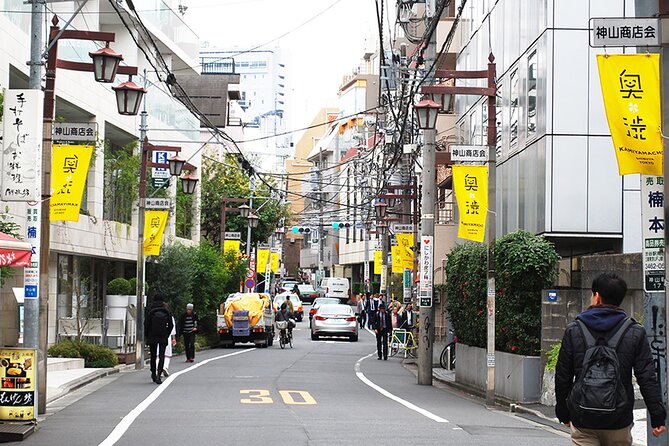
Tokyo’s Shibuya area is famous for crowds, crosswalk chaos, and people-watching. But just a short ride away, the mood changes fast. This tour is built for that contrast: you start near Shibuya and then spend real time in quieter residential zones like Shōtō, Komaba, and Oku-Shibuya.
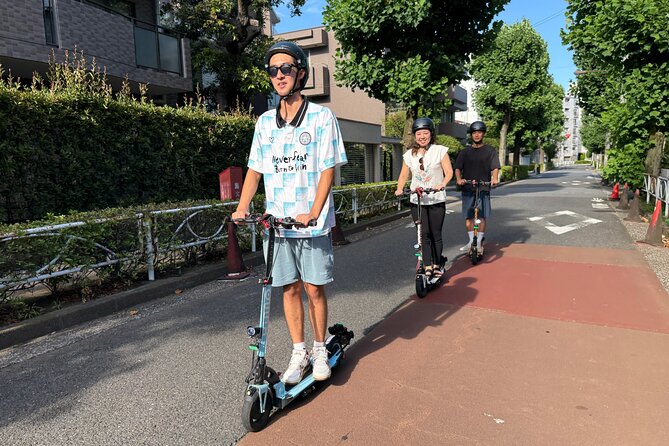
An electric bike with pedals is a practical sweet spot here. You cover enough ground to stitch neighborhoods together, but you still move like a human with stops that feel natural. I especially like that the route includes parks and short walks, so the experience doesn’t turn into nonstop zooming.
The other big win is theme. The itinerary intentionally mixes everyday local life (coffee, bakeries, thrift shopping) with culture (a shrine and a teahouse). You get variety without feeling like you’re sprinting between random landmarks.
You can also read our reviews of more cycling tours in Tokyo
First stop: Nabeshima Shoto Park and the architect-designed toilet
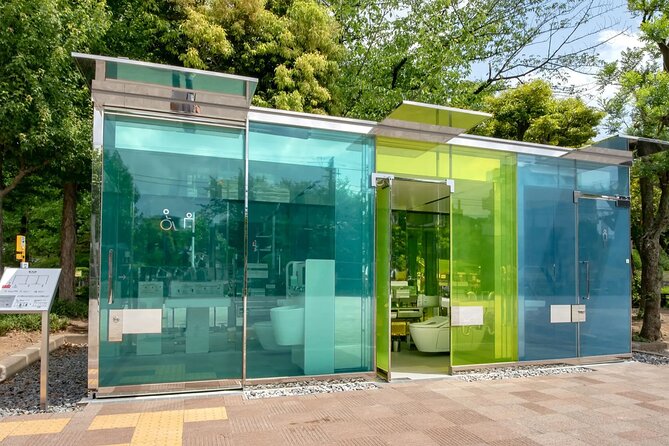
The tour kicks off at Nabeshima Shoto Park, with time to learn about the park’s history and see a famous toilet designed by a well-known Japanese architect. Yes, a toilet. In Tokyo, that kind of design curiosity is a serious part of how public spaces communicate identity and modern taste.
If you’re the type who likes noticing how cities solve everyday problems, this stop clicks fast. It’s quick, it’s free, and it gives you something fun to photograph that most sightseeing routes skip entirely. It also sets expectations for the rest of the day: Tokyo’s everyday design can be as interesting as big monuments.
Potential consideration: because it’s a short 10-minute stop, you’ll want to arrive ready to look and take photos promptly. This isn’t the place to linger. Your guide keeps the flow so you can hit all the stops while the morning or afternoon light is still good.
Former Marquis Maeda Teahouse: quiet Tokyo time (with admission included)
Next up is the Former Marquis Maeda Teahouse. Here you park your scooter/e-bike and walk in to a classic teahouse for tranquility and peace—plus the admission is included. The stop is longer than the street-side shops: plan on around 30 minutes.
This is the cultural counterweight to the urban noise outside. A teahouse visit is also useful because it gives you something to slow down for, instead of treating Tokyo like a checklist. Your guide also helps you make sense of the setting and how to behave, so you don’t feel like you’re intruding.
The drawback is timing: you’ll still be on a schedule, and you might not get the deep unhurried pace you’d want from a stand-alone tea experience. Still, as part of a ride-and-stops tour, it’s a strong add because you get real variety for a reasonable price.
Panamaboy in Tomigaya: vintage and local-style shopping breaks
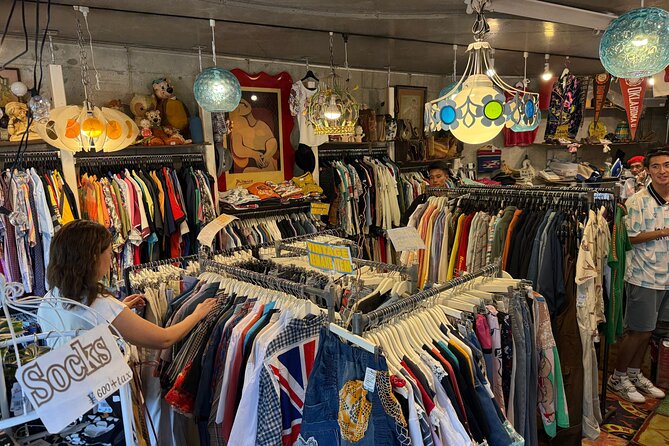
A nice twist in the middle of the route is a stop at Panamaboy Co., Ltd., a cozy vintage thrift/accessories shop in the quiet neighborhood of Tomigaya. The stop is short (about 10 minutes), but the idea is clear: give you a chance to browse something local that you wouldn’t likely find while speed-walking between major stations.
This kind of stop is underrated. It’s where you start seeing Tokyo through small, personal choices—what someone collects, wears, or keeps. Even if you don’t buy anything, you learn the rhythm of local shopping streets: glance, compare, ask questions, move on.
Practical note: since it’s a quick stop and food/drink purchases aren’t included anywhere on the tour, bring a small amount of cash or a card you’re comfortable using for small purchases and snacks.
Yoyogi Hachimangu Shrine: Shinto manners without the awkward guessing
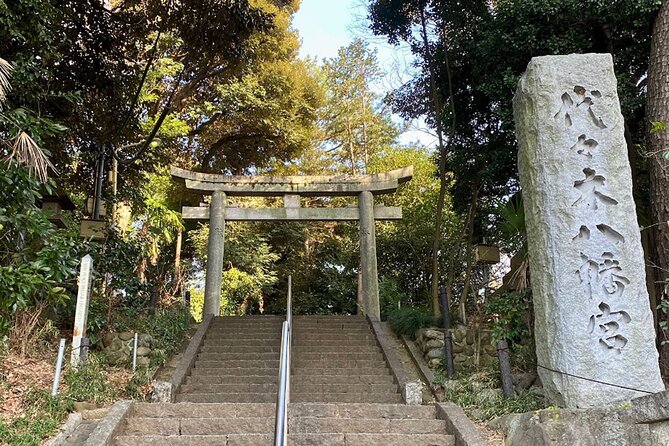
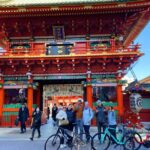
Then you roll into Yoyogi Hachimangu Shrine. This is one of the bigger culture moments: you’ll walk through with your guide, who explains Shinto and offers manners for visiting a shrine. You get about 20 minutes here, which is enough time to understand what you’re seeing and not just snap photos and leave.
I like shrine stops that come with etiquette guidance. Tokyo has plenty of spiritual spaces, but unless someone explains the basics, you can feel awkward about what’s appropriate. Having an English-speaking guide to set expectations makes this stop much more rewarding.
Also, shrine architecture and grounds look especially good from a slower perspective. Even though you’re on an e-bike tour, this is one of the places where you’ll want to pause and watch. The contrast with the surrounding residential streets is part of the appeal.
You can also read our reviews of more tours and experiences in Tokyo

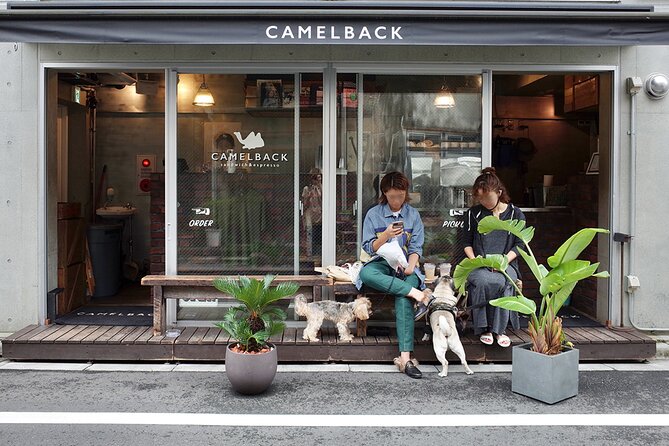
Coffee stops that feel local: Little Nap and CAMELBACK
Two separate snack-and-coffee opportunities break up the ride time after culture stops.
First is Little Nap Coffee Stand for a quick coffee break (about 15 minutes). It’s the kind of place that fits the tour theme: small, local, and purpose-built for everyday hangouts rather than sightseeing bus lines.
Later, the tour includes CAMELBACK sandwich&espresso, where you can grab coffee and the signature egg sandwich made by a former sushi-chef. Another 15 minutes is built in here. It’s a useful lunch-ish option if you time it right, and the detail about the chef’s background makes the stop more interesting than a generic cafe stop.
One important consideration: food and drink are not included, so you’re choosing what fits your budget. This can be a plus, because you control what you buy. But it also means you should plan for extra spending beyond the listed tour price.
A second design surprise: Yoyogi Fukamachi Mini Park’s light-control toilet
The route saves another design-focused stop for Yoyogi Fukamachi Mini Park. Here you’ll find Japan’s first public toilet using light control film. The film turns transparent and opaque when you switch the button, turning a basic facility into a small piece of interactive design.
This stop is only about 10 minutes, but it’s memorable because it’s so specific. It also reinforces a practical Tokyo lesson: public infrastructure is often treated like design. You can learn as much from that mindset as you can from big museums.
If you’re traveling with kids, or you just enjoy goofy-yet-smart tech details, this is one of those moments you’ll talk about afterward. If you prefer strictly traditional sights, you can treat this as a quirky palate cleanser between the teahouse and the shrine.
Getting from neighborhood to neighborhood: Shōtō, Komaba, and Oku-Shibuya in one ride
The big picture of the tour is that you’re not stuck in Shibuya Crossing-land for the whole day. The ride takes you through the calm side streets near Shōtō, Komaba, and Yoyogi, plus onward into Oku-Shibuya. It’s described as a place that feels like cozy Tokyo suburbs, but still close enough to the city center that you’re never far from the action.
That matters because Tokyo’s neighborhoods can feel like different cities. Walking can do it, but it takes time and map-reading stress. An e-bike makes the neighborhood contrast possible in a single outing.
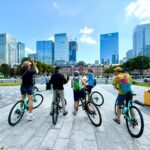
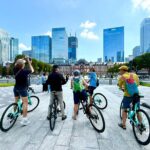
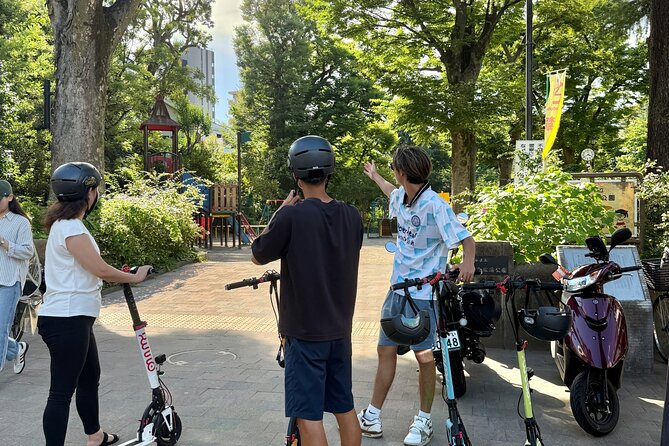
Your guide also adds a “pause and notice” approach. There’s time to park bikes in a park near Yoyogi to soak in the atmosphere, grab a quick snack, and take photos in spots that tourists don’t typically stumble into. Those photo-and-pause breaks are where the tour stops feeling like transportation and starts feeling like sightseeing with context.
Small group size and the English-speaking guide experience
This tour caps at 6 travelers, and the guide is English-speaking. That small size changes the tone. You don’t have that constant pressure of moving as a huge pack, and it’s easier to hear explanations at each stop.
In one experience described with the guide Leo, the standout detail was how friendly the guide was and how talkable the whole tour felt. I’d take that as a sign that the tour doesn’t just run on a script. You can ask questions and get answers, which is a big deal in Tokyo where “small rules” often matter.
Also, English support is a real value here because some details—like shrine manners—are hard to self-interpret. You’ll get more out of the visit when someone can explain the why behind the what.
Price and value: what $52.03 buys you in Tokyo
At $52.03 per person for about 2 hours 30 minutes, this tour competes well when you compare what’s included versus what you’d pay for on your own.
Included:
- Electric bike with pedals
- English-speaking guide
- Admission to Former Marquis Maeda Teahouse
Not included:
- Food and drink
- Tips
The admission piece isn’t huge on paper, but it matters because it prevents the day from turning into “pay for everything separately.” More importantly, the bike + guide combination gives you something you can’t easily replicate: an organized path through quieter residential pockets with cultural stops built into the flow.
Does it cost more than a DIY walk? Yes, because you’re paying for transportation and guidance. But you’re also paying for time efficiency and for access to explanations you can’t easily pull from signs.
One practical way to think about it: treat the base cost as a smart way to cover neighborhoods. Then treat your snack and coffee choices as your personal add-on, not an unavoidable expense.
Practical tips before you book (so the day goes smoothly)
A couple of small things can make a big difference with an e-bike neighborhood tour in Tokyo:
- Bring cash or a card for coffee and food since those stops are not included.
- Wear shoes you can walk in for short breaks at shrines and teahouse entrances.
- Since the experience requires good weather, plan for flexibility. If rain hits, you’ll need to accept date changes or refunds rather than expecting it to run anyway.
Also, this is an activity that gets booked well ahead (on average about 130 days). If you’re traveling during peak seasons, I’d lock it in earlier rather than hoping for a last-minute slot.
Who should book this Shibuya e-bike tour
I think this tour fits best if you want:
- Quiet neighborhoods close to Shibuya, without losing half the day navigating
- A mix of culture and everyday local life (teahouse, shrine, coffee, vintage shop)
- Fun photo stops with a Tokyo design twist (architect toilets and light-film tech)
- A small-group, question-friendly guide experience in English
You might skip it if you want a long, deep museum-style day, or if you dislike tech-design curiosities like the public toilet stops. It’s paced to keep moving and then pause at a variety of points, not to linger all day in one place.
Should you book the tour or plan something else?
Book it if your Tokyo style is “get oriented fast, then see the real neighborhoods.” This is a smart way to get beyond Shibuya Crossing and into the calmer side streets of Shōtō, Komaba, Yoyogi, and Oku-Shibuya without turning your day into a logistics puzzle.
Plan something else if you already have a detailed neighborhood route in mind and you don’t care about shrine manners or included teahouse access. Also reconsider if you strongly prefer fully included meals; here, food and drink are on you.
If you want an efficient, friendly way to learn while you ride, this one is a strong choice.
FAQ
How long is the Shibuya electric bike tour?
The tour lasts about 2 hours 30 minutes.
Where does the tour start and end?
It starts at LIQUOR SHOP MATSUMOTOJapan in Shibuya (Maruyamachō, 1015 松本屋酒店ビル) and ends back at the same meeting point.
What is included in the price?
You get an electric bike with pedals, an English-speaking guide, and admission to the Former Marquis Maeda Teahouse.
What is not included?
Food and drink are not included, and tips are not included.
How big is the group?
The tour has a maximum of 6 travelers.
Is the guide available in English?
Yes, the guide is English speaking.
What is the cancellation policy?
You can cancel for free up to 24 hours in advance for a full refund. The experience requires good weather, and if it’s canceled due to poor weather, you’ll be offered a different date or a full refund.