REVIEW · TOKYO
Tokyo Tsukiji Fish Market Food Tour: 15 Stops & Walk Local Street
Book on Viator →Operated by Fuji Tour · Bookable on Viator
Tsukiji feels easy when someone shows you the lines to follow. This Tokyo Tsukiji Fish Market food tour turns a confusing maze into a simple route with a guide, plus real culture stops like Tsukiji Hongan-ji Temple and Namiyoke Inari Shrine. I especially like the small-group cap of 15 and the included guide-shot photos you get afterward. One thing to think about: the tour is marketed around tastings, but food itself is listed as not included, so you’ll want to align expectations before you go.
I like that the pace is made for walking and learning, not speed-watching. You’ll get explanations on food, etiquette, culture, and history while moving through Tsukiji’s markets and shopping lanes. If part of the market area is affected by closures or crowds, the guide can shift the plan on the fly—one experience included a quick pivot to still make the time feel worthwhile.
In This Review
- Key Points You’ll Actually Care About
- Tsukiji Starts at One Temple: Easy Meeting, Clear Route
- Tsukiji Hongan-ji Temple: A Calm Reset Before the Market
- Tsukiji Jogai Market: 400+ Shops and the Art of Looking Without Rushing
- Through the Market: Fish Market Pass-By Views and a Mini Wholesale Moment
- Namiyoke Inari Shrine: Disaster-Warding, Wave-Weathering Stories
- What $80 Really Covers: Photos, Etiquette, and the Food Question
- The 15-Stop Walk Advantage: Why a Guided Circuit Beats DIY
- Small Group Size: What You Get With a Cap of 15
- Tips to Make Your Walk More Comfortable (and Less Stressful)
- Who This Tour Is Best For
- Should You Book This Tsukiji Fish Market Food Tour?
- FAQ
- How long is the Tsukiji Fish Market food tour?
- What’s the group size?
- Where do I meet the guide?
- Does the tour include food?
- Will I get photos from the tour?
- How do I contact the guide on the day of the tour?
Key Points You’ll Actually Care About
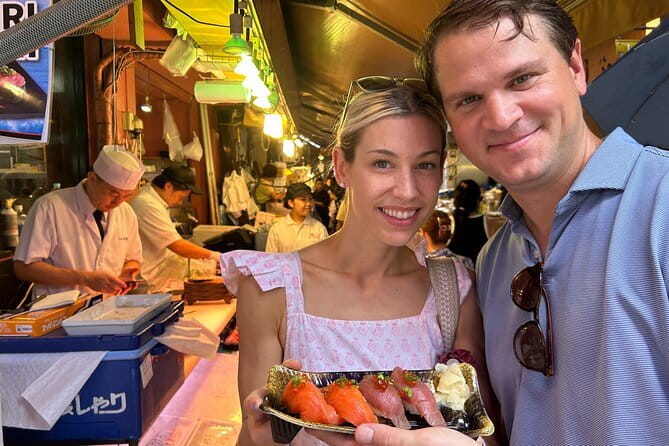
- Small group (max 15) so you don’t get steamrolled in tight lanes
- Photos included: the guide takes pictures during the walk and sends them afterward
- Food culture + etiquette focus, including how to eat sushi the right way
- Several major stops in a tight area, starting at Tsukiji Hongan-ji Temple and ending back there
- Market layout help, including time in Tsukiji Jogai Market with 400+ shops
- WhatsApp used for contact on the day, so install it before you arrive
Tsukiji Starts at One Temple: Easy Meeting, Clear Route
You’ll meet at Tsukiji Hongan-ji Temple (3-chōme-15-1 Tsukiji, Chuo City) right in the Tsukiji area, and the tour ends back at the same meeting spot. That matters more than it sounds: in Tokyo, being “close” isn’t the same as being “easy,” and Tsukiji can be tricky to navigate without a plan.
This is also a good-sized time block—about 2 to 3 hours—so it fits cleanly into a day that already includes other neighborhoods. You’ll move through multiple stops, with the guide leading the way so you’re not stuck figuring out what’s open, what’s worth your attention, and where to stand.
The tour uses a mobile ticket, which is convenient if you hate paper receipts. Just make sure your phone battery is happy, because you’ll be walking.
You can also read our reviews of more walking tours in Tokyo


Tsukiji Hongan-ji Temple: A Calm Reset Before the Market
The tour begins with Tsukiji Hongan-ji Temple, where admission is free and the stop is about 15 minutes. A temple start is a smart choice here. Instead of walking straight into the noise, you get a quick cultural anchor—this area isn’t only commerce; it’s also a living part of Tokyo’s community fabric.
Even if you’re not the type to linger at religious sites, you’ll probably appreciate the timing. It’s a chance to get oriented, settle your pace, and listen as your guide sets up the stories behind what you’re about to see in the surrounding market area.
Tsukiji Jogai Market: 400+ Shops and the Art of Looking Without Rushing
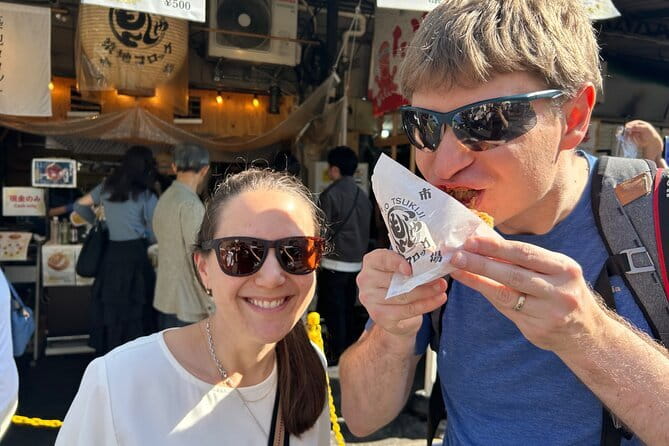
Next is Tsukiji Jogai Market, where you’ll spend about 1 hour 30 minutes. Admission here is also free, and the big headline is simple: over 400 shops.
That’s the real value of having a guide. With that many stalls, you can accidentally spend your time wandering the wrong side streets, missing food windows, or lining up in places that don’t make sense for your tastes. A guide helps you focus on what’s relevant and what’s currently worth your attention.
Jogai is great for learning how Japanese shopping lanes feel in real life: lots of small storefronts, quick decisions, and people who seem to know exactly where they’re going. Your guide’s etiquette and culture explanations come into play here, because how you behave—how you order, how you ask, how you wait—can make the difference between a smooth experience and a frustrating one.
If your goal is “I want Tokyo street-food energy but I don’t want to guess,” this is one of the best parts of the tour.
Through the Market: Fish Market Pass-By Views and a Mini Wholesale Moment
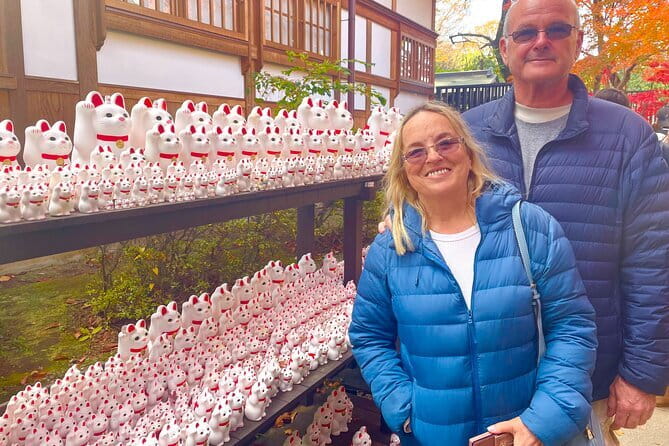
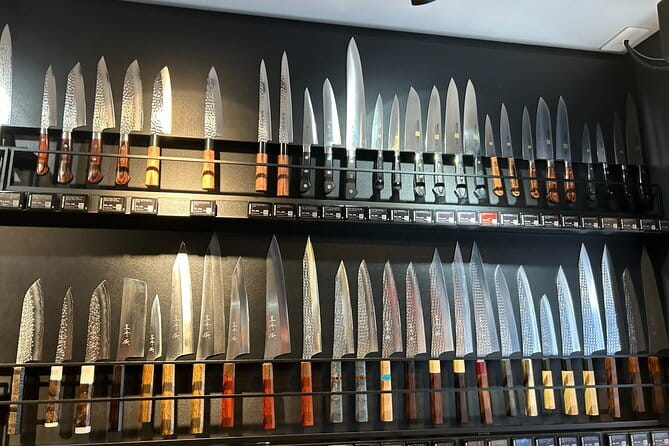
You’ll then move to the Tsukiji Fish Market area, including a chance to pass by a mini wholesale market. The time block is about 30 minutes, and the focus is on seeing a lot of different fish types—your guide points things out so it’s not just piles of seafood you half-recognize.
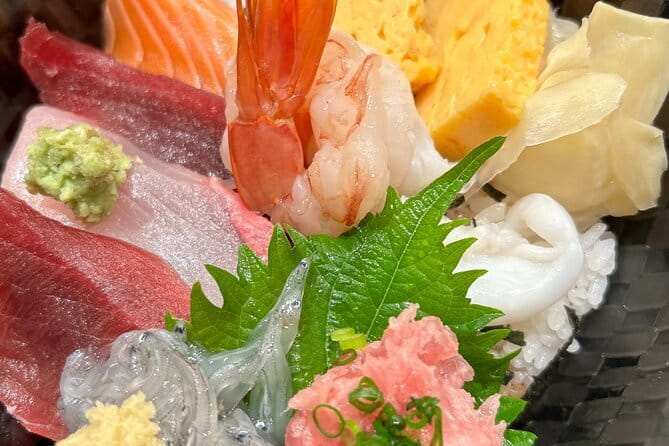
This is also where expectations matter. The experience is marketed as a food tour, and the overview mentions the chance to try treats like sushi or Japanese oysters. But the included list says food is not included. In practice, you might get tastings during the walk, but you should still budget for the possibility that not every traveler’s day includes paid food in the same way.
What you can count on is the instruction side: your guide explains food culture and etiquette while you’re looking. That turns the sights into something you understand, not just something you photograph.
Also, the market environment can shift. One experience in the set included a holiday-related closure and a quick pivot by the guide to still make the visit feel satisfying. Translation: be ready to adapt, and lean on the guide to keep your time productive.
Namiyoke Inari Shrine: Disaster-Warding, Wave-Weathering Stories
The last cultural stop is Namiyoke Inari Shrine, about 15 minutes. This shrine honors Namiyoke Inari, the deity that wards off disasters and weathers the waves.
This is the kind of stop that might look small on the outside, but it adds meaning. Tsukiji is tied to the sea—trade, weather, shipping, and risk. Hearing the shrine story after you’ve spent time around market seafood helps the symbolism click. It’s a reminder that fish markets don’t exist in a vacuum; they’re connected to belief, safety, and daily life.
If you like travel details that make a place feel grounded, this is a nice final note that keeps the tour from being only consumption.
You can also read our reviews of more food & drink experiences in Tokyo




What $80 Really Covers: Photos, Etiquette, and the Food Question
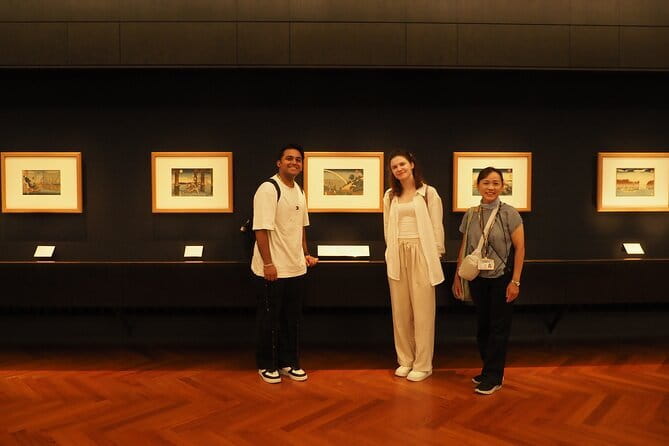
At $80 per person, you’re paying for more than walking. You’re paying for (1) a guide, (2) structured time in specific Tsukiji areas, (3) cultural and etiquette explanations, and (4) photos taken during the tour that you receive after.
That photo perk is genuinely useful. Tsukiji can be crowded and fast-moving, and it’s easy to take selfies that don’t show what you were actually seeing. Having someone else document your route makes it easier to remember what mattered.
The etiquette and learning angle is a major part of the value. One guide named Sakura San stood out for sharing sushi-eating and dining customs, including practical tips on how to handle food respectfully. Even if your personal palate isn’t adventurous, that kind of guidance helps you enjoy whatever you choose to eat later in Tokyo with more confidence.
Now, here’s the important part: food inclusion is mixed in the provided information. The highlights mention tastings included, but the “Not Included” list explicitly says food is not included. The overview also says you’ll have a chance to try treats like sushi or Japanese oysters. So instead of assuming you’ll get a full meal worth of food included, plan like this:
- Treat tastings as possible, not guaranteed
- If you’re hungry, decide in advance whether you’ll top up with your own purchases
- Ask your guide what’s realistic on the day you book, especially if there are closures
If you approach it this way, the tour feels like a smart orientation plus cultural education—with food as a bonus rather than the whole deal.
The 15-Stop Walk Advantage: Why a Guided Circuit Beats DIY
The tour is built around 15 stops, and that’s why it can be better than a DIY stroll. Tsukiji’s layout encourages “random wandering,” but random wandering can cost you time. You might see a bit of everything and remember nothing clearly.
With a guide, the stops give the experience structure:
- a temple start to set the tone
- a long segment through Jogai Market where you can actually browse
- a fish-market viewing window that’s focused and explained
- a shrine ending that puts the whole area into context
That’s the practical travel difference. You still get local street energy, but you’re not spending your best Tokyo hours guessing what to prioritize.
Small Group Size: What You Get With a Cap of 15
A maximum of 15 travelers sounds like a number until you’re in the tight aisles. In markets, crowding isn’t just annoying; it blocks your line of sight and makes it harder for you to hear instructions.
A smaller group also helps with questions. When your guide is explaining etiquette or where to look, you want to be close enough to follow along. Here, you’re likely to get that.
One detail that hints at how the tour runs in real life: there’s a note that communication uses WhatsApp, which usually means the guide can manage timing and meet points smoothly. That’s helpful when walking routes shift due to weather or access.
Tips to Make Your Walk More Comfortable (and Less Stressful)
Tsukiji is a walking tour, and Japan market weather can be sharp. Even though exact weather details aren’t part of the core package, cold and discomfort came up in one experience. So bring layers and plan for real outdoor walking.
Also:
- Wear shoes you trust on uneven ground and inside crowded market lanes
- Keep your phone charged for the mobile ticket and any WhatsApp messages
- If you care about tasting, decide how much you want to spend so you don’t feel surprised mid-tour
Finally, be mentally ready for “see first, choose later.” A guide can show you what makes sense, but market food sometimes depends on availability and access on the day.
Who This Tour Is Best For
This Tsukiji Fish Market Food Tour is a good fit if you want:
- a guided walk that helps you understand what you’re seeing
- food etiquette coaching so you feel comfortable ordering
- a structured introduction to Tsukiji without spending hours researching
It’s also a solid choice for first-timers to Tokyo who don’t want a complicated logistics day. The meeting point is clear, and the tour is capped at 15 people.
If you’re the type who wants a guaranteed full meal of included tastings, this is the one thing to double-check before booking. Because the provided info says food is not included, you may want to eat beforehand or plan a meal afterward.
Should You Book This Tsukiji Fish Market Food Tour?
If you want Tsukiji with a guide—temple, markets, shrine, and food-culture context—this is an easy yes. The small group size, the photo perk, and the focus on etiquette and how to enjoy what you eat are strong reasons to book.
I’d hesitate only if your main goal is a lot of included food for one fixed price. Because the details here are mixed, the safest approach is to treat the tour as a guided cultural and market orientation with possible tastings, and then add your own food choices based on what’s available that day.
FAQ
How long is the Tsukiji Fish Market food tour?
It runs about 2 to 3 hours.
What’s the group size?
The experience has a maximum of 15 travelers.
Where do I meet the guide?
You meet in front of Tsukiji Hongan-ji Temple, at 3-chōme-15-1 Tsukiji, Chuo City, Tokyo 104-8435, Japan.
Does the tour include food?
Food isn’t listed under what’s included, but the tour description highlights a chance to try foodie treats. For the most accurate expectations, plan your budget and confirm what tastings are available on the day.
Will I get photos from the tour?
Yes. Photos taken during the tour are sent to you after the experience.
How do I contact the guide on the day of the tour?
For communications on the day, you’re asked to download WhatsApp since it’s used for contact.