REVIEW · TOKYO
Tokyo Drift: Daikoku PA Supreme Car Experience 大黒PA
Book on GetYourGuide →Operated by DaikokuDash · Bookable on GetYourGuide
Tokyo car culture hits different at Daikoku PA. This small-group night trip gets you close to the cars, the owners, and the noise, without the stress of driving your own car. I love the way the shuttle keeps everything simple from Shibuya, and I also love that you’re given real walk-around time instead of doing a quick drive-by. The one drawback to plan around is that the van ride can feel a bit tight for some people.
What really makes this work is the mix of car-meet energy and guided help. You’re with a live guide in English/Chinese/Japanese (up to 6 people), and guides often take group photos with a good camera, then share them with you afterward. I also like that Daikoku is treated as a hangout: you can talk to owners, point your camera, and actually enjoy the vibe.
The main consideration is practical: you’re dressing for an evening outside, and you might get cold/windy depending on the season. Also, while this is not a drift event or a ride in a JDM car, you should expect a real public meeting atmosphere—meaning police sometimes shut things down early and the schedule can shift.
In This Review
- Key highlights that matter for your night out
- Daikoku PA at night: why this meet feels more electric
- Price and logistics: the shuttle is the real value
- Your 3-hour plan from Shibuya: how the timing works
- Yokohama stop: where you get bearings before the car chaos
- Daikoku PA car meet: the part you came for
- When police shut it down early
- Guides in English/Chinese/Japanese: why it feels friendly
- Transport comfort: the van experience you should expect
- What to bring so you can focus on cars
- Who this tour is for (and who might skip it)
- Should you book Tokyo Drift: DaikokuDash?
- FAQ
- Is this a drift event?
- Will I ride in a JDM car?
- How long is the experience?
- What time do pickups happen?
- How many people are in the group?
- What’s included?
- Are meals included?
- What languages are available for the live guide?
- What should I bring?
- Is there same-day booking and cancellation?
Key highlights that matter for your night out
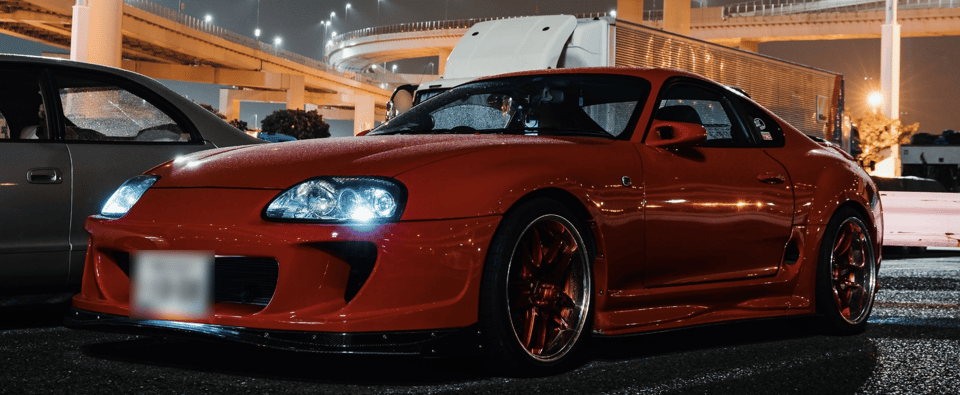
- Two-part experience: you get a warm-up stop near Yokohama (photo stop + sightseeing time) and then your main Daikoku car meet window
- Small group, live guide: max 6 participants with an English/Chinese/Japanese guide so you’re not lost in translation
- Time to actually look: one of the biggest reasons this feels better than faster tours is the extra hangout time at Daikoku
- Pro photos on request: you can ask for professional photos/videos, and guides often take photos for the group using their own camera
- Convenient pick-up and drop-off: from Shibuya you don’t have to rent a car or gamble on taxis late at night
- Same-day flexibility: booking can be available same-day, which helps if your Tokyo plans change fast
Daikoku PA at night: why this meet feels more electric
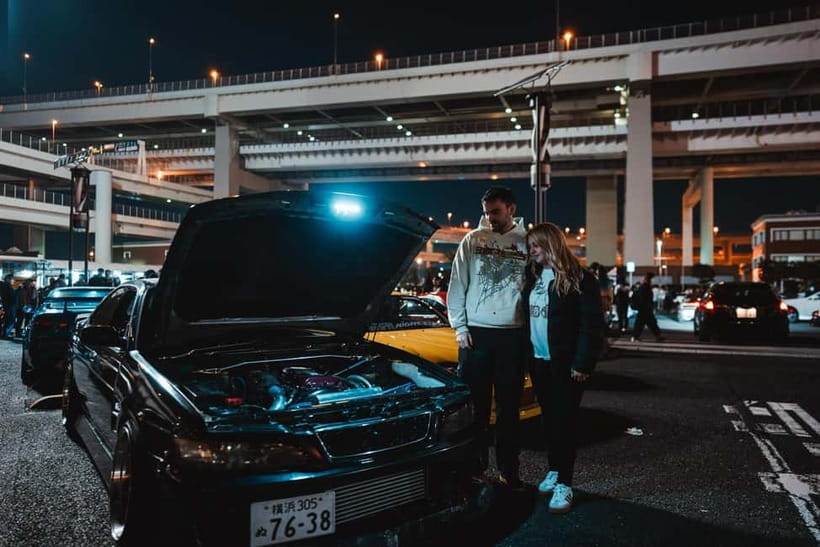
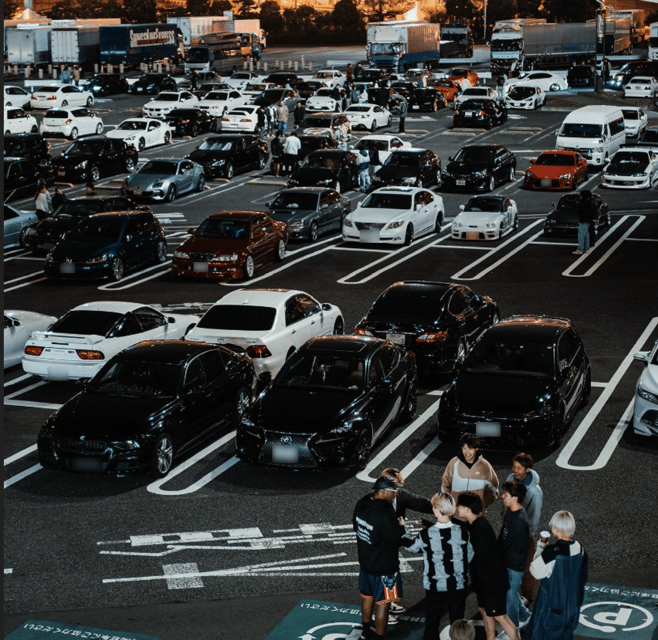
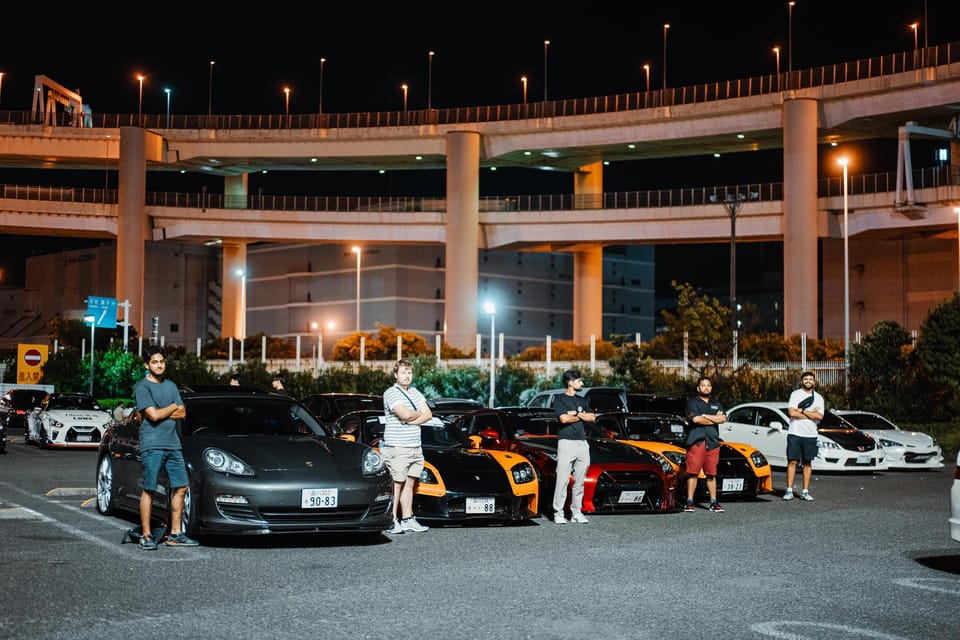
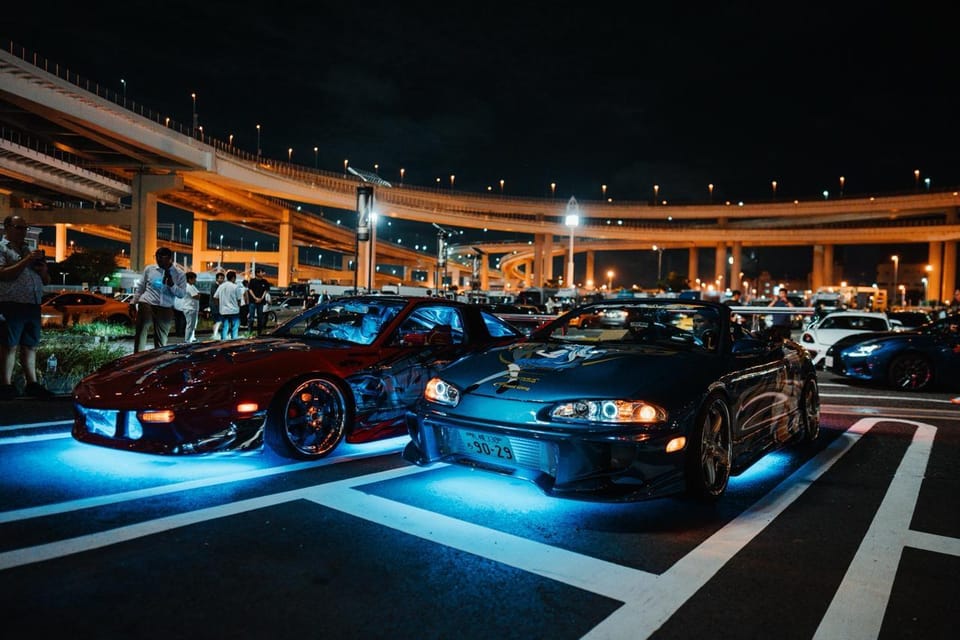
Daikoku PA is one of those places that looks unreal on video—and then somehow looks even more real in person. The cars come in waves, people gather in tight clusters, and the whole place feels like a live show where you’re standing in the audience. If you’re into JDM culture, custom builds, and the social side of car life, this is the kind of experience that doesn’t feel like a museum visit.
What I like most is the structure. You’re not on your own trying to find parking, line up with strangers, or translate what’s happening around you. Instead, you get guided context plus time to wander and talk, which is exactly how you get the best photos and the best stories.
And yes, it’s loud. Plan for noise and crowds, and you’ll enjoy it more. The tour even makes clear it’s not a drift event and you’re not riding in a JDM car—so you can show up expecting a car meet, not a staged stunt.
You can also read our reviews of more tours and experiences in Tokyo.



Price and logistics: the shuttle is the real value
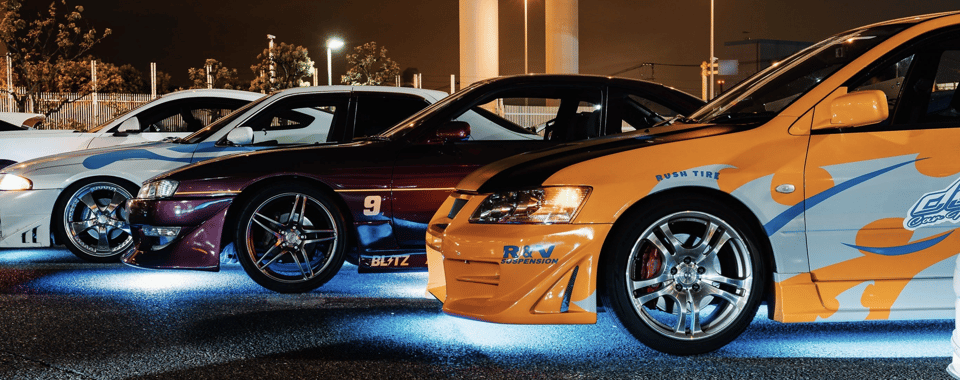
At about $58 per person for a roughly 3-hour outing, the value here is less about the “activity” cost and more about what it saves you. If you’ve tried to get around Tokyo at night, you already know the pain: taxis get expensive fast, and renting a car adds time, paperwork, and stress.
This tour solves the hardest part: getting to the meeting without you doing the navigation math. You start in Shibuya (2-chōme-24-12 Shibuya is listed as the starting point), then you ride in a van built for comfortable group travel. Return transportation is included, so you’re not stuck figuring out how to get back after the meet winds down.
Small-group size matters too. With a limit of 6 participants, you’re more likely to get help from the guide when you want it—like pointing out where to stand for photos or helping you ask a question to a car owner. Big tours can feel like herding; this one feels more like a shared night out.
Your 3-hour plan from Shibuya: how the timing works
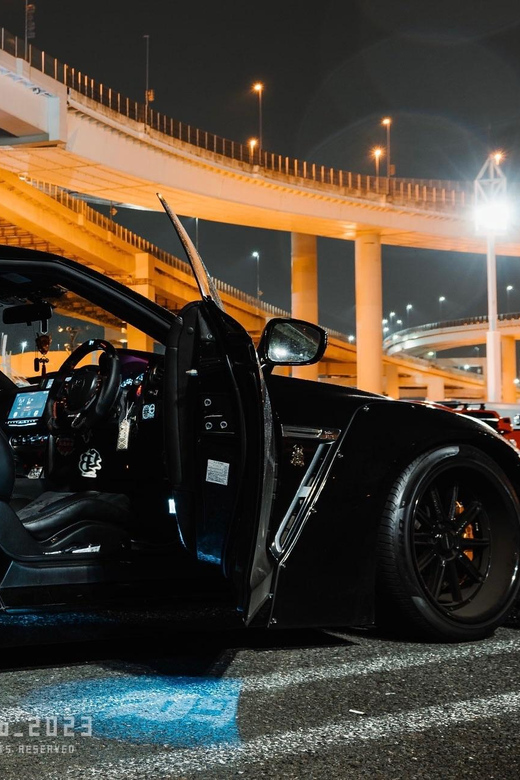
This is an evening-focused trip, and the time blocks are tight on purpose. You’ll be picked up on specific evenings—8pm JST for Monday to Thursday, and 6pm JST for Friday through Sunday—then you’re back in Shibuya at the end of the tour.
Here’s the flow the day you go:
1) Meet in Shibuya
You’ll be given the exact meeting point details after booking. If the meeting area seems difficult, you can message the team for alternative options.
2) Van ride toward Yokohama (about 40 minutes)
During this ride, the guide sets the tone: what you’ll see, what to look for, and how to enjoy the stops without feeling rushed. Several guides are friendly and talkative in the group, so you’re not just sitting in silence.
3) Yokohama photo stop + sightseeing time (about 2 hours)
This is a slower, more relaxed chunk. You get photo time, a guided portion, and then free time to walk and enjoy the scenery. It’s a great buffer before Daikoku so you don’t feel like you went from dinner to sprinting.
Some departures also include a car-themed shopping stop like Autobacs Shinonome or A-Pit, based on the route run. If shopping is your thing, you’ll likely appreciate having that extra chance to browse and grab souvenirs.
4) Head back toward Shibuya (about 40 minutes)
The total tour is designed to fit the main car-meet window. Daikoku time can vary based on how the night goes (police presence can affect the hours), but you should expect a meaningful block to walk around and interact.
Yokohama stop: where you get bearings before the car chaos
The Yokohama portion is a smart piece of the puzzle. Even if you’re laser-focused on Daikoku, arriving without a warm-up can make the whole night feel like one long scramble. This stop helps you get your bearings and settle in.
You get:
- A photo stop and guided context
- Free time to walk around and take in the area
- Time to snack and regroup if you brought food and drinks
Bring a jacket if the weather is cool. One helpful detail from the experience notes: the area can feel windy and chilly near the water, especially in shoulder seasons. Comfortable shoes matter here too, because you’ll want to move around freely.
Daikoku PA car meet: the part you came for
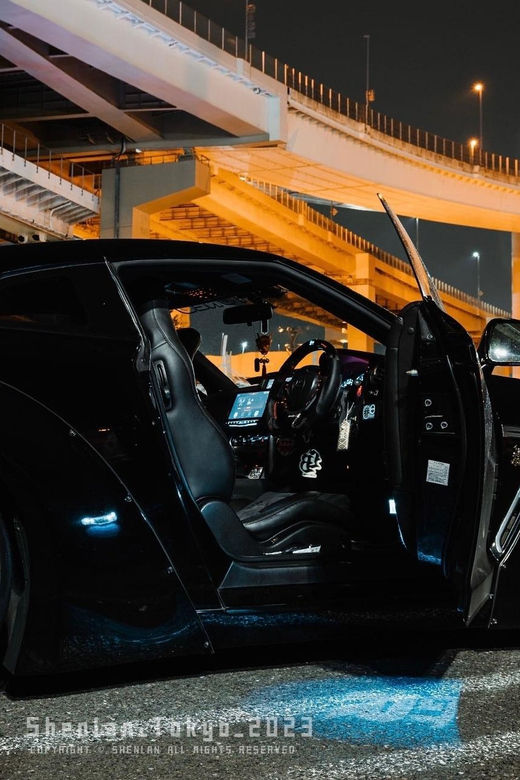
Daikoku is all about the cars—and also the people behind them. You’ll have access to the Daikoku car meet with time to walk, look, and interact with local car owners. If you want to talk, the tour includes Japanese translation support if needed, which makes a huge difference when you’re staring at something highly specific and you actually want to ask about it.
What makes this feel high-quality is not just access. It’s the way the guides help you work the scene.
- Guides can point out good spots for photos so you’re not standing in the wrong place
- Guides often take professional photos and/or videos upon request
- Guides also tend to take group shots with a high-quality camera and share them afterward
One of the most praised parts is the length of Daikoku time. People note that some tours feel too brief, but this one tends to give enough time to see a lot of cars and watch things come and go. And yes—watching cars leave can be part of the fun.




When police shut it down early
Car meets can get cut short. The good news is the tour is planned with flexibility: if Daikoku Parking Area is temporarily closed due to police activity or other unforeseen circumstances, they’ll provide alternative options. In practice, that means you’re not left stranded with nothing to do. You may also get moved to another car-related location for extra viewing time.
Guides in English/Chinese/Japanese: why it feels friendly
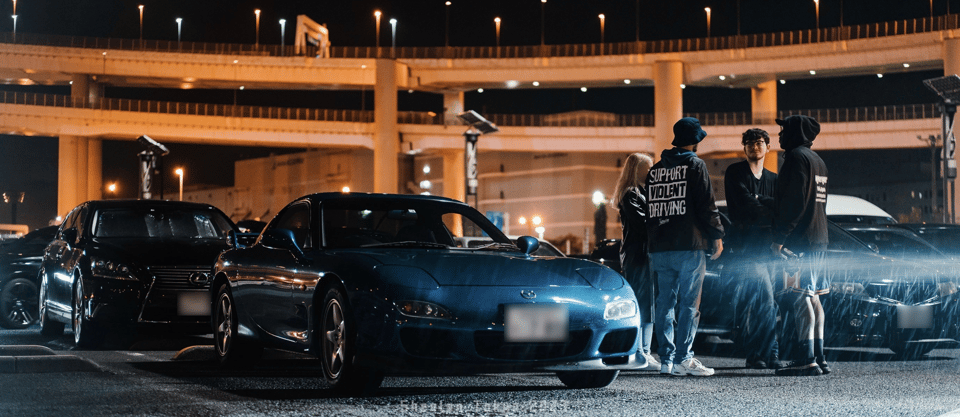
A big part of enjoying Daikoku is feeling confident enough to ask questions. You don’t need to be fluent in Japanese—because the guides are there—but having a guide also changes the vibe. Instead of feeling like you’re watching from outside, you’re more like you’re joining a shared interest group.
Names that show up in the experience are Justin and Huang (and team support like Tihut is mentioned as helpful with communication). Guides are described as friendly, chill, and open to questions about cars and what you’re seeing around Tokyo.
Language options are also practical: English, Chinese, and Japanese are available. That means you can get clarification fast—what to look for, where to go next, and how to talk to owners if you want to.
Transport comfort: the van experience you should expect
You’re in a small group, and transport is described as comfortable. Many rides are done in Toyota Alphard or similar vehicles, and the tour includes round-trip transportation; limousine-style transport may be available upon request.
Still, be realistic. One note says seating can feel a bit tight, especially for larger travelers. If you’re tall or broad-shouldered, dress for comfort and keep expectations flexible. You’ll be on the move, not lounging for hours.
What to bring so you can focus on cars
Bring the basics and you’ll enjoy yourself more:
- Comfortable shoes (you’ll be walking around and standing for photos)
- Camera (or a phone with enough storage)
- Food and drinks (meals aren’t included)
- Comfortable clothes, plus a light layer for wind/cold near the water
If you care about photos, consider asking about the professional photo/video option in advance or early in the meet window. Guides can also take group shots for you, and many people value getting those images later.
Who this tour is for (and who might skip it)
This fits best if you want the real Daikoku vibe but you don’t want to deal with Tokyo logistics. I’d call it ideal for:
- JDM and car-meet fans who want to see the scene up close
- People who are nervous about driving in Japan and want a low-stress plan
- Anyone traveling solo or with kids who still wants something exciting and not too complicated
It’s less ideal if you expect:
- A drift event (it’s not one)
- A ride in a JDM car (also not part of this experience)
- A slow sightseeing tour with long museum-style stops
Should you book Tokyo Drift: DaikokuDash?
If your priority is Daikoku and you want an easy, structured way to get there, I think this is a strong choice. The combination of small group, English/Chinese/Japanese guide help, real time at the meet, and the photo perks is what makes it feel worth it.
I’d book it if you:
- Want a night activity that feels different from typical Tokyo sights
- Don’t want to rent a car for one specific destination
- Like the idea of chatting, walking, and taking photos rather than just passing by
I’d pause if:
- You hate cold/wind at night and don’t pack layers
- You’re expecting staged drifting or a guaranteed long uninterrupted meet (police closures can happen)
FAQ
Is this a drift event?
No. The tour is not a drift event, and you should not expect drifting or stunt driving.
Will I ride in a JDM car?
No. This is not a ride in a JDM car.
How long is the experience?
The tour duration is listed as 3 hours.
What time do pickups happen?
Pick-up time is listed as 8pm JST (Mon–Thu) and 6pm JST (Fri–Sun).
How many people are in the group?
The group is limited to 6 participants.
What’s included?
You get round-trip transportation, access to the Daikoku car meet with free time to walk and interact, plus professional photos and/or videos upon request.
Are meals included?
No, meals are not included.
What languages are available for the live guide?
The live guide is available in English, Chinese, and Japanese.
What should I bring?
Bring comfortable shoes, a camera, food and drinks, and comfortable clothes.
Is there same-day booking and cancellation?
Same-day bookings are available. There is also free cancellation up to 24 hours in advance for a full refund.