REVIEW · TOKYO
Complete Tuna Auction & Toyosu Fish Market Tour
Book on Viator →Operated by Fumi · Bookable on Viator
There’s a tuna auction in Tokyo, and it moves fast. This tour is built for the early start and the real point: watching the auction start to finish from the closest possible view, then making sense of it through a guide-led market walk with Fumi calling out what matters. One thing to factor in is the schedule: you’re up early, and while the guide sets you up with sushi, the meal cost isn’t included.
I like that you’re not just dropped inside a maze. You get a reserved-seat sushi stop at a top market restaurant, plus time to walk through intermediate wholesale areas and specialty shops for Japanese food ingredients. My only caution: if you need very clear audio, one guest note flagged that the guide’s accent could be hard to catch at times.
In This Review
- Key Things That Make This Tour Work So Well
- Why the Toyosu Tuna Auction Feels Different With a Real Plan
- 4:30 A.M. Pickup, Taxi Reality, and What You’re Really Paying For
- The Auction Floor to the Deck: Watching Tuna From the Best Possible Spots
- After 6:30: The Toyosu Market Walk That Connects Food to Supply Chain
- Ichiba Sushi Seating: Why the Meal Stop Is a Smart Second Act
- Souvenirs, Specialty Shops, and What to Buy Without Regret
- Who Should Book This Tour for the Best Fit
- Should You Book This Complete Tuna Auction & Toyosu Fish Market Tour?
- FAQ
- What time does this tour start?
- Does the tour include hotel pickup?
- Is the sushi meal included in the tour price?
- Can I get closer access to the auction action?
- How long is the tour?
- What happens if the weather is bad?
Key Things That Make This Tour Work So Well
- Reserved seating for market sushi (meal not included), so you’re not hunting around at dawn.
- Deck lottery guidance, with a chance to get closer to the action from the observation deck.
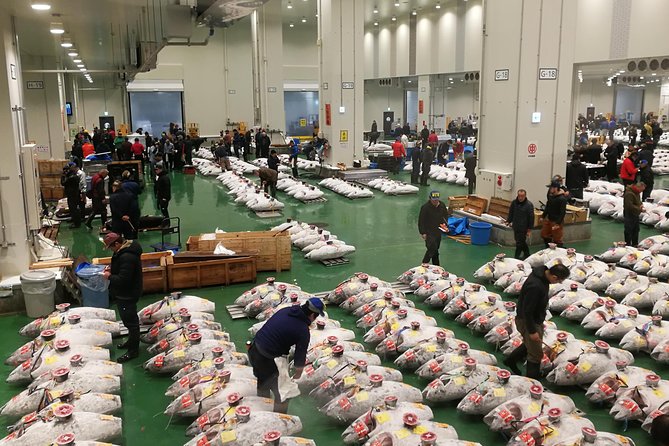
- A full auction timeline, from early processes through the bluefin finale window.
- Wholesale-area walking, not just the public-facing shopping streets.
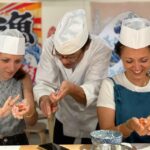
- Practical handouts and visual explanations, including sushi eating basics and auction context.
- Small group size, capped at 13 for this tour format.
Why the Toyosu Tuna Auction Feels Different With a Real Plan
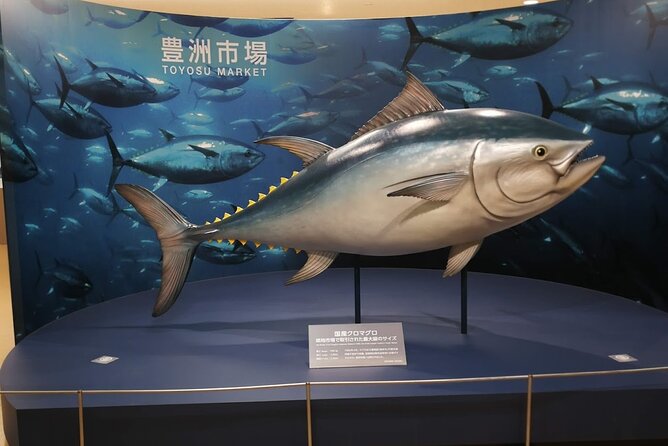
Toyosu is famous for a reason: it’s where large-scale seafood gets sorted quickly, judged carefully, and sent out into the food system. The auction is not slow sightseeing. It’s close, loud, and fast. If you go in without a plan, you can miss what’s actually happening—or end up watching from a spot that’s too far away to be worth the early alarm.
This tour’s value is that it treats the auction like the main event. You’re set up to watch the complete sequence rather than catching only a slice. You also get explanations while you’re there, which matters because the action itself is only half the story. The rest is how the process works and why certain steps happen the way they do.
I also like the tone of the experience: the guide doesn’t just list facts. From the way the tour is described, you’re handed tools—like comic-strip style materials and visuals—so you can translate what you see into something that sticks.
You can also read our reviews of more shopping tours in Tokyo
4:30 A.M. Pickup, Taxi Reality, and What You’re Really Paying For
The tour starts around 4:30am. Meeting time is at Toyosu-Shijō area (near the Toyosu market district), but pickup is offered at your hotel. That’s a big help in Tokyo, where train options can be awkward at that hour, and where getting lost at 4:45am isn’t cute.
Here’s the practical part: the tour listing says pickup is included, but the information also states that your transportation from your hotel to the market isn’t included. In plain terms, expect a taxi arrangement and a reimbursement-style payment in some cases, based on how your guide coordinates your ride. You’ll want to budget for that extra transport even if you don’t pay it directly as part of the tour price.
Now, about the price: $125.19 per person for roughly 4 to 5 hours. You’re paying for three things that are hard to DIY:
- A guide who can secure your spot where you need to be (especially at auction time).
- Time efficiency during the most constrained window of the day.
- Reserved sushi seating after the auction (meal cost separate).
Admission tickets for key parts are listed as free, and you also get souvenirs from specialty shops. So the money is mostly going to access, timing, and the guide’s market navigation—not to entry fees. If you want to do only the auction, going it alone can be chaotic. If you want the auction plus understanding and a solid food stop, this price starts to make more sense.
What to bring is basic but important:
- Something warm for early morning (the market area can feel colder before sunrise).
- Comfortable shoes for lots of walking in a working market environment.
- Curiosity. The guide talks a lot, and the handouts help you keep up.
The Auction Floor to the Deck: Watching Tuna From the Best Possible Spots
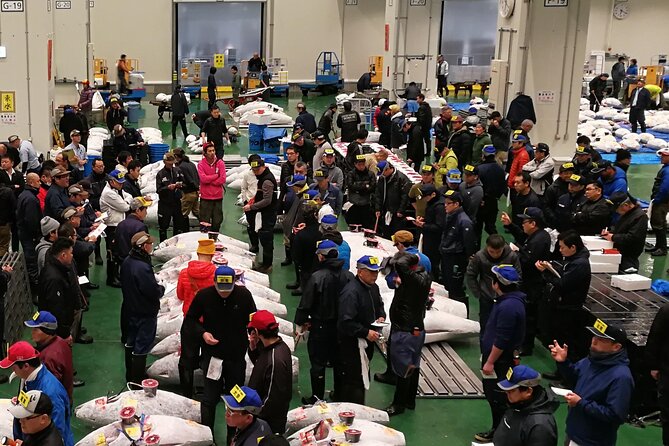
The tuna auction window runs 5:00–6:30. The standout here is that you’re positioned for the real action—from early stages through the inspection flow, all the way into the later bluefin segment mentioned in the tour description.
There’s also the deck lottery angle. The tour includes a deck lottery application with the guide available. That’s huge because the observation deck is the kind of place you can’t easily plan on your own without knowing the timing and rules. If you apply through the guide and win, you get a much closer view than the general audience areas.
A key detail: even if you don’t win the guided deck lottery, the tour is still structured so you can watch from close, workable viewing spots. And the description notes that self-applicants who won are also welcome—meaning your plan doesn’t have to be locked only to the guide process.
How the auction experience “lands” depends on your expectation. This isn’t a calm museum moment. It’s intense, it’s quick, and it can feel like sensory overload. The best way to enjoy it is to let the guide narrate what you’re seeing, because auction terminology and the flow of fish sale steps are not intuitive if you’re just standing there.
One more practical note from real accounts: if you have hearing needs, you might want to ask the guide about speaking a bit slower when the group forms up. One person mentioned it was hard to understand at times, even with requests to slow down.
After 6:30: The Toyosu Market Walk That Connects Food to Supply Chain
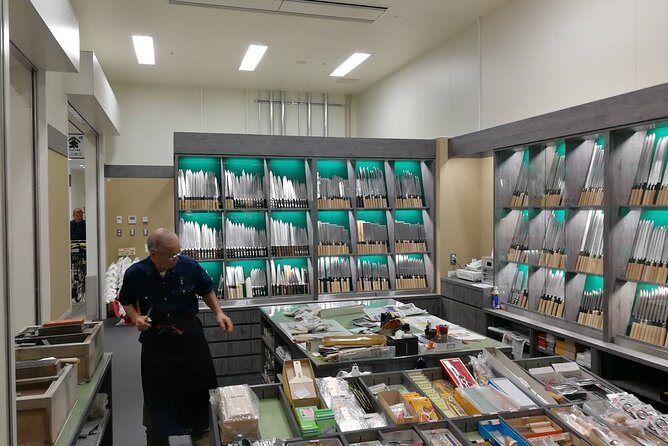
Once the auction window ends, you don’t just wander. You keep going. From 6:30–9:00, the guide leads you through the market, including what the description calls intermediate wholesale areas. That matters because Toyosu isn’t only “shops where tourists buy snacks.” It’s part of a larger seafood workflow—where wholesale dealers, specialty product sellers, and food professionals all interact.
This is the part I’d describe as the “why it matters” section. You’re learning about Japanese food culture and market structure, and you’re getting context that makes the auction feel like the first chapter rather than a random morning event.
From the guide style reflected in the provided details, you can also expect a wider food education than you might anticipate. Several accounts highlight explanations that go beyond tuna—history of Japanese food culture, how sashimi and sushi preparation connects to what you see at auction, and the role of ingredient types. One account even calls out a knife shop stop and mentions a lot of tuna-focused knife knowledge, which tells me the guide’s approach is both practical and detailed.
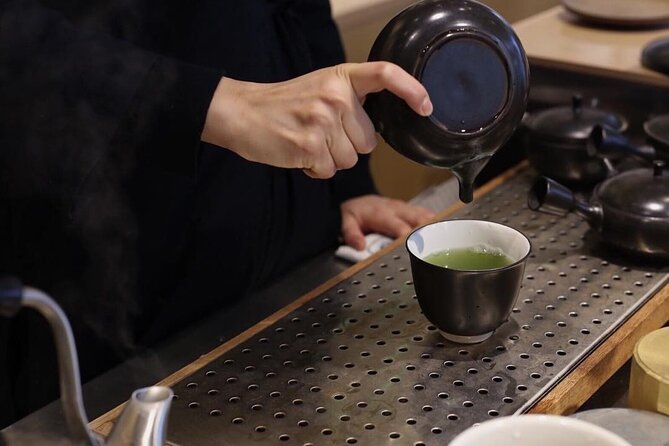
This walk is also where sampling and small shopping stops can happen. The tour description notes you’ll be able to sample and shop for authentic Japanese ingredients in specialty areas. You’ll likely leave with a better sense of what to look for when you’re back in regular grocery stores—especially if you plan to cook or to buy specialty condiments, seaweed, pickles, or tea-related items.
Two cautions for this section:
- Wear shoes you trust. Floors and crowd flow inside markets are not designed for stiff fashion choices.
- Pace yourself. It’s an early morning. Even if you’re excited, the market walk can feel long by the time you’re fully awake.
Ichiba Sushi Seating: Why the Meal Stop Is a Smart Second Act
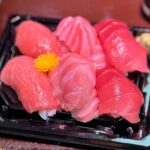
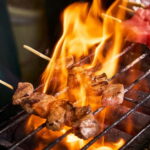
After the auction, you’ll head for sushi. The tour includes reserved seating at Ichiba sushi, one of the best market restaurants mentioned. This is a big deal because restaurant lines at market hours can be unpredictable, and you don’t want to be making decisions while everyone around you is moving on schedule.
Important: the meal cost isn’t included. The guide can help you get in and set up the reservation (based on how the tour is described and how accounts mention breakfast reservations), but you’ll still pay for what you order.
What makes this part worth it is the pairing. You’ve just watched how seafood is chosen and sold. Then you eat sushi that draws from that ecosystem. Even if you’re a casual seafood fan, you’ll likely notice the difference between just having sushi and understanding how the supply chain connects to your plate.
If you’re budgeting, treat the sushi meal as part of your morning plan. It’s not optional in spirit even if it’s optional in cost. Most people who book this tour do so because they care about tuna and seafood quality, and the meal is the “taste test” after the “watch and learn” portion.
You can also read our reviews of more tours and experiences in Tokyo
Souvenirs, Specialty Shops, and What to Buy Without Regret
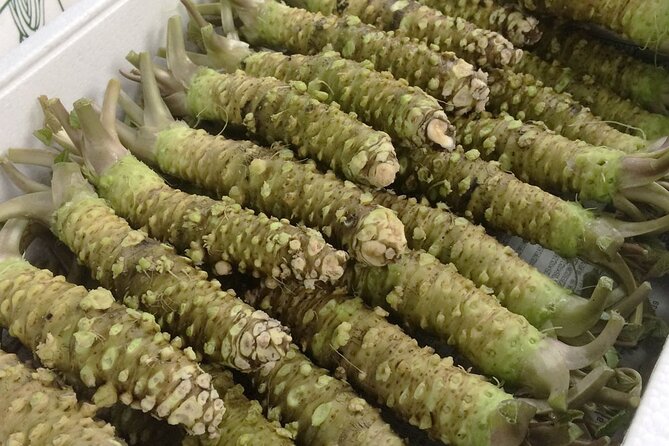
The tour includes souvenirs from specialty shops. That doesn’t mean you’ll be forced to buy everything. It means you’ll have time in the right places where real food professionals and serious ingredient sellers shop.
Based on the tour description and how accounts mention specialty sampling, you might see product categories like:
- pickled vegetables and traditional sides
- nori and seaweed products
- matcha-related items
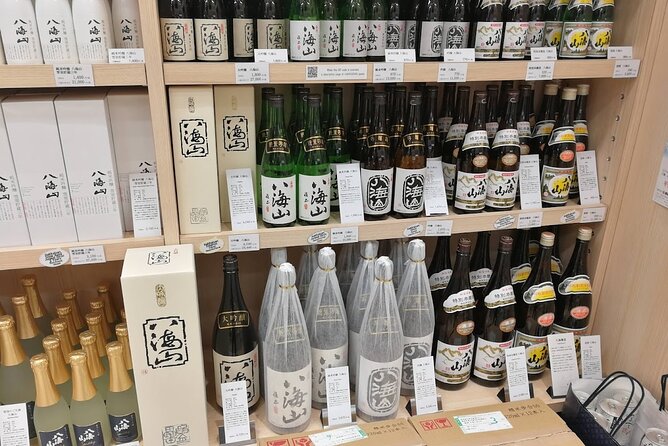
- sake or related food pairings
- knives and kitchen tools (if the day’s stops include the specialty areas mentioned)
My practical advice: don’t buy everything at once. Buy one or two “anchor items” you can use quickly at home. Then add a second round only if you can confirm you can store or eat it before it goes bad.
If you’re the type who likes gifts, market ingredients can be better than generic souvenirs. But check labels and packaging instructions, especially if you’re bringing items through customs or if you’ll fly soon after.
Who Should Book This Tour for the Best Fit
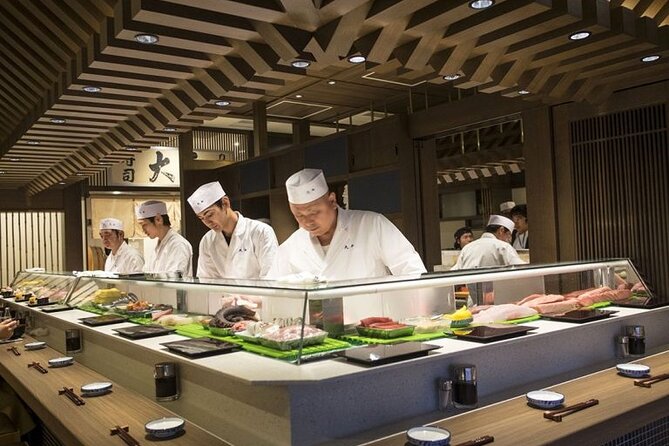
This tour is a strong match if you want:
- a structured auction viewing plan, not trial-and-error
- a guide who can explain what you’re seeing while it’s happening
- a food-focused market walk that includes wholesale areas
- a reliable sushi stop with reserved seating
It may feel like a lot if you want a relaxed morning. You’re up early, you’re around a working market, and the day has clear time blocks.
It also fits best when you’re okay with group dynamics. The tour format lists a maximum group size of 13, with a structure that can shift to private for groups of 4 or more. So if you’re traveling as a family or a small group, you can still get the benefits of guided navigation without feeling like you’re being herded with a huge crowd.
Should You Book This Complete Tuna Auction & Toyosu Fish Market Tour?
If you’re serious about seeing the Toyosu tuna auction and you want the morning to be more than just standing around, I’d book it. The best reason is the combination: close viewing plus a guided market walk plus reserved sushi seating at Ichiba sushi. That trio saves time and reduces the stress of trying to figure out logistics at dawn.
Book it especially if:
- you don’t speak Japanese and want someone to handle the “how do I do this” parts
- you care about understanding sashimi and sushi beyond taste
- you want help applying for the deck lottery to get closer to the action
Skip or reconsider if:
- you hate very early starts and don’t want to negotiate a meal you must still pay for
- you strongly rely on clear audio and communication, since one account raised a concern about accent clarity
FAQ
What time does this tour start?
The meeting time is around 4:30am, with the auction running from 5:00–6:30 and the market walk continuing until around 9:00.
Does the tour include hotel pickup?
Pickup is offered, and you provide your hotel in the special requests section. The tour also notes that your transportation cost from your hotel to the market is not included, so you may still handle taxi costs depending on how the pickup is arranged.
Is the sushi meal included in the tour price?
No. The tour includes reserved seating at a top market sushi restaurant, but the meal cost is not included.
Can I get closer access to the auction action?
There is a deck lottery option. The tour description says you can apply with the guide, and self-applicants who win are also welcome.
How long is the tour?
It runs about 4 to 5 hours, matching the schedule from the early meeting through the end near Shijō-mae Station around 9:00.
What happens if the weather is bad?
The experience requires good weather. If it’s canceled due to poor weather, you’ll be offered a different date or a full refund.