REVIEW · TOKYO
Tokyo Night Foodie Tour in Shinjuku – Seasonal Sushi, Wagyu Beef
Book on Viator →Operated by MagicalTrip Inc. · Bookable on Viator
Neon Shinjuku makes sushi feel like an event. On this 3-hour night walk, I love the seasonal sushi served at a local counter and the Wagyu grilled on a shichirin stove; a possible drawback is that allergy-free substitutions aren’t guaranteed.
With a group capped at 7, you get close time with your guide and quick answers while you roam Kabukicho and spot the Godzilla head on Godzilla Road. The flip side: this is mostly on foot, so comfy shoes and patience help.
In This Review
- Key things I’d plan for before you go
- Why Shinjuku at night works so well for food
- The 3-hour rhythm: how the night stays fun (not rushed)
- Stop 1 in Shinjuku: start at a local sushi haven
- Stop 2 near Omoide Yokocho: omakase-style choices and a short walk to eat
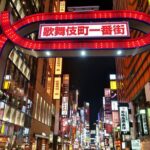
- Stop 3 in Kabukicho: neon streets, theaters, and the feel of night Tokyo
- Stop 4: Godzilla Road & the Head stop (quick, fun, and very Tokyo)
- Stop 5 in Nishishinjuku: dessert or a drink to end the night
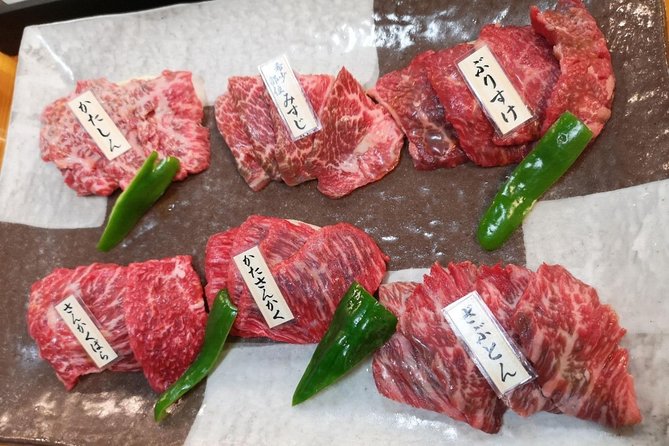
- Wagyu on shichirin stoves: why this meal feels different
- How much you’ll eat: enough to feel satisfied, not stuffed
- Your guide can make or break the experience
- Diet limits, allergies, and smoking: the stuff you need to know up front
- Weather in Tokyo: pack for extremes, not comfort fantasy
- Price and value: what you’re really paying for at $111.62
- Who should book this night foodie tour
- Should you book this Tokyo Night Foodie Tour?
- FAQ
- How long is the Tokyo Night Foodie Tour in Shinjuku?
- How much does the tour cost?
- Where do I meet, and where does the tour end?
- How many people are in the group?
- What food is included on the tour?
- Are vegetarian options available?
- Can the tour accommodate allergies or dietary restrictions?
- Is free cancellation available?
Key things I’d plan for before you go
- Max 7 people means more time for questions and food explanations
- Seasonal sushi + Wagyu with a stop set up for grilling on shichirin stoves
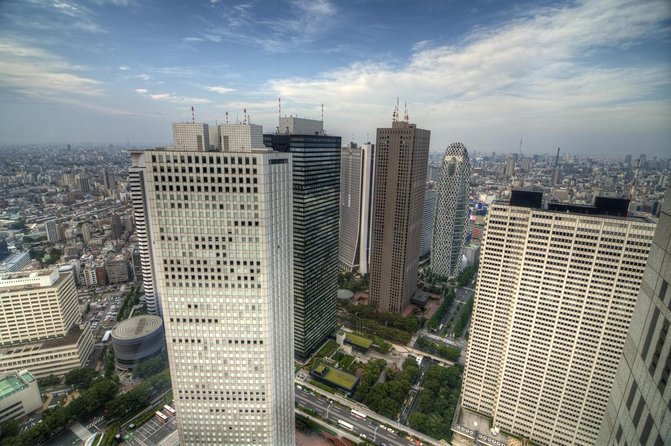
- Kabukicho nightlife walk with neon streets, restaurants, and theaters after dark
- Godzilla Road & the head are a short but fun photo stop
- Nishishinjuku finale is dessert or a drink at a bar-like eatery
- Weather and smoking notes are real factors, not fine print
Why Shinjuku at night works so well for food
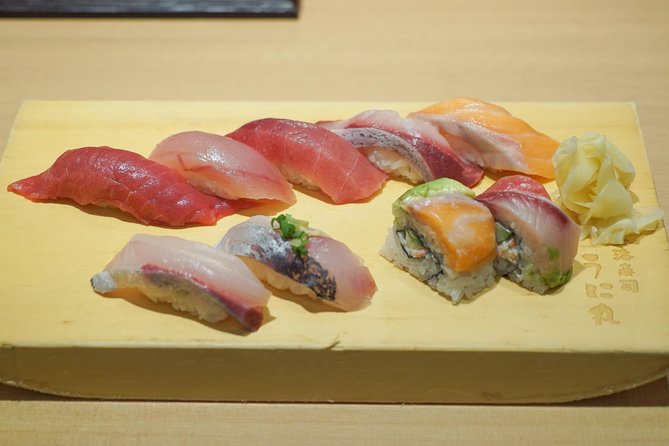
Shinjuku after dark is where Tokyo turns playful. You’re walking through entertainment areas, seeing neon glow up close, and eating foods that feel more special when the city is loud around you.
This tour stacks the best kind of Tokyo contrast: a quiet-style sushi start, a meat-focused Wagyu moment, then a walk that’s all lights and energy. If you like your evenings to feel like a plan, not a search, this fits.
You can also read our reviews of more tours and experiences in Tokyo

The 3-hour rhythm: how the night stays fun (not rushed)
Plan on about 3 hours total, with short transitions between stops. The structure is simple: sushi first, then more food and walking, then a sweet finish.
Your group size is up to 7, which matters in Shinjuku. Big crowds are part of the background here, but a small group keeps things from turning into a wandering line. You’ll also be using a mobile ticket, so you’re not dealing with paper when you’re moving fast.
One practical note: it ends back at the meeting point in Nishishinjuku. That’s helpful if you want to roll straight into your next plan after you eat.
Stop 1 in Shinjuku: start at a local sushi haven
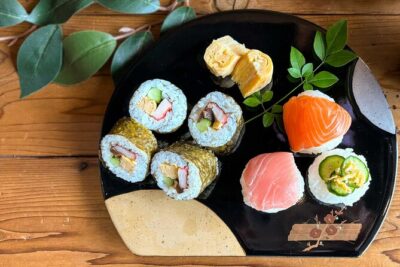
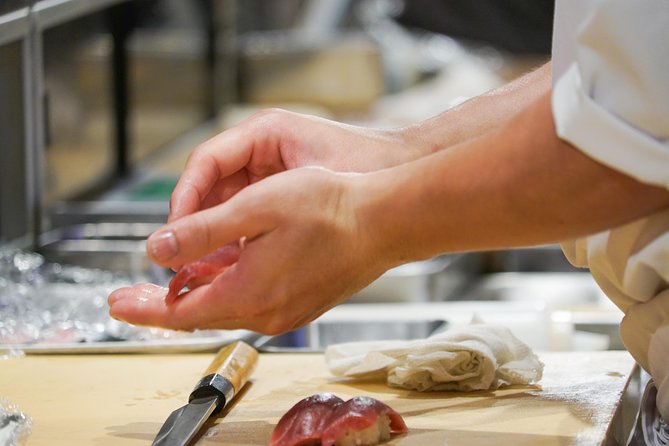
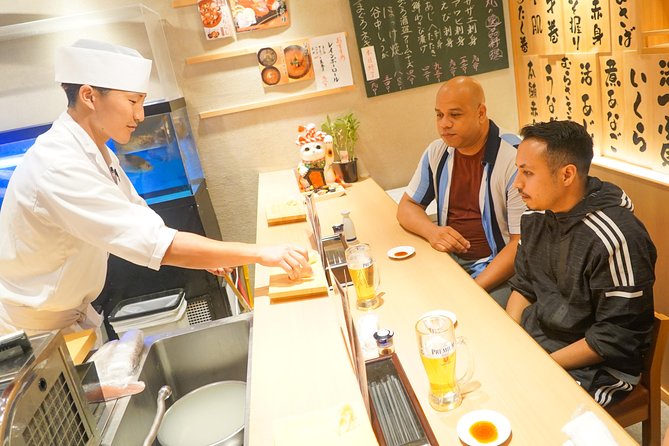
You meet your guide and begin at an authentic sushi spot in Shinjuku. The tour format is built around multiple bites, so you’re not stuck with one massive dish while you wait for the next stop.
This opening stop sets the tone: you get a real sense of what seasonal sushi tastes like, instead of a random roll lineup. It’s a good start time too, since it gives you a calm base before the nightlife part.
Watch for: if you want to ask lots of questions about how sushi is eaten, this is the moment to do it. Early on, you’re fresh, not hungry-strategizing.
Stop 2 near Omoide Yokocho: omakase-style choices and a short walk to eat
Omoide Yokocho is famous for its alley vibes, but your experience isn’t about standing around in little lanes the whole time. You’ll be near Omoide Yokocho as part of the route, then you move on to an omakase sushi restaurant where the chef’s choices lead.
If you choose the omakase style, you’re basically letting the chef steer. That’s valuable when you don’t speak the food language yet, because you’re tasting what the kitchen wants to put forward for that season.
Then comes another food shift: you’ll walk again to reach the Wagyu stop area later. Some people like this structure because it spreads the eating out instead of cramming everything into one place.
Consideration: the tour notes say allergy-free guarantees aren’t possible and substitutions may be limited. If you’re managing allergies, keep expectations clear and tell your guide early.
Stop 3 in Kabukicho: neon streets, theaters, and the feel of night Tokyo
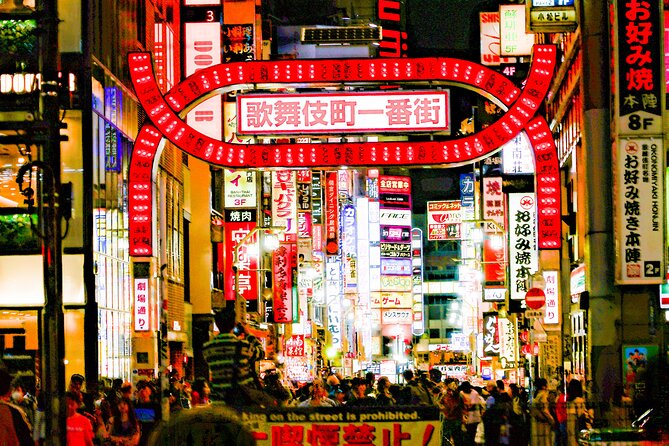
After the food portion, you shift gears into a Kabukicho walk. This district is known for neon streets, restaurants, theaters, and nightlife culture that kicks in after dark.
This isn’t a long lecture. It’s a chance to get your bearings fast while you’re moving through an area that can feel overwhelming if you’re alone. You’ll also pick up practical context—like where people go for certain kinds of nightlife—without having to figure it out the hard way.
Watch for: it’s a photography-friendly stop, but don’t let your camera slow the group down. You’re walking with other people, and timing matters when the next meal is waiting.
You can also read our reviews of more evening experiences in Tokyo

Stop 4: Godzilla Road & the Head stop (quick, fun, and very Tokyo)
This is short—about 5 minutes—but it’s a classic Shinjuku moment: Godzilla Road & the Godzilla head. The tour frames it as a special place for Godzilla fans, with a movie-connected feeling.
Even if you’re not a hardcore franchise fan, it’s worth it because it’s so unmistakably Tokyo Pop Culture. It also breaks up the night visually before your dessert/drink finale.
Tip: wear something comfortable for photos. You’ll likely pause, look around, and then rejoin the group quickly.
Stop 5 in Nishishinjuku: dessert or a drink to end the night
To close, you head back toward Nishishinjuku for dessert or a drink. The goal is a clean finale after sushi and Wagyu—something sweet or something refreshing, depending on what your appetite wants.
This last stop is also where you can decompress. By then, your brain is full: you’ve tasted salty, fatty, umami-rich foods, and you’ve walked through a lively nightlife zone. A dessert or drink finish helps the night feel complete instead of simply “we ate and left.”
Practical mindset: if you’re someone who always wants one more bite, this is when to follow that instinct—but also keep water in mind. Eating late plus walking is a common Tokyo combo.
Wagyu on shichirin stoves: why this meal feels different
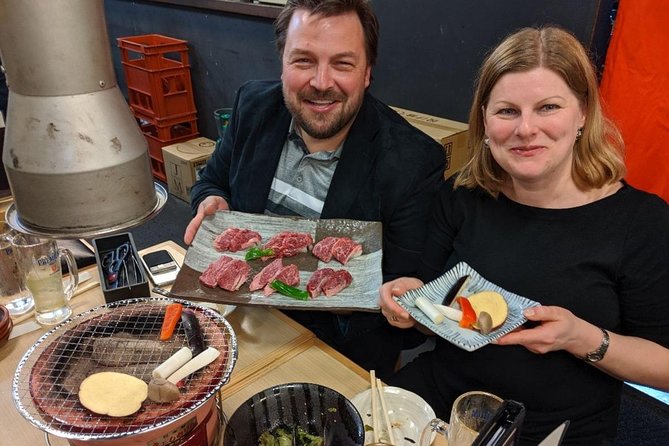
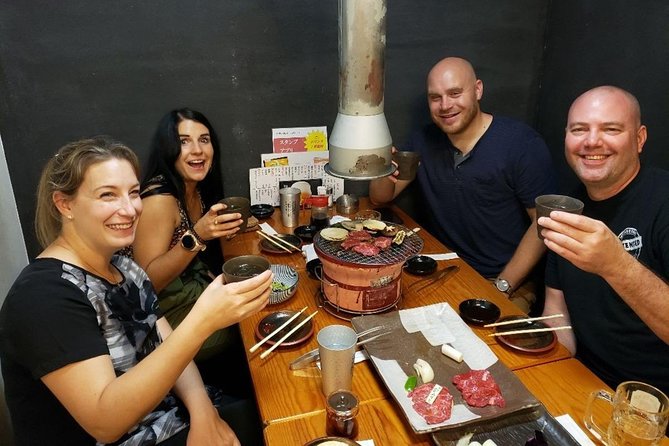
The Wagyu portion is grilled on traditional shichirin stoves. That’s a big part of the appeal because the flavor changes as it cooks—heat control matters, and the stove setup can make the grilling feel more like a show than a static plate.
Many groups talk about the Wagyu experience as the highlight, especially when the grilling is done right at your table. Even if you don’t know the grading words, you can still notice differences in fat texture and how the meat tastes once it hits heat.
If you love steak culture: this stop is the reason. You’re not just eating beef. You’re watching a Japanese-style grilling method and learning how to enjoy it on the spot.
How much you’ll eat: enough to feel satisfied, not stuffed
From the way the tour is designed, you should expect a meaningful food night. The stops are spaced to keep you moving and tasting, and the final dessert/drink is there so you don’t end with only savory food.
People often describe the end as being full, which makes sense. You’re stacking seasonal sushi bites with grilled Wagyu, and then finishing with something sweet.
My advice: pace yourself like you live in Tokyo now. Take smaller bites at the sushi portions, and don’t rush the Wagyu. Save dessert for when you actually taste the satisfaction, not when you’re still thinking about the next stop.
Your guide can make or break the experience
One of the best parts of this tour is the human factor. Guides are often praised for being engaging and helping people connect the food to the place, not just handing out dishes.
You might get different guides depending on the day, and names that show up in guide feedback include Yuki, Molly, Megumi, Yosh, Yuma, Aoi, Minnie, and Mimi. The common theme is that you’re not stuck with a silent walking experience.
That’s especially helpful in Tokyo neighborhoods where it’s easy to feel lost even when you can read signs. A good guide gives you permission to ask simple questions, like what to try first or what to notice in the cooking.
Diet limits, allergies, and smoking: the stuff you need to know up front
This tour explicitly can’t guarantee allergy-free dining. It also notes that substitutions may not be possible at certain stops, though they aim to compensate at different points. If your dietary needs are strict, you need to plan carefully.
Vegetarian can be possible, but only if you request it in advance (by the day before). You can’t count on vegetarian adjustments being available if you ask on the day.
Smoking is another real consideration. The tour warns it may visit places where smoking isn’t prohibited, and they may not be able to change venues if that’s the case. If you’re sensitive to smoke, it helps to know before you go so you can manage expectations.
Weather in Tokyo: pack for extremes, not comfort fantasy
Tokyo weather can swing hard. The tour notes mention summer highs around 40°C (110°F) and winter lows around -5°C (20°F).
That means you should dress like the weather is in charge. In summer: bring water and plan for heat pauses. In winter: wear layers that let you warm up during meals and cool down when you’re walking.
Also consider rain. One tour highlight type in feedback is doing the experience even when it pours, so if rain is in your forecast, pack a small umbrella or a light rain layer.
Price and value: what you’re really paying for at $111.62
At $111.62 per person for about 3 hours, you’re paying for more than food. You’re paying for guided access to places that make sense together—sushi first, Wagyu next, then a nightlife walk, then dessert.
You’re also getting the structure of a small group. In Shinjuku, that matters because the city is complicated. Having someone route you reduces the “where do we go now?” stress and helps you spend your time eating and looking around, not figuring out directions.
Then there’s the quality angle. The tour specifically targets seasonal sushi and famous Japanese Wagyu beef, plus a dessert/drink finale. Even if you eat out a lot at home, cooking style and selection can be hard to replicate on your own without knowledge or reservations.
Bottom line: if you want a guided food night that includes both sushi and Wagyu, the price is easier to justify. If you only care about one category—say sushi only—or you’re extremely strict about dietary needs, you may want to think twice.
Who should book this night foodie tour
Book it if:
- You’re in Tokyo for a short time and want a guided way to see Shinjuku and Kabukicho after dark
- You want both seasonal sushi and Wagyu in one evening
- You like small-group pacing (up to 7) and having time to ask questions
- You want a night plan that ends with a sweet or a drink, not an awkward scramble
Skip it if:
- You have serious allergies and need guaranteed allergy-free handling (the tour says it can’t be guaranteed)
- Smoking sensitivity is a dealbreaker for you
- You hate walking and want long, quiet sits at every stop (this is structured, but still movement-heavy)
Should you book this Tokyo Night Foodie Tour?
Yes, if you want a Tokyo evening that feels guided but not stiff, and you genuinely want sushi + shichirin Wagyu + Kabukicho vibes in one night. The small group size and multiple food moments make it a strong value for the time.
If your diet needs are strict or your tolerance for smoke and weather extremes is low, consider planning extra care. This is a fun, flavorful Shinjuku introduction—and the best version of it is the one where you go in ready to eat, walk, and ask questions.
FAQ
How long is the Tokyo Night Foodie Tour in Shinjuku?
The tour lasts about 3 hours.
How much does the tour cost?
The price is $111.62 per person.
Where do I meet, and where does the tour end?
The meeting point is 1-chōme-2-8 Nishishinjuku, Shinjuku City, Tokyo 160-0023, Japan. The tour ends back at the meeting point.
How many people are in the group?
The tour has a maximum group size of 7 travelers.
What food is included on the tour?
The tour includes tastings of seasonal sushi and Japanese Wagyu beef grilled on shichirin stoves, plus dessert or a drink at the end.
Are vegetarian options available?
Yes, a vegetarian course can be requested in advance (by the day before). Vegetarian options are not guaranteed if you request on the day of the tour.
Can the tour accommodate allergies or dietary restrictions?
The tour notes that it cannot guarantee allergy-free dining. Substitutions may not be possible at certain stops, though the team will make every effort to compensate at different stops.
Is free cancellation available?
Yes. You can cancel up to 24 hours in advance for a full refund.