REVIEW · TOKYO
Master the art of Sushi : Toyosu Market Tour & Tuna Cutting
Book on Viator →Operated by Japan Food Journey · Bookable on Viator
Early morning tuna beats a museum ticket.
This tour pairs a live tuna-cutting show with access to Japan’s major fish trading world at Toyosu Market, plus a hands-on nigiri session at the end. I especially like the chance to learn how chefs think about freshness and tuna parts, not just eat sushi. The main drawback to plan for is time: you’ll spend a good chunk of the 4 hours moving by subway or bus between stops, and that can feel long.
You start at 7:00 am, keep your feet ready for market walking, and finish in Azabujuban where the sushi work happens. With a maximum of 6 travelers and an English guide, it’s a focused food experience rather than a big group sprint. You’ll also have a mobile ticket, so you can get your bearings fast and spend more time watching and tasting.
In This Review
- Key highlights that make this tour worth your time
- Toyosu Market: Watching tuna cuttings and seeing how traders think
- Tsukiji Jogai Market: The comparison walk you’ll actually remember
- Azabujuban tuna cutting and nigiri: Where the learning turns hands-on
- What you’ll take home: sushi prep tips that aren’t just trivia
- Price and logistics: Is $297.23 good value for Tokyo?
- Who should book this tuna cutting and sushi making tour?
- Practical tips so your day runs smoothly
- Should you book Master the Art of Sushi: Toyosu Market Tour & Tuna Cutting?
- FAQ
- What is the duration of the tour?
- What does the tour cost?
- What time does the tour start?
- Where does the tour start and end?
- Is lunch included?
- Is there an English guide included?
- Do I need to pay admission tickets?
- How large is the group?
- Is transportation between stops included?
- What happens if the weather is bad?
- Is cancellation free if I change my mind?
Key highlights that make this tour worth your time
- Toyosu wholesaler access with a guide, plus the option to buy fish on site
- A clear view of how tuna selection and freshness connect to sushi-grade standards
- A Tsukiji stroll that helps you compare what you’re seeing at Toyosu versus older market areas
- Tuna cutting + nigiri making with a sushi chef in Azabujuban
- The tour includes lunch, and it’s tied directly to what you made (tuna and sushi)
Toyosu Market: Watching tuna cuttings and seeing how traders think
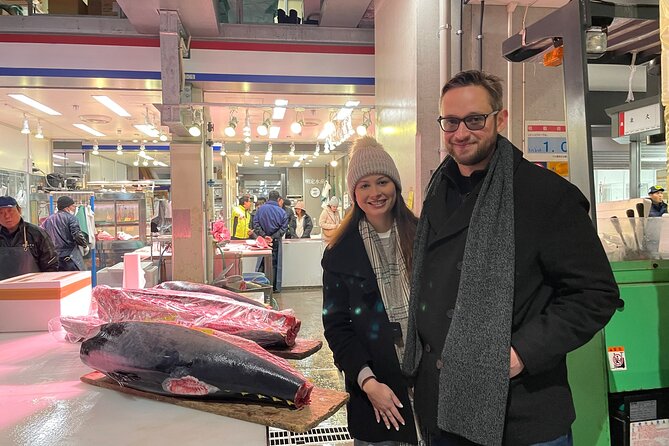
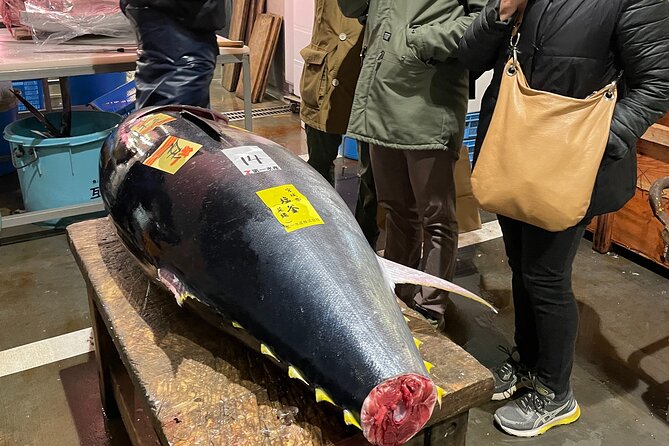
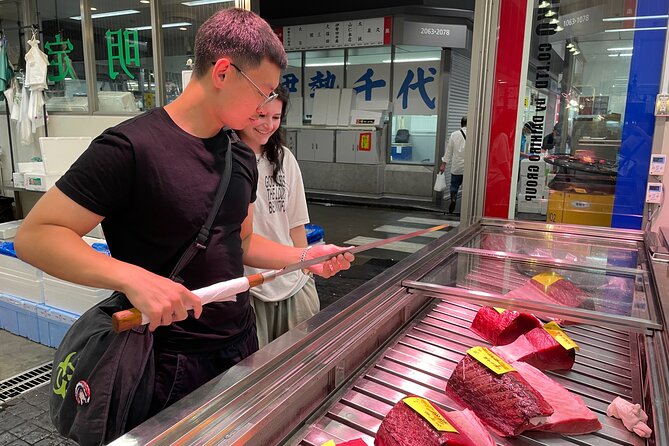
Toyosu is Tokyo’s main modern fish market, and the tour gives you the kind of access that’s hard to replicate on your own. You go with a guide into the Toyosu wholesaler market area for about 45 minutes, and you get to observe the trading rhythm up close. That matters because sushi is the final result of a much longer process, from selection to handling to cutting.
The big payoff here is the tuna-cutting demonstration and what the guide frames around it. You’re not just watching a show for show’s sake. You’re picking up how people judge fish for sushi use: how tuna is handled, what freshness means in practice, and why different parts behave differently in the final bite. In other words, you start linking what you see in the market to what you taste later.
You can also purchase fish at the wholesaler. That’s one of those rare “optional but real” details: if you want to bring something home (or at least try buying like locals do), this is the moment. Just be ready for market logic—decisions can move quickly when you’re looking at seafood that’s being traded rather than displayed.
Value note: The Toyosu stop includes admission ticket access for the market visit window, so you’re not paying extra for entry once you’re there. What you are paying for is the guided timing and the context that turns observation into understanding.
You can also read our reviews of more shopping tours in Tokyo

Tsukiji Jogai Market: The comparison walk you’ll actually remember
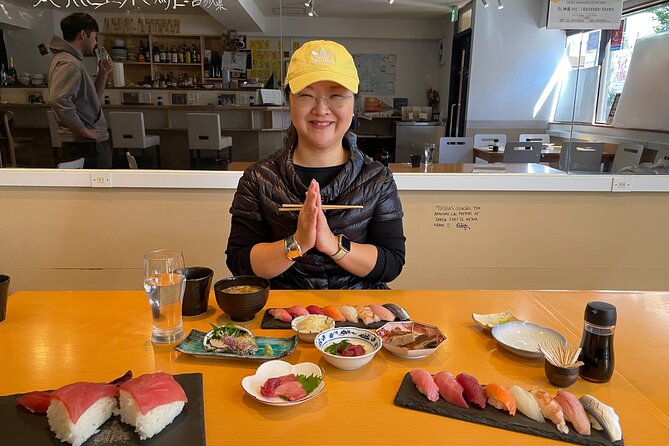
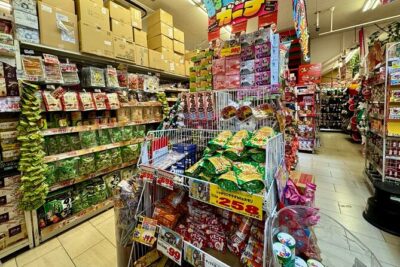
After Toyosu, you shift to Tsukiji Jogai Market for about an hour of shopping and eating, with travel time built into the schedule. This part is less about a single “moment” and more about contrast. You’ll walk through various stores, stop to eat, and get a feel for how the market experience differs from what you saw earlier.
I like this stop because it gives your brain something to compare. Toyosu feels like modern infrastructure built for speed and volume. Tsukiji Jogai feels more like a market zone where you can browse, nibble, and wander at human scale. Even if you’re not trying to do big shopping, the walk helps you understand that Tokyo’s seafood culture isn’t one place and one style—it’s multiple worlds that share the same ingredient obsession.
A practical thing to know: you’re not just sightseeing here. You’re eating and walking as part of the tour rhythm, so wear shoes you’d happily walk a lot in. Also, keep your expectations realistic. If you’re hoping for a long sitting lunch of choices, this isn’t that. It’s more like tasting your way through the market atmosphere while the guide keeps things moving.
Possible drawback to plan for: one of the most common friction points with this kind of itinerary is travel time. If you’re sensitive to schedule changes or long commutes, build in patience. The upside is that Tsukiji is a good place to walk off that transit by sampling and shopping along the way.
Azabujuban tuna cutting and nigiri: Where the learning turns hands-on
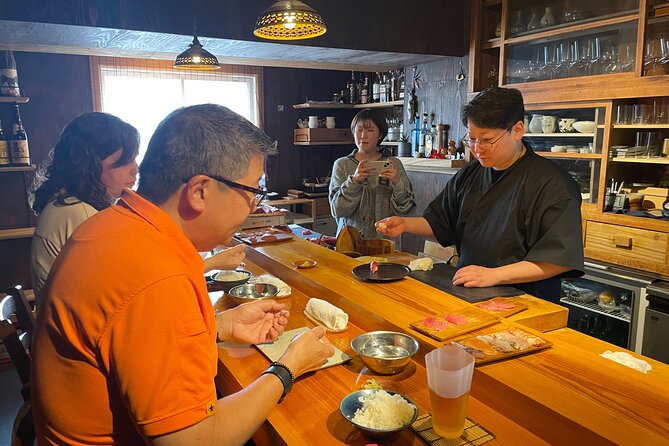
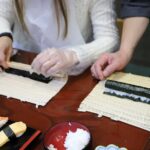
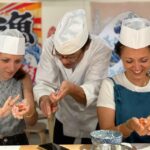
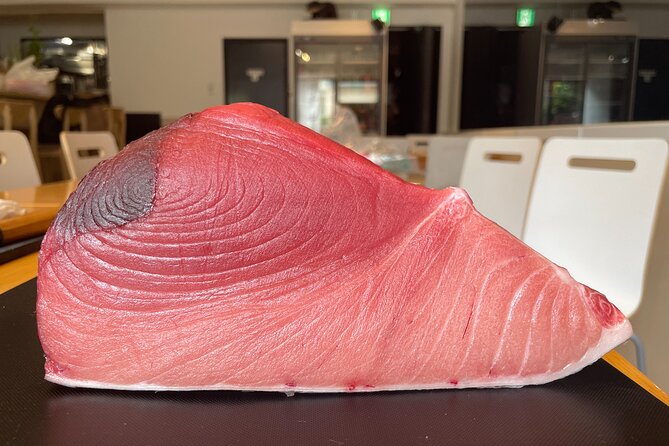
The final stop in Azabujuban is the heart of the experience: you work with a sushi chef at a Japanese restaurant and go through tuna cutting plus nigiri sushi. This is where the tour stops being passive and becomes skills-based. You’ll be able to compare different tuna parts and try different ways of eating tuna, which is exactly what makes the earlier market visit click.
What you’re doing here isn’t just “watching someone else cook.” The format is structured: cutting tuna and assembling nigiri in a restaurant setting. That gives you a practical foundation for understanding why sushi uses specific cuts and why chefs talk about fat, texture, and portioning. In at least some sessions, you may handle a large amount of tuna—one group described cutting tuna portions that included fatty, middle, and lean sections and adding up to several kilos. Even if your exact amount varies, the idea is the same: you learn tuna as a set of parts, not as one generic fish.
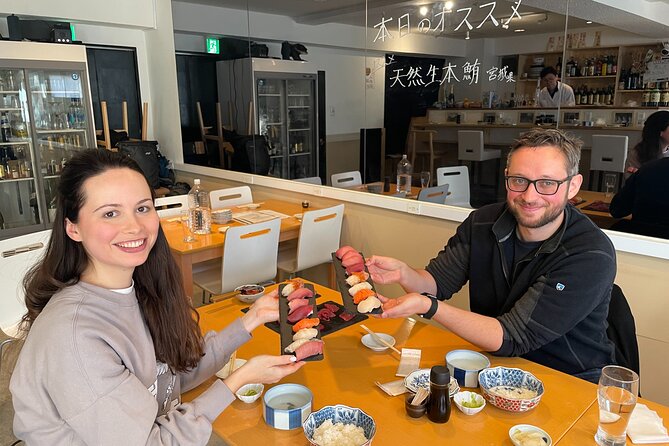
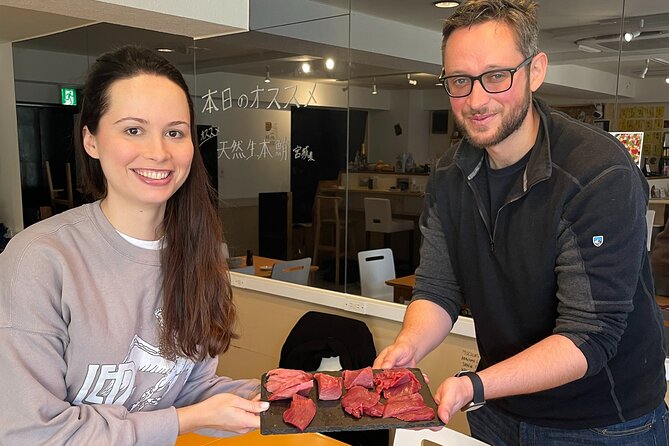
After the cutting, lunch is included—tuna and sushi made by you. That’s an important quality-of-life detail. You’re not paying extra for food later, and the meal isn’t separate from the learning. You’ll be eating what you practiced, which makes the whole day feel connected.
If you care about sushi more than just flavor, pay attention to the “why” your chef explains while you work. Sushi prep is detail work, and the tour structure gives you a chance to see how tuna changes once it’s portioned for nigiri. You also get the rare chance to compare how different parts taste and behave, which is hard to do when you’re just ordering off a menu.
What you’ll take home: sushi prep tips that aren’t just trivia
This tour’s marketing focuses on tuna cutting and sushi prep tips, and that’s the part you should actively “collect.” The goal isn’t to leave with a home recipe written on paper. It’s to leave with better instincts.
Here are the kinds of lessons you can reasonably expect to walk away with based on what the tour emphasizes:
- How tuna freshness and handling affect the final sushi bite
- How sushi-grade standards shape selection, not just presentation
- How different tuna parts change texture and richness, which can guide what you order later
- Practical sushi-making observations, since you’ll cut and assemble nigiri yourself
At home, you can use that knowledge even if you can’t replicate a wholesaler environment. For example, you’ll be better at recognizing what a “fatty” versus “lean” portion means in a real bite, and you’ll know what questions to ask when ordering sushi. You’ll also be more confident reading menus that describe tuna parts, since you’ve seen how they’re treated as distinct pieces.
One more point I like: because you visit Toyosu and then work with a chef, the tour connects the fish supply chain to the final dish. That makes the prep tips feel less like random facts and more like a system you understand.
Price and logistics: Is $297.23 good value for Tokyo?
Let’s talk money without pretending it’s cheap. At $297.23 per person, this is not a casual market walk. You’re paying for three things that normally add up separately:
- Market access with an English guide and guided context
- A hands-on tuna cutting + nigiri workshop led by a sushi chef
- Lunch included, made from what you prepare
For sushi lovers, the value often comes from the workshop piece. Market tours are fun, but you can see markets on your own. The tuna cutting and nigiri making is the part that gives you a skill connection—and it’s limited to a small group (max 6), which usually means more direct attention.
Now the practical tradeoff: transportation isn’t included, and the itinerary has real movement between areas. One caution from the experience is that the time spent commuting can feel longer than you’d like, especially if you expected the 4 hours to be mostly at food stops.
So here’s my decision filter:
- If you want tuna cutting + nigiri instruction and you’re comfortable with early starts, the price starts to make sense fast.
- If you only want casual browsing and you hate transit time, you may feel it’s overpriced for what you get.
You can also read our reviews of more tours and experiences in Tokyo
Who should book this tuna cutting and sushi making tour?
This is a strong fit if:
- You’re a tuna and sushi fan who wants to understand the ingredient, not just eat it
- You learn best by doing, not by watching
- You like small-group experiences (this one caps at 6)
- You can handle a 7:00 am start and some walking in Tokyo
It’s less ideal if:
- You hate schedules with multiple transit segments
- You’re hoping for a long, leisurely meal with lots of free time to roam
- You mainly want photos and shopping rather than cooking instruction
Think of it as a food-focused day with a market warm-up and a chef-led finish.
Practical tips so your day runs smoothly
A few things make a difference with this kind of early market-to-restaurant flow:
- Wear comfortable shoes. You’re moving through markets and walking between stores.
- Dress for morning conditions. Tokyo mornings can shift fast, and you may be outside around the market area.
- Bring a mindset for watching first, asking second. The guide and chef will help, but the best learning comes when you look closely at how tuna is handled and portioned.
- If you plan to buy fish at Toyosu, come ready with a payment method and the understanding that buying at a wholesaler is a different process than buying at a shop.
- Keep your lunch expectations aligned. Lunch is included, but it’s tied to the workshop pace, not a long buffet-style spread.
Also, since the tour ends in Azabujuban, plan your next stop around that area instead of trying to squeeze in something far away immediately.
Should you book Master the Art of Sushi: Toyosu Market Tour & Tuna Cutting?
Book it if you want a sushi day that connects the dots—from market supply and tuna parts to chef-led nigiri making—and you’re willing to trade some comfort for a rare hands-on experience. The combination of Toyosu market access, a tuna cutting demonstration, and the chance to make nigiri and eat it is the kind of lineup that tends to stick with you.
Skip it (or consider other options) if you mainly want a relaxed, low-commute food stroll. The tour’s strength is instruction and access, not spare time.
If you like your food experiences with clear structure and real craft, this is a solid choice.
FAQ
What is the duration of the tour?
It runs for about 4 hours.
What does the tour cost?
The price is $297.23 per person.
What time does the tour start?
The start time is 7:00 am.
Where does the tour start and end?
It starts at Shijō-mae Sta. 6 Chome-3 Toyosu, Koto City, Tokyo 135-0061, Japan, and ends at 3-chōme-3-4 Azabujūban, Minato City, Tokyo 106-0045, Japan.
Is lunch included?
Yes. Lunch is included and comes with tuna and sushi made by yourselves.
Is there an English guide included?
Yes. An English guide is included.
Do I need to pay admission tickets?
Toyosu admission is free for the market visit window. Tsukiji Jogai Market admission is included.
How large is the group?
The tour has a maximum of 6 travelers.
Is transportation between stops included?
Transportation within the tour is by subway or bus, and the cost of that transportation is not included.
What happens if the weather is bad?
The experience requires good weather. If canceled due to poor weather, you’ll be offered a different date or a full refund.
Is cancellation free if I change my mind?
Free cancellation is available up to 24 hours in advance for a full refund.