REVIEW · TOKYO
Tokyo: Shinjuku Food Tour – 15 Dishes, 3 Drinks, 4 Eateries
Book on GetYourGuide →Operated by Travel Tokyo · Bookable on GetYourGuide
Shinjuku tastes better than you expect. This 3-hour food tour sends you through Shinjuku’s neon side streets and three nightlife pockets, guided in English by hosts like Emma and Yin who do a great job explaining what you’re eating and why it matters. If you like eating first and sightseeing second, this one fits.
I love the variety. You’re not grazing on snacks; you’re trying enough classic Japanese dishes for what feels like a full meal, including things like melt-in-your-mouth sashimi, golden-crisp tonkatsu, and pan-fried gyoza. I also like the fact that you’re led into places most people don’t find on their own, with stops that include four local eateries across Shinjuku’s back-alley food culture.
The main drawback to plan around is that you’ll eat a lot. Some stops involve stairs, and a few guests have mentioned the drink count can feel slightly different day to day, so don’t build your night around a perfect 3-drink lineup.
In This Review
- Key Highlights to Know Before You Go
- Shinjuku Food Tour Basics: What You’re Really Paying For
- Meeting at α 107 Building and Finding the Right Start Point
- Golden Gai: Tiny Bars, Tight Lanes, and Your First Dinner Bites
- Omoide Yokocho: Alleyway Comfort Food and the Art of Eating by Hand
- Kabukicho: Nightlife Energy Meets Final Tastings
- The Food Lineup: Sashimi, Tonkatsu, Gyoza, and More
- Drinks With Your Dinner: Sake, Beer, and Non-Alcoholic Options
- Guide Power: Why Names Like Emma, Yin, and Rikki Come Up
- Pace, Walking, and the Stairs Factor
- Is the Shinjuku Tour Worth It at $72?
- Should You Book This Shinjuku Food Tour?
- FAQ
- How long is the Shinjuku food tour?
- Where do I meet for the tour?
- How many dishes and drinks are included?
- Are alcoholic drinks included, and are there non-alcoholic options?
- Is the tour guided in English?
- Do I need to bring cash?
- Is there free cancellation?
- Do I need to pay right away?
- Which areas will the tour visit during the evening?
- How many eateries are visited?
Key Highlights to Know Before You Go
- 15+ dishes in 3 hours: enough for a real dinner, not light sampling
- Four local eateries: a mix of izakaya-style spots and specialty places
- Golden Gai, Omoide Yokocho, and Kabukicho: the Shinjuku story told through food
- English-speaking guides like Rikki, Shane W, and Daichi: clear explanations and good pacing
- Sake and beer options plus non-alcoholic choices, with pairing built into the flow
- Bring cash: you’ll be glad you didn’t rely on one payment method
Shinjuku Food Tour Basics: What You’re Really Paying For
At $72 per person for about three hours, you’re buying convenience and taste. In Tokyo, a “just sit down and order” dinner can easily add up, especially once drinks enter the picture. Here, you’re getting 15+ dishes and multiple drinks without having to plan each stop, each menu, and each choice.
This is also a good way to get oriented fast. Shinjuku can feel like a maze—bright, loud, and full of narrow lanes that go nowhere in particular unless you know where you’re headed. A good guide turns that chaos into a simple route with stops that make sense for a food-focused night.
The vibe is casual. This isn’t fancy tableware, multi-course ceremony, or quiet tasting. You’re eating comfort food and everyday Japanese favorites in places where locals go when they want something warm, salty, grilled, fried, or fresh.
You can also read our reviews of more food & drink experiences in Tokyo


Meeting at α 107 Building and Finding the Right Start Point
You’ll meet in Nishi-Shinjuku by the west exit area, specifically in front of the blue AOKI sign right by Starbucks. The tour start point is listed as the α 107 Building, so aim to get there a few minutes early and give yourself time to match the landmark.
This matters more than people think. Shinjuku is big, and “meet by a station” can turn into a scavenger hunt at night. When guides are good at managing the group and keeping things moving, you feel it immediately—seating, pacing, and getting everyone lined up for the next bite.
Bring cash. The tour info calls this out directly, and it’s the kind of detail that can save you from scrambling mid-evening.
Golden Gai: Tiny Bars, Tight Lanes, and Your First Dinner Bites
Golden Gai is the kind of place you come for the atmosphere, then stay for the food rhythm. It’s famous for its maze-like alleys and small bar spaces, where every lane looks like it belongs in a movie set.
On your first major stop, you’ll get dinner in a guided setting. You’re not just tasting at one place; you’re learning how to read the scene: what people order, how the menu works in small portions, and how Japanese meals often move from one flavor “hit” to the next.
Why this stop works: Golden Gai helps you understand Shinjuku as more than a nightlife district. It’s also a neighborhood made of micro-spaces—narrow, human-scale spots where the night feels personal instead of impersonal.
One possible catch: if you’re looking for wide-open views or big tourist photos, Golden Gai won’t be that kind of stop. It’s about closeness, chatter, and the fun of eating in tight quarters.
Omoide Yokocho: Alleyway Comfort Food and the Art of Eating by Hand
Omoide Yokocho is where Shinjuku gets even more “street-level.” The name points you toward the vibe: a narrow, old-school alley food scene that feels built for strolling and snacking, even though you’ll be eating full portions on this tour.
This is typically the part of the night where you start to feel like you’ve got it figured out. The guide will keep the group moving, and you’ll shift from “What is this place?” to “Okay, I get the pattern. This is how the flavors roll.”
Why I think you’ll enjoy it: the food culture here leans toward hearty, satisfying dishes. Think crisp, savory, and hot items—things that feel made for winter air or a late dinner hunger spike.
A practical tip for you: pace yourself between stops. It’s easy to over-order in Tokyo, and even with a tour, you can still feel stuffed. When I see people hit Omoide Yokocho too fast, they struggle to enjoy the later dishes fully. Let the first bites set your tempo.
Kabukicho: Nightlife Energy Meets Final Tastings
Kabukicho is Shinjuku’s famous entertainment zone, known for its neon, crowds, and all-out night energy. If Golden Gai is the quiet maze and Omoide Yokocho is the comfort alley, Kabukicho is the loud finale where everything feels on.
You’ll end this big run of stops with another guided dinner experience. This is where the tour usually pays off again with a fresh set of flavors—often a mix of fried, grilled, or fresh items depending on the day’s menu.
What to expect here: the environment can be intense. That doesn’t mean the food experience is chaotic, but your senses will run hot. If you’re sensitive to crowds or noise, it helps to focus on one thing at a time—taste the food, listen to the guide’s explanation, then step outside briefly when you need a breather.
Also, take note of seating logistics. Multiple guests have praised guides for keeping the group on time and finding places to sit, which is exactly what you want in a busy district like this.
You can also read our reviews of more tours and experiences in Tokyo
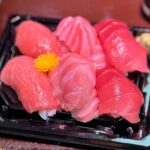
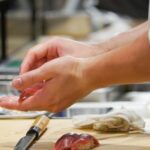


The Food Lineup: Sashimi, Tonkatsu, Gyoza, and More
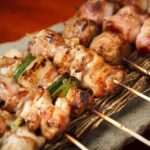
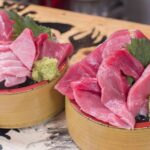
The tour is built around variety, and it shows in the dish examples. You’ll try classics like sashimi (mentioned as melt-in-your-mouth fresh), tonkatsu (described as golden-crisp), and gyoza (pan-fried). Those three alone cover three very different textures: raw tenderness, crunchy breaded meat, and browned dumplings with a soft interior.
You’ll also sample additional dishes beyond those examples, because the tour is designed as a full meal spread across multiple tastings. The “15 dishes” target is a big reason this tour feels filling instead of snacky.
Here’s how to make it work for you:
- Go with a flexible palate. You’ll likely hit raw and fried items, plus savory sauces and seasonal variations.
- Take small bites at first. You can always slow down later, but you can’t un-eat.
- Ask the guide what you’re tasting. Even when dishes feel familiar, the explanations help you catch the differences—cut of fish, seasoning style, or why a sauce works.
If you’re a first-time Tokyo eater, this is a strong way to get a map of what “Japanese food” means beyond one restaurant style. If you already know your ramen and sushi, the value is in seeing how many other classics sit right beside them.
Drinks With Your Dinner: Sake, Beer, and Non-Alcoholic Options
This tour includes 3 drinks in the description, with alcoholic and non-alcoholic choices. Many guests describe the drinking as part of the fun, not an afterthought.
That said, one guest noted they received only two drinks on their night. So I’d treat the “3” as the plan, not a guaranteed count you should build your expectations around. The safer mindset is: you’re paying for a dining experience that includes drinks, but the exact mix can vary with group pacing and the stop lineup.
On the alcohol side, sake and beer show up in the expected pairing. If you don’t drink, the tour info says there are non-alcoholic options, which is a big deal when you want to enjoy the pacing without forcing yourself to taste something you don’t like.
Practical move: if you drink, keep sipping between dishes. It helps you enjoy the flavors instead of dulling your palate early. If you don’t drink, tell the guide you’d rather focus on juice, tea, or other non-alcoholic pairings so you’re not stuck waiting for your first beverage.
Guide Power: Why Names Like Emma, Yin, and Rikki Come Up
A huge part of why this tour works is the guide. You’re not only walking; you’re learning how to understand the places you’d otherwise feel lost in.
English-speaking guides are consistently praised for pacing and group handling. Some guests specifically called out how their guide kept things on time and found seating for everyone, which is harder than it sounds in Shinjuku.
You’ll also get cultural context along the way. Several guides are noted for mixing food talk with neighborhood history and practical explanations—like how the districts work, why certain dishes pair with a drink choice, and what to notice when you’re looking at menus.
A few guide traits that show up in the feedback:
- Friendly and funny hosts who keep the mood light
- Clear explanations of dish ingredients and how meals are put together
- Flexibility with slower walkers; one guest said their guide adjusted pace
If you have dietary needs, pay attention to this part. One guest mentioned the guide made accommodations for food allergies. That’s encouraging, but you should still speak up clearly and early. Don’t assume every dish will be safe for every restriction.
Pace, Walking, and the Stairs Factor
This is primarily a walking experience across Shinjuku’s nightlife districts. The pace is meant to be manageable, and one guest even said the walk felt nice and doable.
But there’s one practical detail you shouldn’t ignore: at least one stop involves stairs, and a guest specifically noted there was no lift. If you have mobility limitations or you’re not comfortable with steps during a busy evening, plan around it.
My advice: wear shoes you trust. You’ll likely move in and out of small venues, stand around for a short time, and shift lanes in crowded areas. Good footwear turns the tour from tiring to just pleasantly active.
Is the Shinjuku Tour Worth It at $72?
Let’s talk value, not just price. You’re getting:
- 15+ dishes (enough for a full meal)
- Drinks included (alcoholic and non-alcoholic)
- An English-speaking guide who handles routing and explanations
- Stops across three major Shinjuku food/nightlife zones
If you were planning this on your own, you’d have to pick four eateries, figure out what to order (and how much), and then still find a way to move through Shinjuku efficiently. That planning time alone is part of what you’re paying for.
Also, the tour helps you avoid the “tourist trap dinner” problem. With local spots and alley districts like Golden Gai and Omoide Yokocho, you’re more likely to eat what the neighborhood is actually good at, not what’s easiest to find.
The only reason I’d hesitate is if you hate crowds or you’re the type who prefers one perfect restaurant over lots of smaller tastings. This tour is structured to feed you, move you, and keep your attention on the next bite.
Should You Book This Shinjuku Food Tour?
Book it if you want an easy win in Tokyo: a guided night that blends real Japanese food with Shinjuku’s atmosphere. It’s a smart choice for first timers who want quick orientation and for food lovers who’d rather follow a local route than guess their way through the menus.
Consider skipping or choosing something else if you:
- Can’t handle stairs or tightly packed seating
- Want a quiet, slow-paced dining experience
- Prefer to drink less and snack less (the tour is built for eating more than sipping)
If you’re hungry and curious, I’d say this tour is a strong use of one evening in Shinjuku.
FAQ
How long is the Shinjuku food tour?
It lasts about 3 hours.
Where do I meet for the tour?
Meet in front of the blue AOKI sign that is right by the Starbucks in Nishi-Shinjuku (west exit).
How many dishes and drinks are included?
The tour includes 15 dishes and 3 drinks.
Are alcoholic drinks included, and are there non-alcoholic options?
Yes. Drinks include alcoholic and non-alcoholic choices.
Is the tour guided in English?
Yes. The guide is English speaking.
Do I need to bring cash?
Yes, you should bring cash.
Is there free cancellation?
Yes. You can cancel up to 24 hours in advance for a full refund.
Do I need to pay right away?
No. Reserve now & pay later is available.
Which areas will the tour visit during the evening?
You’ll spend time in Golden Gai, Omoide Yokocho, and Kabukicho, with stops at local eateries in those areas.
How many eateries are visited?
You’ll visit 4 local eateries.