REVIEW · TOKYO
Tokyo: Tsukiji Fish Market Walking Tour
Book on GetYourGuide →Operated by Travel Tokyo · Bookable on GetYourGuide
Tsukiji can feel like sensory overload—this walk turns it into a clear plan. You’ll spend two hours in the Tsukiji Outer Market area with a real guide, not wandering at random. I like the small group size (up to 10) because it keeps the pace human, and you actually get answers as you pass each stall.
What I also love is how the guide connects food to culture. You’ll hear vendor stories and learn how Japan’s seafood traditions show up in everyday shopping choices, from what to buy to what to order next. One key consideration: sampling is easier when you have cash with you, since some stops don’t take cards and tasting can mean paying on the spot.
In This Review
- Key things that make this Tsukiji tour worth your time
- Tsukiji Outer Market: what this tour actually gives you
- Starting at Starbucks near Tsukiji Station (and why it helps)
- Two hours of market walking: how the time is used
- What you’ll see and eat at the Outer Market stalls
- How the guide turns chaos into choices (and gives you good buys)
- Sampling with cash: the part you must plan for
- Price and value: is $17 a smart deal?
- Accessibility and comfort: what to expect from the walk
- Who this Tsukiji tour fits best
- The practical takeaway before you go
- Should you book the Tokyo Tsukiji Fish Market Walking Tour?
- FAQ
- Where do we meet for the Tsukiji Fish Market Walking Tour?
- How long is the tour?
- How much does the tour cost?
- Is the tour guided?
- What language is the tour guide?
- Is it a small group?
- Is hotel pickup included?
- Do I need to bring cash?
- Is the tour wheelchair accessible?
- Can I cancel for a full refund?
- What’s the cancellation and payment flexibility like?
Key things that make this Tsukiji tour worth your time
- Small group (10 max) keeps questions flowing and the walk practical.
- English live guide helps you read menus, labels, and seafood choices.
- Food-focused market stops steer you toward bites you might not pick alone.
- Vendor stories and traditions add meaning to what you’re seeing and eating.
- Plan for cash sampling so you don’t miss out when a stall looks perfect.
- Short and structured (2 hours) is enough to try several places without burning your whole morning.
Tsukiji Outer Market: what this tour actually gives you
Tsukiji’s name still carries that “fish market” mystique, but this tour is built around the Outer Market experience. That matters, because Outer Market is more about shops, prepared foods, seafood tools, and snack-style eating than the fast-moving wholesale auction scene. If you’re expecting to stare at a constant wall of fish the whole time, you may be slightly underwhelmed in that area. Still, that trade-off is why this format works well for first-timers.
The tour feels best for people who want to learn fast and eat thoughtfully. You’re not trying to memorize stall names on your own. Instead, you follow a guide who can explain what you’re looking at and steer you toward good stops—especially when the market is crowded and your instincts would otherwise send you toward the longest line or the loudest sign.
You can also read our reviews of more walking tours in Tokyo


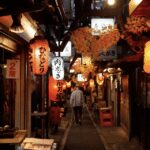
Starting at Starbucks near Tsukiji Station (and why it helps)
You meet at Starbucks Coffee near Tsukiji Station, about a two-minute walk from the station. For a market tour, this is a bigger deal than it sounds. Clear meeting points reduce the stress that can eat up your energy right when you arrive in a busy area.
The coordinates listed for the meeting point make it easy to find using your phone map app. That’s useful because Tsukiji streets can be confusing at first, and you don’t want to start your tour late while everyone else is already walking.
Two hours of market walking: how the time is used
This is a two-hour guided walking tour of the Tsukiji Outer Market. That’s long enough to hit multiple food stalls and get real explanations, but short enough that you’re not stuck in one place for too long. Based on common feedback, the flow works well: you get variety without feeling rushed into a shopping marathon.
You’ll start with the Outer Market and move through it as a group. Expect frequent moments where the guide points something out, you try a bite, then you move on. This is one of the smartest ways to do Tsukiji because it prevents the classic problem of arriving hungry, then spending the next hour reading labels without understanding what you’re choosing.
What you’ll see and eat at the Outer Market stalls
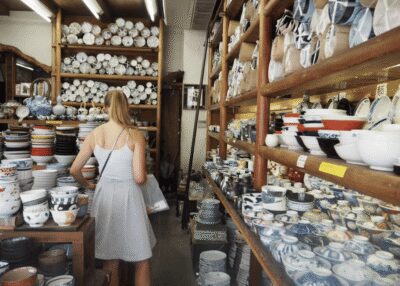
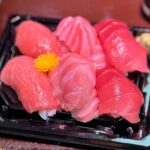
The Outer Market is where you’ll notice the range. It’s not just seafood as a product; it’s seafood as a culture. You’ll find stalls selling seafood and related items, specialty foods, and culinary tools. Even if you don’t buy much, seeing what people actually shop for gives you a better sense of how Japanese seafood cuisine starts at the market.
Food highlights people often mention include things like:
- Kobe beef
- fatty tuna
- wagyu skewers
- oysters and toro
- eel
- fresh fruits
- mochi dessert
- wasabi beans
Even better, the guide helps you choose with context. One of the strongest themes from the experience is that you tend to end up trying items you wouldn’t have ordered on your own. That’s the real value of a food tour here: the guide reduces guesswork, and that makes sampling feel fun instead of risky.
How the guide turns chaos into choices (and gives you good buys)
The market can be busy, and Tsukiji is the kind of place where you could easily waste time. The guide’s job is to keep you moving while also making sure you understand what you’re eating and why it’s special.
In the guide lineup, names you might meet include Yayoi, Nicholas, Yota, Doren, Shingo, and Nao. The consistent message across these different guides is that they don’t just point at stalls—they explain local habits and help you decide what to sample.
Here’s what that looks like in real terms:
- You’ll get recommendations for multiple stops, so you’re not stuck with one meal’s worth of options.
- You’ll learn how restaurants think about seafood, which helps you order better later in the trip.
- You’ll understand what makes certain ingredients worth paying attention to.
A couple of reviews also mention a short add-on stop at a shrine or the Tsukiji Hongwanji Temple area. That’s not guaranteed here based on the main outline, but it shows the tour can include small cultural pauses alongside the food focus.
You can also read our reviews of more shopping tours in Tokyo


Sampling with cash: the part you must plan for
If you only remember one practical tip, make it this: bring cash. The tour notes explicitly recommend cash, and feedback strongly reinforces that some sampling stops won’t take cards.
This affects your budgeting. The tour price covers the walking tour and guide, but market sampling usually means paying small amounts directly at stalls. So you’ll want to bring enough yen for bites and drinks that interest you, plus a little buffer in case you see something tempting mid-walk.
A good mindset is to treat it like a choose-your-own tasting route. When you have cash ready, you can say yes when the guide suggests a stop. When you don’t, you may end up watching other people enjoy something you can’t pay for on the spot.
Price and value: is $17 a smart deal?
At $17 per person for a two-hour walking tour, the price is hard to beat if your main goal is orientation plus food advice. The big value isn’t just that you’re walking with someone. It’s that a guide helps you:
- identify which stalls are worth your time
- make smarter tasting choices
- connect what you’re eating to broader Japanese seafood culture
And because the group is capped at 10 participants, you’re not fighting for attention. That’s part of the value calculation. If you’re paying to learn how to eat well in a place that’s intimidating on your first visit, $17 can be a bargain.
Just remember the trade: you’ll still want cash for sampling. If you walk in with a tight tasting budget and little yen, you might feel like you’re paying mainly for guidance rather than tasting. If you’re ready to spend a little as you go, the value improves fast.
Accessibility and comfort: what to expect from the walk
The tour is listed as wheelchair accessible. That’s important because market areas can be uneven and crowded. Also, since the experience is limited to two hours, it’s easier to manage your energy than with longer market marathons.
Still, you should expect lots of standing, walking, and close quarters. This is a market. Even in good weather, it’s crowded. If you’re the type who gets overwhelmed by crowds, go in with a plan: keep your pace with the group, and rely on the guide to help you slow down at the right stalls rather than stopping randomly.
Who this Tsukiji tour fits best
This is a great match if you’re:
- new to Tsukiji and want an organized route
- hungry for Japanese seafood culture, not just photos
- curious about buying suggestions and what to order next
- traveling with a group dynamic where you appreciate learning from others’ questions
It’s also a strong option if you like food experiences but don’t want to spend hours researching stalls. The guide does the heavy lifting for you.
It may be less satisfying if your main goal is watching the most dramatic wholesale fish action. This tour is focused on the Outer Market experience, and you may want another kind of visit if your heart is set on the auction side of Tsukiji.
The practical takeaway before you go
Here’s how to get the best results from this tour:
- Bring cash so you can sample when you want
- Arrive on time for the Starbucks meeting point so the group gets moving
- Plan to eat a few times, not just snack once
- Ask questions while you’re walking; the guide’s explanations are part of the payoff
And yes, it’s okay if Tsukiji feels overwhelming at first. That’s the point of a guide here: you get a path through the noise and a reason behind the food choices.
Should you book the Tokyo Tsukiji Fish Market Walking Tour?
Book it if you want a smart, short route through Tsukiji Outer Market with an English guide who can explain what you’re seeing and help you choose tastings that feel fun and not random. The $17 price is especially good for first-timers who want structure and guidance.
Skip or reconsider if you’re only interested in the wholesale auction atmosphere or you don’t want to carry cash for sampling. With cash in hand and the right expectations, this tour is one of the more practical ways to experience Tsukiji without spending half your morning lost and hungry.
FAQ
Where do we meet for the Tsukiji Fish Market Walking Tour?
You meet at Starbucks Coffee near Tsukiji Station, about two minutes walk from the station. The provided coordinates are 35.6679239, 139.7720981.
How long is the tour?
The tour duration is 2 hours.
How much does the tour cost?
The price is $17 per person.
Is the tour guided?
Yes. The tour includes a live tour guide and is described as a guided walking tour.
What language is the tour guide?
The tour guide provides the experience in English.
Is it a small group?
Yes. The group is limited to 10 participants.
Is hotel pickup included?
No. Hotel pickup and drop-off are not included.
Do I need to bring cash?
Yes. The tour info specifically says to bring cash, and sampling may require it.
Is the tour wheelchair accessible?
Yes. The tour is listed as wheelchair accessible.
Can I cancel for a full refund?
Yes. There is free cancellation up to 24 hours in advance for a full refund.
What’s the cancellation and payment flexibility like?
It includes reserve now & pay later, so you can book and pay nothing today, with free cancellation up to 24 hours in advance.