REVIEW · TOKYO
Harajuku Meiji Shrine Walking Tour in Tokyo
Book on Viator →Operated by Localized Walking & Food Tours · Bookable on Viator
Tokyo can feel busy; this walk slows it down. In about two hours, you’ll move through three very different Harajuku moods—forest quiet at Meiji Jingu, neon energy on Takeshita Street, and sleek style along Omotesando—with a guide steering you on a planned route. It’s a small-group experience, so you can ask questions instead of just power-walking with a crowd.
Two things I really like: the guides (including Miyu and Hiroko) explain what you’re seeing in a way that actually helps, from shrine religion and etiquette to simple cultural do’s and don’ts. And I love that admission is included along the way, so you’re not hunting for tickets or guessing what costs what while you’re on the move.
One possible drawback: because two hours is tight, you won’t get a long, slow soak at every stop. If you want to linger extra at the shrine or shop longer on Takeshita Street, plan a little extra time before or after the tour.
In This Review
- Key takeaways before you go
- Start at Harajuku Station, end at Harakado: how the timing really works
- Meiji Jingu Shrine: stepping into the forest calm (and knowing what to do)
- Takeshita Street: youth-style shopping with a plan, not just crowds
- Omotesando: designer boulevard strolling after the chaos
- Why the guide experience matters more than the route alone
- Price and value: is $25 worth it?
- What to expect on the walk (so you’re not surprised)
- Who should book this Harajuku Meiji Jingu walking tour?
- The best way to combine this tour with the rest of your day
- Should you book?
- FAQ
- How long is the Harajuku Meiji Shrine Walking Tour?
- What is the group size limit?
- Where do you meet and where does the tour end?
- Is there a mobile ticket?
- Is admission included?
- Can I cancel for a full refund?
Key takeaways before you go
- A guided route that saves time: you skip map-reading and just follow the plan.
- Three Harajuku “eras” in one loop: shrine forest, youth-street shopping, then designer boulevard.
- Small group, max 15: easier questions, less shuffle, a more human pace.
- Shrine etiquette is part of the point: especially helpful if it’s your first Japanese shrine visit.
- Admission is handled: no awkward ticket confusion mid-walk.
Start at Harajuku Station, end at Harakado: how the timing really works
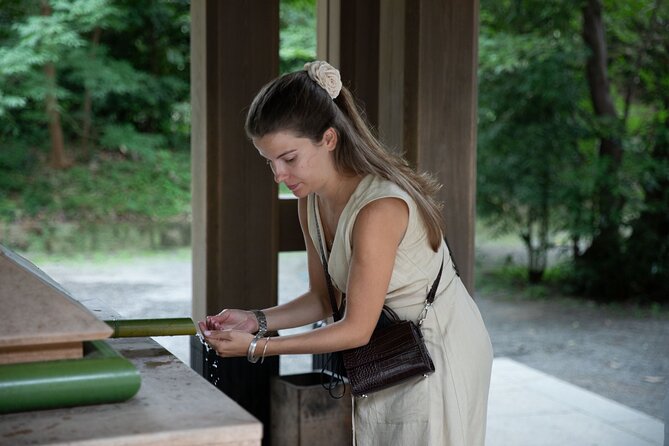
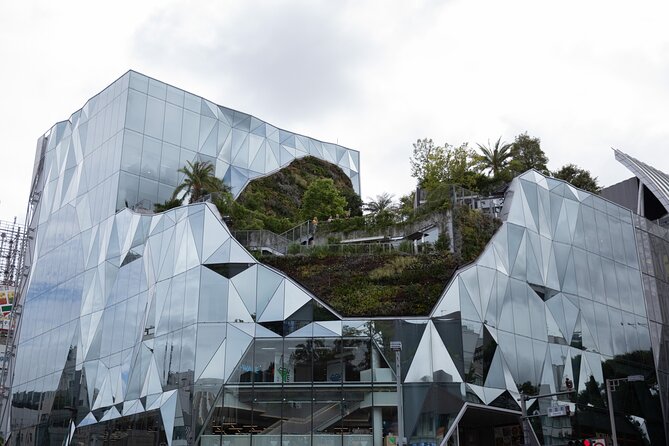
This is the kind of tour that works best when you treat it like a guided orientation—then you branch out on your own. You start at Harajuku Station (1 Chome-18 Jingumae, Shibuya) and finish at Tokyu Plaza Harajuku HARAKADO inside the Harakado area. That ending location is handy because it puts you right back in the center of the action, rather than dropping you somewhere far away.
The full walk is about 2 hours, and the stops are weighted so you get variety without feeling rushed in every direction. The schedule is built like this: Meiji Jingu Shrine (about 40 minutes), then Takeshita Street (about 30 minutes), and finally Omotesando (about 20 minutes). In plain terms: you get quiet first, then colorful shopping energy, then calmer boulevard strolling.
You’ll likely appreciate that it’s designed to avoid the chaotic feel that Harajuku can bring on its own. Even with that, you should still expect that Takeshita Street is a narrow, pedestrian-focused lane—it’s made for foot traffic, and you’ll be moving with other people. The guide helps, but physics still exists.
You can also read our reviews of more walking tours in Tokyo



Meiji Jingu Shrine: stepping into the forest calm (and knowing what to do)
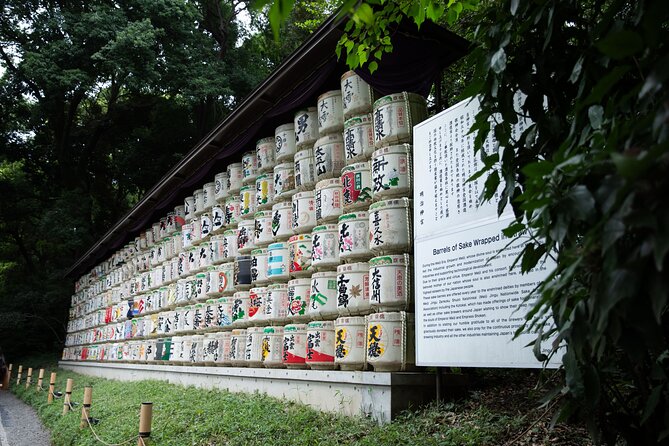
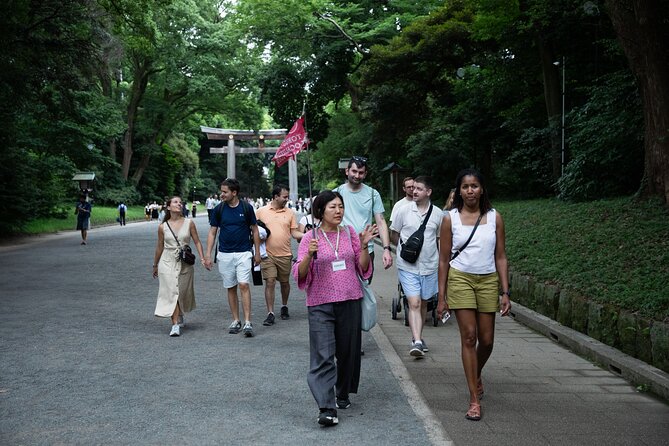
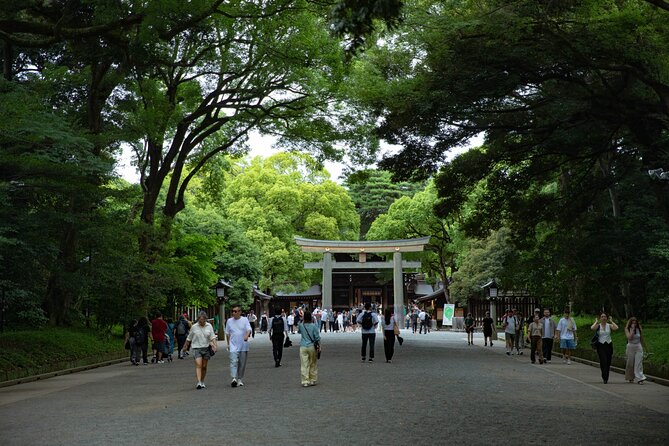
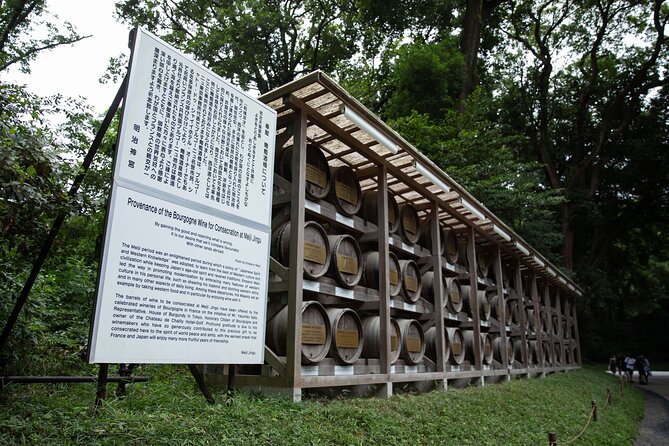
The tour begins with Meiji Jingu Shrine, and that’s a smart move. Starting here puts you in a different Tokyo gear immediately: away from shopping noise and into a tree-lined approach that feels like it belongs to another planet. The route includes the iconic torii gates and then a walk through a lush forest area—about 70 hectares—which is a huge setting for a city that otherwise runs fast.
This stop is also where the guide support matters most, especially if you’re new to Shinto sites. Based on what guides like Hiroko and Miyu tend to focus on, you’ll get practical help with how to visit respectfully—what etiquette looks like, plus context about what you’re seeing. If it’s your first shrine in Japan, having that guidance can turn the visit from something you just observe into something you understand.
What to do at this stop:
- Treat the first minutes like a breather. Don’t rush past the gates.
- Watch how the space changes as you walk deeper—this is part of the shrine experience.
- Use the guide’s cues for respectful behavior, rather than guessing.
If you’re the kind of traveler who likes silence, you’ll like this. If you’re the kind of traveler who wants the shortest possible visit, you might wish for a bit more time here, because 40 minutes goes by quickly when the setting actually encourages slowing down.
Takeshita Street: youth-style shopping with a plan, not just crowds
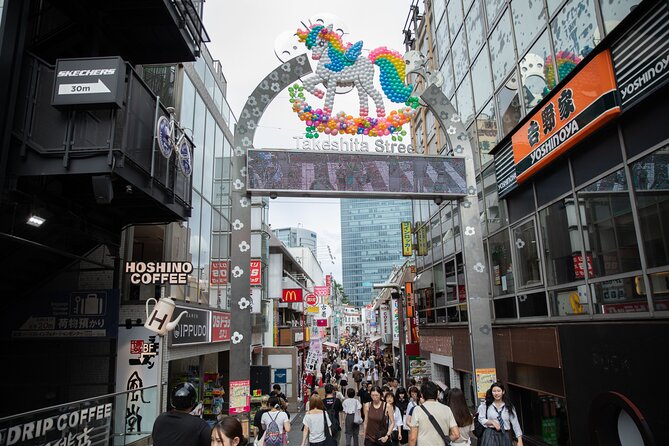
Next up is Takeshita Street, the famous 400-meter pedestrian lane that people associate with Harajuku’s youth culture. Think color, quick browsing, quirky accessories, themed shopfronts, and the feeling that every storefront has its own personality.
This stop is about 30 minutes, which is a very deliberate chunk of time. It’s long enough to experience the vibe and do a little window-shopping, but short enough that you don’t burn your entire afternoon stuck in the same corridor of people. Having a guide here helps because you don’t waste energy asking, Now where do I go next?
A realistic expectation: this area can feel intense because it’s narrow and geared for nonstop foot traffic. The small group size (max 15) helps, but it’s still a high-energy walking environment. If you hate crowds, you’ll probably prefer using this time for browsing from the edges and letting the guide manage the flow.
What I’d do if I were you during that half-hour:
- Keep your eyes moving. The fun is in the mix of shops and styling.
- Decide in advance if you’re buying souvenirs or just collecting photos and ideas.
- Ask your guide for quick context about what you’re seeing, so the shopping zone becomes more than just visual noise.
Omotesando: designer boulevard strolling after the chaos
The final stop is Omotesando, often compared to the stylish Paris boulevard vibe—tree-lined, wide, and known for major retail and striking modern architecture. If Takeshita is all cramped energy, Omotesando feels like the “breathing space” version: a clearer view of buildings, a more relaxed strolling rhythm, and a better setting for noticing how Tokyo mixes big design with everyday pedestrian life.
This stop is about 20 minutes, so treat it like a graceful finish rather than a shopping marathon. You’ll likely appreciate the architecture angle here because it gives your brain a new visual pattern after the tight lanes of Takeshita.
Practical way to use the time:
- Walk at a slower pace than Takeshita. Look up.
- Use the guide to spot what’s architecturally interesting, not just what’s expensive.
- If you want to shop, do it with a plan—this is the last scheduled stop.
Why the guide experience matters more than the route alone
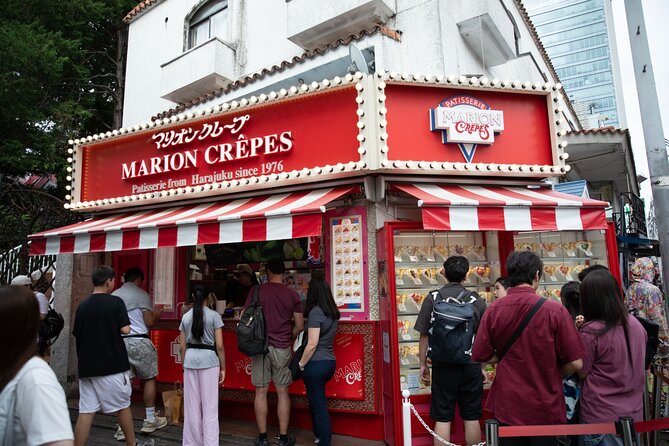
You could technically do this loop on your own. But the real value of this tour is what the guide adds to the walk—especially in the parts that are easy to misunderstand as a visitor.
For starters, you don’t just get directions. You get insider stories and Tokyo facts you’d likely miss wandering solo. That turns a list of famous stops into a coherent mini-story about how Tokyo balances tradition and trends.
Then there’s the pacing. The tour is structured and not overly strenuous. That matters in Harajuku, where solo sightseeing can turn into stop-start frustration. With a small group, you get a more relaxed feeling, plus the chance to ask questions without feeling like you’re holding everyone up.
Finally, pay attention to how the guides teach. From what I’ve seen described in the guided experience (including Miyu and Hiroko), the best parts are the way they explain history and culture without turning into a lecture that outlasts your attention span. One guide style detail you’ll likely appreciate: they’re known for being clear and for answering questions, which makes the whole shrine-and-street contrast land better.




Price and value: is $25 worth it?
At $25 per person, this tour sits in the “serious value” lane for central Tokyo walking. Here’s why: you’re paying for (1) guided time, (2) a planned route that reduces decision fatigue, and (3) admission handled along the way.
Even though the itinerary’s stop with admission is listed as free, the important part for your wallet is less the ticket price and more the convenience. You avoid the hassle of figuring out what’s needed and when, and you get a guide who helps you make sense of the shrine visit instead of just ticking it off.
Also, the small-group cap of 15 supports the value. If this were a mega-tour, it would be easier to feel ignored. Here, the format is built to keep conversation possible and the walk comfortable.
My quick take on value:
- If you’re a first-time visitor and want to get oriented fast, this feels like a good deal.
- If you hate guided tours, you might feel like you could save money DIY.
- If you want etiquette help at Meiji Jingu, you’re paying for something you can’t easily replicate with a phone.
What to expect on the walk (so you’re not surprised)
This is a straightforward walking tour, with scheduled time at three major spots. The overall duration is about 2 hours, and the route is built for a mix of interests: sacred space, youth fashion energy, and modern architecture.
What you can count on:
- Meiji Jingu first, when the mood is calmer and you’re more likely to slow down.
- A quick, focused taste of Takeshita Street rather than getting lost in it.
- A finish in Omotesando, where strolling feels easier and the scenery is different.
What you should plan for:
- Comfortable shoes. You’ll be on your feet moving between zones.
- A phone that can handle the day. The tour uses a mobile ticket, so you’ll want your device accessible.
- The emotional rhythm of Harajuku: shrine calm to street buzz in one day. That shift is the point.
Who should book this Harajuku Meiji Jingu walking tour?
This is a strong fit if you:
- Want a first-time Harajuku plan that covers the big “musts” without turning into chaos.
- Appreciate explanations—especially around shrine etiquette and what you’re looking at.
- Like the contrast between old and new Tokyo: forest tradition, youth-style street life, and modern architecture boulevard.
- Prefer a small-group format where you can ask questions.
It might be less ideal if you:
- Want hours and hours of shopping time on Takeshita Street. The stop is about 30 minutes.
- Want a deep, slow shrine meditation experience. This is planned sightseeing, not a long retreat.
The best way to combine this tour with the rest of your day
Think of this as your “set the foundation” tour. After it ends around HARAKADO at Tokyu Plaza Harajuku, you’ll be positioned perfectly to extend your day.
Here’s how to make it pay off:
- If you’re shopping, decide what you want from each zone. Takeshita is where you browse fast; Omotesando is better for a calmer look at designer storefronts.
- If you’re into photos, aim for the shrine walk for soft, quiet shots, and then accept that Takeshita images will be busy because it’s a high-foot-traffic corridor.
- If you’re new to shrines, use the guide’s etiquette guidance as your starting point for any future visits in Tokyo.
Should you book?
I’d book this if you want a smooth way to see Harajuku’s two biggest identities—Meiji Jingu and Takeshita Street—plus a clean architectural finish in Omotesando, all in a small group with a guide who can explain the parts that are easy to misunderstand on your own. It’s also a smart use of time if you only have a couple hours and you’d rather follow a plan than gamble on directions and etiquette.
If you’re the type who hates structured itineraries or you want to spend long hours shopping, you might prefer a DIY day. But for most people, this hits the sweet spot: high-impact highlights with real context.
FAQ
How long is the Harajuku Meiji Shrine Walking Tour?
It lasts about 2 hours.
What is the group size limit?
The tour has a maximum of 15 travelers.
Where do you meet and where does the tour end?
You start at Harajuku Station (1 Chome-18 Jingumae, Shibuya, Tokyo). The tour ends at Tokyu Plaza Harajuku HARAKADO in the Harakado area.
Is there a mobile ticket?
Yes. The tour uses a mobile ticket.
Is admission included?
Yes. The tour includes the admission fee, and the listed stop at Meiji Jingu Shrine shows admission as free.
Can I cancel for a full refund?
Yes. You can cancel for a full refund if you cancel at least 24 hours before the experience starts.