REVIEW · TOKYO
Tea Ceremony Workshop in Tokyo by the Experienced Instrucor
Book on Viator →Operated by 静心 · Bookable on Viator
Matcha, served with manners. In Asakusa, this one-and-a-half-hour workshop guides you through Chado step by step, from a formal koicha moment to making your own thin usucha.
I love the Urasenke-licensed instruction and how clearly the host explains what you’re doing. I also love the hands-on matcha part: you don’t just watch—you whisk, pour, and taste.
One consideration: the tea room sits on the second floor in a 1940s house with a steep staircase, and there’s no machine help up.
In This Review
- Key highlights at a glance
- Tea Ceremony Workshop in Tokyo: What This Really Feels Like
- The Pre-Ceremony Flow: Sakura Tea, Chado Video, and Quiet Setup
- Koicha Performance and Tasting: Thick Matcha and Samurai-Era Roots
- Usucha Hands-On Workshop: Make Thin Matcha With Foam
- Sweets, Tea Bowls, and the Art of Paying Attention
- Tatami Time Made Easier: Socks, Seating Options, and Dress Code
- Asakusa Logistics: Meeting Point, the Correct Address, and Getting There
- Value for $38.47: Why This Is More Than a Matcha Tasting
- Who Should Book This Tea Ceremony Workshop (and Who Might Skip It)
- Should You Book This Tea Ceremony Workshop in Tokyo?
- FAQ
- Where does the workshop meet in Tokyo?
- What is the duration of the tea ceremony workshop?
- How much does it cost?
- What will I learn and do during the workshop?
- Will I taste both koicha and usucha?
- Is there a dress code?
- Do I have to sit seiza-style on the tatami mats?
- What are the age requirements?
- How many people are in a group?
- Is it near public transportation?
- Is there free cancellation?
Key highlights at a glance
- Sakura tea welcome drink to set the tone before you sit down
- 10-minute Chado intro video so you know what you’re seeing and tasting
- Koicha tasting and tea-bowl lessons with strong matcha plus bowl variety
- Make usucha yourself in a hands-on lesson with foam-topped thin matcha
- Tasty sweets throughout including local Japanese confectionary and dry sweets before usucha
- Small group format (max 6) for a calmer, easier experience
Tea Ceremony Workshop in Tokyo: What This Really Feels Like
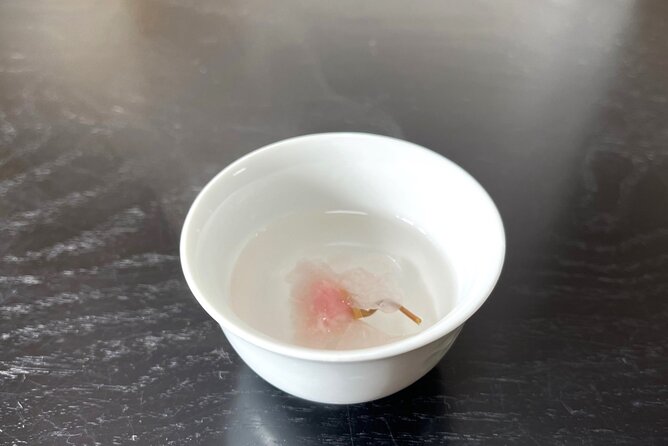
This isn’t the kind of tea experience where you stand at the back and hope you catch the steps. It’s a structured, guided Chado session that gives you context first, then lets you participate. The pace is also very traveler-friendly: about 1 hour 30 minutes, so you get the meaning without committing to a half-day ritual.
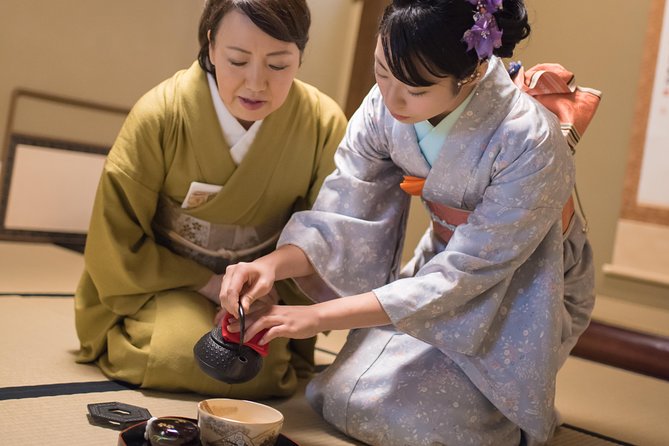
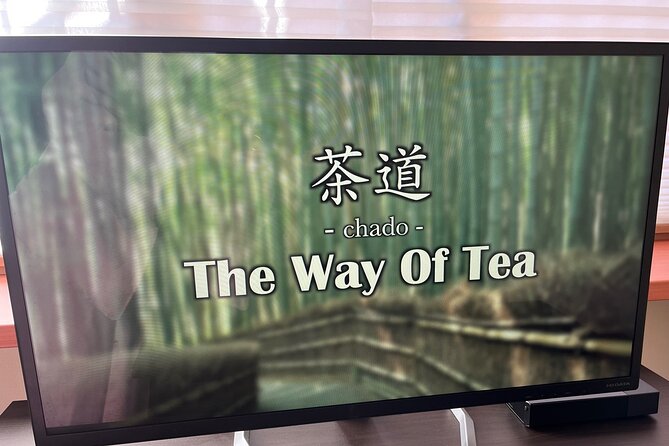
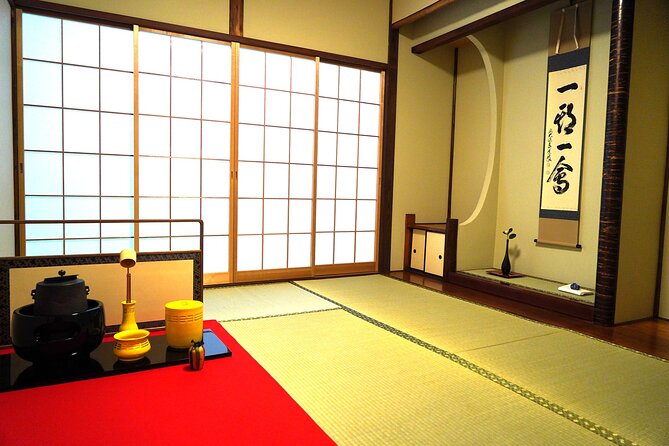
You start with a short welcome (a Sakura tea drink served by the host), then you move into learning mode. There’s a 10-minute introduction video that covers the history and the core concepts of Chado, which helps the rest of the session make sense. Then the group settles into a traditional tearoom with tatami mats, where you get a calm, meditative break from the noise of Tokyo.
What I especially liked is that you’re not only tasting matcha—you’re learning how the ceremony’s choices shape the experience. The session includes both thick and strong koicha and thinner usucha, plus a look at different tea bowls and how shape changes the feel and taste.
You can also read our reviews of more tours and experiences in Tokyo



The Pre-Ceremony Flow: Sakura Tea, Chado Video, and Quiet Setup
Before you ever touch matcha tools, you get a gentle landing. The host serves a cup of Sakura tea as your welcome drink, which is a nice way to start with atmosphere rather than information overload.
Then comes the short classroom moment: an introduction video that runs about 10 minutes. It’s not a long documentary-style thing. It’s meant to give you the basics so you understand why people move slowly, why the setting matters, and why the ceremony focuses on presence instead of performance speed.
After that, you transition into the tearoom time. There’s also a meditation component where you’re encouraged to leave the mundane affairs of the world behind. It’s simple, but it changes how you experience the tasting. If you’ve been sprinting between temples, this part is a reset button.
The tea room itself is traditional and functional: tatami mats, ceremony space, and the kind of quiet you don’t get on the street. Just plan ahead—this house is old (built in the 1940s) and the room is on the second floor.
Koicha Performance and Tasting: Thick Matcha and Samurai-Era Roots
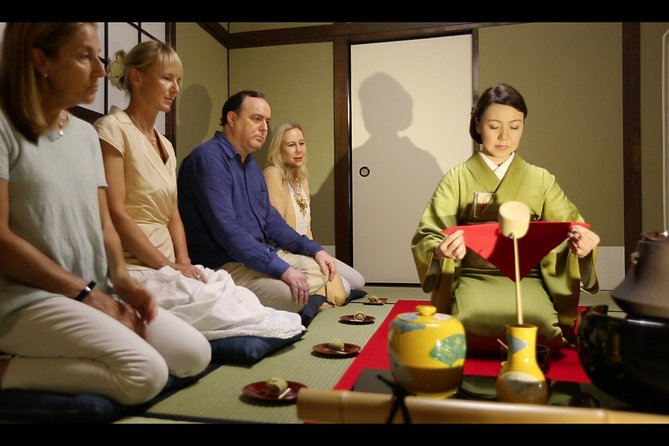
In most intro classes, you’ll see one style of tea and call it a day. Here, you get the formal performance for koicha, described as the main matcha tea of the ceremony and tied to the original form drunk by samurai.
Koicha matters because it’s thick and strong. You’ll taste it as its own experience, not just as a preview of what you’ll make later. The host demonstrates the steps formally, then you get to taste and notice the difference between thick matcha character and the later thin, foamy style.
Right after you taste koicha, there’s a useful lesson that’s easy to skip in many workshops: tea bowl variety. You learn that bowls come in different shapes from different regions, and those shapes change how the tea experience feels on the palate. Even if you’re not a tea nerd, this helps you understand why Chado treats the bowl like part of the story.
Between the tasting and the bowl explanation, you’ll likely start noticing textures: koicha feels heavier, thicker, and more grounded. It’s the kind of tea that slows you down.
Usucha Hands-On Workshop: Make Thin Matcha With Foam
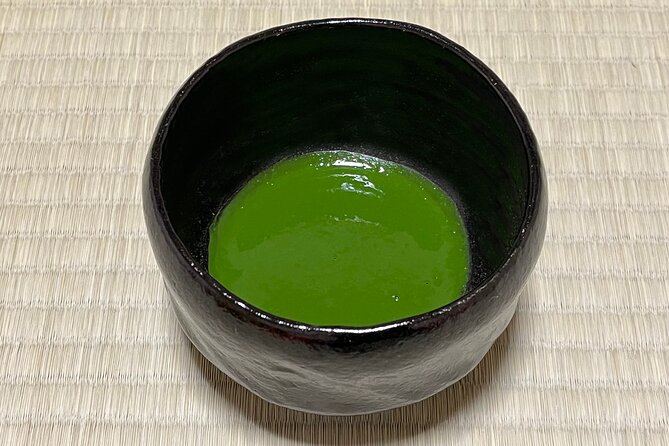
Now for the fun part. You shift from watching to doing, with a hands-on lesson to make usucha—the thin matcha with a thick foam on top. This is the workshop’s payoff: you don’t leave with only a memory of matcha. You leave with a fresh sense of how it’s made.
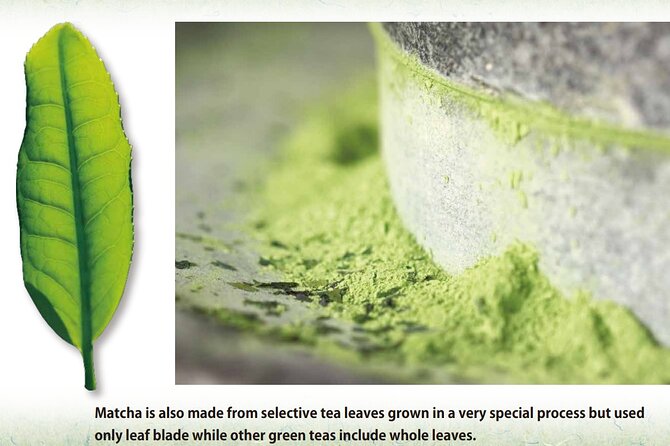
The process is guided, step-by-step. You’ll also learn about matcha powder itself—what it is and why it works in this context. That matters because matcha isn’t just flavored tea powder; it’s designed for whisking into a drink with foam and a specific feel.
Before you drink your usucha, you’ll get dry sweets. Then you finish with the usucha tasting. The sweet-before-sips rhythm is classic for balancing flavors, and it makes the matcha feel less sharp and more rounded.
One practical tip: even though this is a calm ritual, expect to handle tools and learn the steps. If you’re the type who likes clear directions and a structured activity, you’ll likely enjoy how the host organizes the flow.
Sweets, Tea Bowls, and the Art of Paying Attention
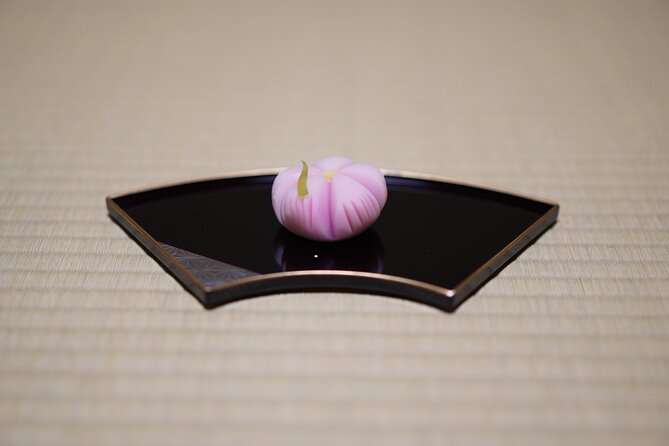
The session builds in more than just matcha. You get traditional Japanese sweets in multiple parts of the workshop, including three kinds of local Japanese confectionary plus additional dry sweets before you drink usucha.
This isn’t random snacking. It supports the tea learning. The sweets help reset your palate so you can actually notice the difference between koicha and usucha instead of just thinking matcha is all the same.
The bowl lesson also adds real value. Tea bowls aren’t “cute cups.” In Chado, they affect the sensory experience. Learning that bowls vary by region and shape gives you a framework. Afterward, when you see matcha gear in shops, you’ll understand why certain bowls look the way they do—and why shape matters.






Tatami Time Made Easier: Socks, Seating Options, and Dress Code
This is where many tea workshops lose points with first-timers, but this one gives clear rules. The biggest things:
- Socks are required in the tea room. You can’t be barefoot. Bring socks with you.
- Miniskirts and tight pants are not recommended. You want clothing that lets you move comfortably.
- You do not have to sit in seiza (kneeling style) on tatami mats.
- If you can’t sit on the tatami mats any way you need, a chair can be provided.
So you can participate without turning the experience into a stretching contest. Still, plan for tatami comfort: go slow at the start, and let your body find a position that feels steady.
Also, because it’s a second-floor tearoom in an old building, you’ll want to take the staircase seriously. You might be fine on it, but the wording about steepness and no assistance means you should not treat it casually.
Asakusa Logistics: Meeting Point, the Correct Address, and Getting There
This workshop meets at 2-chōme-3-12 Kotobuki, Taito City, Tokyo 111-0042 in Asakusa. There’s an important detail: the Google map address can show 2-3-3, but the correct address is 2-3-12. Before you set out, I’d confirm the number on your route plan so you don’t waste time hunting.
It’s also near public transportation, which is great for Asakusa. You won’t need complicated rides, just a walk and a couple street turns.
Timing-wise, the workshop offers multiple start times, which is helpful if you’re squeezing in a cultural activity between temple visits and street food stops. The session ends back at the meeting point.
One more thing you should keep in your head: the house has a weight capacity limit. The group size is listed as maximum 6 travelers, but if a safety balance is needed, you may be asked to change the schedule. If you’d like to talk about that in advance, it’s worth doing—especially if anyone in your group has mobility limits or mobility concerns.
Value for $38.47: Why This Is More Than a Matcha Tasting
At $38.47 per person, the price looks low for what’s included—if you think of it as a mini-education plus hands-on practice. You get:
- A Sakura tea welcome drink
- A 10-minute Chado intro video
- Time in the tearoom with meditative pacing
- A formal koicha performance and tasting
- A lesson on tea bowls and how variety affects the experience
- A hands-on lesson to make usucha (thin matcha with foam)
- Learnings about matcha powder
- Sweets at different points, including multiple local Japanese confectionary and dry sweets
That combination is why this feels fair value. You’re paying for instruction, tasting variety, and participation—not just a one-bite sampler.
Also, this is run through a school licensed by the Urasenke Chado School in Kyoto. That matters because it signals the training system behind what you’ll be taught, not just a casual demonstration. In plain terms: you’re more likely to leave with correct habits and clearer understanding.
Who Should Book This Tea Ceremony Workshop (and Who Might Skip It)
You’ll probably love this if you:
- Want a calm cultural break that doesn’t require lots of outdoor walking
- Like hands-on activities (whisking and pouring your own usucha)
- Want both history context and practical steps
- Travel as a couple, friends, or a family with older kids (minimum age 10 years)
It might not be the best fit if you’re:
- Hoping for a super-long, traditional-style ceremony lasting hours. This is intentionally a shorter workshop format.
- Sensitive to stairs. The tea room is on the second floor and the staircase is steep, with no equipment assistance.
- Only interested in tasting matcha with no etiquette or ceremony framing. This experience is built around Chado concepts and process.
Should You Book This Tea Ceremony Workshop in Tokyo?
If you’re choosing between doing one “Japanese culture” activity versus another, I’d put this near the top—mostly because you get both viewing and participation. The combination of a Urasenke-licensed school background, a short learning intro, koicha tasting, and then your own usucha making is a strong package for the time.
Book it if you want something peaceful and well-structured in Asakusa, with rules explained clearly and a setting that slows you down. Just make your peace with two things ahead of time: bring socks and plan for the second-floor stairs.
FAQ
Where does the workshop meet in Tokyo?
It meets at 2-chōme-3-12 Kotobuki, Taito City, Tokyo 111-0042. There is a note that Google maps may show a different number, so use 2-3-12.
What is the duration of the tea ceremony workshop?
The workshop is approximately 1 day 1 hour 30 minutes.
How much does it cost?
The price is $38.47 per person.
What will I learn and do during the workshop?
You’ll learn about Chado with a brief introduction video, watch a formal koicha ceremony, taste koicha, learn about tea bowls, and take part in making and tasting usucha.
Will I taste both koicha and usucha?
Yes. The experience includes a koicha tasting and a hands-on lesson to make and enjoy usucha.
Is there a dress code?
Yes. Miniskirts and tight pants are not recommended. Bare feet are not allowed in the tea room, and you must bring socks.
Do I have to sit seiza-style on the tatami mats?
No. You don’t have to sit in seiza. If you cannot sit on the tatami mats comfortably, the workshop can provide a chair.
What are the age requirements?
The workshop is designed for participants 10 years old and above.
How many people are in a group?
The maximum group size is 6 travelers. The house also has a weight capacity, which could affect timing if balancing is needed for safety.
Is it near public transportation?
Yes, the meeting point is near public transportation.
Is there free cancellation?
Yes. You can cancel up to 24 hours in advance for a full refund. If you cancel less than 24 hours before the start time, the amount paid is not refunded.