REVIEW · TOKYO
Tokyo: Toyosu Tuna Auction &Tsukiji Market Gourmet Adventure
Book on GetYourGuide →Operated by JRT Group · Bookable on GetYourGuide
Getting to the tuna auction is like joining a live trading room. This tour starts in Toyosu before the city fully wakes up, then sweats the details of fish grading, pricing, and buying—followed by a proper market morning in Tsukiji.
What I like most is the pairing of the 2nd-floor auction viewing with real-time explanations through a personal audio guide, so you’re not just staring at glass. I also really value the practical food payoff: Toyosu breakfast plus a guided route through both markets, where you learn what to look for and what to buy.
One consideration: it’s an early start with extended walking, and there are strict limits (no photos, and the tour can’t do vegetarian/halal/gluten-free). If you’re mobility-limited or you want a slow, casual morning, you may find it too structured and too cold.
In This Review
- Key things to know before you go
- 5 AM at Toyosu: What You Actually See on the Deck
- The Audio Guide Turns Hand Signals Into Real Meaning
- Toyosu Breakfast: Where the Morning Stops Being Abstract
- Your Toyosu Market Walk: From Fish You See to Supply Chains You Understand
- Transfer Time to Tsukiji: Expect Old-Market Mood
- Tsukiji Stroll: Small Shops, Take-Home Seafood, and What to Buy
- Toyosu vs Tsukiji: Modern Auctions, Traditional Stalls, Same Goal
- Seasonal Auction Cycles and Off-Season Seafood Options
- Practical Stuff That Makes the Morning Work (or Doesn’t)
- Is the 1st-Floor Lottery Worth It?
- Who Should Book This Tuna Auction and Tsukiji Morning?
- Should You Book This Tour?
- FAQ
- What time does this tour start and end?
- Where is the meeting point?
- Is hotel pickup included?
- How do I get to the meeting point if public transport isn’t running?
- Will I be able to see the tuna auction up close?
- How does the 1st-floor viewing lottery work?
- Are there days when the tuna auction doesn’t run?
- Is breakfast included, and what kind is it?
- What should I bring?
- Can the tour accommodate vegetarian or other special diets?
Key things to know before you go
- 2nd-floor viewing is the default, with audio that explains the action and what the auction signals mean
- Toyosu breakfast is part of the experience, with menus adjusted to what’s actually available that morning
- A pro-guided Toyosu walk helps you understand the seafood supply chain you’re seeing with your own eyes
- Tsukiji is the contrast half: smaller shops, kitchenware, and take-home seafood
- A 1st-floor auction lottery exists, but only selected participants get closer access
- No auctions on certain days (Wednesdays, Sundays, and Japanese public holidays), so check the market schedule
5 AM at Toyosu: What You Actually See on the Deck
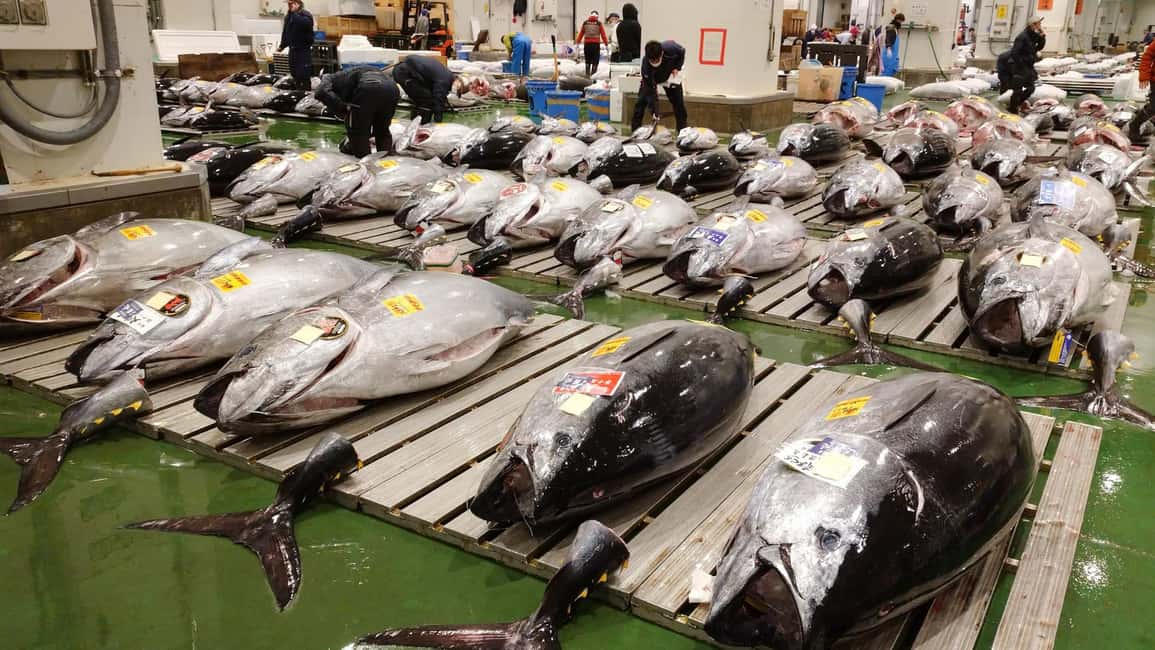
Your morning begins around 5:00 AM at Lawson Toyosu Market Senkyaku Banrai. You want to arrive about five minutes early so you don’t miss the group briefing and start time. Since public transit may not run that early, plan on getting there by taxi/Uber—this is one of those Tokyo moments where timing beats effort.
From the public observation area on the 2nd floor, you’ll watch bluefin tuna grading and the trading that follows. Even without standing on the auction floor, you’ll get a clear view of the flow: fish arrive, the market work happens fast, and buyers move with purpose. The key is that you’re not just looking at shiny tuna—your guide frames what you’re seeing, so the process makes sense.
If you’re hoping for the closest possible angle, there is an optional 1st-floor viewing lottery. When you’re not selected (and in December there’s no lottery), you still get the full morning experience from the 2nd-floor deck with audio support. That matters because the tour is designed as a complete “understand the system” morning, not a one-minute photo op.
You can also read our reviews of more shopping tours in Tokyo
The Audio Guide Turns Hand Signals Into Real Meaning
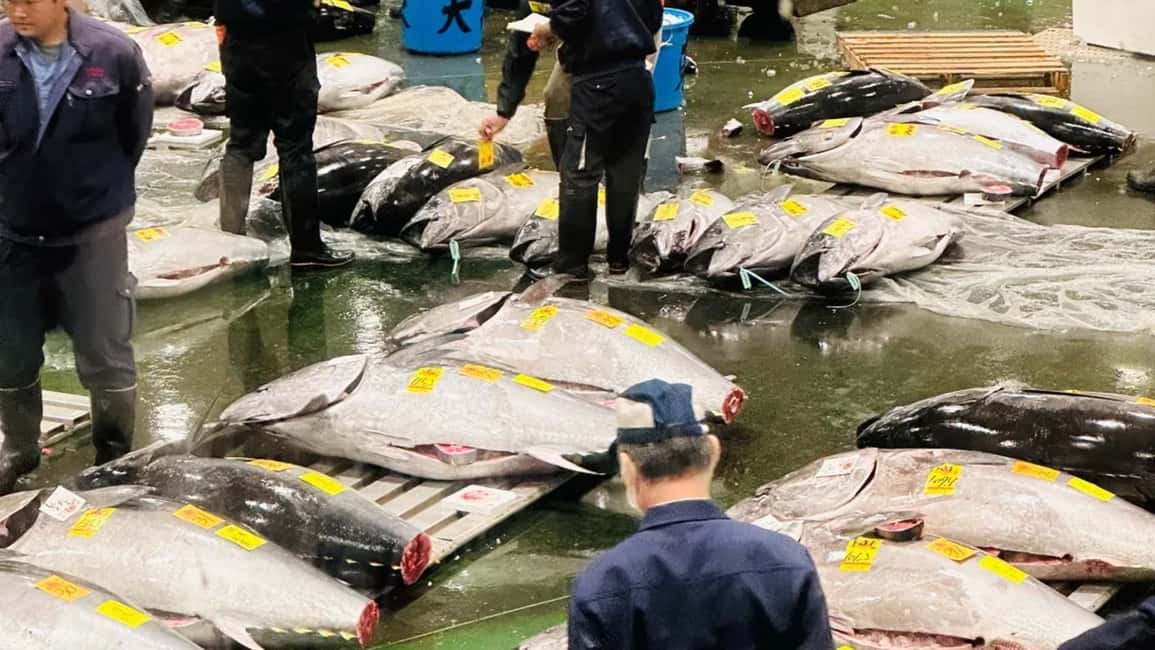
Here’s what makes this tour feel different from a generic market walk: each participant receives a personalized audio guide. Your guide is decoding the live hand signals and auction cues in real time, while you’re positioned up on the deck.
That audio layer is the difference between watching activity and understanding decisions. Tuna auctions move quickly, and the grading and bidding signals can be hard to interpret if you don’t know the language of the room. With the commentary running during the viewing window, you can track what’s happening as the auction progresses—what’s being called, why that matters, and how the buyers are reacting.
I also like that the audio approach helps you stay present. Instead of trying to lean in, point, and guess, you can listen and take in the scene as it happens. Guides in recent departures—people like Tim, Ethan, Lin, and Eon—are repeatedly praised for organizing the morning and communicating clearly, which pairs well with the audio format. (Your guide language is Chinese or English, depending on the group.)
One rule to respect: no photography and no loud talking during the auction. The deck is there for observation, and you’ll have a better experience if everyone keeps it quiet.
Toyosu Breakfast: Where the Morning Stops Being Abstract
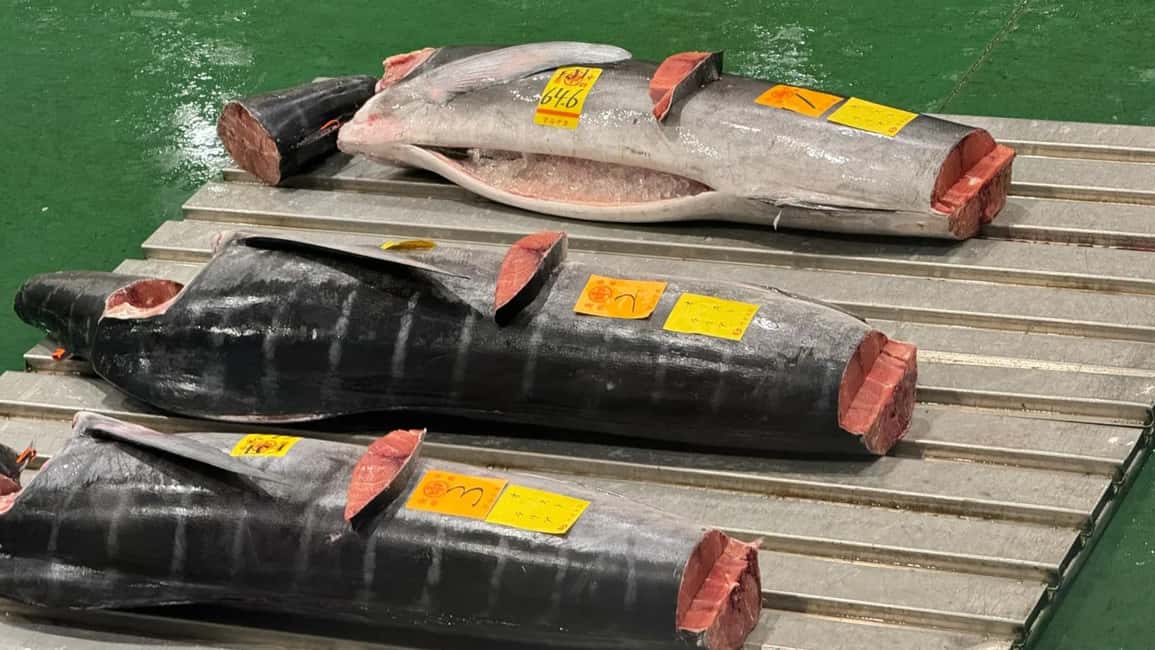
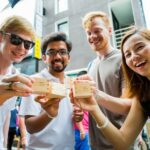
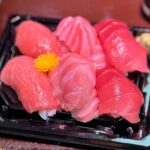
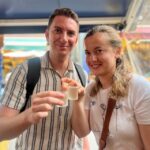
At about 6:30 AM, the schedule shifts from watching to eating. Breakfast runs roughly 45 minutes at Toyosu Market, and it’s not just a token snack. Daily menus reflect what’s available that morning, so you’re tasting what the market can actually serve—not what a restaurant wrote on a brochure months ago.
Expect seafood options with the texture and flavor that only early-morning freshness delivers. One of the best parts is that you get a sense of the range of tuna cuts and how they change the taste depending on how they’re prepared. Several guides’ recommendations show up in the morning itself—like the idea of trying tuna both fresh and in different styles—so you come away with practical instincts for later meals.
A quick heads-up: infant meal details are excluded, and there can be age restrictions for some tastings. Also, the tour can’t accommodate vegetarian, halal, or gluten-free diets, so plan accordingly if you’re traveling with dietary needs.
Your Toyosu Market Walk: From Fish You See to Supply Chains You Understand
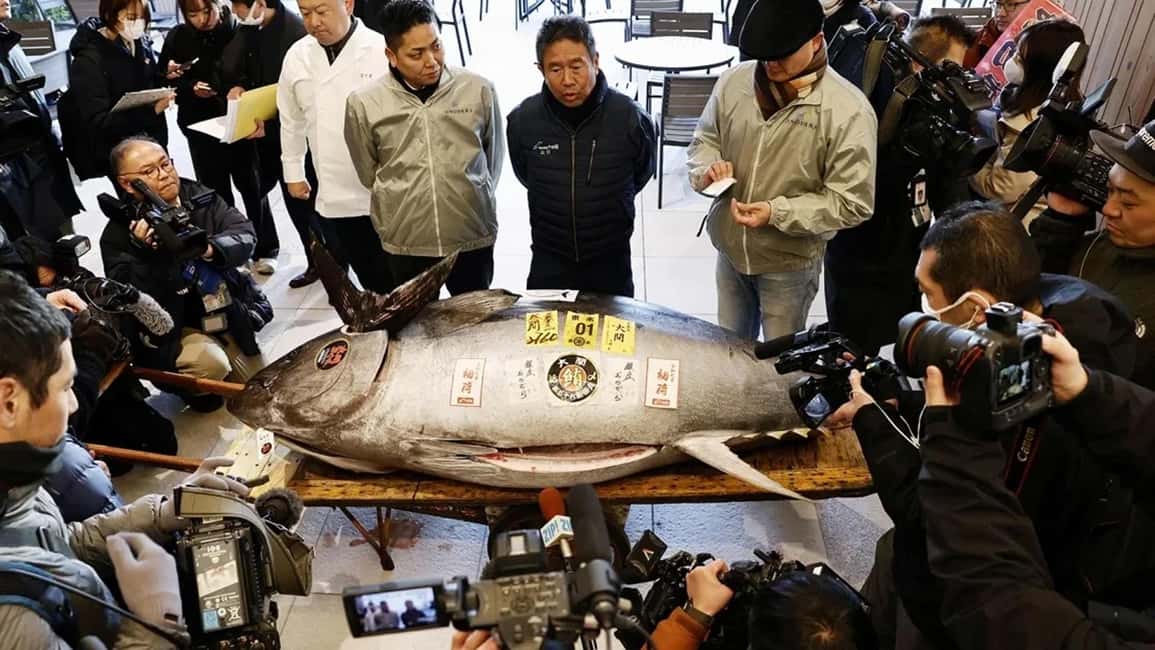
After breakfast, you’ll move into the broader Toyosu market portion. This lasts about 30 minutes and is led by your professional guide. The point isn’t to rush you through stalls; it’s to show you what’s happening on-site—processing steps, handling practices, and how ingredients move through the system.
This is where the tour becomes useful for planning your food days after you leave. Once you understand what grading means and how different buyers prioritize, you’ll shop differently later. You’ll be more likely to ask good questions at restaurants. You’ll know what to look for in case you want to return to the area on your own.
A common theme in strong guide feedback is organization and the ability to answer questions on the spot. Guides like Tim (often mentioned for detailed explanations) also tend to share practical precautions—how to avoid tourist traps and how to pick seafood that matches what you actually like to eat.
Transfer Time to Tsukiji: Expect Old-Market Mood
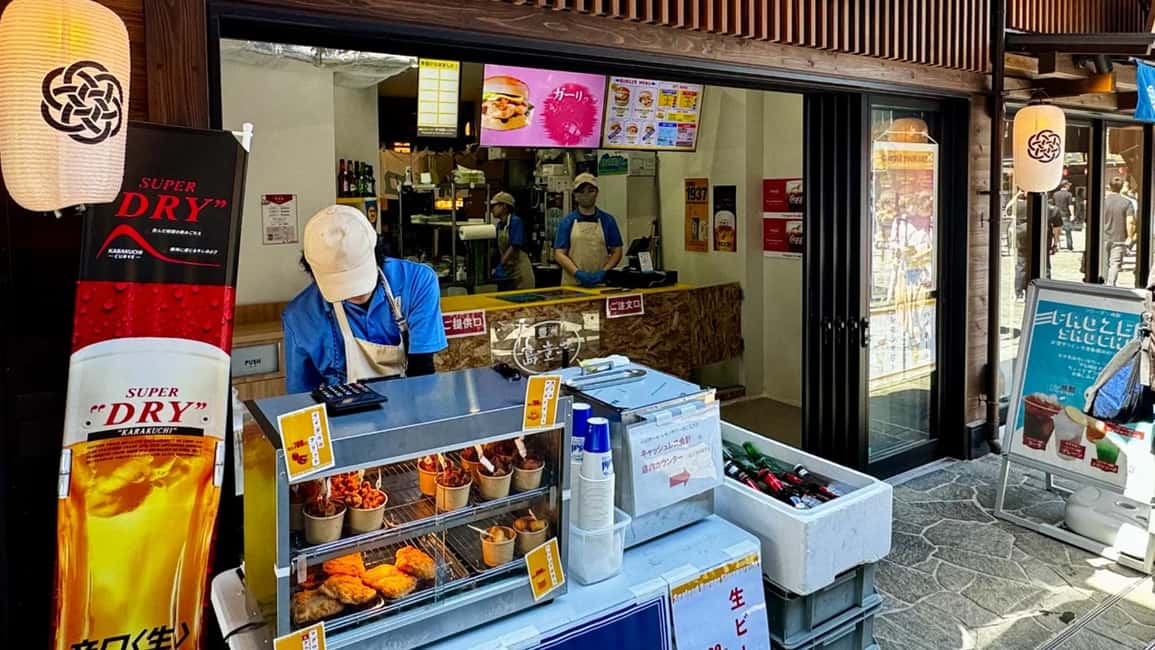
Around 7:45 AM, you transfer from Toyosu to Tsukiji. Transportation costs are included, and your guide helps coordinate the move so you don’t waste precious morning time figuring out routes.
This transfer is more than a commute—it’s the “two Tokyo food worlds” shift. Toyosu is the modern trading center with efficient operations. Tsukiji is the older, smaller-scale market vibe where you’ll find lots of compact shops: food to take home, cookware and kitchen tools, and street-level browsing that feels more hands-on.
By the time you arrive in Tsukiji, you’ll have momentum from the auction experience. That’s important. If you go in cold—no context—you might treat Tsukiji like just another place to snack. With the auction and Toyosu supply-chain context in your head, the Tsukiji stalls start to make sense as a continuation of the seafood system you just watched.
You can also read our reviews of more tours and experiences in Tokyo
Tsukiji Stroll: Small Shops, Take-Home Seafood, and What to Buy
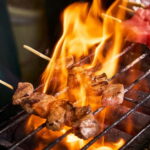
Your Tsukiji time runs from about 8:00–8:30 AM. This portion is shorter by design. The goal is not to cover everything. It’s to help you navigate toward the kind of vendors that match what you want to taste later.
You’ll explore market lanes with small shops selling seafood for take-home purchase, plus specialty items like kitchenware. If you like souvenirs that are actually edible or useful, this is a great window. You can also watch locals bargain and move with confidence—another reminder that the market runs on rhythm, not waiting for you.
One thing to keep your expectations aligned: the Tsukiji segment is guided browsing, not a deep dive into every shop. Some people may wish for more time here, but that’s usually the trade-off for getting the auction viewing and Toyosu breakfast. If you want extra Tsukiji time, think about staying in the area for your next meal day and returning on your own with a short checklist.
Also note the tour is described as having no photography. Keep your phone away unless your guide explicitly indicates otherwise.
Toyosu vs Tsukiji: Modern Auctions, Traditional Stalls, Same Goal
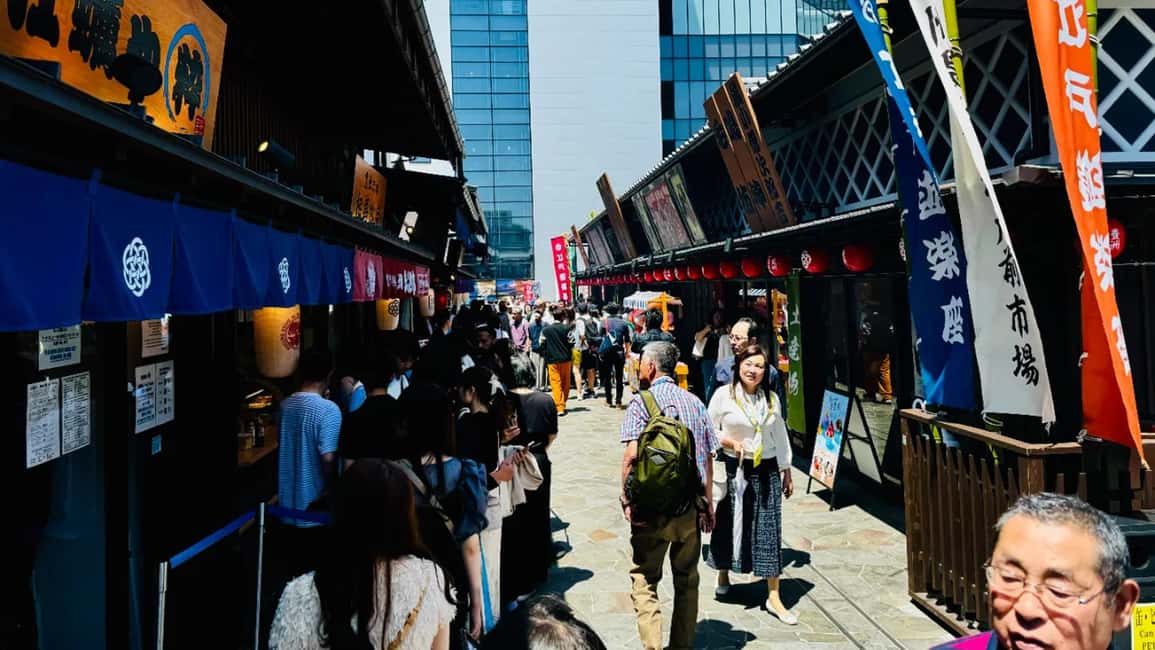
To make sense of both markets in one morning, I like thinking of them as two halves of the same story.
At Toyosu, the focus is trading and handling. You see grading and how buyers signal in real time. You eat what the market can serve right then. The whole morning makes Tokyo’s seafood system feel like a working machine.
At Tsukiji, the focus shifts to consumption and choice. You’ll see more small shop energy—less of the auction floor, more of the buying and prepping culture. The trading logic from Toyosu helps you understand why certain items show up, and why some vendors specialize.
This “modern to traditional” contrast is one of the reasons the tour is such good value if your goal is learning, not just tasting. It also helps you later when you try to order tuna. You’ll recognize that different cuts and styles reflect different priorities—quality, fat content, and how the fish will be used.
Seasonal Auction Cycles and Off-Season Seafood Options
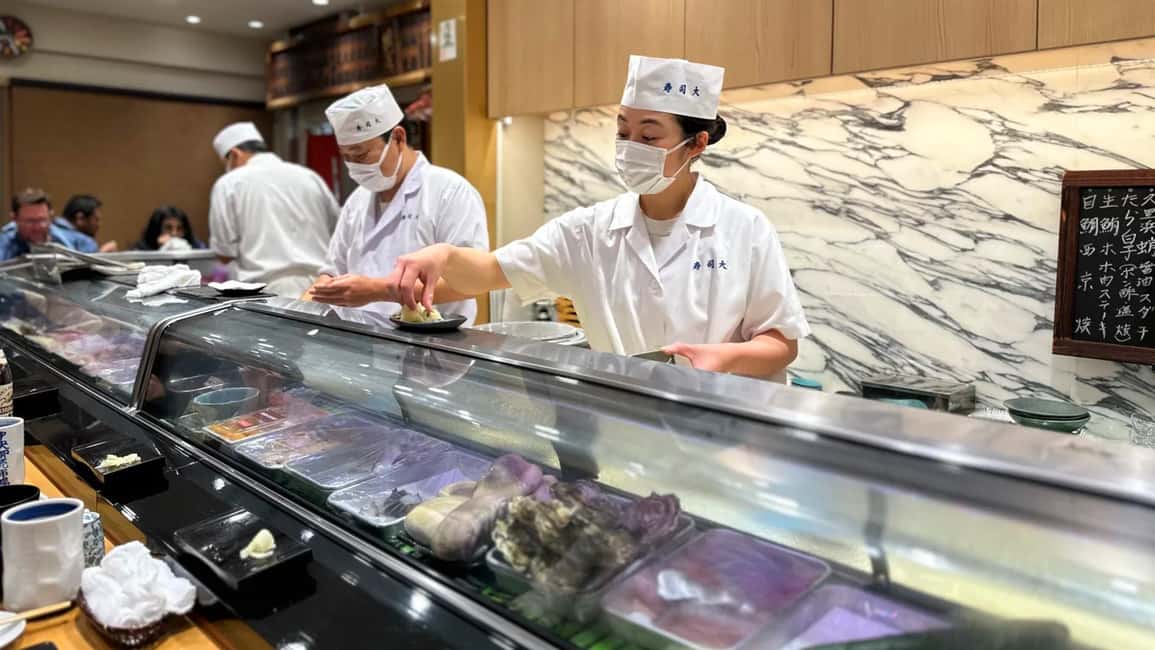
A big promise of this experience is insider tips on seasonal auction cycles and what to do off-season. While you can’t control the auction’s exact product lineup, your guide can help you interpret what’s available and how to adjust your expectations.
Here’s the practical takeaway: tuna auctions don’t stay frozen in the same pattern all year. When the specific flow of items changes, the best tasting plan changes too. Ask your guide what’s showing up that week and what alternatives are worth your attention. Off-season doesn’t mean disappointment—it just means you shift your focus to what’s at its best right now.
That approach is also useful if you’re traveling in a month with lighter tuna activity. You still get the auction viewing context, the market walk, and the breakfast experience, but you’ll want to follow your guide’s lead on what to taste and how to order. The best tours do that by design: they teach you the system so you can adapt.
Practical Stuff That Makes the Morning Work (or Doesn’t)
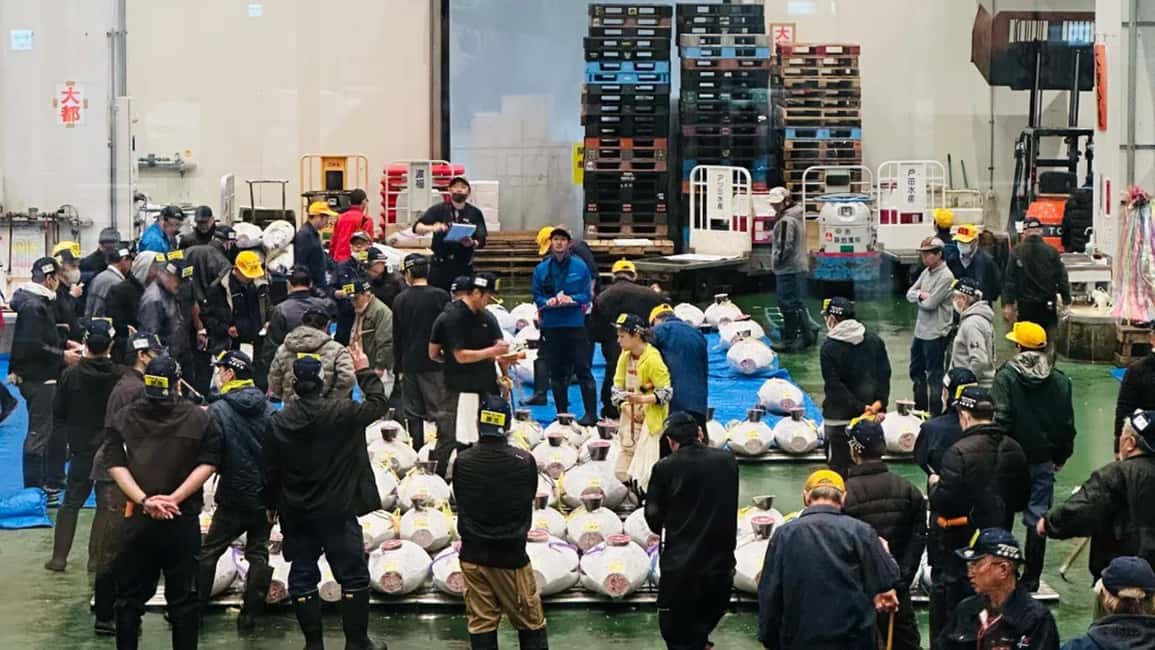
This tour is run for people who can handle an early start and simple rules.
Bring:
- Passport or ID card (especially relevant if you get selected for the 1st-floor lottery)
- Cash
Plan:
- Wear comfortable shoes for extended walking
- Dress for cold mornings; it can be chilly before daylight
- Keep warm layers easy to manage—breakfast won’t fix a bad cold start
Behavior:
- No photography during the auction experience
- No loud talking during the auction viewing
Group movement:
- It’s a small group tour with moderate walking sections, and your guide plans an efficient route to avoid missing core moments.
Diet and limits:
- The tour can’t accommodate vegetarian, halal, or gluten-free diets
- It’s not suitable for wheelchair users or people with mobility impairments
- People over 70 aren’t suitable, based on tour requirements
- Some food tastings may have age restrictions, so ask in advance if that matters for your group
Is the 1st-Floor Lottery Worth It?
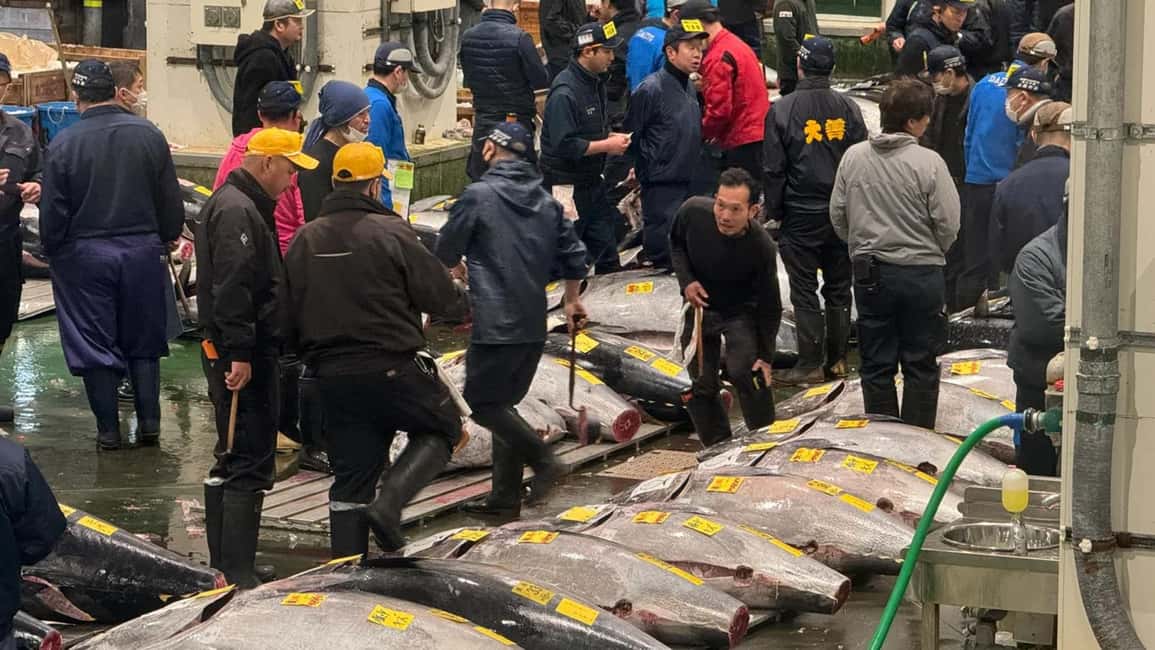
If you want the closest auction access, you’ll need to consider the optional 1st-floor viewing lottery. Lottery participation is tied to booking by the 5th of the preceding month and providing full names for registration. Selection is random with limited spots, so there’s no guarantee of being chosen.
Two important points from the tour details:
- You must bring your passport/ID if you win the 1st-floor lottery.
- In December, there is no lottery, and everyone observes from the 2nd floor with personalized audio guides.
If you don’t win, you’re not losing the main value. You still have the audio-decoded auction viewing, breakfast, and guided market context. So the lottery is a bonus target, not the foundation of the experience.
Who Should Book This Tuna Auction and Tsukiji Morning?
I think this tour fits best if you want more than sightseeing. You should book if you:
- Love food that comes with a story you can actually understand
- Want practical learning you can use to order tuna later
- Enjoy early mornings as long as the payoff is real
You might skip it if you:
- Need wheelchair access or have mobility limitations
- Rely on vegetarian/halal/gluten-free options
- Prefer a relaxed, slow market browse without strict rules or early departure windows
It’s also smart for solo travelers who like being guided through a complex place. Guides in recent groups have been praised for answering questions, keeping the group organized, and pointing people toward strong nearby food after the tour—like excellent sushi choices after the auction and breakfast.
Should You Book This Tour?
Yes, if your main goal is to understand the tuna auction and translate that into better food decisions in Tokyo. The value here is in the structure: audio-guided auction viewing plus Toyosu breakfast plus a guided market route that connects modern trading to traditional stall culture.
If you’re sensitive to early mornings, strict no-photo rules, or you need dietary accommodations, then this may not be the best fit. But if you can meet the basic requirements, you’ll come away with a market skill set—not just a souvenir stomach.
FAQ
What time does this tour start and end?
It starts around 5:00 AM and ends around 8:30 AM, with a total duration of about 210 minutes.
Where is the meeting point?
Meet at Lawson Toyosu Market Senkyaku Banrai. Arrive about five minutes early, and plan to be there by 5:00 AM.
Is hotel pickup included?
Pickup is optional and may require an add-on fee. Pickup is available for hotels/inns in Chiyoda Ward, Chuo Ward, and Taito Ward, with pickup around 4:20 AM.
How do I get to the meeting point if public transport isn’t running?
The tour notes that public transport may not run that early, so taxi/Uber is recommended.
Will I be able to see the tuna auction up close?
You’ll generally view the auction from the 2nd-floor public observation deck. A 1st-floor close-up viewing lottery is optional and random, with limited spots.
How does the 1st-floor viewing lottery work?
To be eligible for the 1st-floor lottery, you must complete booking by the 5th of the preceding month and provide full participant names. If selected, bring your passport or ID on the tour day.
Are there days when the tuna auction doesn’t run?
No auctions are scheduled on Wednesdays, Sundays, and Japanese public holidays. Check the market website for up-to-date details.
Is breakfast included, and what kind is it?
Yes, breakfast at Toyosu Market is included in the morning schedule. Menus are adjusted based on daily availability and restaurant hours. Meals for infants are not included.
What should I bring?
Bring a passport or ID card and cash. You’ll also need to provide a WhatsApp number.
Can the tour accommodate vegetarian or other special diets?
No. The tour cannot accommodate vegetarian, halal, or gluten-free diets, and it’s also not suitable for people with food allergies based on the provided information.