REVIEW · TOKYO
Tokyo : Must-see attractions private tour
Book on GetYourGuide →Operated by Guydeez · Bookable on GetYourGuide
Tokyo can be overwhelming—until you’re walking with a plan. This private, customizable walking tour keeps you focused on the sights you actually care about, with hotel meet-up so you’re not wasting time figuring out trains first.
I love how the guide doesn’t just point and photograph. You get practical pointers for what to do next in the city, plus real cultural context—like the etiquette reminder from Karl about quiet manners on public transit and not eating street food while walking.
One thing to consider: if you’re expecting deep historical and cultural explanations at every stop, the quality can vary by guide. Lucas came across as friendly, but lacking some of the basics; you’ll get the best results if you tell your guide what kind of info you want.
In This Review
- Key highlights worth knowing
- A Private Walking Plan for Tokyo, Your Way
- Hotel Meet-Up and Transit: Getting There Without Losing the Day
- Tsukiji Outer Market: Street Food Sense-Making
- Senso-ji Temple in Asakusa and the Thunder Gate Moment
- Meiji Shrine: Shinto Ritual Context and a Breather From the City
- Akihabara, Ginza, and Skytree: Big Tokyo Landmarks, Sorted by Your Interests
- Akihabara for electronics, anime, and gaming
- Ginza for shopping and city swagger
- Tokyo Skytree for panoramic payoff
- Odaiba, Ueno Park, and Roppongi Hills: Choose the Day’s Mood
- Odaiba for futuristic city energy and photo points
- Ueno Park for museums, culture, and seasonal moments
- Roppongi Hills for art, shopping, and museum time
- How the Best Guides Make the Pace Feel Right
- Price and Value: When $53 Per Person Makes Sense
- Who This Tour Fits Best
- Practical Tips for a 2–8 Hour Tokyo Day
- Should You Book This Tokyo Private Tour?
- FAQ
- How long is the Tokyo private walking tour?
- Where does the guide meet us?
- Is this a private tour or shared group?
- What languages does the guide speak?
- Do we use public transport during the tour?
- Is the tour customizable?
- Is it wheelchair accessible?
Key highlights worth knowing
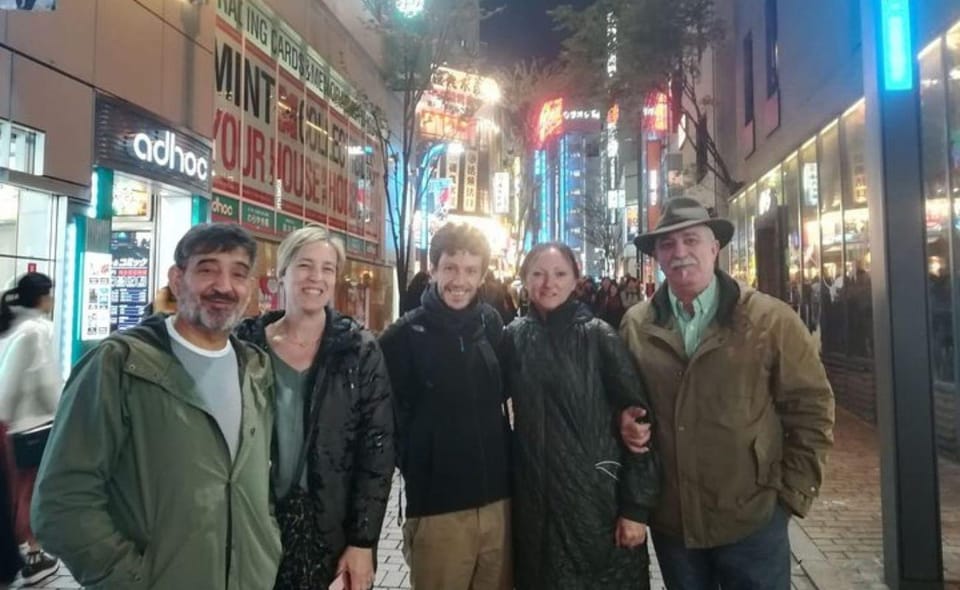
- Private and customizable: you steer the day toward your priorities, not a fixed checklist
- Hotel meet-up option: convenient start, less coordination anxiety
- Local etiquette lessons: small behavior cues that make Tokyo feel easier
- Comfortable pacing: time for photos and browsing, not a sprint
- Guide language support: English, French, Italian, Spanish, Japanese, Chinese, and Traditional Chinese
A Private Walking Plan for Tokyo, Your Way
Tokyo is famous for having everything. That’s also the problem: “must-see” can turn into decision fatigue by hour two. This tour works because it’s built around a private group and customization, so you can shape the route around your interests instead of forcing yourself to hit every headline attraction.
In practical terms, your guide helps you make sense of distance, flow, and timing. You’ll still walk and see major sights, but you’re not just collecting stamps. I like that the tour is designed to show you both the big, obvious places and the surrounding neighborhoods—so the city doesn’t feel like a theme park made of disconnected photos.
You also get a built-in advantage that independent sightseeing often lacks: conversation. The guide can answer the questions you don’t know you should ask, then recommend what to do later. That matters a lot in Tokyo, where one wrong turn can cost an hour.
You can also read our reviews of more private tours in Tokyo


Hotel Meet-Up and Transit: Getting There Without Losing the Day
The tour meets at your hotel (pickup is optional). For Tokyo, that’s more than convenience—it’s how you protect your energy. If you’ve ever spent half a morning transferring trains with luggage or a crowded subway scramble, you know that time cost is real.
This experience includes a walking tour and public transport in general, though it notes that public transit may not apply for some selected options. Either way, you should expect a day structured around moving efficiently between areas rather than hopping randomly.
Because it’s a private route, your guide can also adjust for practicalities like the time of day and foot traffic. That can change your experience a lot at places where crowds build quickly. If you want photos, you’ll value a guide who knows when to arrive and where to pause.
Tsukiji Outer Market: Street Food Sense-Making
If your day includes Tsukiji Outer Market (and it often does when people want the classic Tokyo food experience), the guide’s role is huge. The place is busy and easy to misunderstand. With a guide, you’re more likely to taste what you actually want, instead of just chasing whatever smells strongest.
A good guide helps you navigate the layout, explain what different seafood and street foods mean, and point out what’s worth trying. You’re not locked into a single pace. You can stop for small bites, ask questions, and keep moving when you’re ready.
What I like here is not the food pitch—it’s the translation of culture. Tokyo market culture isn’t just about eating. It’s about how people buy, prepare, and select ingredients. Even when you don’t go super deep on sourcing, a guide can help you read the scene.
Senso-ji Temple in Asakusa and the Thunder Gate Moment
Senso-ji is one of those places where the famous view is only half the story. If you include Asakusa and the temple area, a guide can bring the experience to life by sharing what you’re looking at and why it matters.
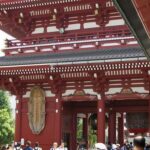
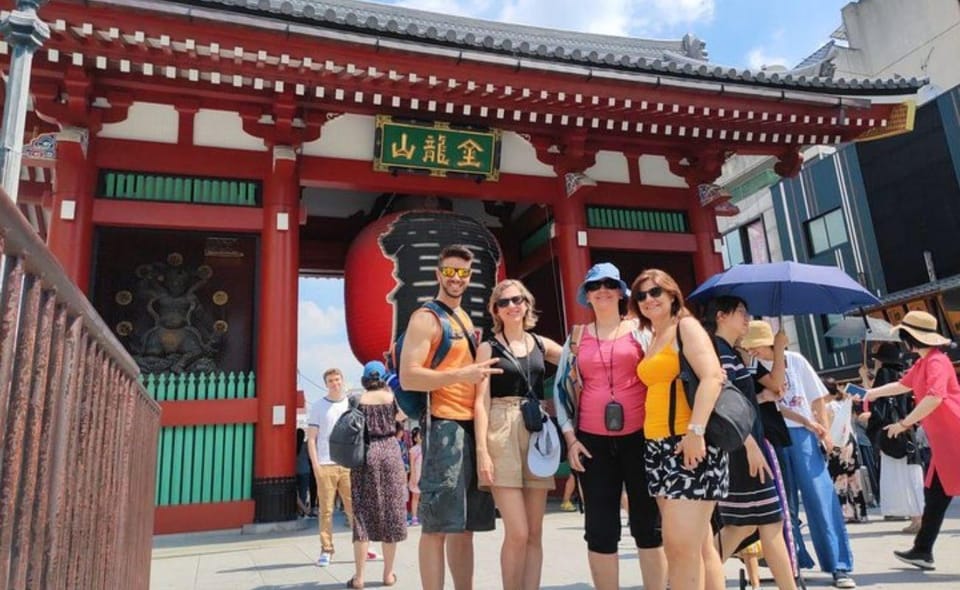
You’ll likely walk through key parts of the grounds with context around the temple’s history, the Thunder Gate, and the traditional rituals. That’s useful because Tokyo temples aren’t like visiting a museum with labels on every wall. Without context, you can miss the meaning behind small actions.
You’ll also get help participating respectfully. The best guides explain what people are doing and how to do it without turning it into an awkward performance. That’s one of those small things that changes the whole day: suddenly you’re not just watching, you’re understanding.
Meiji Shrine: Shinto Ritual Context and a Breather From the City
Meiji Shrine is a total mood shift from the street-level intensity of Tokyo. If your route includes it, your guide can help you understand the torii gate symbolism and explain Shinto rituals in plain language.
This stop is especially good if you want a break that feels real, not like a planned photo op. The shrine area can feel calming simply because it’s different—quiet paths, a sense of formality, and a slower rhythm.
The guide’s added value here is knowing the right kinds of questions to ask. For example, you’ll get answers that make it easier to notice details you’d otherwise ignore: how the space is used, what certain actions mean, and how the surrounding forested setting fits into the experience.




Akihabara, Ginza, and Skytree: Big Tokyo Landmarks, Sorted by Your Interests
Tokyo’s main sights don’t all feel the same. That’s why customization works so well. Your guide can help you choose an order that matches your energy.
Akihabara for electronics, anime, and gaming
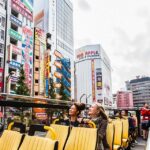
If you want Akihabara, a guide can help you go beyond the obvious and find places that match your specific interests. The area can be overwhelming, with lots of stores and constant visual noise. With a guide, you’re more likely to leave with meaningful souvenirs and a better sense of what each shop style is about.
Your guide can also add cultural context—why the neighborhood matters, and what you’re seeing when you walk into certain types of stores.
Ginza for shopping and city swagger
Ginza is upscale and polished, and the guide can help you navigate the history of the district while pointing you toward shopping and dining that fits your budget. Even if you’re not planning to buy much, Ginza is a good place to understand Tokyo’s different “faces.”
Tokyo Skytree for panoramic payoff
If your route includes Tokyo Skytree, a guide can share facts about the tower’s significance and help you think about observation-deck viewing. Since timing matters for views, having someone who can suggest the best moment can improve the experience dramatically.
These three stops also work well as flexible blocks. If you want more shopping and fewer temples, you can shift your day. If you want skyline photos and you’re less interested in malls, you can prioritize Skytree earlier or later depending on your day.
Odaiba, Ueno Park, and Roppongi Hills: Choose the Day’s Mood
Not every Tokyo afternoon should be the same. One of the best uses of a private guide is letting the day shift gears.
Odaiba for futuristic city energy and photo points
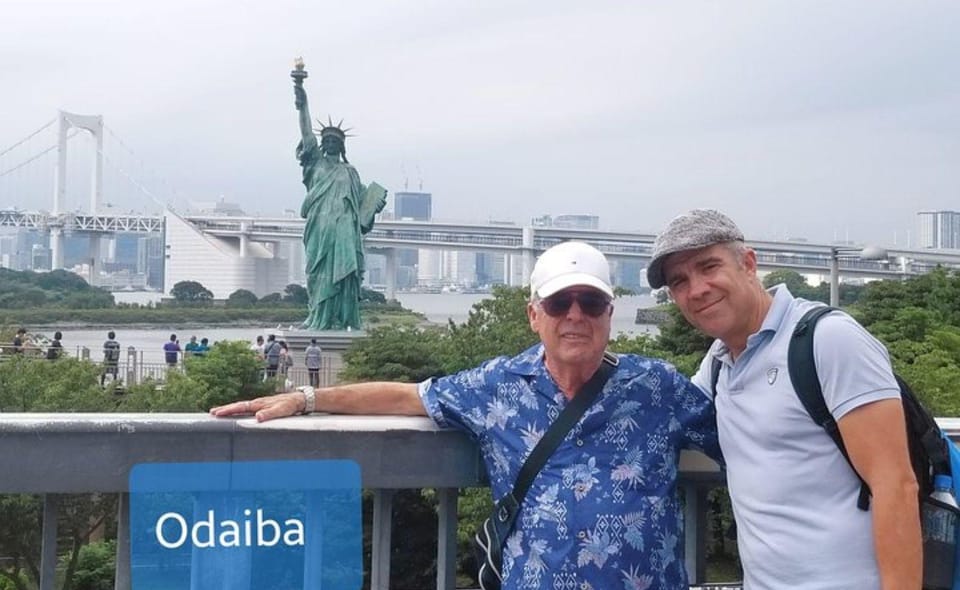
If you include Odaiba, your guide can explain the story behind the artificial island feel and point you toward good photo viewpoints. This is a place where photos happen easily—but only if you know where to stand and when to frame.
Ueno Park for museums, culture, and seasonal moments
Ueno Park can be a strong choice when you want open space plus things to do. With a guide, you’ll get help spotting the key museums and attractions, and you can learn why the park matters culturally.
It’s also a popular seasonal stop. The tour info notes guides can point you toward good spots for cherry blossom viewing during cherry blossom season, which is the kind of practical detail you can’t easily guess on your own.
Roppongi Hills for art, shopping, and museum time
If you like art and a more modern Tokyo feel, Roppongi Hills is a logical pick. Your guide can point you toward the Mori Art Museum and explain the architecture and what kinds of cultural events to look for while you’re there.
Even if you don’t plan to go inside everything, having the guide steer the order makes the area feel less like a maze.
How the Best Guides Make the Pace Feel Right
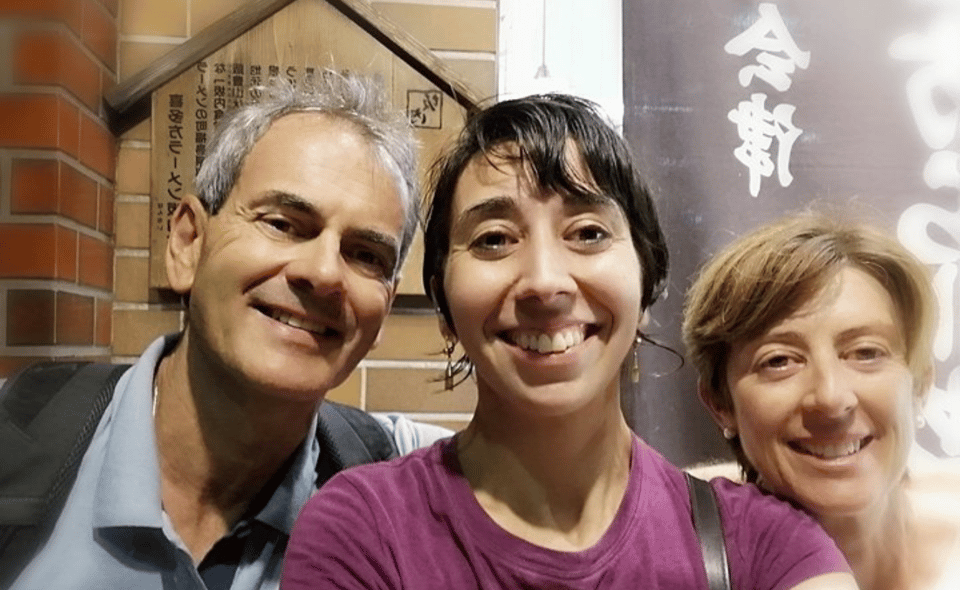
The tour’s biggest strength is that it doesn’t treat your day like a checklist with a stopwatch. The reviews reflect that guides often tailor the experience to your pace.
Fernando, for example, was praised for knowing the history and traditions connected to the places visited. Just as important: the tour didn’t feel rushed. Instead of pushing to maximize stops, it made room for photos and time in shops you wanted to see. That’s a rare quality in a big-city sightseeing day.
Karl was praised specifically for explaining everyday norms and politeness standards—like not talking on public transportation and not eating street food while walking. That kind of information makes your Tokyo stay feel smoother, because it reduces social guesswork.
Lucas, on the other hand, was described as friendly but light on some historical and cultural basics. That doesn’t mean the tour is bad. It means you should communicate your expectations early. If you want more context, say so upfront.
Price and Value: When $53 Per Person Makes Sense
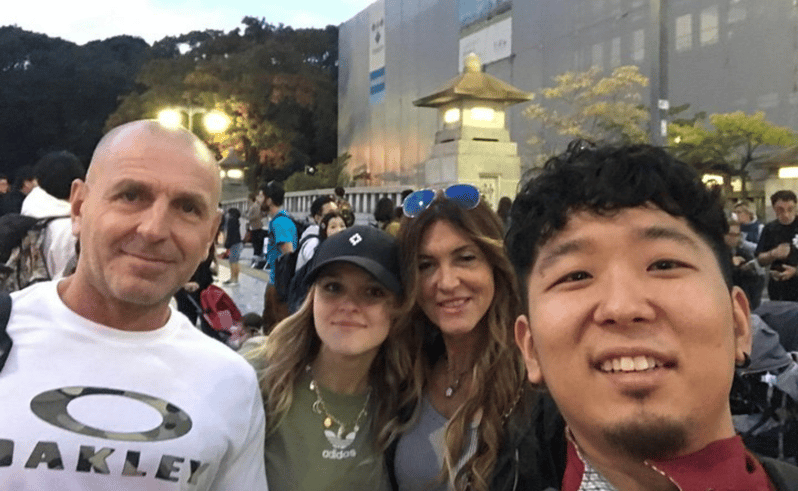
At around $53 per person, this tour price sits in a category where you’re paying for time-saving and for a local guide’s judgment. That can be money well spent in Tokyo, because navigating neighborhoods, managing walking distances, and choosing the right order is part of the difficulty.
You’re also getting a private setup. In a city where public transit is efficient but crowds and transfers can still drain you, reducing friction is a real value.
The other value angle is “what happens after the tour.” The highlights say you’ll get advice from your guide about other things to do. If your guide helps you plan the next day, that’s not just a tour benefit. It’s a whole-trip benefit.
To judge value, ask yourself one question: do you want a guide to help you make choices, or do you want to follow a fixed route anyway? If you want choice, the private format fits well.
Who This Tour Fits Best
This is a strong match if you:
- want to see major Tokyo sights without spending hours researching transit and timing
- prefer a slower, more conversational pace that includes photo stops and browsing time
- care about etiquette and cultural context, not just photos
- need a guide who can work with your specific interests (food, temples, shopping, neighborhoods, viewpoints)
It may be less ideal if you:
- want nonstop deep history at every stop with zero flexibility
- prefer self-guided independence and dislike adapting plans on the fly
A private walking tour is also a good option if your group has mixed interests. One person wants shrines, another wants electronics, and you can negotiate the day instead of splitting up.
Practical Tips for a 2–8 Hour Tokyo Day
Because the duration can run from 2 to 8 hours, your best strategy is to choose a priority theme. If you go long, you can cover more areas like Asakusa, Akihabara, and a viewpoint stop. If you go short, focus on one or two neighborhoods and go deeper there.
Bring comfy walking shoes. You’re doing a walking tour plus transit, and Tokyo sidewalks can be longer than they look on a map.
Before you start, tell your guide what you want most:
- Food vs temples vs shopping vs skyline views
- Light commentary vs deeper historical and cultural context
- Shopping time and photo stops (or fewer of them)
If you’re unsure, a simple approach works: pick one iconic must-see and one mood-building stop. That way your day feels structured but not trapped.
Should You Book This Tokyo Private Tour?
I’d book it if you want Tokyo with guidance, not Tokyo with stress. The private format and hotel meet-up make the day easy to start. The guide’s cultural context and advice—like etiquette pointers—can improve how you move through the city the rest of your trip.
I would hesitate only if your top priority is guaranteed, lecture-style history at every stop. Since guide style can vary, set expectations early and ask for the kind of context you want.
If you’re planning a first trip to Tokyo or you just don’t want to waste prime hours figuring out logistics, this is a smart way to turn a few hours into a real sense of place.
FAQ
How long is the Tokyo private walking tour?
The duration ranges from 2 to 8 hours, depending on the option you choose and your selected starting time availability.
Where does the guide meet us?
The guide meets you at your hotel. Pickup is described as optional as well.
Is this a private tour or shared group?
It’s a private group experience, so you’ll tour with your own party rather than mixing with unrelated travelers.
What languages does the guide speak?
Live guides are available in English, French, Italian, Spanish, Japanese, Chinese, and Traditional Chinese.
Do we use public transport during the tour?
The tour includes a walking route and public transport in general, except if you select one of the options that doesn’t include transit.
Is the tour customizable?
Yes. The tour is listed as private and customizable, so you can steer the day toward the sights you want to see.
Is it wheelchair accessible?
The experience is marked as wheelchair accessible.