REVIEW · TOKYO
Tokyo Layover 5 Hours Private Tour
Book on Viator →Operated by アウテック · Bookable on Viator
Five hours can feel like a whole Tokyo day.
What makes this layover tour work is the private vehicle plus free onboard WiFi, so you’re comfortable and still connected while your guide steers the schedule. I also like how guides (from people like Riley and Douglas to Babu and Aimi) are quick to match the route to what you want to see, then explain what you’re looking at as you move from stop to stop.
The main trade-off is simple: 5 hours means these are highlight stops, not slow museum days. You’ll get a taste and great photos at each place, but you can’t expect long wandering everywhere—especially if you’re building in extra time for shopping or long lunch.
If you’ve got a long layover from Haneda, this tour’s structure is built for that. You get hassle-free pickup/drop-off at the airport, luggage storage in the car, bottled water and snacks, and a route that’s practical for getting your bearings fast—without relying on trains while you’re on the clock.
In This Review
- Key highlights you’ll care about
- Why a Haneda layover tour beats trying trains on zero sleep
- Pickup, luggage storage, and onboard comfort that actually helps
- Planning your 5 hours: a highlight itinerary, not a deep-dive day
- Senso-ji Temple and Asakusa: the most time you’ll spend, for a reason
- Tsukiji outer market area: food energy without the full commitment
- Ginza to the Imperial Palace: sharp contrasts in a small time window
- Omotesando and Takeshita Street: fashion and youth culture, timed for 5 hours
- Meiji Jingu Shrine and Shibuya Crossing: calm-to-chaos, in the best order
- So, how good is this tour for different kinds of layovers?
- Price and value: what you’re really paying for
- Should you book the Tokyo Layover 5 Hours private tour?
- FAQ
- How long is the Tokyo layover private tour?
- Where does the tour start and end?
- Is pickup included?
- What’s included in the vehicle?
- Is this a private tour?
- Do the stops have admission fees?
- What’s the cancellation policy?
Key highlights you’ll care about
- Haneda pickup and drop-off: built for flight timing, not for leisurely mornings
- Private car with WiFi, water, and snacks: comfort matters after a red-eye
- Time-boxed iconic stops: Senso-ji, Tsukiji outer area, Ginza, Imperial Palace area, Harajuku-style streets, Meiji Jingu, Shibuya
- Guide-led pacing and photo stops: several guides are noted for steering people to good angles
- Route flexibility: you can customize the itinerary as you go
- Works for groups up to 9: families and mixed-age groups have done this successfully
Why a Haneda layover tour beats trying trains on zero sleep

Tokyo is big. Even if you know roughly where you want to go, a layover adds two stressors: time and logistics. This private tour is designed to remove both. Your guide handles the driving plan, the stop order, and the little timing decisions that matter when you have to make it back to the airport.
I especially like the “reset button” feel of it. You land, you’re met, your luggage is taken care of, and then you’re in sightseeing mode right away. It’s a very different vibe from sitting at the gate and watching another boarding call roll in.
Also, the tour format is set up so you can think in “blocks” instead of “whole days.” A stop like Senso-ji is budgeted as a full hour. Shibuya Crossing is quick (about 15 minutes). That helps you plan emotionally: you don’t waste your limited time hoping you’ll “just browse for a bit” and then realize you’ve eaten half the tour.
You can also read our reviews of more private tours in Tokyo

Pickup, luggage storage, and onboard comfort that actually helps
The tour starts at Haneda Airport (3-3-2 Hanedakuko, Ota). Pickup is offered, and the experience ends back at the meeting point. That round-trip convenience is huge for layovers because it turns Tokyo into an option, not a gamble.
Inside the private vehicle, you get a few things that sound small until you’re tired and hungry:
- Free WiFi on board helps you handle messaging, check your onward flight info, or share photos immediately.
- Bottled water and snacks can keep you from making bad food choices out of desperation.
- Luggage storage in the vehicle lets you walk around without playing baggage Tetris in crowded areas.
From the reviews, what stands out is how smooth the meeting process tends to be. People describe getting a message with the driver’s name and finding the car waiting at the airport. On a rainy day, they also report shorter walk-from-car moments so you still see the sights without soaking your entire day.
One small consideration: if you care a lot about photos, make it clear how you want them taken. One guest mentioned a guide’s photos came from behind more than expected. It’s fixable with a quick request, like asking the guide to guide group members to face the camera before the shot.
Planning your 5 hours: a highlight itinerary, not a deep-dive day
The schedule is built as a classic “greatest hits” route, and the stop durations give you a realistic sense of pacing:
- Senso-ji Temple: 1 hour
- Tsukiji (outer market area): 40 minutes
- Ginza: 30 minutes
- Imperial Palace area: 30 minutes
- National Diet building: a quick stop
- Omotesando: 20 minutes
- Takeshita Street: 30 minutes
- Meiji Jingu Shrine: 40 minutes
- Shibuya Crossing: 15 minutes
This matters because Tokyo can eat time fast—lines, walking, detours, and “just one more shop.” The advantage here is that your guide keeps moving you on schedule, while also giving you room to tweak choices based on what you’re into.
If your priority is temples and old Tokyo vibes, you’ll want the Asakusa and Meiji Jingu time to feel meaningful. If your priority is street life and fashion, you’ll likely focus more on Harajuku/Takeshita and the Omotesando-Ginza corridor. The tour is private, so you’re not trapped in someone else’s “must see everything” plan.
Senso-ji Temple and Asakusa: the most time you’ll spend, for a reason
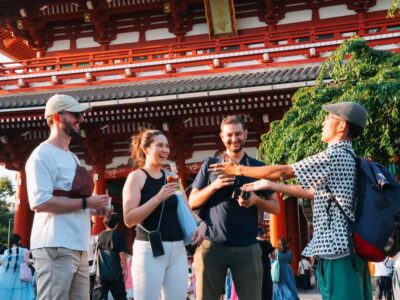
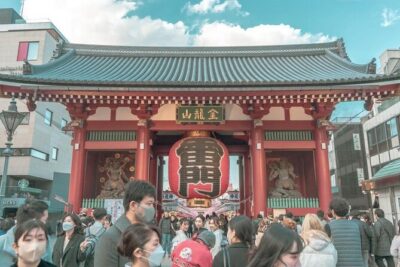
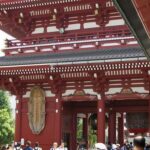
Your first major stop is Senso-ji Temple, Tokyo’s oldest temple. The area around it is one of those places where the “old meets right now” feeling is instant. Expect a full hour here, which is generous compared with later stops.
What makes this stop especially layover-friendly is that even when you don’t have long, Senso-ji gives you multiple layers to enjoy quickly:
- the shrine/temple atmosphere you can feel right away
- the chance to take photos in a classic Asakusa setting
- the simple pleasure of watching people buy snacks and stroll the approach
You also get a built-in historical hook. The name Asakusa appears in Japan’s records as far back as 628, tied to a story of Kannon that was found by fishermen. Even if you only get the brief version on the go, it’s a solid start to your Tokyo timeline.
Potential drawback: because this is the oldest and most popular, it can feel crowded. Your best move is to come in with a game plan for photos (wide shot first, details second) so you don’t get stuck behind the “everyone is suddenly a photographer” moment.
Tsukiji outer market area: food energy without the full commitment
Next up is the Tsukiji Fish Market area—though the main market moved to Toyosu in 2018, the outer market area remains. That’s a key distinction. It means you still get the market vibe (restaurants, shops, interesting items), but you’re not locked into a super early, hardcore “fish auction” style visit.
You get about 40 minutes. That’s plenty of time to:
- browse storefronts
- pick up a snack
- find a place to eat nearby without losing your entire tour
This stop tends to work well for mixed groups. Reviews mention enjoying fish market time even with tight scheduling, plus the flexibility to add lunch nearby. If you want to take the pressure off—say, if someone in your group is tired or traveling with kids—Tsukiji outer market is a good “yes, we can handle this” stop.
One practical tip: if you want a sit-down lunch, ask your guide early in the tour. With only 5 hours, the earlier you decide, the less chance you’ll scramble for a meal at the end.





Ginza to the Imperial Palace: sharp contrasts in a small time window
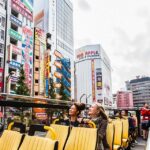
After the market energy, you move into Ginza. Ginza is known for eclectic boutiques, galleries, Japanese craft shops, and restaurants, plus modern architecture. You’re given about 30 minutes, so think of it as a guided stroll: look around, photograph storefronts, and feel the shift in pace.
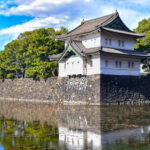
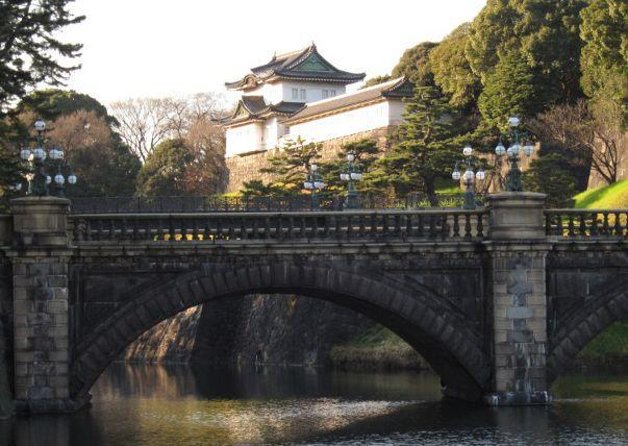
Then you head to the Imperial Palace area. Historically, the palace grounds relate to the Tokugawa shogun family period (1603–1868), then transitioned to the Imperial Palace when power returned to the Emperor Meiji. The tour’s stop here is about 30 minutes, which works best if you treat it as an orientation stop—something that helps you understand where Tokyo’s political center sits today.
A quick note on the National Diet building stop: it’s one of the buildings that survived the air raids of 1945, built in 1936. It’s a good “architecture and history” moment tucked between the shopping-and-streets parts of the day.
Potential drawback: this section can feel like “drive-by plus quick look” if you’re hoping for long museum-style time. On a layover, that’s normal. If your heart is in history, you can ask your guide to slow down slightly at the Imperial Palace/National Diet area and tighten up elsewhere.
Omotesando and Takeshita Street: fashion and youth culture, timed for 5 hours
Omotesando is next, about 20 minutes. The big idea here is architecture and style: buildings designed by world leading architects, plus the presence of major fashion brands. Even if you don’t plan to buy anything, it’s a great place to see how Tokyo designs its “street personality.”
Then you jump to Takeshita Street for about 30 minutes. This is a Harajuku-style youth culture stop: unique fashion trends, bold looks, and a lot of energy for a short visit. If you’re traveling with a teen or just like people-watching, this is usually the most fun “Tokyo now” segment of the day.
From the reviews, guides often use this time for practical photo spots too. If you’re building a group photo, it helps to coordinate who’s with who before you reach the densest part of the street—your guide can help you pick a spot quickly, but you’ll save time if you’ve decided in advance.
One consideration: Takeshita Street can be crowded and loud. If you’re not into that vibe, ask your guide for a lighter route through the area—Omotesando can scratch the fashion itch with less chaos.
Meiji Jingu Shrine and Shibuya Crossing: calm-to-chaos, in the best order
Meiji Jingu Shrine is your next anchor stop at about 40 minutes. It’s a deliberate break from the urban noise. Reviews often mention that it’s a “nice break” from busy streets, and that’s exactly why this pairing works. You spend time in a quieter, more reflective atmosphere before you hit the busiest intersection moment.
There’s also a cultural detail that can make this stop extra interesting: on Saturdays and Sundays, you might see a traditional Japanese wedding ceremony. You can’t bank on it for a specific day, but it’s worth asking your guide what they’ve seen recently if your dates line up.
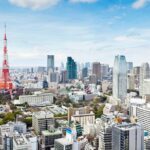
Finally, Shibuya Crossing: only about 15 minutes, but it’s one of the most instantly recognizable Tokyo scenes. It’s the busiest intersection in the world, and it’s the kind of place where the scale makes even big-city folks pause. If you’ve watched videos, seeing it in person still hits differently.
Practical tip: with only 15 minutes, don’t try to “do Shibuya” like a half-day. Pick one vantage point for a few minutes and be done. Let the rest of your time breathe for the walk back to the car.
So, how good is this tour for different kinds of layovers?
This is the kind of private tour that fits many traveler profiles.
Best fit if:
- you want a guided highlight tour without trains
- you’re traveling with kids, older family members, or anyone who needs closer stops and less walking
- you care about comfort after flying—especially the bottled water/snacks and WiFi
- you want customization, not a rigid “one script fits all”
It’s also a strong choice for groups up to 9. One family booking included an 80-year-old and a 4-year-old, and the schedule still worked. Another group traveled with middle school students, and the guide handled pacing and patience well.
Less ideal if:
- your layover is super short and you prefer a minimal route with fewer stops
- you want museum-level time or slow shopping marathons
- you’re someone who hates crowd energy (some parts of this itinerary are busy by nature)
One more real-world detail: in at least one case, a family extended the tour beyond 5 hours after a flight change. That’s not guaranteed, but it shows the format can flex when your schedule allows.
Price and value: what you’re really paying for
The price is $641.36 per group (up to 9) for about 5 hours. That works out to roughly $71 per person at maximum group size—though your per-person cost will be higher if you’re fewer than 9.
So what’s the value beyond the sightseeing?
- A private vehicle with pickup/drop-off at Haneda
- Free onboard WiFi, bottled water, and snacks
- Luggage storage during the city portion
- A guide who can adjust pacing and stops to your interests
- A route that hits multiple iconic areas without you figuring out transit under pressure
If you compare this to the cost of taxis plus the cost of entry tickets plus paying for your time to plan and execute with uncertainty, the math often turns more favorable. You’re not just paying for “places.” You’re paying for a smooth layover solution: low hassle, low stress, high payoff.
The best way to think about it: this is a premium time-saver. You’re buying the ability to land, see Tokyo, and get back without turning your layover into a stressful commuter puzzle.
Should you book the Tokyo Layover 5 Hours private tour?
Book it if your goal is a guided highlights loop from Haneda that lets you feel Tokyo’s major neighborhoods without wasting your layover on transit. It’s especially smart if you want the comfort pieces (private ride, snacks, WiFi) and you’d rather let a guide handle the timing.
Skip it (or adjust expectations) if you’re after slow sightseeing, long indoor time, or you dislike crowded scenes—because Senso-ji, Tsukiji outer area, Harajuku-style streets, and Shibuya all tend to bring real energy.
One final practical note: because it’s popular and on average booked about 60 days in advance, if your dates are flexible but your heart is set on a specific time window, planning ahead gives you the best shot at availability.
If your layover is long enough to matter, this tour is a clean, high-ROI way to make Tokyo feel real before your next flight.
FAQ
How long is the Tokyo layover private tour?
The tour duration is approximately 5 hours.
Where does the tour start and end?
It starts at Haneda Airport (3-3-2 Hanedakuko, Ota 144-0041) and ends back at the same meeting point.
Is pickup included?
Yes. Pickup is offered, and the tour includes hassle-free pickup and drop-off at Haneda Airport.
What’s included in the vehicle?
You get free WiFi on board, plus bottled water and snacks.
Is this a private tour?
Yes. It’s a private tour/activity, and only your group participates. The group size can be up to 9.
Do the stops have admission fees?
The itinerary lists admission as free for Senso-ji Temple, Tsukiji Fish Market area, Ginza, Imperial Palace, Omotesando, Takeshita Street, Meiji Jingu Shrine, and Shibuya Crossing.
What’s the cancellation policy?
Free cancellation is available. You can cancel up to 24 hours in advance for a full refund. If you cancel less than 24 hours before the start time, the amount you paid will not be refunded.