REVIEW · TOKYO
Taisho Sushi Making Class in Tokyo
Book on Viator →Operated by Taisho Sushi Making · Bookable on Viator
Sushi starts with your grip, not the fish. This Taisho class gives you everything you need and drills you with practice on models before real nigiri, a great way to learn fast. I love the hands-on coaching, and I like that the session ends with you eating what you make. The only catch: with an hour-plus schedule, you’ll master the basics, not become the next sushi chef.
If you want real food skills in Tokyo (not just watching), this is a solid bet. You also get vegan and vegetarian options, plus time to mix with other sushi fans in a small classroom setting (max 50).
In This Review
- Key things I’d zero in on
- Why this Taisho sushi class fits even a tight Tokyo schedule
- From model grips to real nigiri: the skills you actually take home
- How gunkan lessons work, and why nori has a front and back
- Vegan and non-fish options, plus the quantity question
- Group size, vibe, and whether families feel comfortable
- Price and value: what $109.01 buys you in hands-on training
- Getting there in Chiyoda: the Kojimachi meeting point
- Smart tips for your sushi-making session
- Should you book Taisho Sushi Making?
- FAQ
- How long is the Taisho sushi making class?
- Where do I meet for the class?
- What should I bring?
- What sushi styles will I learn to make?
- Is there a vegan or vegetarian option?
- How many people are in the class?
- Do I get to eat what I make?
- Can I cancel and get a full refund?
Key things I’d zero in on

- Practice grip with models first, so you’re not figuring it out by guessing
- Nigiri with real fish and rice, with seasonal variety built in
- Gunkan lessons (including nori basics like front vs back)
- You eat your own sushi, with etiquette tips
- Vegan and vegetarian options, so non-fish eaters aren’t left out
Why this Taisho sushi class fits even a tight Tokyo schedule
Tokyo sushi culture is everywhere. But learning how it’s actually made takes time, patience, and a lot of trial and error—unless someone gives you the structure.
That’s where this class shines. It’s designed as a fast, hands-on workshop focused on maki and nigiri basics, with guidance that helps you get your hands doing the right things quickly. It’s also priced like an express experience, so you’re not waiting weeks for a long cooking course to finally feel useful.
One more reason I like it: it’s built around doing, not just learning terms. You’ll practice, make, and then eat. In a city where everyone’s trying to squeeze in “one more thing,” that matters.
You can also read our reviews of more tours and experiences in Tokyo


From model grips to real nigiri: the skills you actually take home
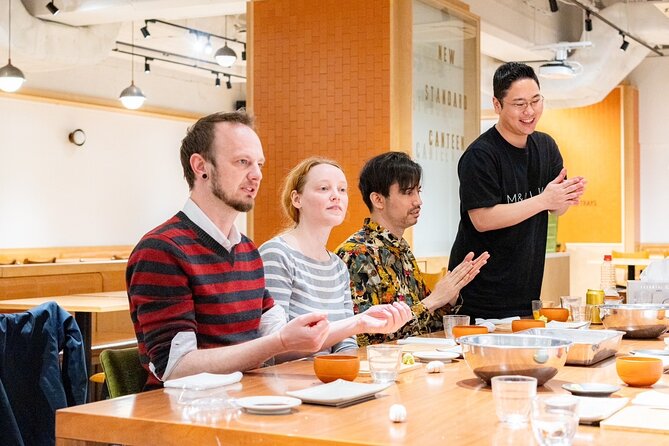
Here’s what I appreciate most: you don’t start with fish. You start with a model so your grip and hand motion feel right before real rice enters the chat.
The class begins with practice grip procedures using models. You repeat the steps several times because making sushi isn’t intuitive at first. Rice is sticky, pressure matters, and your hands need a rhythm. That early repetition is exactly what helps you avoid the classic outcome where you “kinda try” and your sushi falls apart.
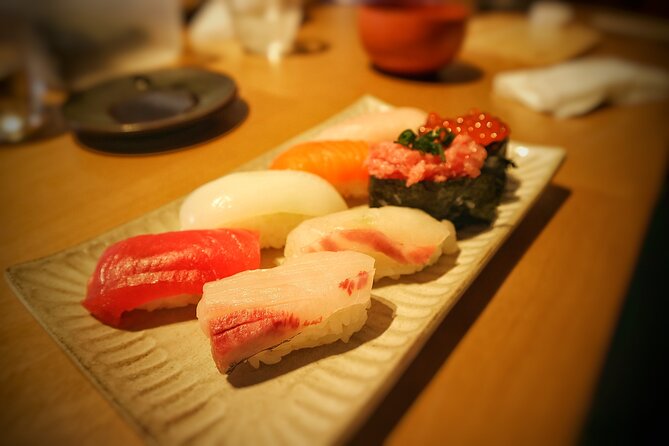
Next comes the lecture and practice on nigiri. You’ll use real fish and rice, and you’ll make your own nigirizushi. The neta (topping) varies depending on the season, which means you’re getting variety instead of the same generic set every day. The class description also promises you’ll have a good variety and quantity until you’re full—so you’re not paying for instruction only.
What you’re really learning here is control:
- how firm your rice portion feels
- how your hands shape without crushing
- how to align topping and rice so it looks like it belongs on a counter
And because it’s a class, you’ll get correction. That’s the difference between eating sushi for fun and understanding it well enough to recreate the feel.
How gunkan lessons work, and why nori has a front and back
After you get comfortable with the nigiri rhythm, you shift to gunkan—think of it as a small “boat” of rice wrapped with nori, topped with seafood favorites. The class even uses the description that gunkan is like a warship, which is a fun mental image for something that’s easy to mess up.
You’ll get a lecture on gunkan, including how to roll nori properly. One detail I really like is that you’re taught that nori has a front and a back side. That sounds tiny, but it’s the kind of point that separates sloppy wrapping from sushi that actually looks right.
The toppings you may see in the class include items like salmon roe and negitoro. You also learn about nori handling and rolling tips, which is the practical part most home cooks skip. If you’ve ever tried to wrap nori at home and wondered why it sticks wrong or looks crinkly, this is the lesson that helps.
This part of the class also keeps you from only doing one style. You end up with a wider “sushi toolkit,” even in a short time window.
Vegan and non-fish options, plus the quantity question
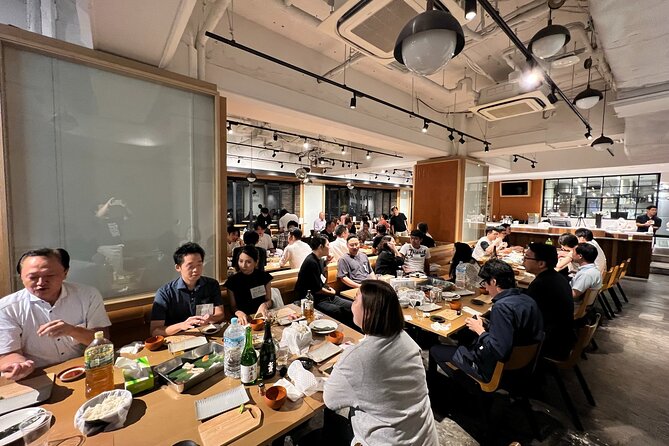
Sushi classes can be awkward if you’re not eating fish. Here, the experience explicitly states that vegan and vegetarian options are available for non-fish eaters. That means you’re not stuck watching everyone else work with ingredients you can’t use.
The format also matters: you’re practicing the technique (grip, rice handling, nori rolling) while accommodating the topping options. So even if your sushi looks different than someone’s salmon-based pieces, you’re still learning the mechanics that make sushi work.
Food quantity is another big point. One of the strongest signals from what people value about the class is the amount of fish and time provided. That lines up with the promise that the neta variety and quantity continue until you’re full. For me, that’s a key value check: a sushi workshop should leave you satisfied, not just impressed.
Group size, vibe, and whether families feel comfortable
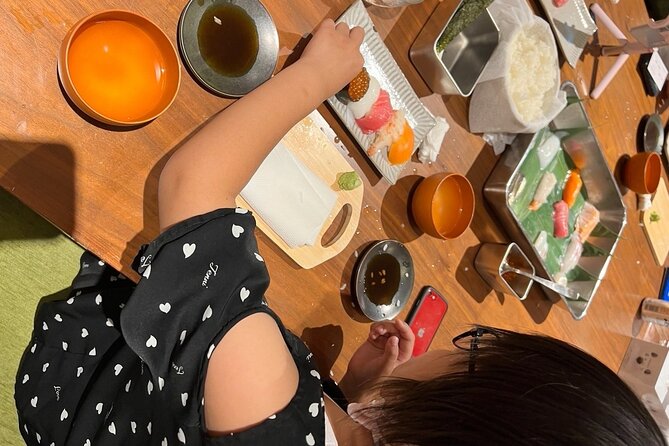
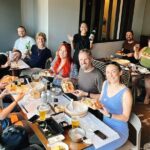
You’re placed in a room with other sushi lovers, but the ceiling is fairly low: maximum 50 people. That size usually means you can get attention when you need it, especially during hands-on parts like forming rice and rolling nori.
The tone is practical. This isn’t a lecture-only experience. You’ll do the work at your station while instructors guide you through each stage. And because the class is designed for beginners learning basic skills, it tends to be welcoming for different experience levels.
One review highlight I’d treat as a real hint for your planning: people say it’s perfect for larger groups and families, and they mention the time and amount of fish. That suggests the pace and setup can handle more than just solo couples on a food mission.
If you’re traveling with kids, this is one of those rare classes where “stay interested” is built into the activity. Everyone gets hands-on and everyone eats.






Price and value: what $109.01 buys you in hands-on training
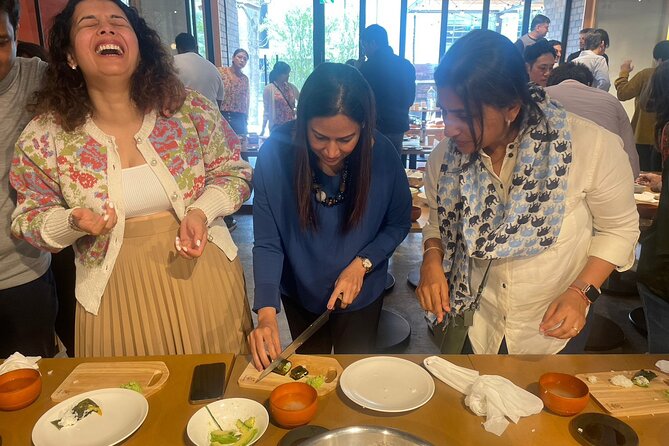
At $109.01 per person, you’re paying for convenience and technique coaching in a prime food city. Is it cheap? No. But you’re also not paying for a ticket to sit and watch.
What you’re actually getting is:
- training-style repetition (practice grips with models)
- instruction that moves from nigiri to gunkan
- the chance to make and consume your creations
- seasonal topping variety, not a fixed menu template
Compared with meal-only sushi, you’re paying more. Compared with longer private lessons, you’re paying less. This class lands in a middle zone: enough structure to learn, short enough to fit a trip, and focused enough that it doesn’t feel like a generic cooking demo.
Also, it’s booked an average of 23 days in advance, which tells me demand is real. If you wait too long, you may pay in time (less choice) even if the price stays the same.
Getting there in Chiyoda: the Kojimachi meeting point
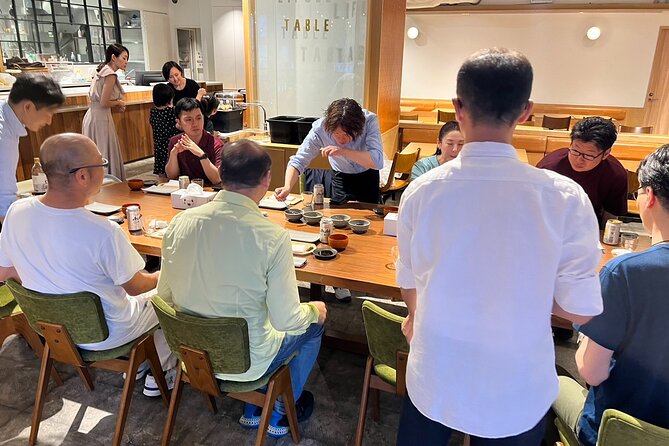
Your start and end point is the same location: 1-chōme-4-4 Kōjimachi, Chiyoda City, Tokyo 102-0083. The activity also notes it’s near public transportation, which is what you want in central Tokyo.
You’ll use a mobile ticket, so you don’t need to hunt for paper vouchers on travel day. Build in a few minutes to settle at the address before the class starts, especially if you’re arriving from another part of the city.
One small practical note: the experience allows service animals. That’s useful if you need it, and it also signals they’ve thought about real-world needs in the room.
Smart tips for your sushi-making session
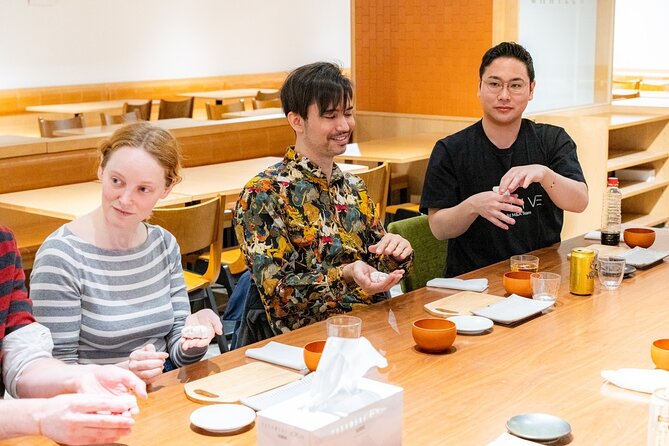
This is where you can turn a good class into a great one.
First, come hungry. The workshop ends with you eating what you make, and the class description promises you’ll have enough variety and quantity until you’re full. If you start with a big early meal, you might miss one of the best parts: comparing what you made to what you usually order.
Second, take the model practice seriously. The instructions emphasize repeating the grip procedures on models before making sushi with real fish and rice. That’s not filler. It’s how you learn pressure, alignment, and hand control fast.
Third, pay attention to the nori lesson. Knowing that nori has a front and back is the kind of detail that sounds technical, but it’s exactly what helps your gunkan look clean instead of crumpled.
Finally, be ready for etiquette coaching. The class includes instruction in proper sushi-eating etiquette. You’ll probably pick up small habits you can carry back to restaurants—how to handle soy sauce, how to hold pieces, and the general “don’t make it weird” rules that make a big difference.
Should you book Taisho Sushi Making?
Book it if you want a structured, hands-on Tokyo sushi-making class that teaches technique you can use again at home. I think it’s a great fit if your schedule is tight, you want to learn more than one style (nigiri and gunkan), and you care that you’ll actually eat what you make.
Skip it if you’re chasing a deep, multi-day apprenticeship vibe or want an ultra-custom menu. This is a short express workshop. You’ll come away with basics you can repeat, not a full chef-level skill set.
If you’re on a first Tokyo trip and sushi is your must-do food goal, this is a smart way to turn “I ate sushi” into “I learned sushi.”
FAQ
How long is the Taisho sushi making class?
The duration is listed as about 1 hour. The provider also describes it as a 90-minute sushi-making experience.
Where do I meet for the class?
The meeting point is 1-chōme-4-4 Kōjimachi, Chiyoda City, Tokyo 102-0083, Japan. The experience ends back at the meeting point.
What should I bring?
Come empty-handed. All equipment and materials are provided.
What sushi styles will I learn to make?
The experience teaches basics for handmade maki and nigiri, and it includes practice and instruction on nigiri as well as a lecture on gunkan (and how to roll nori).
Is there a vegan or vegetarian option?
Yes. Vegan and vegetarian options are available for non-fish eaters.
How many people are in the class?
The activity has a maximum of 50 travelers.
Do I get to eat what I make?
Yes. The workshop ends with the chance to consume your creations, and it also includes instruction on proper sushi-eating etiquette.
Can I cancel and get a full refund?
Free cancellation is available. You can cancel up to 24 hours in advance of the experience start time for a full refund.