REVIEW · TOKYO
Tokyo: 3-Hour Food Tour of Shinbashi at Night
Book on GetYourGuide →Operated by Arigato Travel KK · Bookable on GetYourGuide
Shinbashi at night tastes like Tokyo on a deadline. This 3-hour food tour is fun for two big reasons: you get real Shinbashi backstreets (not the crowded postcard stuff), and you end up with a serious sake-tasting experience that teaches you how to think and taste like locals. One thing to plan around: the guide can only wait 5 minutes past the start time, so being late can cut your tour short.
I also like how it’s built around a small group, capped at 10 people, so your English-speaking guide can explain what you’re eating and how the local food-and-pub culture works. The guide names show up often in past groups, from Ray and Francois to Tommy and Yappy, and the common thread is clear: a lively neighborhood walk plus food guidance that makes your whole Tokyo stay easier to enjoy.
In This Review
- Key Takeaways Before You Go
- Shinbashi After-Work: Why This Night Walk Hits Different
- What You’ll Eat: From Ramen Warmth to Wagyu Comfort
- The Sake-Tasting Experience: How to Taste Beyond the First Sip
- Walking the Backstreets: The Real Shinbashi Feel
- Guide Style Matters: Ray, Francois, Tommy, Yappy, and the Teaching Touch
- Timing and Logistics: Meeting at Shinbashi Station’s Steam Engine
- Smoking, Comfort, and What Might Surprise You
- Price and Value: Is $170 Worth It for 3 Hours
- Who This Tour Fits Best (and Who Might Want a Different Plan)
- Should You Book This Shinbashi Food and Sake Tour?
- FAQ
- Where do I meet for the tour?
- How strict is the starting time?
- How much walking is involved, and what should I wear?
- What is included in the price?
- What’s not included?
- Is hotel pick-up included?
- Is smoking allowed during the tour?
Key Takeaways Before You Go
- Small-group size (10 max) keeps the night feeling personal, not rushed.
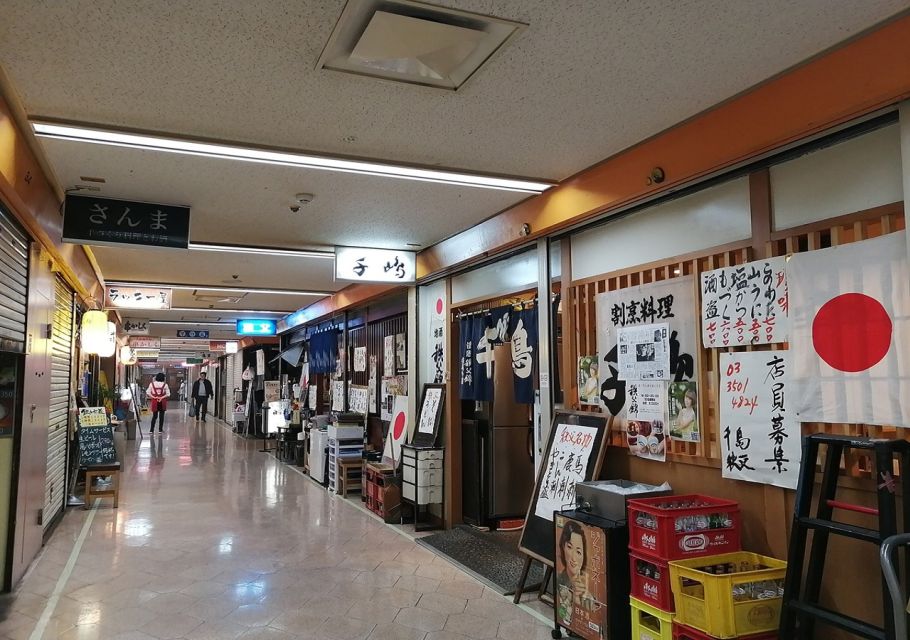
- Hidden Shinbashi lanes let you see where working people actually go after work.
- Multiple food stops cover familiar comfort foods and richer, more premium bites.
- Sake tasting adds a second layer to the meal, not just a drink.
- Practical guide teaching can include meal-blessing and staff-thanking cues with visual aids.
Shinbashi After-Work: Why This Night Walk Hits Different
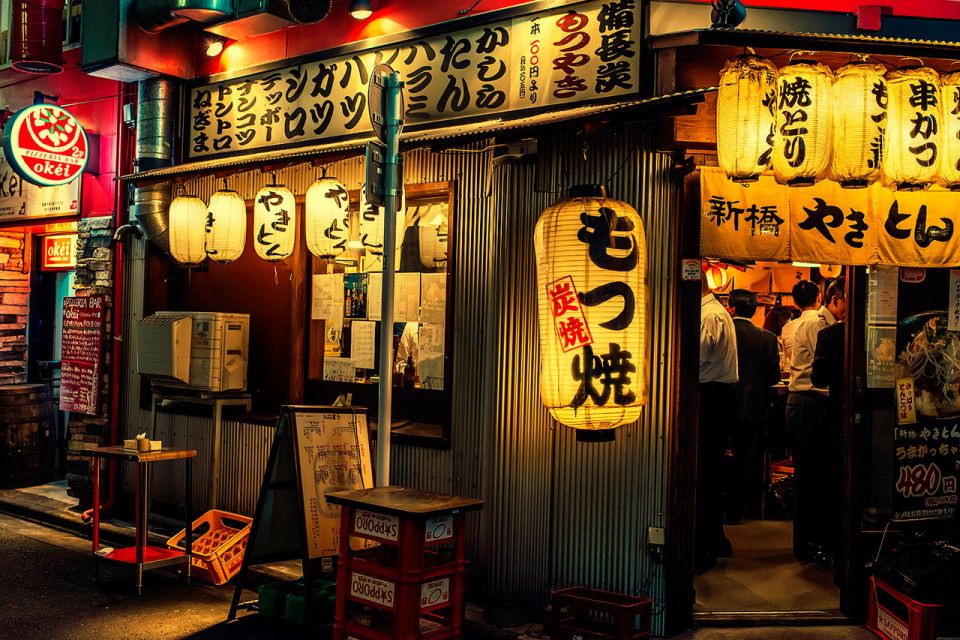
Shinbashi is the kind of Tokyo neighborhood that feels lived-in after dark. Not all of it is flashy. A lot of it is practical: alleyway chatter, office workers loosening up, and tiny places where you can smell food before you even see the door.
What I like about doing this at night is the timing matches the mood. You’re not walking through shopping streets with the day crowd. You’re moving through the after-work rhythm, when people are ready to eat something warm, drink something crisp, and decompress.
This tour leans into that vibe on purpose. You’re not just ticking off dishes. You’re walking with a guide who shows you how the neighborhood functions: where people eat, how they order, and how a meal slides naturally into drinks. That makes Tokyo feel less like a list and more like a place.
You can also read our reviews of more food & drink experiences in Tokyo



What You’ll Eat: From Ramen Warmth to Wagyu Comfort
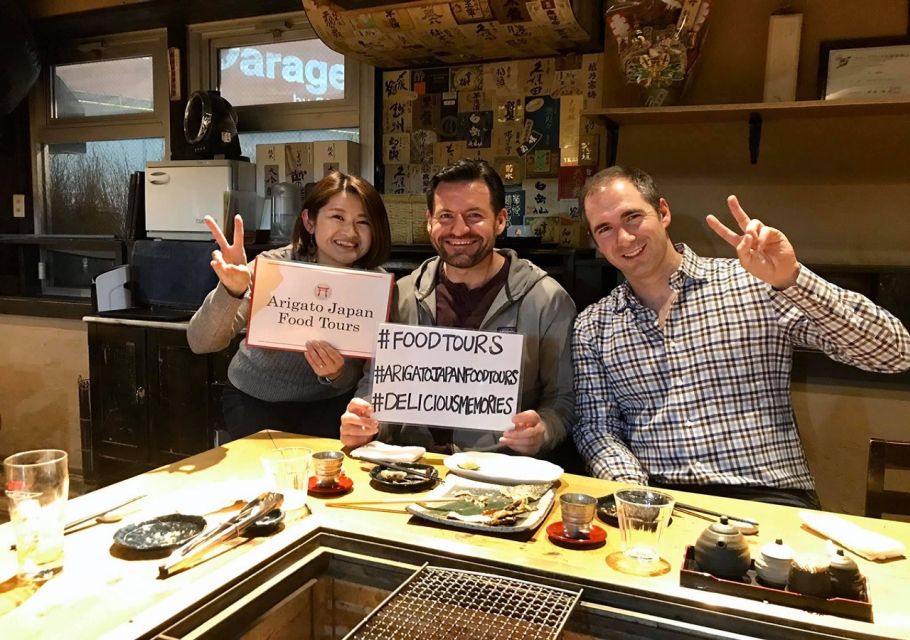
The food focus here is straightforward: you try a spread of local dishes and desserts at several stops. The goal is variety in a short time, so you don’t end up eating the same thing three times.
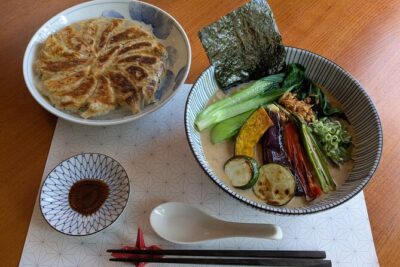
Expect classic comfort items like ramen. The idea is simple: a steaming bowl in your hands that makes sense after a long day on your feet. Ramen also works well for a food tour because it teaches technique and balance fast. You’ll likely notice how umami sits in the background, then steps forward with each mouthful.
Then there’s the richer side of the menu. The experience description points to wagyu, seared with a careful smoky char. This matters because it’s a contrast to the casual warmth of ramen. You go from hands-on, fast comfort to a more indulgent bite that lingers. That contrast is a big part of why the tour feels worth the price even though it’s only 3 hours.
And yes, you end with dessert. A proper finish helps the night feel complete, not like an unfinished snack crawl. Even if you’re not a big sweets person, the last stop is a good reality check: you get to see how Japanese dessert fits into a meal-and-drink night, not just into daytime cafe hopping.
One small extra detail worth knowing: in past groups, people have mentioned surprising bites like a duck-forward item paired with goat cheese. That’s not something I’d treat as guaranteed every time, but it matches the tour’s overall style: food choices that feel fun and slightly unexpected, not just the safest picks.
The Sake-Tasting Experience: How to Taste Beyond the First Sip
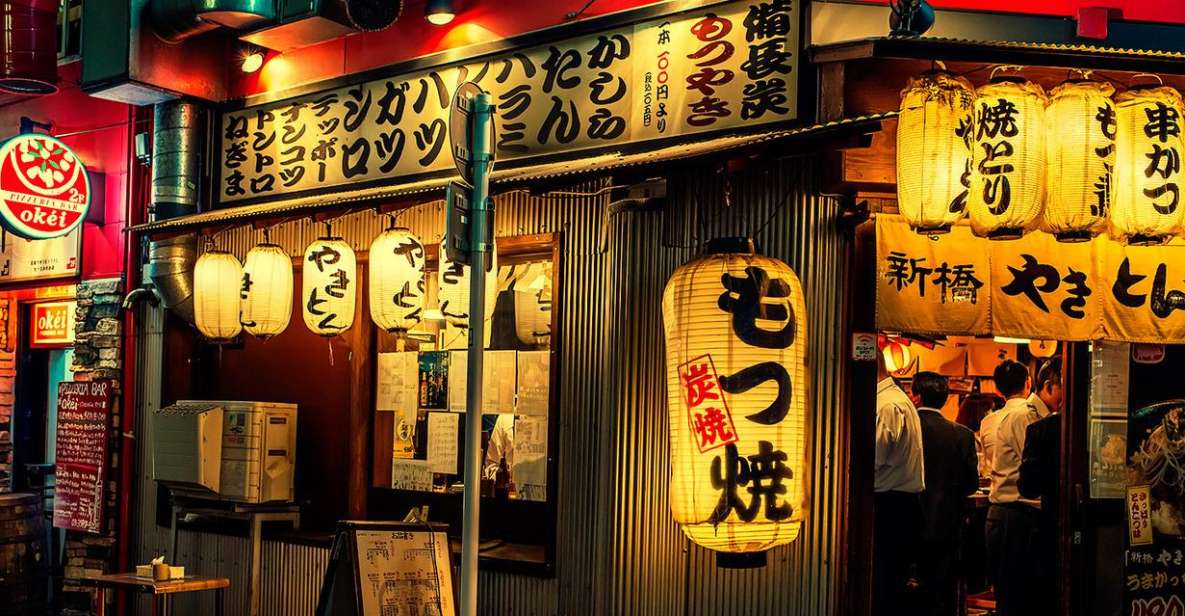
A big reason this tour works is the sake tasting isn’t just a token pour. It’s described as an exceptional tasting experience where flavors and impressions evolve with each sip.
That evolution is the point. Sake isn’t one flat taste. You can end up noticing how something starts crisp or aromatic, then changes as you keep tasting. The tour frames it like a guided progression, which helps you avoid the usual problem: tasting for the alcohol burn instead of the actual flavors.
This is also where an English-speaking guide earns their pay. You’re not just drinking. You’re learning how to talk about what you’re noticing, and that makes the rest of your trip easier because you can order with confidence later.
If you think you might not like sake, don’t decide that until you try it in this kind of tasting setup. One past attendee even joked about realizing they did like it after the experience, which tells me the tour is doing something right with presentation and pairing.
Walking the Backstreets: The Real Shinbashi Feel
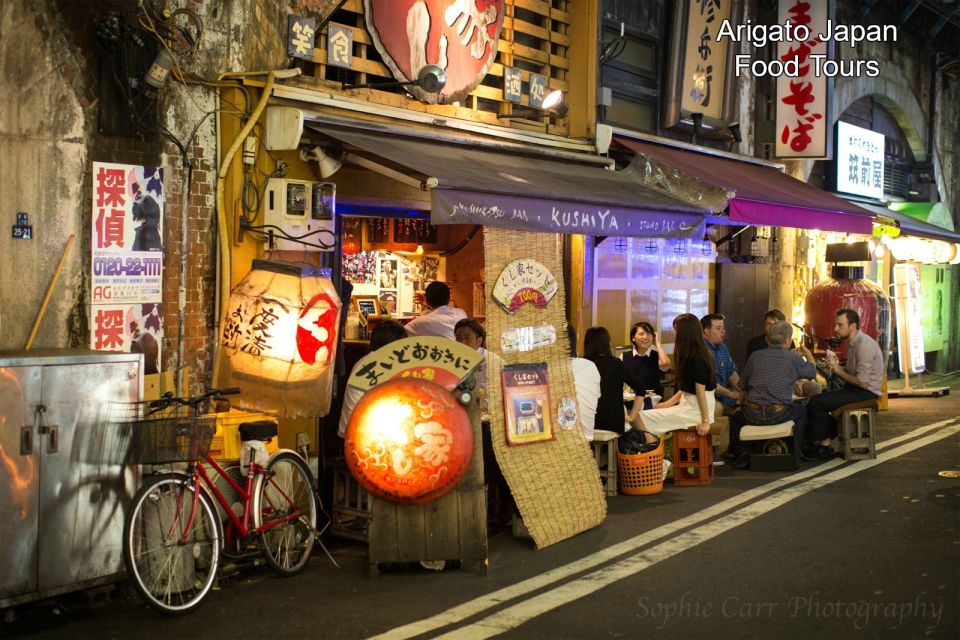
The walking is the backbone of the night. You’re led through backstreets of Shinbashi that most visitors don’t find on their own. This is more than scenic wandering. It changes what you experience.
When you walk the local lanes, you get a stronger sense of:
- where people squeeze into tiny spaces
- how they move in and out
- what the neighborhood smells and sounds like after work
You also pick up practical instincts for Tokyo. For example, you learn how to look for the signs that matter and how to enter without feeling awkward. That matters if you want to come back later on your own.
And the group size helps here too. With up to 10 people, the pace tends to stay human. It’s not a stampede. You still get that local-food feeling of moving step by step, stop by stop, with time to actually look around.
Guide Style Matters: Ray, Francois, Tommy, Yappy, and the Teaching Touch
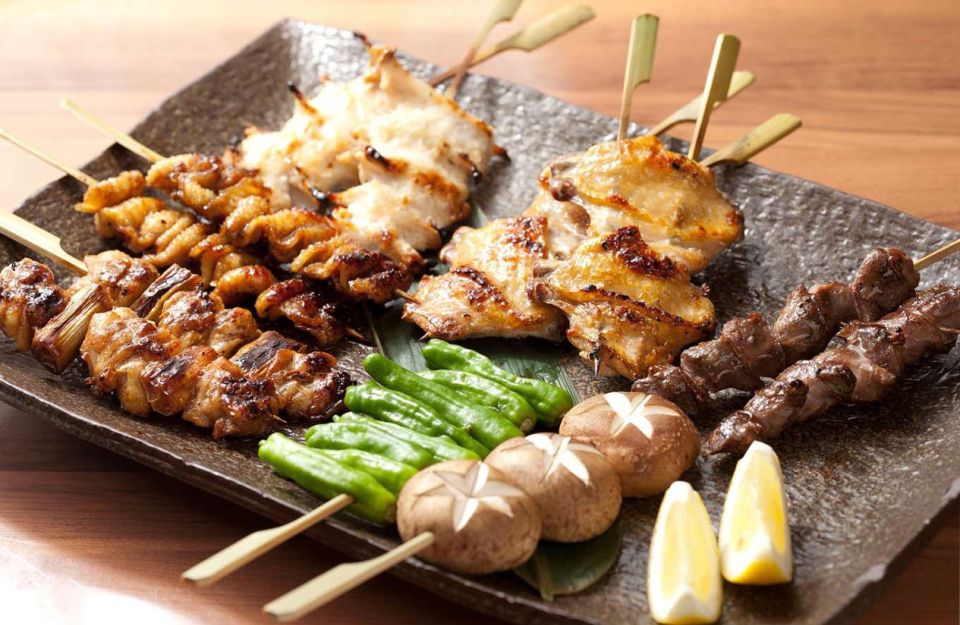
Food tours live or die by the guide. This one has a track record of guides who can explain the why behind food and pub culture, not just list menu items.
Past guides have included Ray, Francois, Tommy, and Yappy, and common feedback points to a mix of insight and fun. One standout detail is the use of visual aids to teach how to bless a meal and how to thank staff when you’re leaving. That might sound small, but it changes the vibe. You’re participating more politely and confidently, and you come off less like a confused outsider.
Guides also tend to leave you with usable pointers beyond the tour. People report that after the walk, they had recommendations for the rest of Tokyo based on what they learned. That’s a big value-add because it turns a food night into planning help for the next day or two.
So if you’re choosing between tours, pay attention to guide energy and teaching style. The descriptions and feedback here suggest you’ll get both.
You can also read our reviews of more tours and experiences in Tokyo



Timing and Logistics: Meeting at Shinbashi Station’s Steam Engine
Let’s make your night smoother. Your meeting point is in front of the decommissioned steam engine at the Hibiya exit of Shinbashi Station. That’s specific, and you should use it.
Two timing rules matter:
- Your guide can wait only 5 minutes after the starting time.
- Once the tour begins, the guide cannot give directions by phone.
So I strongly recommend arriving a bit early and figuring out your route to the Hibiya exit before you’re under pressure. Comfortable shoes matter too. This is a walking-based experience, and Shinbashi’s backstreets can mean more uneven sidewalks than you expect.
Also note the tour is adult-only. Only people aged 20 and over are permitted. If you’re traveling with someone younger, plan a different activity for that person.
Smoking, Comfort, and What Might Surprise You
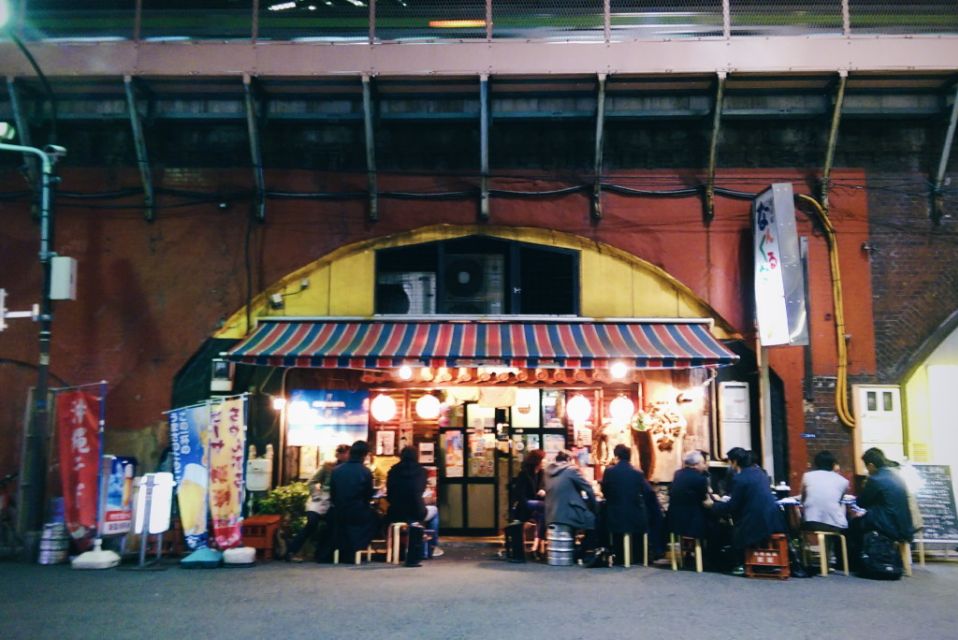
Here’s an item that affects how the night feels: you are free to smoke in most areas of Shinbashi. That doesn’t mean the tour will be a smoke cloud, but it does mean you should expect it as part of the neighborhood atmosphere.
If you’re sensitive, wear a mask only if it helps you personally, and keep your expectations realistic. Outdoors in Tokyo can still involve nearby cigarette smoke depending on how stops are arranged.
On comfort, the straightforward advice wins: bring your best walking shoes. The tour is only 3 hours, but you’ll still be moving and standing near restaurants.
Price and Value: Is $170 Worth It for 3 Hours
$170 per person sounds steep until you look at what’s included. In this case, you’re paying for:
- local dishes at several food stops
- a sake-tasting experience
- an English-speaking guide
- a small group (10 max)
Not included items that can add cost are transportation, hotel pickup, gratuity, and any extra food or drinks beyond what’s planned.
Here’s how I’d judge value. If you were booking each piece separately, the sake tasting plus guided restaurant hopping would likely cost more than you think, especially in central Tokyo. Also, the guide is doing more than guiding; they’re connecting you to where locals unwind, and that can save you time and awkward trial-and-error.
Is it premium? Yes. But it’s not a luxury-only tour. It’s a practical way to sample quality food and alcohol culture in a short window, without spending your evening trying to decode signs and menus alone.
Who This Tour Fits Best (and Who Might Want a Different Plan)
This is a strong fit if you:
- want a Tokyo night plan that feels local, not generic
- enjoy food-and-drink nights where you learn as you eat
- drink or want to learn about Japanese sake, not just have it as background
It’s also a good choice if you like small-group experiences where the guide can guide you through etiquette and ordering.
You might consider something else if you:
- dislike walking at night or need very long breaks between stops
- are uncomfortable with smoking around you
- want a tour for someone under 20 (this one isn’t for them)
Should You Book This Shinbashi Food and Sake Tour?
If you’re planning Tokyo for food, this is the kind of evening I’d book. The combination of hidden Shinbashi backstreets, multiple food stops, and a real sake tasting makes the 3 hours feel purposeful. You’re not just eating; you’re learning the rhythm of after-work Japan, including how to show respect at the table.
My main caution is simple: be on time for the meeting and wear shoes that can handle Tokyo walking. If you do those two things, you’ll likely leave with full stomachs and better instincts for ordering and exploring on your own.
FAQ
Where do I meet for the tour?
Meet in front of the decommissioned steam engine at the Hibiya exit of Shinbashi Station.
How strict is the starting time?
Your guide can wait an additional 5 minutes after the starting time. After that, the tour departs. The guide cannot provide directions via phone once the tour begins.
How much walking is involved, and what should I wear?
This is a walking tour, so comfortable shoes are strongly recommended.
What is included in the price?
The price includes local dishes at several food stops, a sake-tasting experience, and a local English-speaking guide.
What’s not included?
Hotel pick-up (can be arranged for an additional charge), gratuity, transportation costs, and any additional drinks or food you choose to purchase.
Is hotel pick-up included?
No. Hotel pick-up is not included, though it may be arranged for an added cost.
Is smoking allowed during the tour?
You are free to smoke in most areas of Shinbashi, so you should expect smoking may be part of the local atmosphere.