REVIEW · TOKYO
Make Rice Balls and Enjoy a Japanese Home-Style Lunch in Yanaka
Book on Viator →Operated by YANESEN Tourist Information & Culture Center. · Bookable on Viator
A bento class that feels like a neighborhood meal. In Yanaka, you’ll learn how to make onigiri from scratch, then assemble a bento box that looks great and tastes even better. The whole thing runs as a hands-on lunch you can actually recreate at home.
I love that the class mixes skill and fun: you shape rice balls, then customize them with toppings, pickles, and rice sprinkles so your lunch is personal. I also like the way the instructors steer the bento building, including smart bento box layout tips, and you end with a full meal featuring local-style dishes, miso soup, and even roasted coffee. The small group size also helps you get real attention instead of watching from the sidelines.
One possible drawback: the schedule is fairly compact, so if you’re the type who wants lots of free time to linger and wander after, plan that for another day. It’s a cooking-and-eating focus, not an all-afternoon stroll.
In This Review
- Key highlights to watch for
- Why Yanaka turns rice balls into a real Tokyo moment
- Meeting at YANESEN: your starting point in Yanaka
- Onigiri 101: shaping rice balls with toppings, pickles, and sprinkles
- Bento box basics: learning how to plate-up like a Japanese home cook
- Table setting, photo time, and the moment you sit down to eat
- The hidden value: you get more than recipes
- What it’s like for families and mixed groups
- Price and what you’re really paying for
- Timing, duration, and how to plan your day
- Practical tips so your bento doesn’t turn into stress
- Who should book this onigiri and bento lunch class
- Should you book this experience?
- FAQ
- Where is the meeting point for this experience?
- What time does the experience start?
- How long does the class last?
- How many people are in the group?
- What will I make during the class?
- Is lunch included?
- Can I request vegetarian or vegan options?
- What’s the price per person?
- Do I need a paper ticket?
- What if I need to cancel?
Key highlights to watch for
- Onigiri building from scratch with toppings, pickles, and sprinkle ideas you can repeat later
- Bento plating guidance so your box looks neat, balanced, and intentional
- Local okazu added via neighborhood shops so the meal feels grounded in Yanaka
- A real sit-down finish with miso soup and other Japanese home-style dishes
- Small group pace (max 12) which makes questions easier and the class feel relaxed
Why Yanaka turns rice balls into a real Tokyo moment
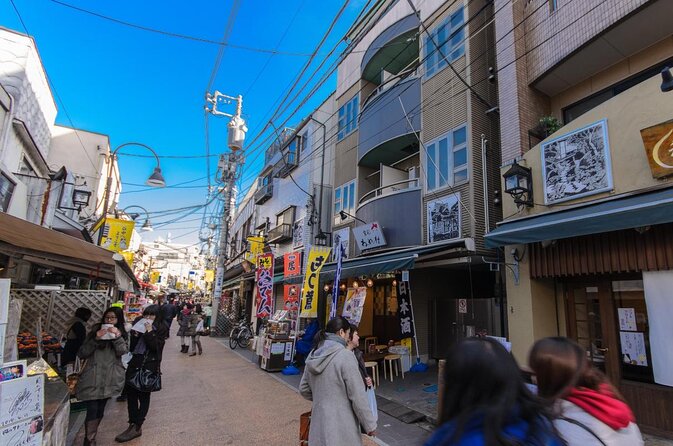
Yanaka is one of those Tokyo neighborhoods where the mood is calmer and the streets feel more human-scale. That matters for this experience because your lunch isn’t just a cooking demo; it’s tied to where you are. When you build your bento with okazu from nearby delis and shops, it turns the class into a mini day-trip into local food culture.
The onigiri part also benefits from the setting. Rice balls are simple, but they’re not boring, and Yanaka gives them a comforting, everyday context. You’re not chasing fancy ingredients for drama; you’re learning technique and style, then eating what you make.
You can also read our reviews of more tours and experiences in Tokyo
Meeting at YANESEN: your starting point in Yanaka
You meet at the YANESEN Tourist Information & Culture Center (3-chōme-13-7 Yanaka, Taito City, Tokyo 110-0001). It’s a straightforward place to find, and the experience is set up so you’re near public transportation.
From the first handshake, the tone is friendly and practical. There’s an introduction phase where you get oriented to what you’ll make, what you’ll use, and how the class will run. If you’re traveling with kids, this is also when they can get comfortable with the group and what’s expected.
The group size is capped at 12 travelers, which makes a difference. In a room like this, you can ask how to shape rice so it holds, and you can get help if your bento layout feels chaotic.
Onigiri 101: shaping rice balls with toppings, pickles, and sprinkles
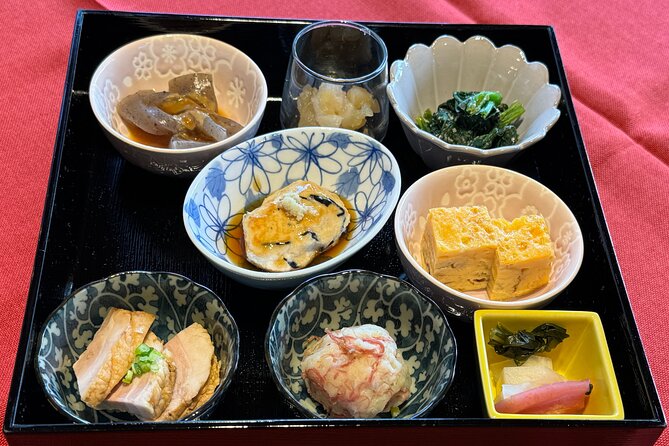
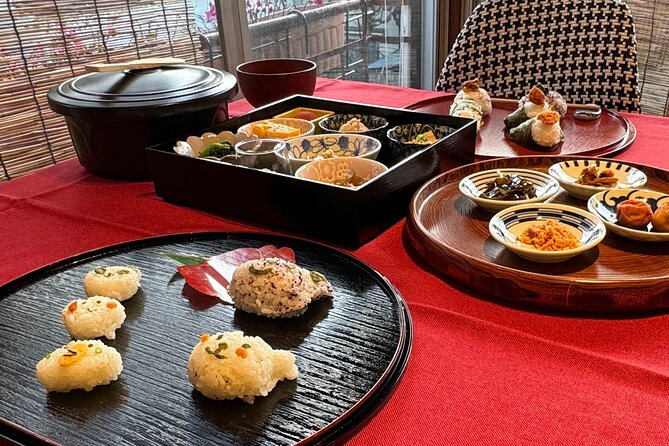
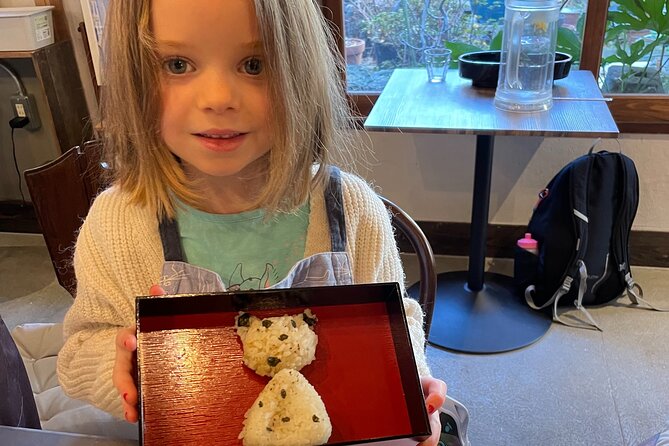
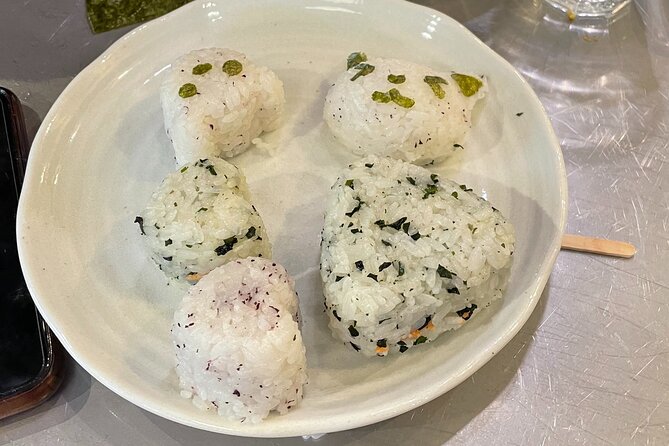
This is the heart of the experience, and it’s where you gain the most “I can do this later” confidence. You start by preparing rice balls—then you move into customization. That means toppings, pickles, and rice sprinkles are part of the fun, not just optional extras.
Onigiri isn’t only about forming a ball. It’s about texture and structure, and the class focuses on the practical side: how to handle the rice, how to build flavors you’ll actually enjoy, and how to make the finished onigiri feel like it belongs in a Japanese lunchbox. The instructors’ pacing helps you avoid overthinking, which is huge if you’re not a “cook by instinct” person.
A few helpful touches have come up in prior classes, like shaping playful forms for kids (one example is onigiri shaped like cats). Another is learning what not to skip—like enjoying a radish element rather than treating it as filler. These are the sorts of small decisions that make your final lunch taste more thoughtful and less like a DIY project.
Bento box basics: learning how to plate-up like a Japanese home cook
Once the onigiri is ready, you shift to the bento box. This is where the class becomes more than cooking—it becomes presentation and planning. You’ll get guidance on laying out your box design and building a balanced lunch that looks good and eats well.
You also use okazu, which are home-style dishes made locally. The class sets up a mix you can recognize and enjoy, such as options like karaage, korokke, yakitori, and tamago-yaki. Because those dishes are purchased at neighborhood delis or shops, your bento feels connected to Yanaka, not assembled from a single grocery run.
The bento guidance is especially useful if you’ve ever opened a lunchbox and thought, My food looks like it survived a storm. You’ll learn the logic behind spacing, how to keep flavors and textures separate, and how to place items so the box looks intentional when you take a photo or pack it for later.
Also, you’re not just stacking items randomly. The goal is a Japanese-style balance: savory bites, a bit of freshness, and comfort foods that pair well with rice. In addition to the okazu, you’ll get a meal finish that includes things like Japanese-style omelet, fresh salad, and teriyaki chicken.
Table setting, photo time, and the moment you sit down to eat
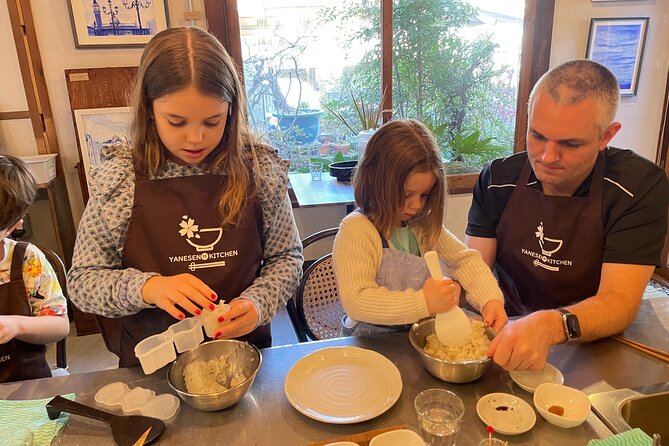
After you build the box, the experience moves into the “this is the payoff” phase. You’ll set up your table, there’s a photo session, and then you eat together with the classic moment of itadakimasu. Even if you’re not into photos, the setup helps you slow down and actually enjoy the result of your work.
The drink pairing is part of the atmosphere too. You’ll enjoy lunch with Tokyo roasted coffee, which adds a cozy, familiar counterpoint to the Japanese flavors. Then the rest of the meal includes miso soup, along with the local dishes included in the bento spread.
This is one of those rare classes where you don’t leave still hungry or distracted by cleanup. You finish with a full lunch experience, and some sessions also end with a sweet and tea. That closing treat makes the whole thing feel complete instead of rushed.




The hidden value: you get more than recipes
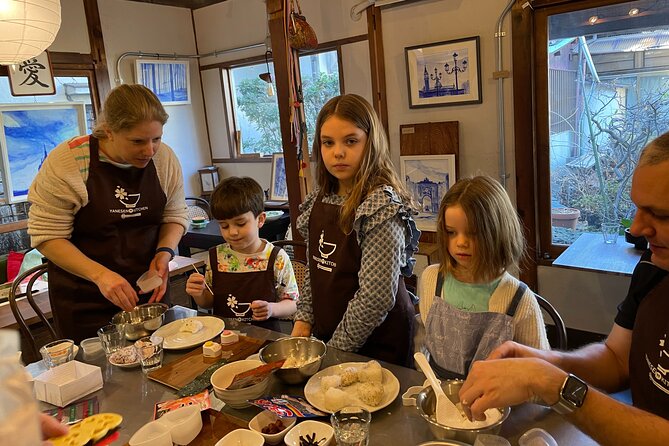
The best part of cooking classes is often what you learn between the lines. Here, that means the small technique and decision-making skills behind Japanese lunch culture.
You’re learning to think in parts: rice balls first, then flavors that complement them, then a box layout that makes the lunch easy to eat. That’s why this works even if you’re not a master cook. You don’t need complicated equipment, and you don’t need rare ingredients.
You also leave with a clearer sense of how to shop for lunch at the neighborhood level. Because the class uses local delis/shops for okazu, you get a practical model for doing the same thing on your own in Tokyo. It’s not just a one-off event; it’s a plan for how to put together a satisfying meal when you’re busy exploring.
If you’re a food traveler, this also gives you better language and confidence. Past participants have said the instructors share useful tips and phrases you can use during the rest of your trip, which makes future food stops less intimidating.
What it’s like for families and mixed groups
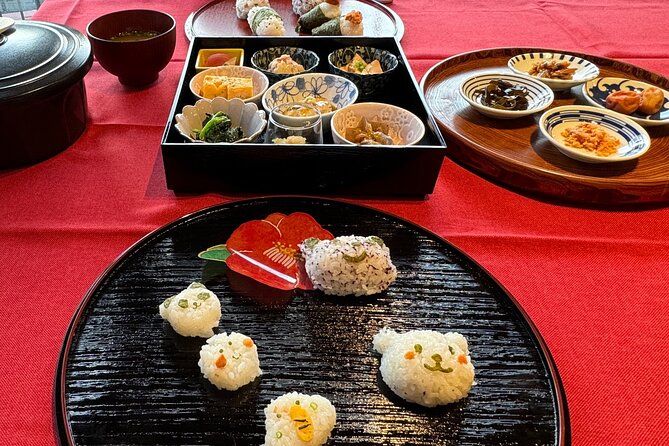
This experience is described as family friendly, and it makes sense. Kids can participate in parts of the meal prep, and the pace is built for multiple skill levels.
One nice bonus from earlier sessions is the presence of kid-friendly distractions such as origami and calligraphy. That kind of structure matters when you’re with children, because it prevents the classic problem of everyone waiting around while adults cook.
For adults traveling as a couple or solo, the same structure helps you focus without feeling stiff. You can ask questions, get hands-on help, and then enjoy the group meal as an actual shared event.
Price and what you’re really paying for
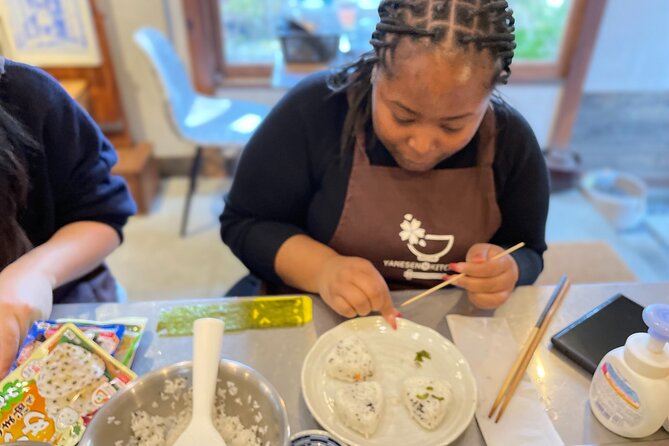
At $60.62 per person, this isn’t a budget snack stop. But you’re not paying for “just lunch.” The experience includes ingredients, tastings, guided instruction, and the meal itself with items like miso soup and coffee.
Think of it as three things rolled into one: a technique class (onigiri + bento plating), a guided way to shop or assemble the bento components (okazu), and a sit-down lunch you didn’t have to plan or prep. If you were to do those separately, the time savings and included food make the price feel more reasonable.
Also, the class size cap matters for value. When there are up to 12 people, your attention-to-food ratio is better than you’d get in a larger workshop.
Timing, duration, and how to plan your day
The tour is listed at about 1 hour 30 minutes, and the detailed flow shows a session stretching from late morning (meet-up around 11:30) through about 2:30. In plain terms: plan for a half-day block where your schedule centers on eating and learning, not rushing off to the next ticketed stop.
Your best move is to build a simple plan around it. Eat light beforehand if you’re sensitive to getting too full quickly, and then treat this as your main meal. After, you can wander Yanaka, but give yourself time to digest and cool down your hunger—this lunch is designed to be a real feast.
Practical tips so your bento doesn’t turn into stress
You’ll do best if you show up ready to work a little. Bring curiosity, expect some hands-on rice handling, and let the instructions guide your rhythm rather than trying to freestyle too early.
A couple practical ideas:
- Wear comfortable clothes you can move in, since you’ll be actively shaping and arranging food.
- If you’re picky about flavors, mention it early. The class includes toppings and pickles, so you can steer your onigiri choices.
- If you have dietary needs, tell the organizers when you reserve. Allergies, vegetarian, and vegan requests are available.
If you’re traveling with allergies, don’t wait until the day of the class to bring it up. This kind of cooking uses components that can overlap, so clear communication helps everyone stay safe.
Who should book this onigiri and bento lunch class
Book it if you want an authentic Japanese meal that isn’t stuck behind a restaurant menu. I like this for food-first travelers who also enjoy learning the small techniques that make ordinary ingredients feel special.
It’s also a strong pick if you want a family-friendly experience in Tokyo. With a small group size, kid participation built into the flow, and possible extras like origami and calligraphy, the day stays fun instead of just instructional.
You might skip it if you prefer purely sightseeing-focused tours or if you only want to eat. This is a hands-on cooking session first, sightseeing second.
Should you book this experience?
Yes, if you want a calm, small-group Japanese lunch class in Yanaka and you’d like to leave with skills you can use again. The combination of onigiri-making, bento plating guidance, and a full meal finish with miso soup and coffee makes it feel complete, not like a short-and-sweet demo.
If you’re on the fence because of time, treat it like your main event for the half-day. Plan your other activities around it, and you’ll feel like you actually ate and learned, not just scheduled something in between trains.
FAQ
Where is the meeting point for this experience?
You’ll meet at YANESEN Tourist Information & Culture Center, 3-chōme-13-7 Yanaka, Taito City, Tokyo 110-0001, Japan.
What time does the experience start?
The start time is listed as 12:00 pm, with the session flow showing a meet-up and introduction phase around 11:30.
How long does the class last?
The experience duration is listed at about 1 hour 30 minutes, and the session flow shows a longer block from late morning to around 2:30.
How many people are in the group?
The class has a maximum group size of 12 travelers.
What will I make during the class?
You’ll make onigiri (rice balls) from scratch, then assemble a Japanese-style bento box with onigiri and home-style okazu dishes.
Is lunch included?
Yes. After the bento presentation and photo time, you eat your creations together, including miso soup and local dishes. Coffee is also included.
Can I request vegetarian or vegan options?
Yes. Allergies, vegetarian, vegan, and other requests are available—let the organizers know when you make the reservation.
What’s the price per person?
The price is $60.62 per person.
Do I need a paper ticket?
No. You’ll have a mobile ticket.
What if I need to cancel?
There is free cancellation. You can cancel up to 24 hours in advance for a full refund. If you cancel less than 24 hours before the start time, the amount paid will not be refunded.