REVIEW · TOKYO
Edo Tokyo & Japanese Culture Tour with Government Licensed Guide
Book on Viator →Operated by Japan Guide Agency · Bookable on Viator
Some days you just want a local guide.
This 6-hour Edo-to-Tokyo history walk does exactly that, using a licensed English-speaking guide to connect old neighborhoods, museums, and river-and-road landmarks into one smooth day. I love that it can be tailored to your interests, and I also like the way the guide helps you make sense of Tokyo’s geography so you spend less time figuring things out on your own. One thing to consider: admission fees, meals, and transit costs are extra, so your final day cost depends on what you choose.
A few standouts that really appeal to me are how much context you get at each stop and the practical help with getting around. Guides I’ve seen praised for excellent communication, like Shinji, Kei-san, Andy, and Show, don’t just point at things; they explain what you’re looking at and how the pieces fit together. If you pick stops that are far apart or change plans late, you may feel time pressure because this tour can involve a fair amount of walking plus local transit.
In This Review
- Key Points at a Glance
- A 6-hour Edo-to-Tokyo History Hit With a Licensed Guide
- How Customization Works When You Pick 3–4 Sites
- Imperial Palace Park Area: What You See (and What You Don’t)
- Ryogoku Sumo Core: Kokugikan, Chanko, and the Edo Flavor at Edo Noren
- Art and Memory Along the Sumida: Hokusai Museum and Earthquake Museum
- Nihonbashi and the Sumida River Walk: Roads, Water, and Old Tokyo Feeling
- Edo Open-Air Architecture and Fukagawa Edo Museum: Two Ways to See Edo Life
- Price and Value: What $154.37 Covers (and What It Doesn’t)
- Getting Around Without Stress: IC Cards, Local Transit, and Cash
- Who This Tour Suits Best (and Who Might Skip It)
- Should You Book This Edo Tokyo & Japanese Culture Tour?
- FAQ
- Do I get into the Imperial Palace inside?
- How many stops can I choose?
- Is entrance fees included?
- Is lunch included?
- Is pickup included?
- What’s included besides the guide?
Key Points at a Glance
- Licensed English-speaking guidance focused on Edo and Tokyo history, not just photo stops
- Pick 3–4 sites from the plan, so you can shape the day around sumo, art, museums, or Edo streets
- Built for real navigation, with help using Tokyo’s train system and IC card basics
- Imperial Palace area viewing without inside access, so expectations stay realistic
- Museums plus themed food in Ryogoku for a well-rounded culture day
- Two different ways to see Edo life through Edo open-air architecture and the Fukagawa Edo Museum setup
A 6-hour Edo-to-Tokyo History Hit With a Licensed Guide
Tokyo can feel like two cities at once: ultra-modern towers beside quiet reminders of how the Edo period shaped life here. This tour is built for that comparison. You’ll spend your day moving between places tied to governance, daily life, art, disasters, and the sumo world—then you’ll leave with a clearer mental map of where the story of Tokyo lives.
The “licensed local guide” part matters. It’s not the kind of tour where you’re left to interpret signs and museum labels alone. You’re walking with someone who can translate the why behind what you’re seeing. And the tone you want on a history day is usually calm and practical—especially if you’re also trying to understand how Tokyo’s neighborhoods connect.
You should expect a primarily walking route, with the possibility of public transport when it saves time. That keeps the day flexible, but it also means you’ll want comfortable shoes.
You can also read our reviews of more guided tours in Tokyo



How Customization Works When You Pick 3–4 Sites
One smart feature here is the customizable structure. Instead of a rigid stamp-collection route, you choose 3–4 stops from the “what to expect” set. That matters because your interests decide the pacing.
Here are common ways to make this day click:
- If you care about the Edo “stage” and sports culture, you’ll likely lean toward Ryogoku plus museum stops tied to daily life.
- If you’re drawn to art, you’ll probably swap in the Sumida Hokusai Museum early, so you still have energy for later streets and architecture.
- If your “musts” are architecture and reconstructed neighborhoods, you may prioritize the Edo-Tokyo Open Air Architectural Museum and/or Fukagawa Edo Museum.
This is also where the private-tour advantage shows up. Since it’s only your group, you can ask questions on the spot, linger when something catches your eye, or skip a stop if you’re tired. Just keep one caution in mind: if you choose stops that are far apart, you can end up with a tight schedule inside a 6-hour window.
Imperial Palace Park Area: What You See (and What You Don’t)
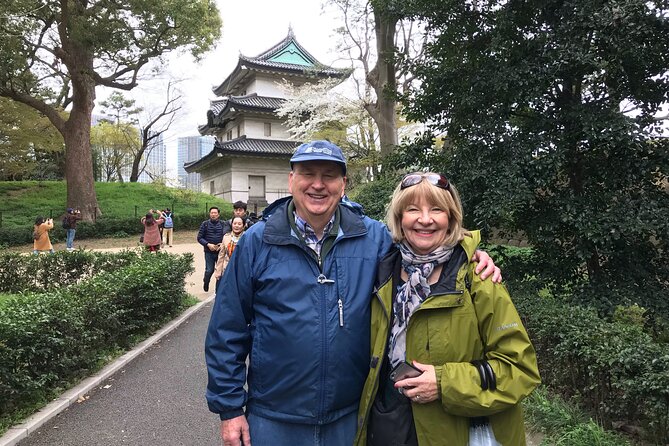
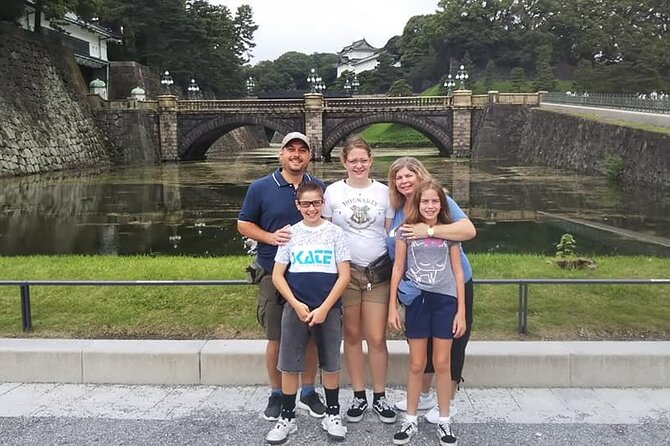
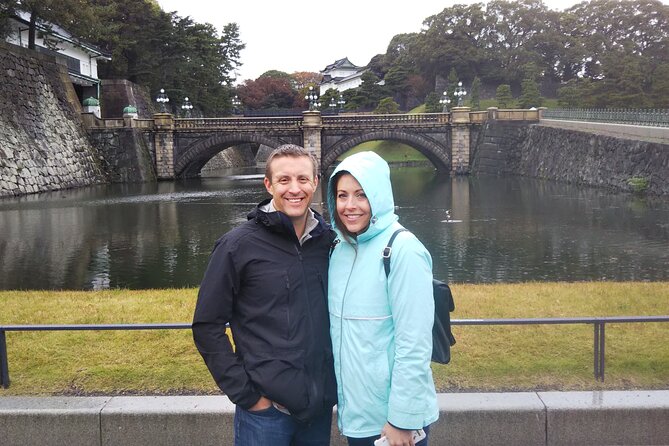
The Imperial Palace stop is a classic way to connect Edo-era power to today’s capital. The location is on the former site of Edo Castle, surrounded by moats and parkland. The big catch: this tour does not include access to the inside of the Imperial Palace.
So how do you get value from this stop? You’re not coming for interior views; you’re coming for context. The surrounding grounds help you visualize what a castle-centered Edo city meant, and your guide can usually connect that to how Tokyo’s governance and urban planning developed over time.
Practical tip: even without inside access, wear shoes you can walk in around the park area. Expect time spent on walking and orientation more than ticketed interior sightseeing.
Ryogoku Sumo Core: Kokugikan, Chanko, and the Edo Flavor at Edo Noren
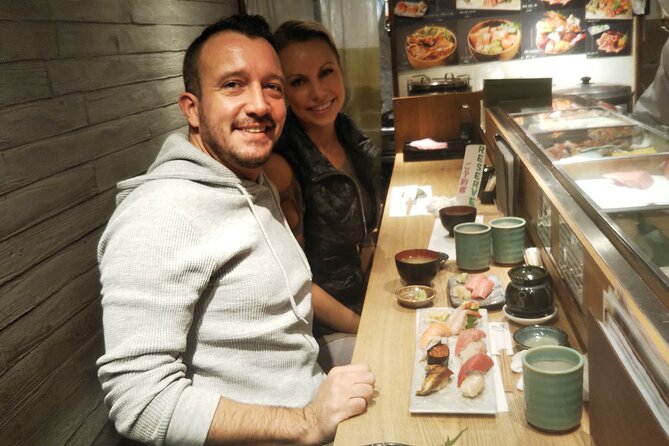
Ryogoku is the emotional center of sumo culture in Tokyo. If you’ve ever watched sumo on TV and wondered what the world looks like beyond the ring, this area gives you the setting.
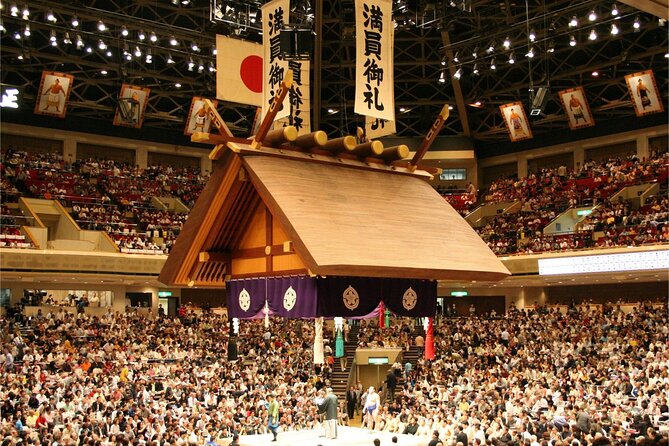
Your stop often includes Ryogoku Kokugikan, the major sumo stadium area. Even if there isn’t an event running that day, the district still communicates what sumo is here: stables, tradition, and the rhythms of training and community. That’s why this stop works so well on a history-and-culture tour—it’s not only sports; it’s culture with rules and identity.
Then you may head to Ryogoku Edo Noren, a food stop designed in an Edo-period style. It’s a useful palate break because it mixes theme and practical eating. I like this kind of stop on history tours: you get a moment to sit, recover, and still feel connected to the day’s theme instead of just grabbing food at random.
Drawback to watch: food courts mean you’ll choose your own meals, and meals aren’t included. If you want a specific sit-down meal, plan for that outside the tour structure.
Art and Memory Along the Sumida: Hokusai Museum and Earthquake Museum
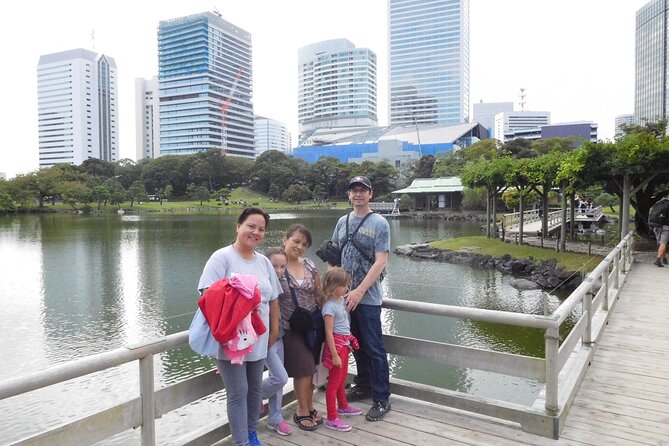
Tokyo’s river connections show up everywhere, especially in art and local storytelling. One of the most pleasant culture pairings in this itinerary is the Sumida Hokusai Museum plus the Kanto Earthquake Memorial Museum.
At the Sumida Hokusai Museum, you’re focused on the ukiyo-e artist Katsushika Hokusai (often just called Hokusai). This stop tends to work best if you like seeing how art reflects city life, not just admiring it behind glass. Museums also give you a break from outdoor walking, which matters in a 6-hour day.
Then the Kanto Earthquake Memorial Museum adds a different kind of history: survival and rebuilding. The Great Kanto earthquake is one of the biggest turning points in Tokyo’s modern story, and this museum is designed to help you understand what happened and how the city rebuilt afterward.
What I like about placing it after art is that it changes your mental gear. One stop gives you Edo-era imagination and expression; the next grounds you in real-world change. Both help you understand Tokyo as a city that constantly rebuilds itself.





Nihonbashi and the Sumida River Walk: Roads, Water, and Old Tokyo Feeling
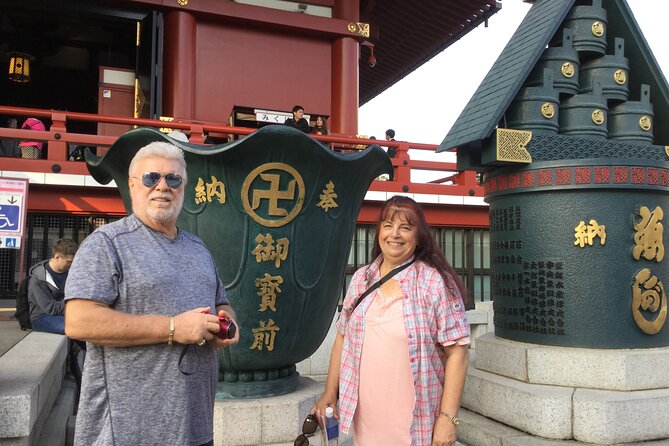
If you want a “walkable Tokyo history” moment, Nihonbashi is often the payoff. This is the area tied to the starting point of major roads that fed commerce and life through Edo. Even now, it carries a traditional feel compared to the surrounding modern grid.
From there, the tour may continue toward the Sumida River (Sumidagawa) area. The Sumida is one of Tokyo’s most familiar rivers to visitors, and it starts north of Tokyo, moving eastward through the eastern neighborhoods. Even a short river view can help you picture how people once moved goods and how the city grew around waterways.
One practical note: the tour uses walking and may use public transport. River and bridge areas are great for photos and orientation, but they can also involve extra walking depending on where you stop. If it’s a hot day or rainy, ask your guide to optimize the route so you don’t lose time to detours.
Edo Open-Air Architecture and Fukagawa Edo Museum: Two Ways to See Edo Life
This is where many people feel the tour pays off, because it’s one thing to hear about the Edo period and another to see reconstructed environments.
One option is the Edo-Tokyo Open Air Architectural Museum. It offers an off-the-beaten-track look at how Japanese culture lived in earlier times. If you like physical spaces—houses, street layouts, and architectural details—this stop will likely be one of your favorites.
Another option is the Fukagawa Edo Museum, which recreates a whole Edo-era neighborhood with streets, houses, shops, and the feel of a community. This type of museum is especially good if you want to understand daily life, not just famous historical moments.
If you’re deciding between them, think about your style:
- Choose open-air architecture if you’re more into building design and outdoor atmosphere.
- Choose Fukagawa if you want a more neighborhood-like stroll through Edo life.
Either way, these museum stops give you that “I can see it in my head” effect—because your guide can point out details you’d usually miss on your own.
Price and Value: What $154.37 Covers (and What It Doesn’t)
At about $154.37 per person for roughly 6 hours, the tour price is mainly paying for something you can’t easily DIY: a licensed guide who connects the dots and helps you move through Tokyo with less friction.
What’s included:
- Licensed local English-speaking guide
- Customizable visit of 3–4 sites from the plan
- Meet up with the guide on foot within a designated Tokyo area
What’s not included (and you’ll plan around this):
- Transportation fees
- Entrance fees
- Lunch and personal expenses
So how do you judge value? If your goal is a guided history day with smart pacing, the cost can feel fair, especially in a private format. If you’re the type who loves free wandering, you could spend less alone. But you’d also miss the contextual explanations and the help with navigating transit.
Also note: guide entry fees are only covered for sights listed under the “what to expect” set. If you add extra stops beyond the set, you’ll want to budget for those separately.
Getting Around Without Stress: IC Cards, Local Transit, and Cash
Tokyo transit can be its own side quest. One of the reasons this tour gets strong praise is that the guide doesn’t just take you there; they help you use the system.
In practice, that often means guidance on IC card usage and navigating Tokyo’s trains and stations. This is a big deal if you’re new to the city, because station layouts can be confusing even when signs are in English.
And yes, you’ll want cash on hand. Japan can still be cash-based, and public transit machines and ATMs can behave differently than what you expect at home. If you rely only on credit cards or you’re low on yen, you can end up stuck when you really want to keep moving.
Also pack for weather. This is a walking-focused day, and conditions change fast in Tokyo.
Who This Tour Suits Best (and Who Might Skip It)
This tour fits you best if you want:
- A history-first day, not just sightseeing pictures
- A guide who can explain context at each stop
- Help planning a route that includes Edo-themed museums and districts like Ryogoku
- A private group experience with customization
You might skip it if:
- You hate walking and want a totally low-effort plan
- You only want big-name sights with minimal transit
- You expect the Imperial Palace interior tour (this plan does not include inside access)
A small word on the Imperial Palace stop: the name sounds grand, but the reality is park and views around the area. If you wanted ceremonial interior access, you’ll feel shortchanged. If you want the Edo-to-now connection, you’ll likely be satisfied.
Should You Book This Edo Tokyo & Japanese Culture Tour?
I’d book it if your ideal Tokyo day is part museum, part neighborhood feel, and part “someone explain this to me like I’m smart but busy.” The private, licensed-guide setup makes the history easier to hold onto, and the pacing works well when you choose 3–4 sites that match your energy.
Book it especially if you’re the type who likes practical help—like learning how to handle Tokyo transit basics—because the best versions of this tour lean into that guidance. And if you care about Edo culture in more than one form (sumo culture, art, river-road landmarks, and reconstructed neighborhoods), the stop mix here gives you that range.
Just pick your stops thoughtfully. If you spread them too far, time can feel tight inside 6 hours. You’ll get the best day when the itinerary matches the kind of Edo story you want to experience.
FAQ
Do I get into the Imperial Palace inside?
No. This tour includes viewing the Imperial Palace area, but it does not include access to the inside of the Imperial Palace.
How many stops can I choose?
You can customize the tour to include 3–4 sites from the included options.
Is entrance fees included?
No. Entrance fees are not included, and you should budget for them depending on which museums or sites you select.
Is lunch included?
No. Lunch is not included.
Is pickup included?
Pickup is offered, but the meet up is described as being on foot within a designated area of Tokyo.
What’s included besides the guide?
You get a licensed local English-speaking guide and a customizable itinerary. There’s also mention of a mobile ticket, plus you’ll be in a private tour/activity where only your group participates.