REVIEW · TOKYO
Tokyo 6 hr Private Guided Tour & Tea Ceremony Experience
Book on Viator →Operated by Japan Guide Agency · Bookable on Viator
Tokyo is easier when someone local steers. This private guided tour packs classic neighborhoods with a hands-on tea ceremony so you get both the photos and the meaning behind them.
I like that you can choose 2–3 stops from a menu instead of being dragged through everything. I also like the small-group feel (max 10) paired with a licensed English-speaking guide, which makes it simpler to ask questions and adjust on the fly.
One consideration: it does not include all entrance fees or transport, and parts of the day are quick walks plus transit. If you’re hoping for long time at one place, you’ll want to pick your stops carefully.
In This Review
- Key takeaways before you go
- Your 6 hours in Tokyo: what this tour really delivers
- Picking your stops: choose 2–3 like a pro
- Jidaiya: a more personal entry into traditional culture
- Asakusa and Sensō-ji: Shitamachi atmosphere without the stress
- Imperial Palace grounds: great views, no palace interior
- Hamarikyu Gardens: when Tokyo meets the tides
- Shibuya Crossing and Takeshita Street: modern Tokyo, quick hits
- Meiji Jingu Shrine: a peaceful pause near Harajuku
- Akihabara and Tsukiji: shopping and food with a guide’s filter
- Gardens beyond Hamarikyu: Rikugien, Koishikawa Korakuen, and Shinjuku Gyoen
- Shinjuku Golden Gai: tiny lanes with big character
- Tea ceremony: the cultural moment that makes the day stick
- Price and logistics: is $161.25 good value?
- Guide quality can change your pace
- Who should book this Tokyo tea-and-sights tour
- Should you book it? My take
- FAQ
- What’s included in the tour?
- How long is the tour?
- Is Imperial Palace access included?
- Are entrance fees included?
- Does the tour include transportation or travel cards?
- Do I need to rent a kimono for the tea ceremony?
- How big is the group?
Key takeaways before you go
- Tea ceremony is the anchor of the day, not a rushed add-on
- Choose 2–3 sites so your route matches your interests
- Licensed local English guide helps you read neighborhoods and customs
- Some entries are free, some aren’t (especially gardens)
- You’ll see big Tokyo contrast from old Shitamachi streets to Shibuya and Akihabara
- Tight navigation matters; pace and meeting points can vary by guide
Your 6 hours in Tokyo: what this tour really delivers
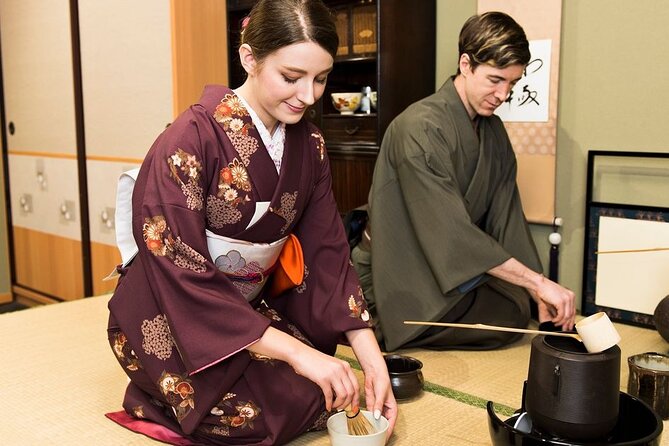
A good first day in Tokyo is mostly about orientation. You need streets you can recognize later, neighborhoods you can picture on a map, and a few cultural moments that help the city make sense. This tour does that by mixing temples, shrines, markets, gardens, and modern hangouts—then tying it together with a traditional tea ceremony.
What makes it work is the balance. You get a guide who can translate what you’re seeing into everyday context, and you’re not stuck with a fixed route. You pick the specific stops (2–3), so your day can lean more cultural, more food-and-shopping, or more “Tokyo then and now.”
The other big factor is pace. The tour is 6 hours, so it moves. Some stops are naturally short (crossings, districts, viewpoints). That’s fine if you treat this as a sampler that helps you decide what to explore later on your own.
You can also read our reviews of more guided tours in Tokyo

Picking your stops: choose 2–3 like a pro
The tour is customizable, and that’s the part you should take seriously. With only 6 hours, your best value comes from choosing stops that connect by area or by theme.
Here are a few smart ways to choose:
- Old Tokyo + gardens: Asakusa (Sensoji) paired with a garden like Hamarikyu or Rikugien
- Culture + modern city: Meiji Jingu shrine paired with Shibuya Crossing or Harajuku
- Food + browsing: Tsukiji Outer Market paired with Akihabara
- Quiet breaks in-between: A shrine plus a garden works well when you want time to slow down
Also notice what’s included versus not. Admission is often free at temples and many districts, but gardens list admission as not included. So if you care about gardens, plan for extra ticket costs.
Jidaiya: a more personal entry into traditional culture
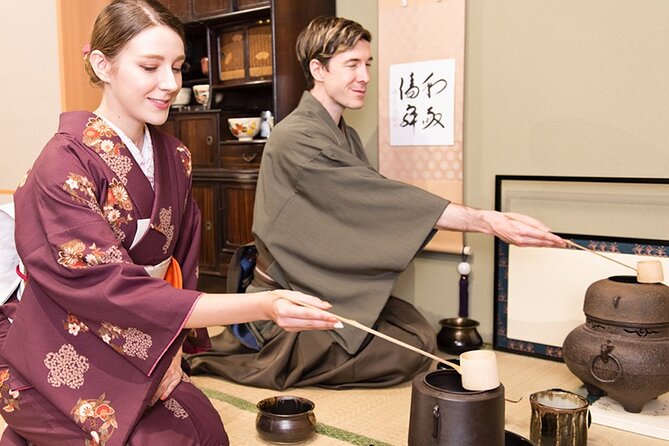
One of the first stops can be Jidaiya, described as a Japanese culture experience program. The point here is not just “see a building.” It’s more like an alternate Asakusa-style activity for people who want something that feels deeper than a quick sightseeing loop.
If you like structured cultural activities—where you’re guided through what to notice—this is a strong start. It can also help set the tone for the later tea ceremony, since you’re already in a mindset of manners, objects, and meaning.
A small practical note: the stop time is about 1 hour. That’s enough for an experience to land, but not enough to turn it into a full second attraction day.
Asakusa and Sensō-ji: Shitamachi atmosphere without the stress
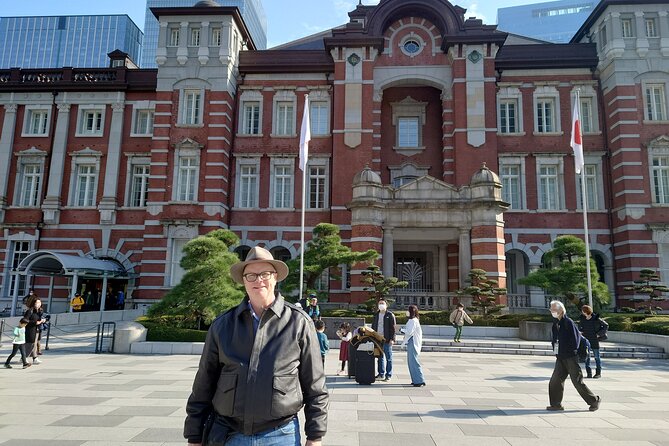
Asakusa sits in Tokyo’s Shitamachi world—the older “low city” vibe where older Tokyo still feels present. The center of it all is Sensoji, a famous Buddhist temple. It’s one of those places where you can wander for the visuals, but the guide helps you connect what you’re seeing with why it matters.
Your time here is short in this format (about 30 minutes for Asakusa, about 15 minutes for Sensō-ji). That means you won’t cover every side lane in depth. Instead, you’ll get the main sights and a sense of how the neighborhood flows—useful if you plan to come back later for longer.
If you’re the type who hates missing the obvious landmarks, this is your safety net. The guide keeps it tight, and you leave with enough context to explore on your own after.
Imperial Palace grounds: great views, no palace interior
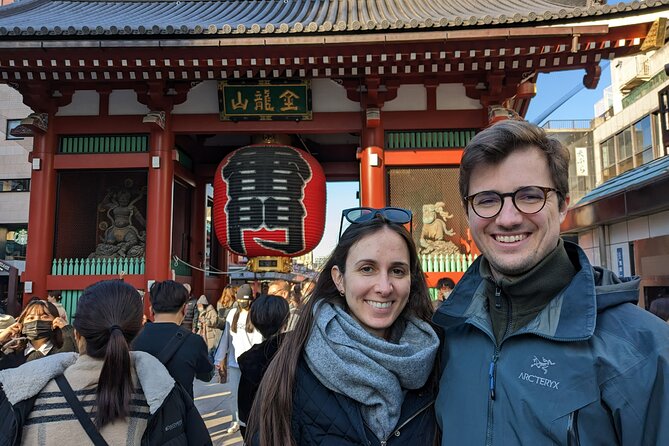
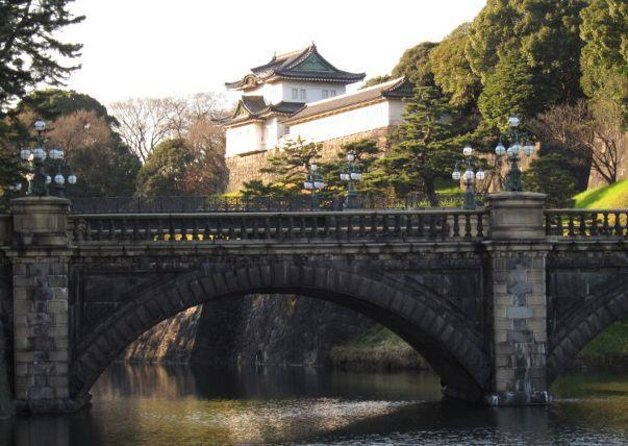
Another possible stop is the Imperial Palace area. The key detail: this tour explicitly does not include access inside the palace. What you can do is enjoy the surroundings—think park-like grounds, moats, and the scale of the former Edo Castle site.
Why this is still worth it: Tokyo has few places that feel like “pause and absorb.” Even from the outside, the palace grounds give you a different tempo than shopping streets and station corridors.
If your dream includes walking inside the palace itself, you’ll need a different booking. For everyone else, the exterior view with a guide is a solid use of time.
You can also read our reviews of more private tours in Tokyo


Hamarikyu Gardens: when Tokyo meets the tides
If you want a calmer, more refined stop, Hamarikyu Gardens is a good choice. It’s by Tokyo Bay, and the standout detail is that it has seawater ponds that change level with the tides. There’s also a teahouse, which adds to the feel of a place built for observation.
Admission is listed as not included, so budget for tickets if you choose this stop. Still, gardens are a smart counterweight in a 6-hour day. They give you shade, space, and a break from constant motion.
Watch for this: you’re working with a short time slot (about 15 minutes). That’s not a full garden stroll. But with a guide, you can hit the most important areas and still get a genuine reset.
Shibuya Crossing and Takeshita Street: modern Tokyo, quick hits

When the tour swings toward Shibuya Scramble Crossing, you’re going for an instant “Tokyo postcard.” This crossing is famous for a reason: it’s chaotic by design, and seeing it in person helps you understand the city’s rhythm.
From there, you may also reach Takeshita Street in Harajuku, which is known for teenage fashion and extreme style culture. If you want a slice of youth trends, this is the stop.
The pro move here is to treat both as high-impact photo zones and orientation spots. Don’t try to do everything inside them. Let the guide point you toward what to notice, then move on before you lose time.
Meiji Jingu Shrine: a peaceful pause near Harajuku
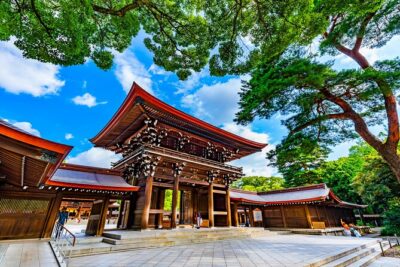
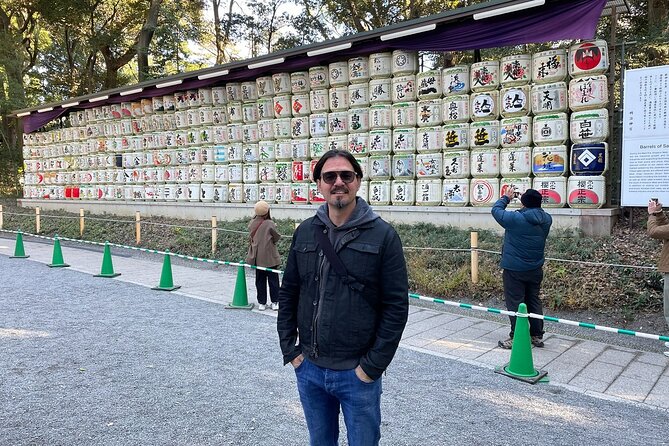
Meiji Jingu is a shrine dedicated to the deified spirits of Emperor Meiji and Empress Shoken. It sits right beside the JR Yamanote Line near busy Harajuku, which makes it especially interesting: you can feel the contrast between station-world and a more ceremonial calm.
This stop is about 30 minutes and admission is listed as free. It’s long enough to slow down, observe shrine details, and reset your senses after the street-energy.
If you’re tempted to skip it because it’s “just a shrine,” don’t. This is one of the best ways to feel the idea of respect and ritual in Japan without needing an all-day excursion.
Akihabara and Tsukiji: shopping and food with a guide’s filter
Two popular options are Akihabara and Tsukiji Outer Market.
Akihabara is famous for electronics and the way tech connects to pop culture. This stop is about 30 minutes and admission is listed as free. With a guide, you can focus on what fits your interests—whether that’s cool gadgets, character-related shops, or simply learning where different kinds of stores cluster.
Tsukiji is a different kind of experience. The tour frames it as the outer market area next to the old wholesale market site, made up of blocks of wholesale and retail shops. It’s listed for about 30 minutes and admission is free. It’s a good place to snack and browse—just keep your spending flexible since food costs can add up fast.
The practical advantage of having a guide here: you’re less likely to wander into the wrong alleys at the wrong time, and you’ll know what’s worth your limited time.
Gardens beyond Hamarikyu: Rikugien, Koishikawa Korakuen, and Shinjuku Gyoen
Tokyo has more than one great garden option on this tour menu, and the timing matters because each one has a distinct feel.
- Rikugien Garden: described as one of Tokyo’s most beautiful landscape gardens alongside Koishikawa Korakuen. It was built around 1700 for a Tokugawa shogun. Admission is listed as not included.
- Koishikawa Korakuen: one of Tokyo’s oldest and best Japanese gardens, built in the early Edo period. Admission is listed as not included, and the suggested time is about 15 minutes.
- Shinjuku Gyoen National Garden: one of Tokyo’s largest and most popular parks, with lawns and quiet scenery. Admission is not included, and time is short (about 15 minutes).
If you’re choosing one garden only, pick based on what you care about:
- If you want tide-related curiosity, choose Hamarikyu.
- If you want classic Edo-era design, choose Rikugien or Koishikawa Korakuen.
- If you want a bigger park feel, choose Shinjuku Gyoen.
With only 15–30 minutes per garden in this format, your guide becomes the difference between seeing a garden and actually understanding how to look at it.
Shinjuku Golden Gai: tiny lanes with big character
Golden Gai in Shinjuku is described as a cluster of small eating and drinking establishments that started around the 1950s when the black market moved. The vibe is about the backstreet feel and tight lanes.
This is a great choice if you like atmosphere over landmarks. It’s listed for about 30 minutes and admission is free. Don’t plan to do a full meal here unless you’re ready to pick one spot and commit—time is limited.
It’s also a nice contrast after markets or electronics. Golden Gai helps you remember that Tokyo isn’t only about big sights. It’s also about small rooms and neighborhood life.
Tea ceremony: the cultural moment that makes the day stick
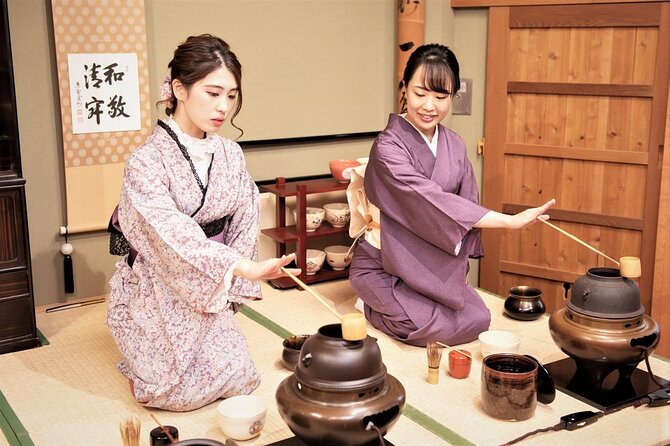
The tour includes a traditional tea ceremony experience. Even without extra bells and whistles, this matters because it’s interactive. You’re not just looking at culture—you’re participating in it.
It also gives your day structure. When your sightseeing shifts between shrines, markets, and high-energy districts, the tea ceremony provides a clear cultural “center.” It’s a good match for the kinds of stops on this menu because many of them involve etiquette, ritual, and specific objects or spaces.
What’s not included: kimono rental. If you’re hoping to wear one, you’ll need to arrange that separately.
My practical advice: wear comfortable clothes and shoes. You’ll likely want an easy day, not a day where your outfit becomes an obstacle.
Price and logistics: is $161.25 good value?
At $161.25 per person for about 6 hours, this can be a good deal if you use it correctly. Here’s why: you’re paying for a licensed English-speaking guide, the tea ceremony, and a focused route tailored to your choices.
The value drops if you don’t plan for extra costs, because transportation and some entrance fees are not included. Entrance fees are not listed as included overall, and gardens explicitly show admission not included. Lunch is also not included, so budget for food breaks.
Another logistics detail matters: pickup is offered from one of Tokyo’s 23 Special Wards, but the tour also notes meeting the guide on foot within a designated area. That means your day could start at your hotel area or at a meeting point, depending on where you’re staying. If pickup matters a lot to you, confirm it before you lock it in.
Finally, it’s called private, but it can have a maximum of 10 travelers. That’s still small compared with big group bus tours, and it usually means your guide can keep the day moving without losing control.
Guide quality can change your pace
The tour’s success depends on the guide’s energy and navigation. One guide named Taka has been described as fun and knowledgeable, with a terrific itinerary plan for a group. If you get someone who’s confident and quick, you’ll likely feel like the day flows and you hit the right spots without chasing exits.
On the other hand, a guide named Kris has been described as having trouble keeping up pace, getting lost at subway exits, and struggling with photo support. That doesn’t mean the tour is bad. It means you should set expectations: the route is time-bound, and Tokyo trains can turn confusing fast.
If you care about photography or a faster rhythm, message the provider ahead that you want time for photos and clear meeting points. Also, ask your guide early how you’ll handle transit so nobody loses time.
Who should book this Tokyo tea-and-sights tour
This is a strong fit if:
- You’re in Tokyo for a limited number of days and want a guided sampler
- You want tea ceremony plus city neighborhoods in one booking
- You like choosing your own balance of old versus modern Tokyo
- You prefer a small-group feel and an English-speaking guide who can answer questions
It may not be ideal if:
- You hate timed itineraries and want to roam freely without structure
- You want deep, hour-by-hour coverage of one single attraction
- You’re trying to keep your costs ultra-low once admissions and food are added
Should you book it? My take
I’d book this tour if you want a smart, guided Tokyo “starter pack” with a cultural anchor. The tea ceremony helps it feel more meaningful than a standard sightseeing day, and the ability to choose 2–3 stops lets you target the neighborhoods you actually care about.
I wouldn’t book it blindly if you’re set on doing the inside of the Imperial Palace, or if you plan to rely on it to cover all transit and admissions. Gardens can add extra ticket costs, and the day is built for variety, not marathon time at one place.
If you’re flexible and you pick stops that fit your mood, this is a practical way to get oriented fast—and still leave Tokyo with a memory beyond just photos.
FAQ
What’s included in the tour?
You get a licensed local English-speaking guide, a tea ceremony experience, and a customizable choice of 2–3 sites from the available options. A mobile ticket is also provided.
How long is the tour?
The tour runs for about 6 hours.
Is Imperial Palace access included?
No. The tour does not include access to the inside of the Imperial Palace.
Are entrance fees included?
Some spots are shown as free, but entrance fees are listed as not included overall. Gardens like Hamarikyu, Rikugien, Koishikawa Korakuen, and Shinjuku Gyoen show admission as not included.
Does the tour include transportation or travel cards?
Transportation fees are not included, and a private vehicle is not included.
Do I need to rent a kimono for the tea ceremony?
Kimono rental is not included.
How big is the group?
The maximum group size is 10 travelers.