REVIEW · TOKYO
Private Car Tour to see Highlights of Kamakura, Enoshima, Yokohama from Tokyo
Book on Viator →Operated by Japan Star Travel Agency · Bookable on Viator
Kamakura and Yokohama in one guided day. I love the private car format that makes this coast-to-city hop feel easy, and the local guides who can steer your day toward what you care about. The route is built around classic sights, but the delivery tends to be practical: stops are timed, walking is manageable, and you get context while you’re moving.
One thing to think through: most ticketed sites cost extra, so your total spend depends on how many paid stops you pick (the plan suggests selecting around 4–6 sites). If you’re trying to keep costs tight, focus on a few top priorities and treat the rest as optional.
In This Review
- Key highlights worth planning for
- Private Car Day From Tokyo That Actually Feels Private
- Kamakura’s Great Buddha and Bamboo Grove: The Quiet Power Combo
- Flower-Temple Hasedera and the Samurai-Era Shrine Circuit
- Komachidori Shopping Without Turning It Into a Chore
- Zen Temples With Garden Time: Kencho-ji and Engaku-ji
- Meigetsuin Hydrangeas and Zeniarai Benten’s Coin-Washing Myth
- Tokeiji Temple’s Story and Enoshima’s Sea-Air Reset
- Yokohama Minato Mirai Views: Minato Mirai 21 to Sky Garden
- Sankeien Gardens: Traditional Buildings Moved From Kyoto
- Food-Museum Stops in Yokohama: Cup Noodles and Ramen
- The People Factor: Guides Who Actually Adjust Your Day
- Price and Entrance Fees: What You’re Really Paying For
- How to Choose Your Stops So the Day Doesn’t Feel Jammed
- Should You Book This Private Car Tour?
- FAQ
- How long is the tour?
- What is the group size limit?
- Is pickup in Tokyo included?
- What’s included in the tour price?
- Are temple and museum entrance fees included?
- Can you customize which sites you visit?
- What ticket format do you use?
- What happens if weather affects visibility?
Key highlights worth planning for
- Kotoku-in Great Buddha includes an inside-the-statue option for a small extra fee
- Hokoku-ji bamboo grove + matcha and sweets at a teahouse with bamboo views
- Hasedera Temple’s seasonal flower focus (cherry blossoms, hydrangeas, maple leaves) plus a major Kannon statue
- Enoshima Island gives you an easy seaside break, and you might catch Mt. Fuji when weather cooperates
- Yokohama’s Minato Mirai area mixes big-city views with traditional garden time (Sankeien Gardens)
- Two food-museum style stops are available: Cup Noodles Museum and Shinyokohama Ramen Museum
Private Car Day From Tokyo That Actually Feels Private
This is the kind of outing that helps you avoid the classic Japan day-trip trap: cramming transfers, trains, and walking distances until you’re too tired to enjoy the sights. With a private vehicle and a guide, you’re not stuck waiting for the slowest person in the group. You can move between Kamakura’s temple lanes, Enoshima’s sea air, and Yokohama’s waterfront without fighting schedules.
What you gain is control. You can decide how long you want at the temples, whether you want more photo time, and which sights matter most. A bunch of reviews praised guides for flexibility, including people like Ken and Yoshi for keeping the pace comfortable, and Taisho for adjusting toward the family’s interests.
The trade-off is simple: because it’s a private itinerary with lots of optional ticketed stops, entrance fees can add up fast. The tour covers the ride and logistics, but not the site admissions—so check what you want to pay for before you go.
You can also read our reviews of more private tours in Tokyo

Kamakura’s Great Buddha and Bamboo Grove: The Quiet Power Combo
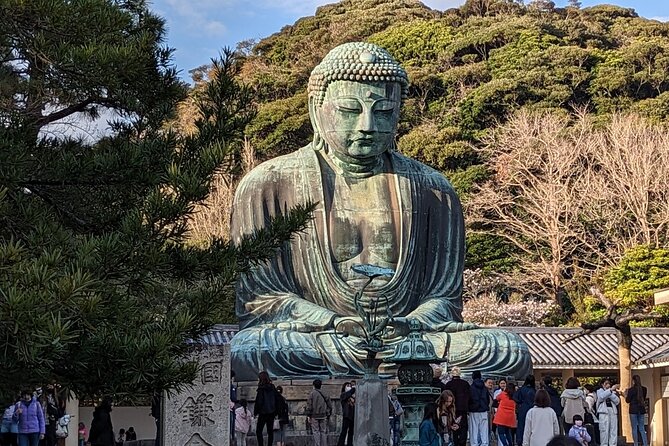
Kamakura starts with Kotoku-in, home to the Great Buddha (Amida Buddha). This statue is huge—13.5 meters tall—and it’s in an open-air setting, so you can feel the scale without feeling trapped indoors. You pay an admission fee to enter the grounds, and there’s also a special small fee option to go inside the body (the details note 20 yen for entry inside). It’s one of those moments where a photo doesn’t really explain it.
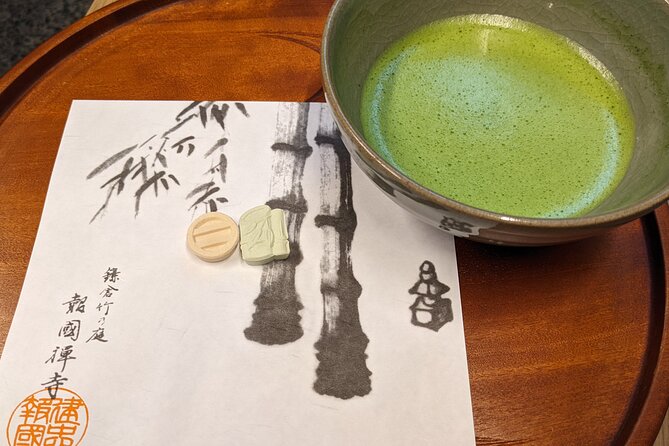
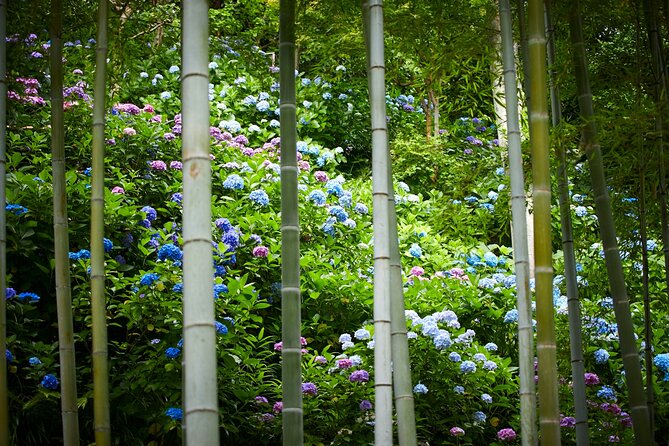
Then comes Hokoku-ji, famous for its bamboo grove. If you’ve only seen bamboo in photos, you’ll understand why people slow down here. The grove is the focus, and there’s an easy “sit and reset” break built in: you can order matcha green tea and Japanese sweets at a teahouse with bamboo views. This stop is often a favorite because it’s calm, scenic, and not just a quick walk-by.
A practical tip: bamboo temples can feel cooler than the city even on warm days. If you’re traveling in spring or summer, bring a light layer so you don’t feel chilled during tea time.
Flower-Temple Hasedera and the Samurai-Era Shrine Circuit
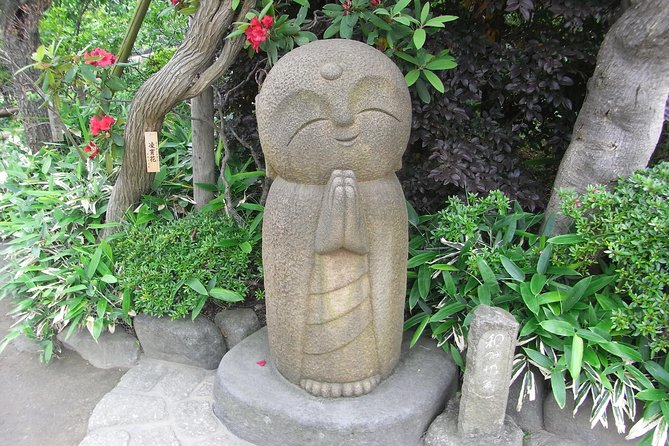
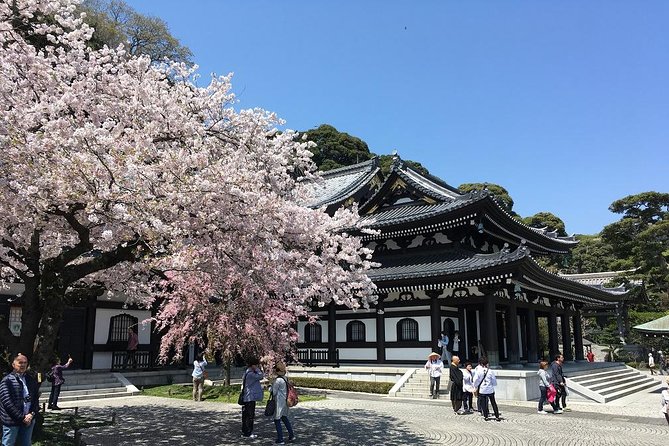
Hasedera Temple leans hard into the seasons. In spring, it’s known for cherry blossoms. In late May through late June, hydrangeas are the star. In autumn, maple leaves take over. Even if you’re not there in peak bloom, the temple is famous for its 9.18-meter-tall gilded wooden statue of Kannon, the goddess of mercy. That combination—flowers plus a major religious icon—gives this stop more emotional weight than a standard temple visit.
Next is Tsurugaoka Hachimangu Shrine, a Shinto shrine tied to war and samurai in general. This is also a popular wedding site, and the grounds can be gorgeous in seasonal flower periods like cherry blossoms or azalea season. If you like seeing how religion, tradition, and modern life overlap, this is a good place to notice it.
Between Hasedera and Tsurugaoka, you’ll likely feel the shift from “garden temple mood” to “big cultural shrine energy.” That’s part of why the itinerary works well for a single-day hit: it doesn’t keep one vibe the whole time.
Komachidori Shopping Without Turning It Into a Chore
Near Tsurugaoka is Kamakura Komachidori, a long shopping street packed with snacks, small gifts, and casual stops. This is where you can grab souvenirs without having to plan a separate shopping trip. Expect things like Kamakura-bori lacquerware, pigeon-shaped cookies (Toshimaya Hato sable), and bean snacks (Kamakura mameya).
I like this stretch because it gives you a low-pressure break. After temples and shrines, shopping can feel like a reward instead of a task, especially if you’re traveling with family members who want a fun stop. If you’re sensitive to crowds, aim for earlier in the day if possible, then keep your browsing efficient: buy what you want, then get back to the scenery.
Zen Temples With Garden Time: Kencho-ji and Engaku-ji
Kamakura has multiple Zen temples, and the tour includes two major ones: Kencho-ji and Engaku-ji.
Kencho-ji is described as the oldest and highest ranking Zen temple in Kamakura, and it can offer meditation practice on certain dates. Even if you don’t catch a practice session, it’s a grounding stop that feels less commercial and more focused on atmosphere. This is also a place where Zen t-shirts are sold, which sounds minor until you realize it’s a convenient way to pick up a practical souvenir.
Engaku-ji is the second important Zen temple, known for its large temple gate and bell. The tour also notes a connection to film director Yasujiro Ozu, and there can be a café within the temple compound where you can enjoy lunch, sweets, and matcha on certain dates.
The value here is pacing. You get physical variety—temples, gardens, incense-and-stone atmosphere—plus a break that feels more like a slow pause than another checklist item.
You can also read our reviews of more tours and experiences in Tokyo
Meigetsuin Hydrangeas and Zeniarai Benten’s Coin-Washing Myth
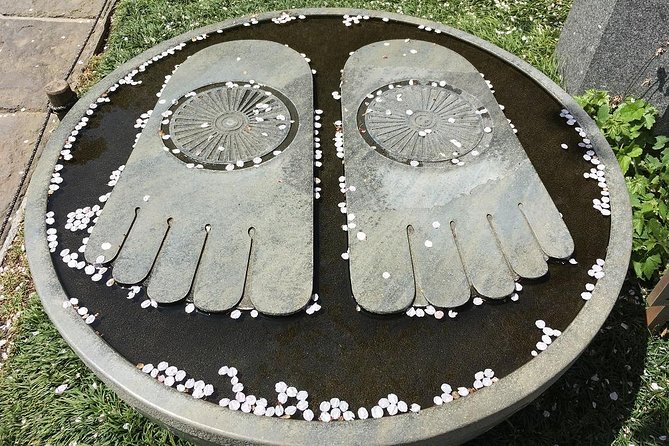
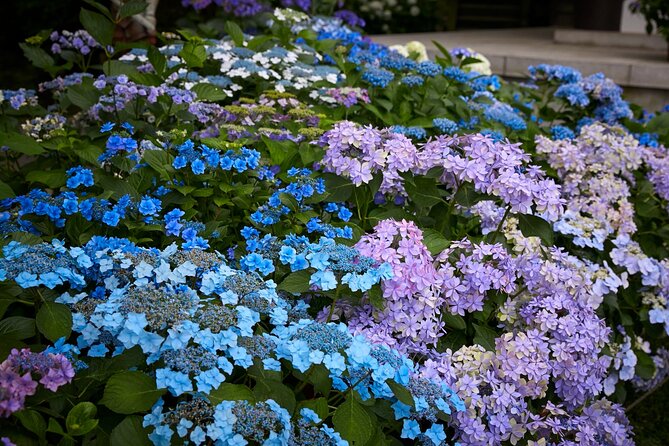
Meigetsuin is the “hydrangea temple” stop, famous for blue hydrangeas from late May to late June. A signature detail is the circular window in the main hall, which frames the garden scenery behind it. People queue for photos, so if that’s your thing, plan for short waits and bring patience.
Then there’s Zeniarai Benten Shrine, known for a belief about increasing income by washing coins in holy water. It’s a fun, quick cultural moment because it’s specific and memorable, and it also gives you something different from the bigger shrine-photo stops.
If you’re thinking like a realist: these are short stops designed to keep your day moving. Don’t expect a long sit-down experience here. Treat them as “small moments that add variety.”
Tokeiji Temple’s Story and Enoshima’s Sea-Air Reset
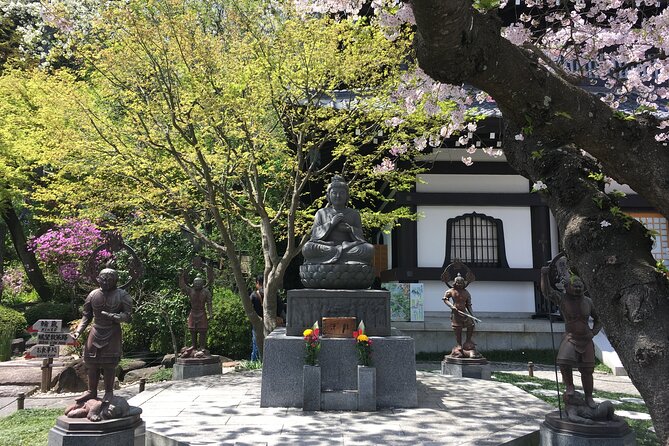
Tokeiji Temple is quieter and emotionally distinct. It served as a shelter for women who suffered abuse by their husbands and sought a divorce, at a time when only men were allowed to ask for divorce. The gardens have seasonal flowers too—plums early in spring, iris and climbing hydrangea in June, with gardens stretching back toward wooded hills.
This is where your day becomes more than sightseeing. It’s a reminder that history in this region isn’t only about battles and rulers—it’s also about ordinary people navigating strict rules.
After Kamakura, you shift to Enoshima Island, the seaside portion that helps the day breathe. The island can include a shrine, aquarium, botanical garden, observation tower, and caves. Mount Fuji can sometimes be visible from various viewpoints if the weather cooperates. The tour lists Enoshima admission as free, which is a nice contrast to the temple ticket costs.
If you want the best Enoshima experience, prioritize viewpoints over everything else. Pick one or two areas where you can get views over the water, then add an indoor stop only if you’re still energized.
Yokohama Minato Mirai Views: Minato Mirai 21 to Sky Garden
Once you’re in Yokohama, the vibe changes fast—from historical coastal streets to a modern waterfront urban zone.
Minato Mirai 21 is a central seaside district. You can connect the “big city landmarks” dots here, including the Landmark Tower and Cosmo World amusement park, plus the Red Brick Warehouses shopping area. It’s a good place to stretch your legs and reset with wide views instead of stone corridors.
Then you can go up to the Yokohama Landmark Tower Sky Garden. The height is listed as 273 meters, and on clear days you can also get a view of Mt. Fuji. This is the kind of stop that works best if you like panorama photos and don’t mind paying an admission fee.
I’ll be honest: if your priorities are primarily temples and gardens, the Sky Garden might feel like a “nice extra” rather than a must. If you want a modern contrast to Kamakura’s atmosphere, it’s a smart pick.
Sankeien Gardens: Traditional Buildings Moved From Kyoto
Sankeien Gardens is one of the best “slow down” moments in the day. It’s a traditional Japanese-style garden designed by a wealthy businessman, and it includes 17 precious buildings transferred from Kyoto and other places. The idea is that the architecture and garden scenery match each other in a designed way.
If your feet are tired from temple steps, Sankeien gives you breathing room. It’s also a great choice for people who enjoy garden design, not just the photo targets.
This stop is ticketed, but it’s often worth it because it’s not just a view—it’s an arranged walk through multiple eras of Japanese building style.
Food-Museum Stops in Yokohama: Cup Noodles and Ramen
Two optional experiences in Yokohama are food-focused and very “hands-on Japan.”
First is the Cup Noodles Museum, run by Nisshin, the company that invented Cup Noodles. You can learn the story of instant noodles, try different worldwide noodle tastes, and even make your own noodle (the tour mentions topping and making your original noodle). It’s a playful stop that works well with families and anyone who likes pop culture meets food history.
Second is Shinyokohama Ramen Museum, where you can sample multiple ramen styles in one place. The tour notes eight different types are available. Admission is listed, so it’s not free time, but it’s efficient: you get variety without traveling across the city.
In reviews, people also talked about how the day felt safe and comfortable when weather shifted, and how guides kept the momentum while still fitting food stops when possible.
The People Factor: Guides Who Actually Adjust Your Day
The biggest reason this kind of private tour earns high marks is usually not the monuments. It’s the guide and driver relationship.
In reviews, I noticed several themes: guides used clear English, stayed friendly and patient, and were willing to modify the schedule. Some guides mentioned by name include Ken, Kenji, Taisho, Yoshi, Yoshimi, Hoshi, Sumiko, Matsashi, Elina, and Taiji—plus their drivers like Toshi.
One reviewer praised how the guide listened and delivered a wonderful experience without rushing. Another mentioned a guide who gave extra context and kept things moving at a comfortable pace, even during a holiday with crowds. And in stormy weather, one guest specifically valued having a professional drive.
If you care about explanation—why a shrine exists, what a temple is known for, how the region fits into Japan’s samurai-era story—this format is strong. The guide is where the day stops being a list.
Price and Entrance Fees: What You’re Really Paying For
The tour price is listed at $1,183.65 per group (up to 8) for about 10 hours. That sounds high until you compare it with the reality of a full-day private vehicle, parking, highway tolls, and the planning load.
What’s included is the ride: the van, air-conditioning, fuel surcharge, highway tolls, parking fees, bottled water, and private transportation. That matters because Kamakura and Yokohama can involve multiple stop-and-park moments. A private driver also helps you manage timing around crowds.
What’s not included is the part that changes your personal total: entrance fees for sites like Kotoku-in (Great Buddha), Hokoku-ji (bamboo grove), Hasedera, Kencho-ji, Engaku-ji, Meigetsuin, Tokeiji, Sankeien Gardens, Cup Noodles Museum, Shinyokohama Ramen Museum, and the Yokohama Landmark Tower Sky Garden.
Here’s the practical way to budget: since the plan suggests choosing around 4–6 sites, you can control your spend. Pick the paid “anchor” stops you really want—like Great Buddha plus one garden/temple, then add either Sky Garden or a food museum. Treat the rest as flexible.
How to Choose Your Stops So the Day Doesn’t Feel Jammed
This itinerary works best when you choose a few “anchors” rather than trying to check every box. If you like scenery, build around Hasedera (seasonal flowers), Meigetsuin (hydrangeas), and Enoshima (sea views). If you like culture and architecture, put Sankeien Gardens in your top tier.
If you want the easiest payoff, I’d suggest:
- One major Kamakura icon (Great Buddha or Tsurugaoka Hachimangu)
- One mood-based stop (bamboo tea at Hokoku-ji or zen time at Kencho-ji/Engaku-ji)
- One seaside reset (Enoshima)
- One Yokohama contrast (Minato Mirai area or Sky Garden)
- Optional: one food museum (Cup Noodles Museum or the Ramen Museum)
This keeps your pace human. You’ll still see a lot, but you won’t feel like you’re sprinting through temples.
Should You Book This Private Car Tour?
Book it if you want a day that feels planned yet flexible: private transport, a guide who can explain what you’re seeing, and enough variety to cover Kamakura’s temple world, Enoshima’s sea air, and Yokohama’s modern waterfront.
Skip or scale down the paid stops if you’re trying to control entrance fees. The vehicle/logistics are covered, but tickets are not, and the day includes multiple admission-charge options. If you only pick a few top sites, the value becomes much clearer.
If you prefer independence and fast self-guided wandering, you might find you don’t need a guide. But if you want context, smoother timing, and a comfortable pace—especially when crowds or weather shift—this private setup is a strong choice.
If your group includes kids or picky eaters, seriously consider adding one food-museum stop. It’s a fun reset between religious and scenic areas, and it’s easy to enjoy without needing deep historical background.
FAQ
How long is the tour?
The tour runs about 10 hours.
What is the group size limit?
The tour is private for your group, with up to 8 people per group.
Is pickup in Tokyo included?
Pickup is offered.
What’s included in the tour price?
Included items are the van, highway tolls, parking, gasoline, air-conditioned vehicle, private transportation, fuel surcharge, parking fees, and bottled water.
Are temple and museum entrance fees included?
No. Entrance fees are listed as not included for stops such as Kotoku-in, Hokoku-ji, Hase-dera, Kencho-ji, Engaku-ji, Meigetsuin, Tokeiji, Sankeien Gardens, the Cup Noodles Museum, Shinyokohama Ramen Museum, and the Yokohama Landmark Tower Sky Garden.
Can you customize which sites you visit?
Yes. The itinerary is described as a list, and you select around 4 to 6 sites. It’s fully customizable to your preferences, including suggestions for hidden gems and local restaurants.
What ticket format do you use?
The tour provides a mobile ticket.
What happens if weather affects visibility?
The activity schedule can change due to weather or traffic. The tour is not cancelled or refunded even if some spots are not fully visible due to weather conditions.