REVIEW · TOKYO
Tea Ceremony Experience in a Private Tea Room in Shibuya
Book on GetYourGuide →Operated by EAST GREEN MATCHA · Bookable on GetYourGuide
Shibuya gets quiet fast. You’ll spend time in a private tea room where a tea master walks you through a traditional ceremony and lets you taste high-grade organic matcha made from an extremely small share of Japan’s harvest. One thing to plan for: this is a small room in an apartment setting, so if you want lots of space or a full facility setup, you may find it a bit tight.
I like how this experience sits right where Tokyo can feel loud, then gives you a clean pause. You meet at the front of The OneFive Tokyo Shibuya hotel, then head over on foot (it’s about an 8-minute walk from Shibuya Station). Expect a calm, structured session in English or Japanese, with a host named Tatsu/Tatsuya showing up in many of the reviews with serious care for matcha.
In This Review
- Quick, useful highlights
- Where you start in Shibuya: TEA ROOM KAKOI near Shibuya Station
- What makes the tea room private (and why it feels like a reset)
- The matcha and EAST GREEN MATCHA angle: why 2% harvest matters
- The ceremony rhythm: history, etiquette, and a calm teaching pace
- Your hands-on matcha-making session
- Wagashi pairing: the sweet that teaches you how to taste
- Souvenirs and take-home value: matcha and tools
- Price and value for $30 in central Tokyo
- Who should book this Shibuya tea ceremony?
- Should you book this tea ceremony in Shibuya?
- FAQ
- Where do I meet the guide for the tea ceremony?
- How far is it from Shibuya Station?
- What’s included in the experience?
- Is the tea room comfortable for everyone?
- What languages are offered?
- Can I buy matcha or tea tools after the ceremony?
Quick, useful highlights
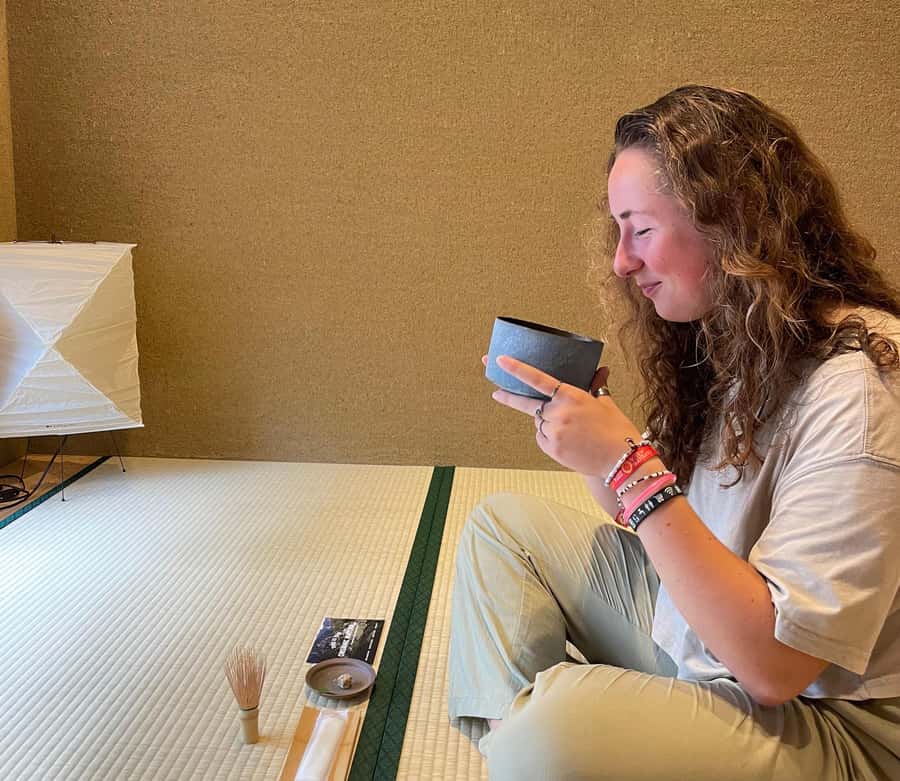
- Private TEA ROOM KAKOI setting that feels removed from the street, even though you’re in central Shibuya
- EAST GREEN MATCHA organic matcha, described as coming from only 2% of Japan’s harvest
- Hands-on matcha making, not just watching someone else do it
- Wagashi sweets from a shop with over 200 years of history
- Host-guided etiquette and tasting, including how to drink matcha properly
- No toilet in the tea room, so plan ahead before you go inside
Where you start in Shibuya: TEA ROOM KAKOI near Shibuya Station
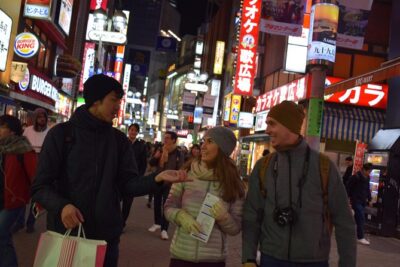
This experience begins at a spot that makes it easy to plug into a day in Tokyo. You meet at the front of The OneFive Tokyo Shibuya hotel, and your guide holds a sign for TEA ROOM KAKOI. It’s a straightforward meet-up point if you’re already using Shibuya as your hub.
From Shibuya Station, it’s about an 8-minute walk, so you’re not burning time on trains or long directions. That matters because tea ceremonies reward patience. You want to arrive with enough calm in your head to focus on small steps: how utensils are handled, how matcha is whisked, and how you’re meant to taste.
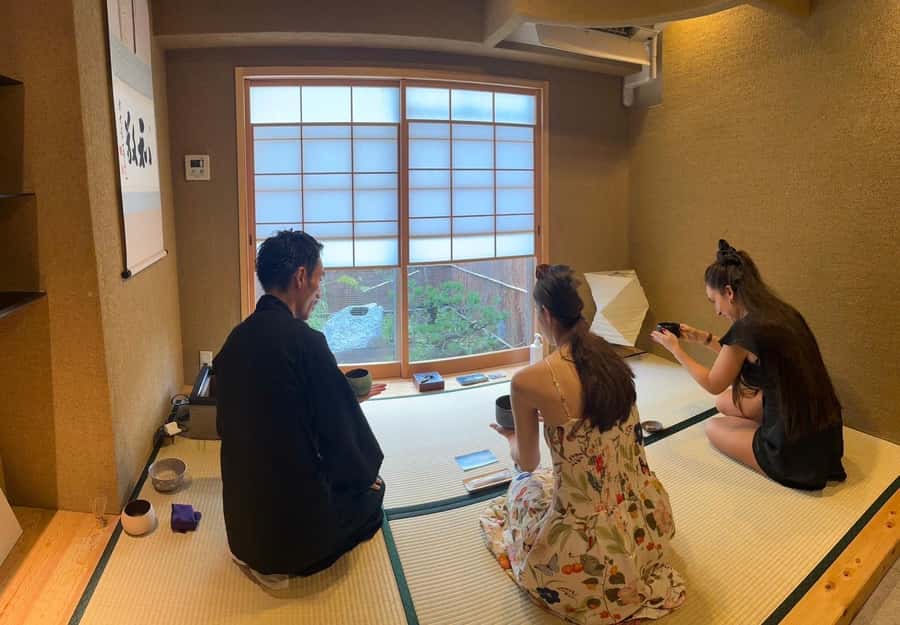
Also, note the setting: several reviews describe it as a tiny room inside an apartment block. If you picture a stand-alone historic building with big crowds, adjust your expectations. You’re paying for access to a quiet, proper tea-space, not a museum-style venue.
You can also read our reviews of more private tours in Tokyo



What makes the tea room private (and why it feels like a reset)
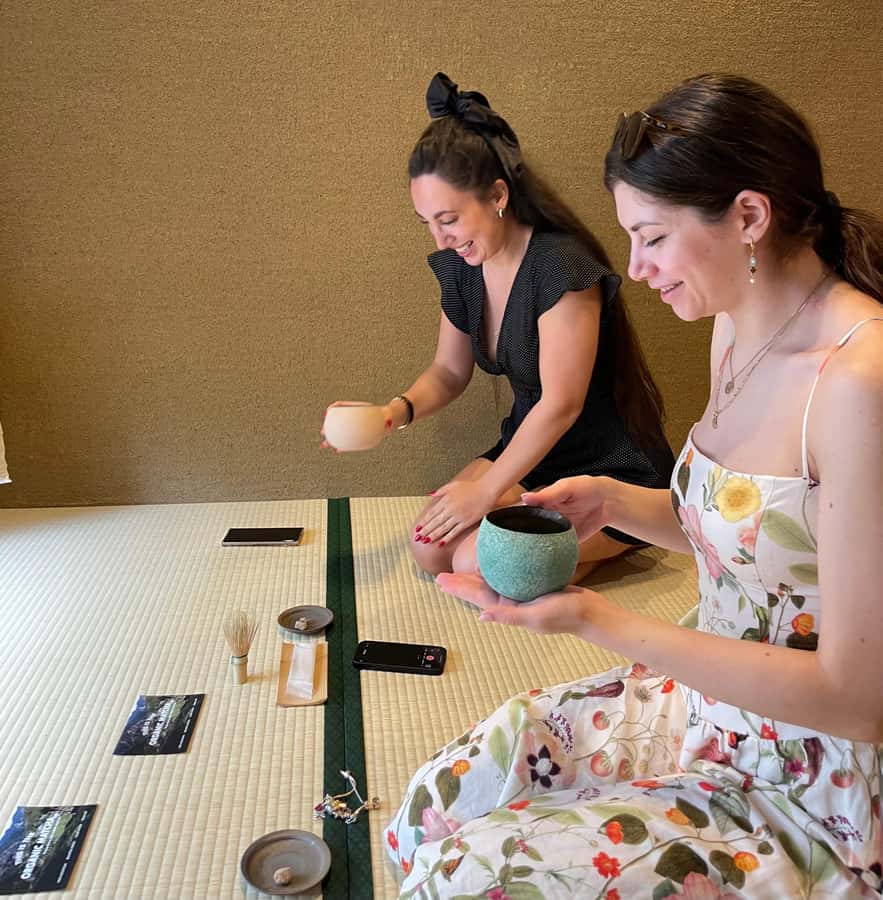
The big draw here is the feeling when you step inside. People consistently call out the tranquility. You’re moving from Shibuya’s constant motion into a room where the pace slows—hands are careful, the focus is on process, and conversations stay respectful.
In practical terms, that means you get something rare in Tokyo: a private moment that doesn’t depend on finding a quiet cafe. This is a ceremony format. It’s not just drinking tea; it’s learning why the ceremony is shaped the way it is.
One more detail I appreciate: it’s run as an educational session but without turning into a lecture. The host sets the mood first, then explains the background of the tea ceremony and matcha. If you like structured experiences—clear steps, clear meanings—you’ll probably enjoy the flow.
Potential consideration: because it’s a tea room rather than a full hospitality space, you should plan your comfort basics in advance (especially since there’s no toilet in the tea room).
The matcha and EAST GREEN MATCHA angle: why 2% harvest matters
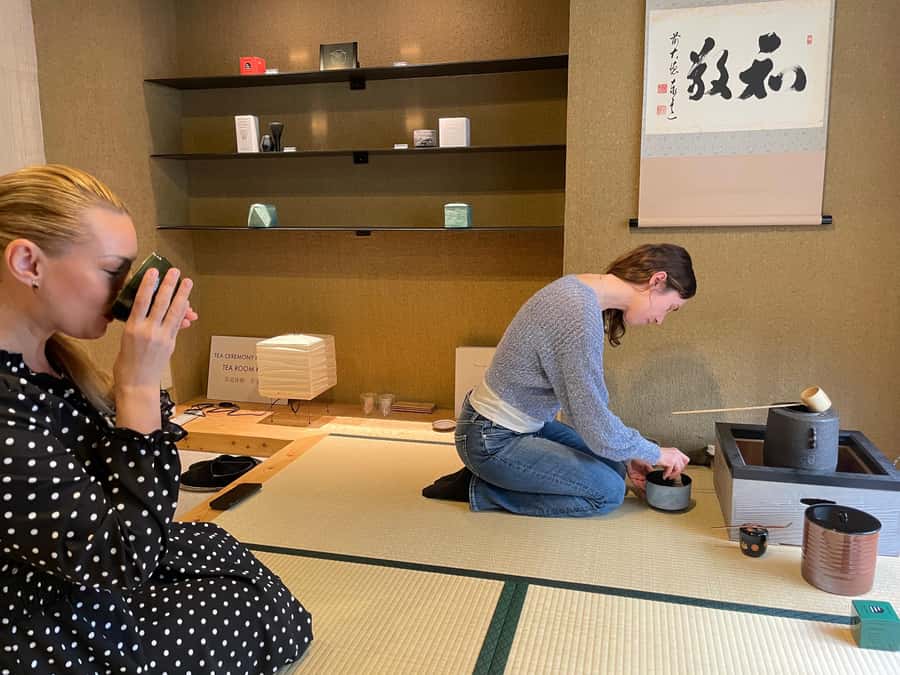
Let’s talk matcha quality, because this is not positioned as entry-level powder. The experience uses EAST GREEN MATCHA and highlights that this organic matcha makes up only 2% of the harvest in Japan. That’s a big statement, and it matters in two ways.
First, rarity usually signals select farming and careful production. While you won’t get a lab report during the ceremony, you will taste the difference: reviews describe the matcha as rich and among the best people have had. Second, high-grade ceremonial matcha is about more than flavor. It’s about texture and how it foams when whisked.
Expect the host to connect matcha to the wider story of tea culture—how it’s produced, how the ceremony treats utensils with respect, and how matcha fits into Japanese ritual life. Since matcha contains caffeine, keep that in mind if you’re sensitive. It’s still tea, but it’s not decaf.
If you like learning with your hands (and not only with your brain), this part sets you up nicely for what happens next: you’ll learn to whisk and make your own cup.
The ceremony rhythm: history, etiquette, and a calm teaching pace
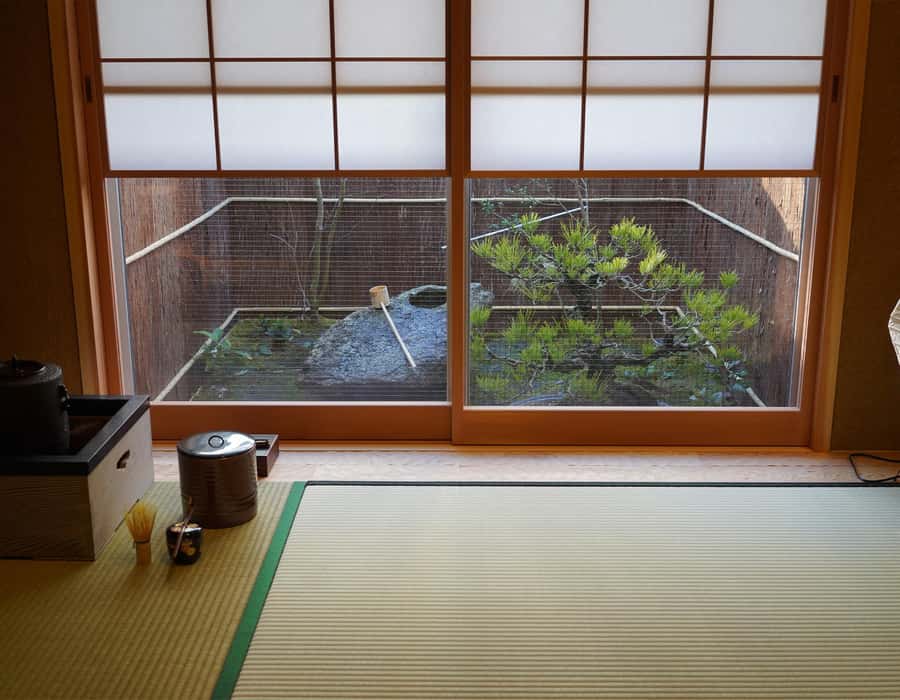
The session starts with context. You’ll talk about Japan’s traditional tea ceremony and the history of matcha—how it became celebrated globally, including its health benefits. Then the guide ties that background back to what you’ll do in the room.
After the explanation, the formal preparation begins. You’ll see matcha prepared in the ceremony style and then served with traditional sweets. This matters because you’re not just watching an action; you’re seeing how each step supports the whole experience—temperature, utensil handling, and the moment you drink.
Etiquette is part of the teaching. Some reviews mention learning about the calm mindset and how to respect each object used. That’s not fluff. In a tea ceremony, the way you hold, whisk, and receive the cup changes your attention. And when your attention changes, the taste changes too.
You’ll also get a chance to ask questions at the end. That Q&A time is useful if you want to understand differences between matcha types, how whisking affects foam, or why certain steps matter.
Your hands-on matcha-making session
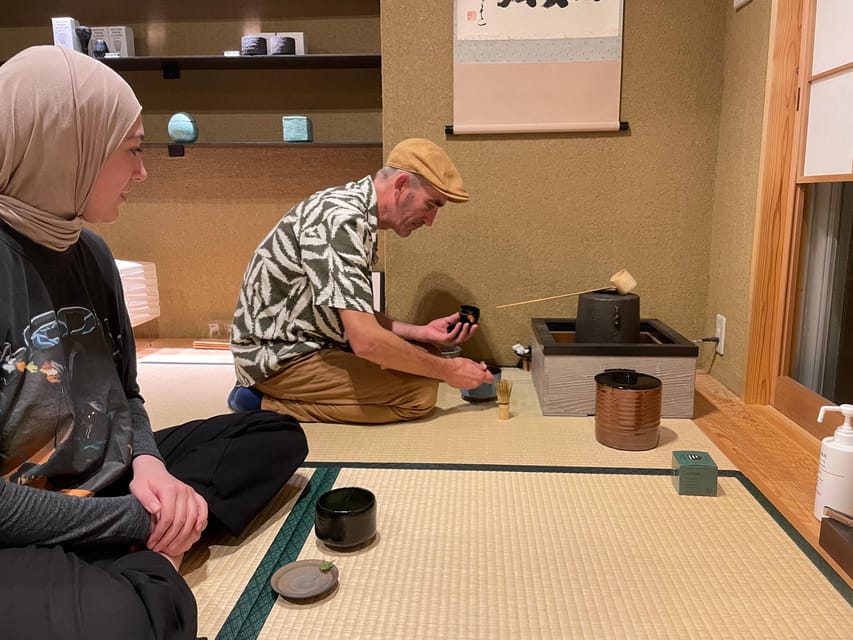
This is where most people feel the value. You don’t just sip and leave—you actually learn the technique.
The host guides you through making matcha in the proper style. You’ll work through the steps while learning what each part is supposed to do. That includes understanding the significance of technique—how whisking creates the right froth and how to approach drinking so you experience it as a ceremony, not a beverage.
If you’ve ever made matcha at home and wondered why yours doesn’t look or taste like what you get in Japan, this is the missing piece. Whisking matters. Timing matters. Even how you handle the tools matters.
One practical note: this is a guided session, so you should expect to follow instructions closely. If you’re the type who wants to freestyle immediately, you’ll still be fine, but the best results come when you slow down and do it the host’s way for the first round.
And yes, the room is small. That’s part of the intimacy. You’ll be close to the utensils and steps, which makes it easier to learn.





Wagashi pairing: the sweet that teaches you how to taste
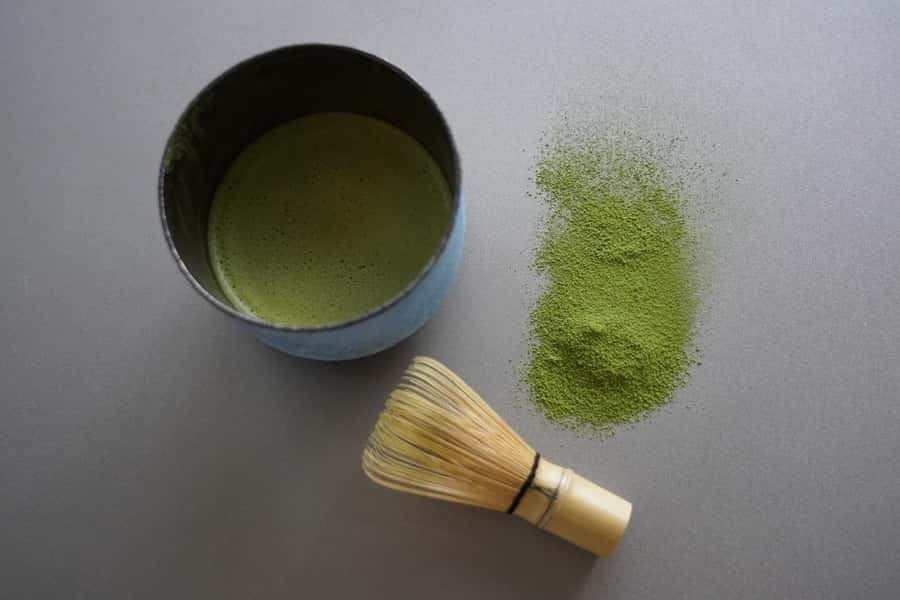
Matcha and wagashi are a classic pairing, and here it’s built in. You’ll be served traditional Japanese sweets from a wagashi shop with over 200 years of history. That’s a big cultural signal: matcha isn’t treated as a solo experience.
Why it helps you as a tasting class: wagashi is usually designed to contrast and balance. It changes your palate so you can notice matcha’s character—its thickness, the way it settles, and the flavor shift from first sip to last.
Reviews specifically call out the matcha quality and describe the froth as perfect. Those details are exactly what you want to pay attention to during your own cup. When the froth is right, it changes how the tea feels in your mouth. It can taste more rounded and feel smoother.
Also, you’ll get guidance on how to drink matcha properly. That can sound small, but it’s a real difference between drinking tea and experiencing a ceremony.
Souvenirs and take-home value: matcha and tools
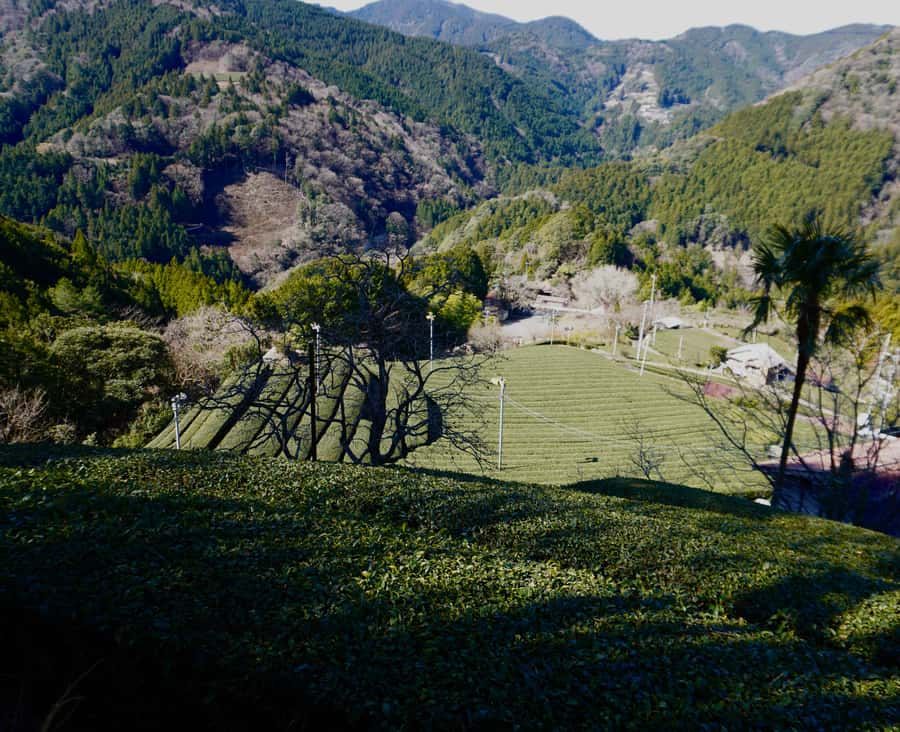
At the end, you get free time for questions, and there’s an option to purchase high-quality organic matcha and original tea tools as souvenirs. This matters for value because it lets you turn the experience into something lasting.
If you buy matcha, you’re not just taking home powder—you’re taking home the starting point to recreate what you learned. If you buy tools, you’re improving your odds of getting the same foam and texture at home.
One caution: don’t overbuy before you understand what you’re getting. Since purchasing is optional, I’d recommend asking the host what’s best for ceremonial-style whisking versus everyday matcha. If you’re hoping to recreate the texture you had during the class, that’s the conversation to have.
Price and value for $30 in central Tokyo
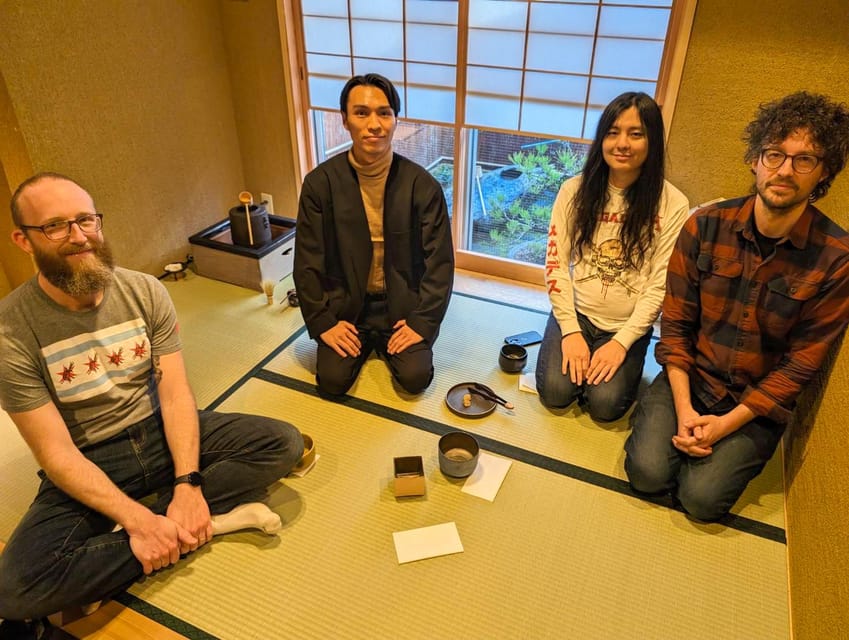
Let’s talk money. $30 per person is not cheap, but it’s also not out of line for a private cultural class in central Shibuya.
Here’s where the value comes from:
- You’re paying for a structured ceremony, not just a tasting.
- The matcha is organic and positioned as high-grade ceremonial matcha tied to a rare harvest share (2%).
- You get hands-on instruction, including matcha-making technique and tasting guidance.
- You receive traditional wagashi from a long-established shop (over 200 years).
- The session is hosted in a way that feels personal and calm, which is hard to replicate on your own.
What could make it feel overpriced? If you only want quick photo ops or you’re not interested in technique. If you’re chasing a broad “Tokyo attraction” vibe, a tea room class might feel too quiet. But if you want meaning and a skill you can repeat, $30 starts to look fair.
Also, think about opportunity cost. This experience is located for easy access from Shibuya Station. You’re not losing half a day to transit.
Who should book this Shibuya tea ceremony?
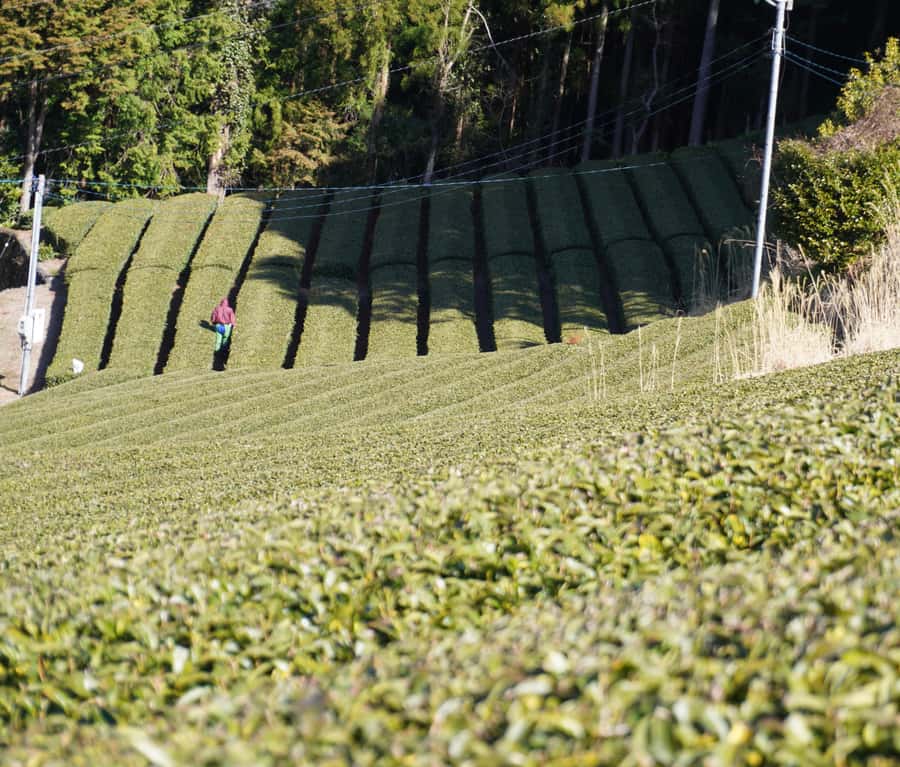
This one fits travelers who like calm, focused cultural activities. You’ll likely enjoy it if:
- You’re curious about matcha production, not just the taste
- You want hands-on steps, not only watching
- You like learning how Japanese rituals connect to everyday objects and etiquette
- You’re okay with a small room and a no-toilet setup
It’s listed as not suitable for children under 10, and it’s also not suitable for pregnant women. Since the experience uses ceremonial matcha and matcha contains caffeine, consider that if you’re sensitive.
If you’re the kind of traveler who plans their day around Meiji Shrine, Hachiko, or Shibuya Scramble Crossing, this can be a perfect counterweight. You get a classic Tokyo day with a quiet reset in the middle.
Should you book this tea ceremony in Shibuya?
I think you should book it if you want an authentic-feeling tea moment with instruction you can actually use. The combination of private tea room calm, high-grade EAST GREEN MATCHA, and the hands-on matcha-making component is the winning mix. The ceremony isn’t rushed, and the host’s care shows up in how they explain the steps and guide proper tasting.
Skip it if you strongly prefer big, airy spaces, or if you really need an on-site toilet in the room. Also, if you’re traveling with kids who fall under the under-10 limit, you’ll want a different activity.
If you’re in Shibuya and you want more than another stop on a list, this is a smart add-on. Quiet time in Tokyo, plus matcha skills you’ll remember long after the caffeine wears off.
FAQ
Where do I meet the guide for the tea ceremony?
Meet at the front of The OneFive Tokyo Shibuya hotel at 1-8-11, Jinnan, Shibuya-ku, Tokyo. The guide will hold a sign board that says TEA ROOM KAKOI.
How far is it from Shibuya Station?
It’s about an 8-minute walk from Shibuya Station.
What’s included in the experience?
You get premium organic matcha (from EAST GREEN MATCHA), traditional wagashi sweets, and a matcha-making session where the host guides you. Everything you need for the experience is included.
Is the tea room comfortable for everyone?
The tea room has no toilet. The experience also isn’t suitable for children under 10 and isn’t suitable for pregnant women.
What languages are offered?
The experience is offered in English and Japanese.
Can I buy matcha or tea tools after the ceremony?
Yes. If you want, you can purchase high-quality organic matcha and original tea tools as souvenirs.