REVIEW · TOKYO
Ramen Making from Scratch – Tokyo Ultimate Cooking Class
Book on Viator →Operated by Patia's Japanese Cooking Class · Bookable on Viator
Fresh noodles beat any packet. In this Tokyo class, you’ll go hands-on and learn how to build Jiro-style ramen from scratch, from making the noodles to cooking the soup and topping with chashu. I like that the focus stays practical (you’ll learn the full dish, not just a demo), and I also like that the whole thing ends with a tasting you can enjoy right there.
The only real watch-out is the class is not vegetarian or vegan, and it’s built around pork chashu by default (though you may be able to swap to chicken if you request it far enough in advance).
In This Review
- Key things that make this ramen class worth your time
- Jiro-style ramen in a small Tokyo class (up to 12)
- What you’ll make: thick noodles, garlic-forward broth, and chashu
- The class schedule: 12:20 meet, one big cook session, then tasting
- Lunch that’s part of the lesson (and why that matters)
- Price and value: $91.45 for a full ramen build
- How to plan your day around this Tokyo class
- Chashu swap to chicken: how to request it correctly
- What you’ll actually take home: a recipe you can repeat
- Who this ramen class is best for
- Should you book this Tokyo ramen-making class?
- FAQ
- How long is the ramen making class?
- What time does the experience start?
- Is lunch included?
- Does this class offer vegan or vegetarian options?
- Is chashu made with pork, and can it be changed?
- How big are the groups?
- Is hotel pickup included?
- Is the Akihabara walking tour included?
- What happens if the experience is canceled due to weather?
Key things that make this ramen class worth your time
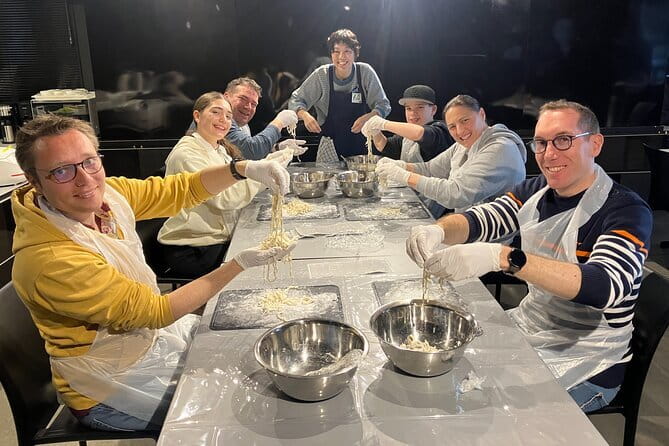
- Jiro-style ramen, built end to end: noodles, garlic-forward broth, and chashu all made by you
- Hands-on learning with a small group: up to 12 people, so you’re not lost in a crowd
- Lunch is included, so the class isn’t just theory and prep work
- You get downloadable photos from the experience, helpful for remembering your setup at home
- A realistic “make it again” lesson, since you’ll be taking home the recipe
Jiro-style ramen in a small Tokyo class (up to 12)
Tokyo cooking classes can be hit or miss: some feel like a show where you watch more than you do. This one leans the other way. It’s designed around a full ramen build, and the group size caps at 12. That matters because ramen is all technique: timing, texture, seasoning, and heat control. With a smaller class, you’re more likely to get the kind of guidance that helps you correct small mistakes before they snowball.
You’re also getting something that’s hard to replicate from memory. Jiro-style ramen is known for thick noodles, a bold garlic-heavy soup, and generous toppings—so the class teaches more than one “random step.” You leave with the whole mental recipe for how the parts fit together.
One more practical bonus: it’s close to public transportation. Tokyo is easy when you’re not stuck hunting for a pickup, and this activity doesn’t include hotel pickup or drop-off. That sounds basic, but it’s actually a big deal for planning your day.
You can also read our reviews of more cooking classes in Tokyo



What you’ll make: thick noodles, garlic-forward broth, and chashu
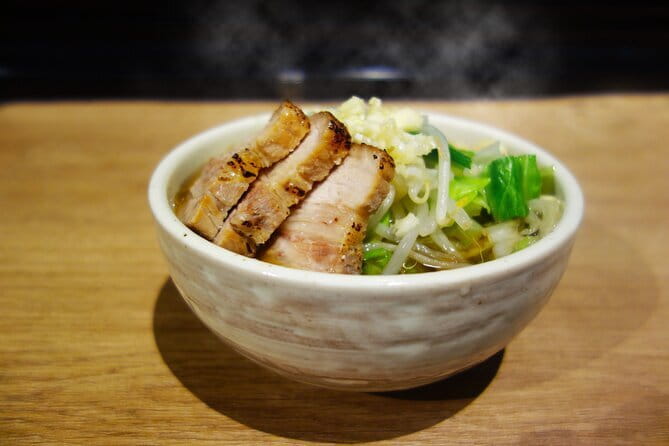
This class is built around a specific target: Jiro-style ramen. That specificity is good. Instead of learning “general ramen,” you learn a style with clear expectations—thicker noodles, rich soup, and topping balance.
Here’s the dish, broken into parts so you know what you’re signing up for:
Fresh noodles from flour
You’ll make the noodles yourself. This is where many home cooks get stuck, because store-bought noodles rarely match the chew and thickness of the real thing. Learning the noodle process in a guided setting helps you understand texture cues you can’t get from a single recipe line.
A rich, garlic-infused soup
The broth is described as rich and garlic-infused, which is exactly where Jiro style earns its fans. Garlic isn’t just garnish here—it’s part of the soup identity. You’ll focus on getting the flavor base right rather than just dumping in seasoning at the end.
Chashu pork (with a chicken swap if requested)
Chashu is a signature topping: tender slices that soak up flavor. By default, it’s pork. The good news is there’s a note that if you let the organizers know more than 48 hours in advance, they can switch from pork to chicken. That’s helpful if you eat differently than the standard menu.
A quick realism check: since vegan and vegetarian options aren’t available, this class works best for people who are happy building a traditional-style ramen bowl.
The class schedule: 12:20 meet, one big cook session, then tasting
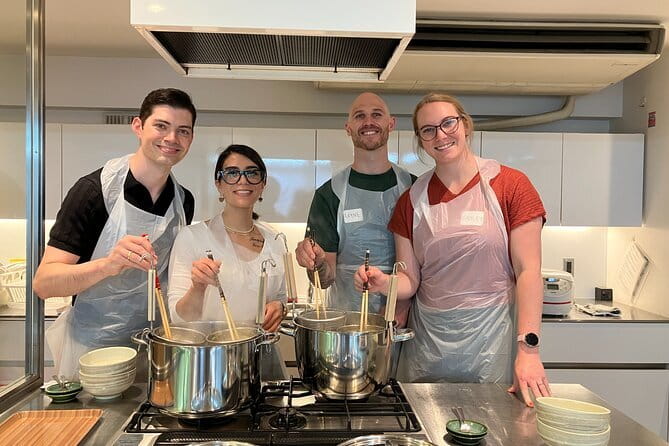
The timing is set up for a clean lunch plan in Tokyo.
- 12:20: you meet
- 12:30 – 13:30: cooking class (the main work)
- 13:30 onward: tasting time
That structure is smart because ramen rewards focus. One hour of cooking lets you learn the flow—mixing, cooking, building the dish—without turning it into a half-day project. Then you get a tasting right after, which turns effort into feedback. If something feels off, you can connect the taste to the step you did minutes earlier.
Also, the schedule avoids the late-night ramen chaos. You’re eating earlier, and that’s great if you want energy for the rest of your day. It’s especially helpful if you plan to pair this with other activities rather than turning the ramen class into the main event that steals your whole evening.
Lunch that’s part of the lesson (and why that matters)
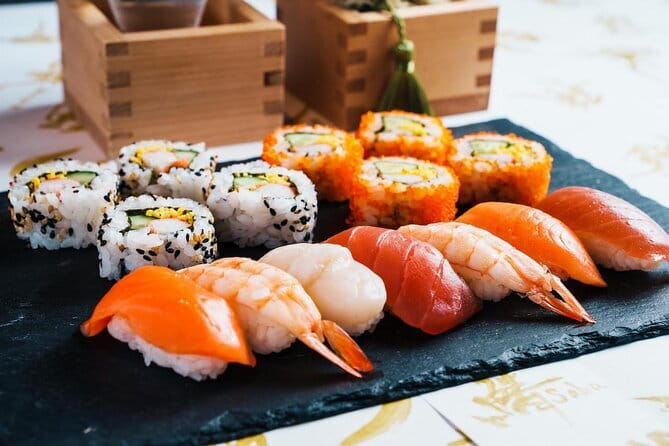
Many cooking classes include a snack or a quick bite. This one includes lunch, which changes the whole experience. When you eat what you made, you’re not just practicing; you’re calibrating. The taste becomes the final checkpoint.
From the feedback, people consistently call out that the lunch is delicious and that the staff approach makes the experience feel easy and friendly. Even if you’re not the type who loves cooking, having a solid meal at the end keeps the day positive. You walk out fed and proud, not still hungry and disappointed.
And for families, the format is a natural win. Cooking together gives you something shared—something to talk about immediately afterward. Ramen is also forgiving in one way: even if your bowl isn’t identical to the class’s, you still get a satisfying, edible result.
Price and value: $91.45 for a full ramen build
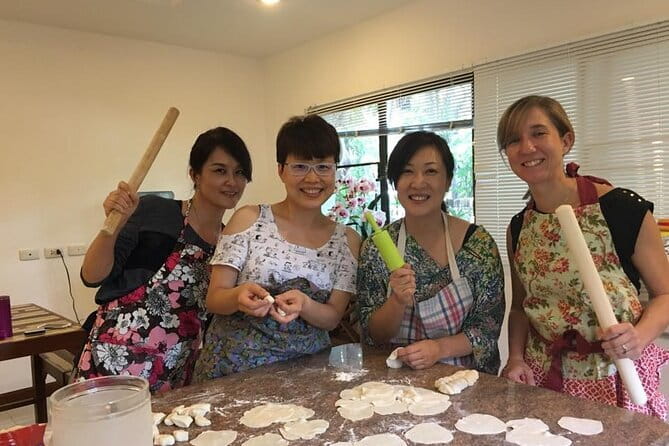
At $91.45 per person, it’s not a cheap activity. But when you zoom out, the value makes sense for Tokyo.
What you’re paying for:
- A guided cooking experience centered on multiple ramen components (noodles, broth, chashu)
- Lunch included
- Later-downloadable photographs from the experience
- A setup designed for you to take home the recipe and recreate the dish
The key value is that it’s not just one technique. You’re learning the full ramen bowl—so you’re buying a practical system, not a single tutorial trick. If you’ve ever tried to make ramen at home and ended up with something that tastes “close but not right,” this style of class is the difference between guessing and understanding.
A small note on planning: availability is limited by a minimum of 2 people per booking, and the tour can run with a max of 12. If you’re traveling solo, you’ll want to check how the schedule is set up for your dates.
You can also read our reviews of more tours and experiences in Tokyo





How to plan your day around this Tokyo class
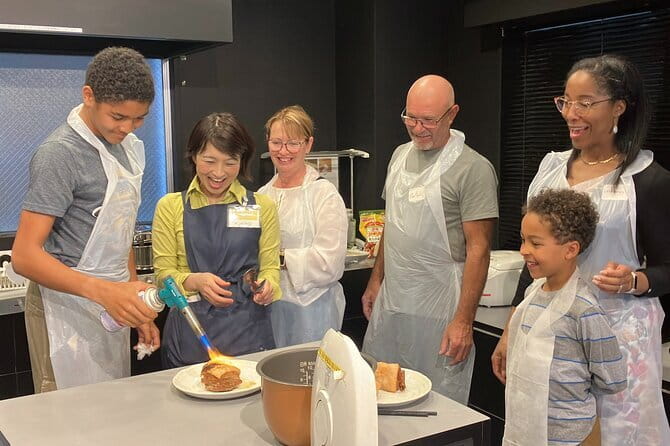
This experience ends back at the meeting point, so you’ll want to place it in the middle of your plans.
Because there’s no hotel pickup, you’ll likely want to:
- Arrive a little early for the 12:20 meeting
- Use public transit since it’s described as near transportation
- Keep your next activity close enough that you’re not rushing after tasting
Also, the class description notes it does not include an Akihabara walking tour. If you’re the kind of traveler who likes pairing food with neighborhood wandering, you might want to look for a combined option that includes Akihabara. Otherwise, plan your neighborhood time separately.
The timing is also friendly if you’re doing other Tokyo highlights later in the day. Eat, learn, and then keep moving—no half-day commitment that derails your itinerary.
Chashu swap to chicken: how to request it correctly

If you eat pork rarely (or not at all), you’ll want to watch this detail. The standard plan is pork chashu, but the organizers can change it to chicken if you tell them more than 48 hours before.
This is one of those logistics items that’s worth doing early, not at the last second. Messaging ahead prevents last-minute confusion and makes sure you’re not standing at the station wondering whether your bowl will match the plan.
If you’re flexible, this class is still a great fit. If you’re not, treat the chashu choice as part of your booking decision.
What you’ll actually take home: a recipe you can repeat
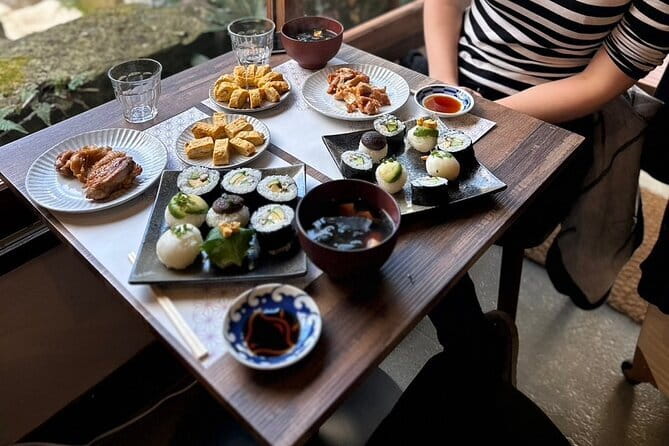
The selling point isn’t only that you’ll eat ramen. It’s that you’ll learn how to recreate it. The class is described as something you can replicate at home, and the “grand finale” is you preparing and making your own bowl.
That matters because ramen success at home is mostly about process. A good ramen recipe doesn’t just list ingredients—it teaches what to do and when. With this format, you’re learning the order of operations: noodles first, soup building with attention to garlic-forward flavor, and chashu preparation as a topping centerpiece.
The downloadable photos also help here. When you’re later comparing your setup to the class photo, you’ll remember how thick things looked, what “done” felt like, and how everything ended up arranged in the bowl.
Who this ramen class is best for
I see this as a strong match for a few types of travelers:
- Ramen fans who want the real mechanics, not just a tasting tour
- Foodies who like hands-on learning, especially if you enjoy repeating the recipe later
- Families: the tone from the feedback emphasizes fun and staff flexibility, and the activity naturally supports shared time
- People traveling with limited time: two hours is short enough to fit into a tight Tokyo schedule
If you’re a hardcore home cook, you’ll still get something useful because you’re learning a specific Jiro-style build. If you’re a beginner, you’re not expected to “already know noodles.” The value is that you’re guided through the process with fresh ramen as the goal.
Should you book this Tokyo ramen-making class?
If you want a ramen experience that’s more than a meal, I’d book it. The format makes sense: small group, full ramen build, lunch included, and a take-home recipe so you can repeat the results. At $91.45, you’re paying for guided technique and edible payoff, not just entertainment.
Skip it (or plan carefully) if you don’t eat pork and you can’t request the chicken swap early, since vegan and vegetarian options aren’t available. Also, if you need hotel pickup, you’ll have to handle your own transit to the meeting point.
FAQ
How long is the ramen making class?
The class lasts about 2 hours, including cooking and tasting.
What time does the experience start?
Meeting time is 12:20 pm, and the cooking class runs from 12:30 pm to 1:30 pm, followed by tasting time starting at 1:30 pm.
Is lunch included?
Yes. Lunch is included with the cooking experience.
Does this class offer vegan or vegetarian options?
No. Vegan and vegetarian options are not available.
Is chashu made with pork, and can it be changed?
Chashu is made with pork by default. If you let the organizers know more than 48 hours in advance, they can change the chashu to chicken.
How big are the groups?
The class has a maximum of 12 travelers per session.
Is hotel pickup included?
No. Hotel pickup and drop-off are not included.
Is the Akihabara walking tour included?
No. This experience does not include the Akihabara walking tour.
What happens if the experience is canceled due to weather?
If it’s canceled due to poor weather, you’ll be offered a different date or a full refund.