REVIEW · TOKYO
Tokyo: Nikko Kegon Falls Lake Chuzenji Toshogu Temple & More
Book on GetYourGuide →Operated by Travels Luxurious Japan · Bookable on GetYourGuide
Nikko hits hard in one long day. I love the private driver setup, which lets you move at your pace between sights, and I love the chance to see Nikko Toshogu up close, with its famous ornate details. The only real catch is the schedule is tight and commuting can run long with heavy traffic.
This is also a smooth way to experience Nikko’s mix of shrines and nature without you doing the logistics math. For $361 per group (up to 6 people), you’re buying a day of comfortable transport, onboard Wi‑Fi hotspot, and guided explanations at the big stops. Just note that meals and attraction fees are not included, so you’ll want a little cash/card ready.
In This Review
- Key points before you go
- From Tokyo to Nikko National Park: the big picture
- Luxury private transport, Wi‑Fi hotspot, and driver timing
- First stops around the park: Nikkō National Park and Lake Chūzenji
- Futarasan jinja and Nikko Toshogu: carved gates and the sleeping cat
- Nikko Futarasan jinja
- Nikko Toshogu Shrine
- Narabi Jizo at Kanmangafuchi Abyss: a calm walk you can actually slow down
- Kegon Falls and Shinkyo Bridge: waterfalls and the river gateway
- Kegon Falls
- Shinkyo Bridge
- Edo Wonderland in 45 minutes: what to focus on
- Price and value: when $361 makes sense
- Who this tour suits best (and who should skip it)
- Should you book this private Nikko day tour?
- FAQ
- How long is the Nikko day trip?
- How many people are in a private group?
- Where does pickup happen in Tokyo?
- What languages does the driver guide speak?
- Are meals included?
- What’s included besides transport?
- Is the tour wheelchair accessible?
- Can I cancel for a full refund?
Key points before you go
- Private door-to-door pickup in Tokyo (23 wards) makes the day feel easy
- Nikko Toshogu highlights like the Yomeimon Gate and the sleeping cat details
- Kanmangafuchi Abyss with Narabi Jizo gives you a calm walk, not just photos
- Lake Chūzenji and Kegon Falls deliver big scenery with practical viewing stops
- Edo Wonderland adds a short, guided shot of Edo-period daily life
- Drivers who help with photos (names you may hear like Baba, Cheema, Malik Ali)
From Tokyo to Nikko National Park: the big picture
Nikko is one of those rare places where you can go from sacred shrine architecture to mountain lake views without feeling like you’re “just passing through.” It’s also officially UNESCO World Heritage, so you’ll spend the day at sights people have been traveling to for a long time.
What I like about this kind of private day trip is that you’re not locked into someone else’s pace. A driver gets you across the region, and then you’re free to pause for photos, step away from the busiest angles, and take a real breath of mountain air.
You can also read our reviews of more tours and experiences in Tokyo.



Luxury private transport, Wi‑Fi hotspot, and driver timing
This tour runs for about 10 hours total, including commuting time. That matters because Nikko is a real trip from Tokyo, and winter or peak traffic can stretch the drive.
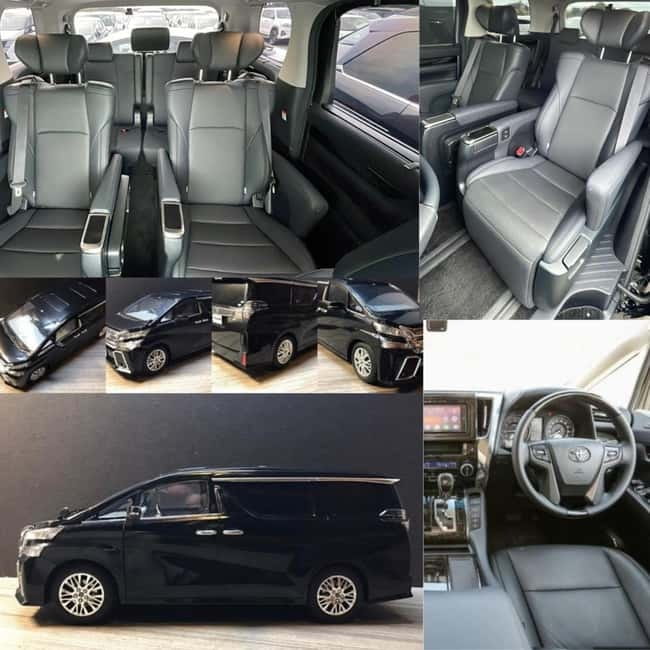
You’ll travel in a luxury vehicle such as a Land Cruiser, Crown, or Vellfire (the provider lists these options, and images are attached). The big value for me is comfort on curvy roads, plus onboard Wi‑Fi hotspot and air conditioning—small things that quietly make the day easier.
A few practical notes:
- Your pickup is from your hotel lobby or accommodation within Tokyo’s 23 wards. Airport/port pickup isn’t available.
- The driver waits up to 60 minutes past the scheduled time, but you should be ready around the 10-minute early window.
- Driver languages include English, Hindi, Japanese, Urdu, Arabic, and Punjabi, so you can usually get clear explanations.
And yes, it’s a private group, so you’re not sharing the day with strangers. Up to 6 people fits families and small friend groups nicely.
First stops around the park: Nikkō National Park and Lake Chūzenji
The day starts with a first touch of Nikkō National Park: a photo stop plus a walk. Expect viewpoints and fresh air right away—this is the part of the day that gets you into “Nikko mode” before the shrines start taking over your brain.
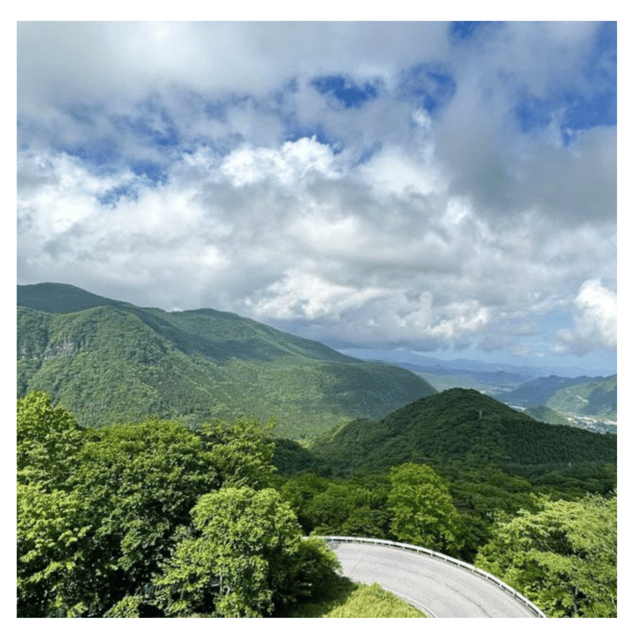
Then you head to Lake Chūzenji. It’s a volcanic highland lake, known for clear water and dramatic mountain setting. You’ll have time for photo stops and a walk, and if conditions are right you may find low-key opportunities to explore the lakeside area on foot (boating, hiking, or picnicking can be available in the region, but the tour’s main promise here is scenic time plus views).
What to watch for:
- Weather shifts fast in mountainous areas. If you’re going in colder months, dress for temperature changes rather than just the forecast.
- Bring comfortable shoes. Even “simple” walks here can involve uneven ground and lots of standing.
If you like big views, this is also the segment where the trip’s panorama options often shine, including the chance to take the Akechidaira Ropeway area for wide views over Mount Nantai, Lake Chūzenji, and toward Kegon Falls.
Futarasan jinja and Nikko Toshogu: carved gates and the sleeping cat
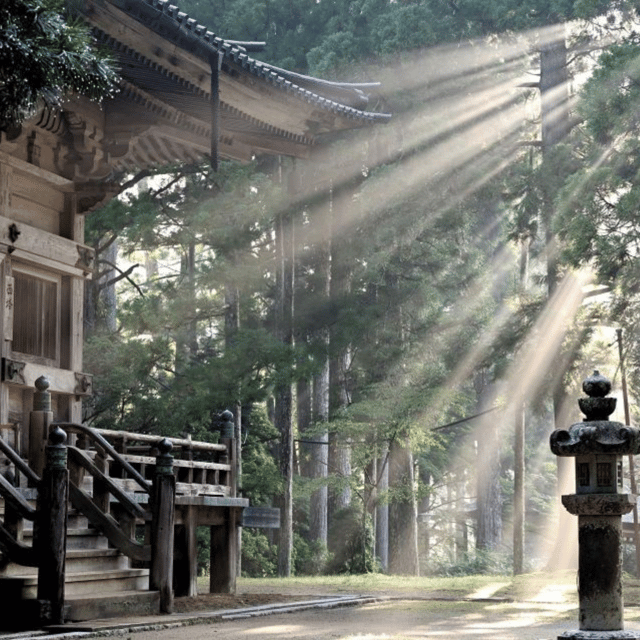
Next come the shrine stops, and this is the “anchor” of the whole day. First is Nikko Futarasan jinja, followed by the star: Nikko Toshogu.
Nikko Futarasan jinja
You get photo time and a walk (about an hour here). Even if you’re not a shrine-history specialist, the value is in slowing down enough to notice details—roof lines, carvings, and the way the site sits within the forest.




Nikko Toshogu Shrine
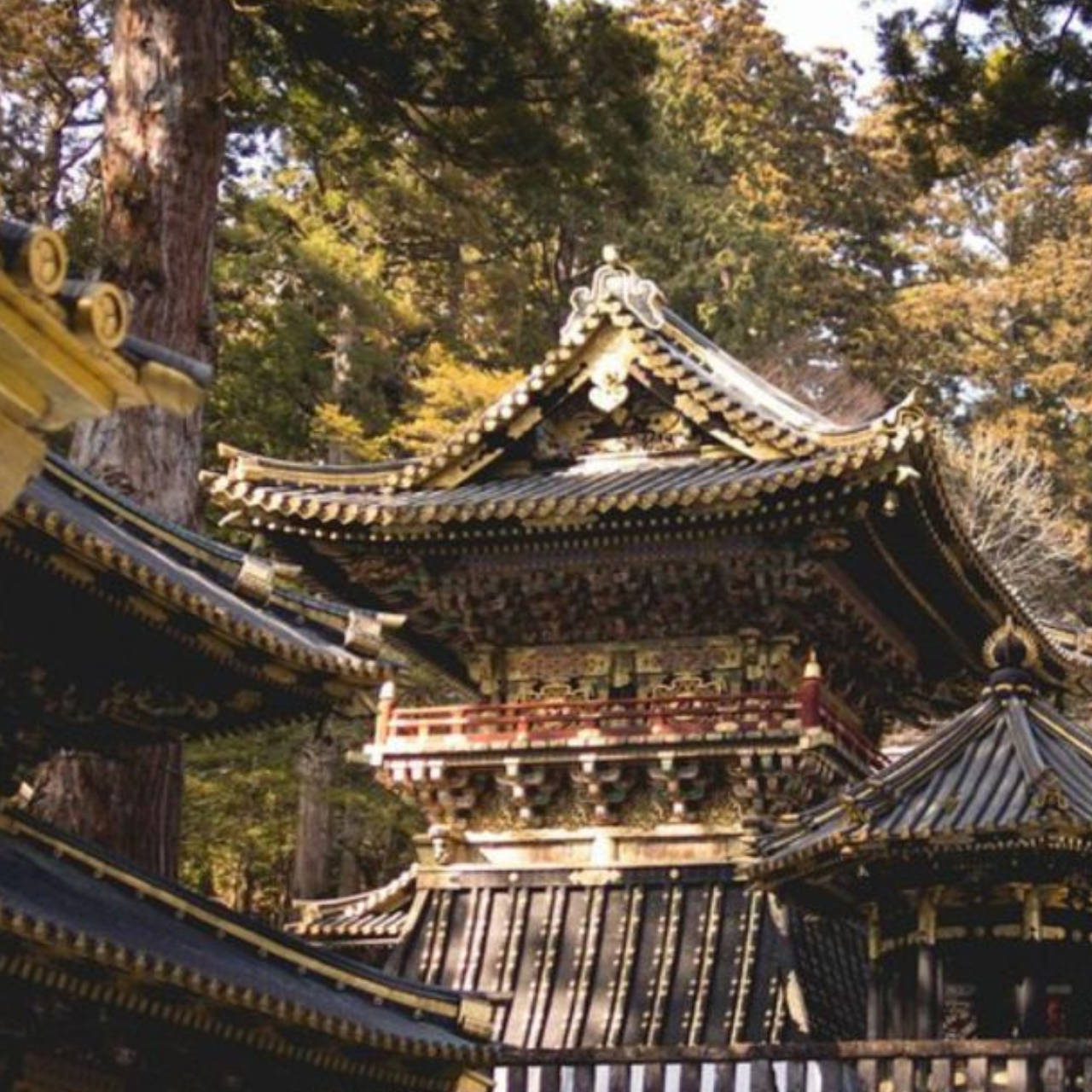
This is where the day becomes unforgettable for a lot of people, and for good reason. Nikko Toshogu is dedicated to Tokugawa Ieyasu, the founder of the Tokugawa shogunate, and the craftsmanship is the point.
You’ll spend around an hour, with guided insight and time to walk. Key features you should keep your eyes open for:
- The Yomeimon Gate, known for intricate design and vivid color work
- The sleeping cat sculpture, a famous detail people come looking for
Also, the shrine is set in a calm forest setting. That helps. You’re not just looking at buildings—you’re moving through a still, atmospheric space that makes the details feel more meaningful.
A small consideration: because Toshogu is a major destination, it can attract crowds depending on the day. The private format helps you reposition for better angles and keep your time focused.
Narabi Jizo at Kanmangafuchi Abyss: a calm walk you can actually slow down
After the big architectural hits, you shift to a quieter experience: Kanmangafuchi Abyss, also known for the Narabi Jizo pathway lined with over 70 Jizo statues.
This section is special because it’s not “one-stop spectacle.” It’s a slow walkway where the scene becomes repetitive in a comforting way—stone figures in a line, each with the small visual differences that make you look longer than you meant to.
The Jizo statues represent spirits of children and travelers, which gives the walk a reflective tone. The path continues toward Jiunji Hondo Temple, a small stop that offers a calmer break from the main stream of sights.
Practical tips for this stop:
- Go at walking pace, not rushing-for-photos pace. The meaning works best when you slow down.
- Use steady footing. This is a place where you’ll want full attention under your feet.
Kegon Falls and Shinkyo Bridge: waterfalls and the river gateway
Now you get the nature payoff—two of Nikko’s most photographed moments, with different vibes.
Kegon Falls
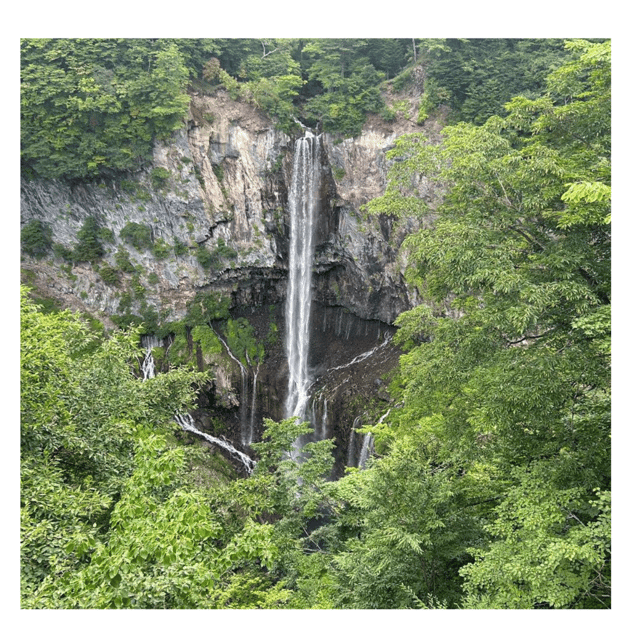
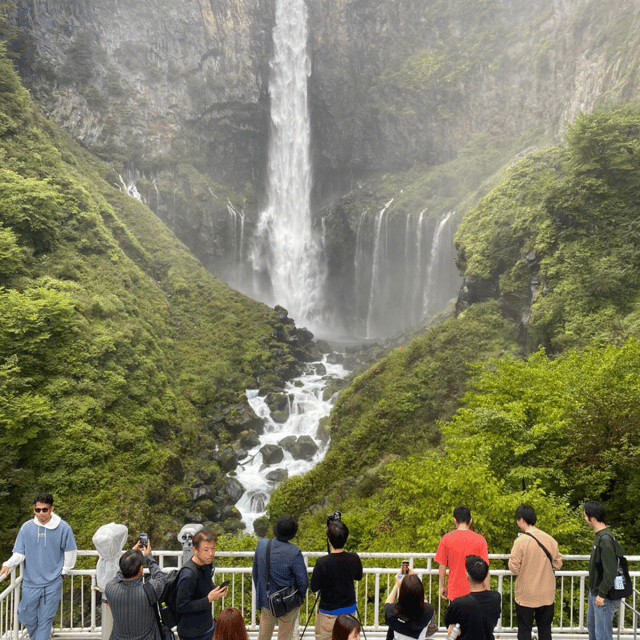
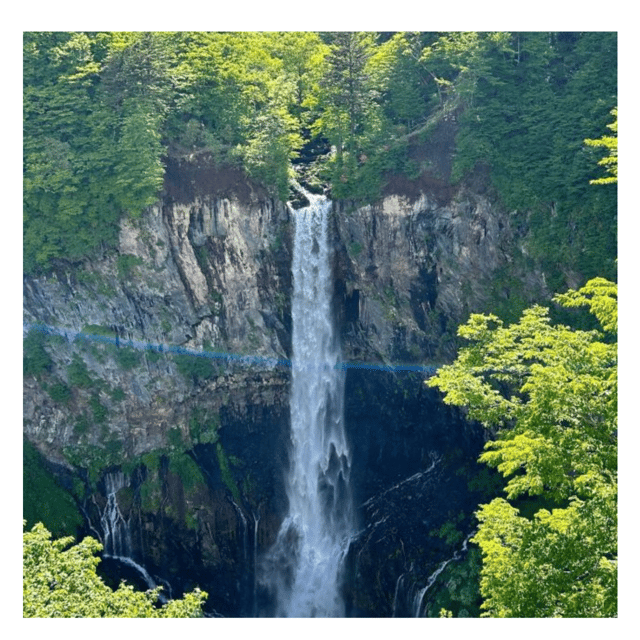
You’ll reach Kegon Falls for photo time and a walk. The falls plunge 97 meters into a rocky gorge, and you’ll have viewpoints from the observation area.
One reason I’m glad this day includes Kegon Falls is that it’s dramatic in every season:
- In warmer months, it’s a powerful rush you can frame in long angles
- In winter, the falls can freeze, turning the area into something more sculptural and still
Shinkyo Bridge
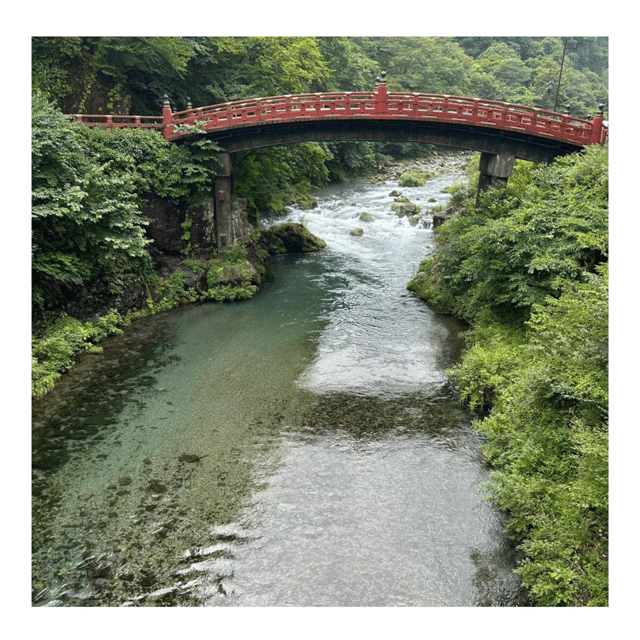
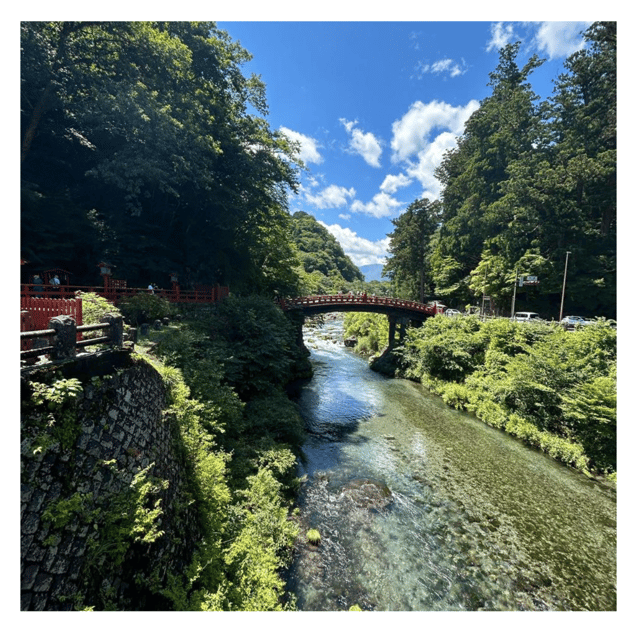
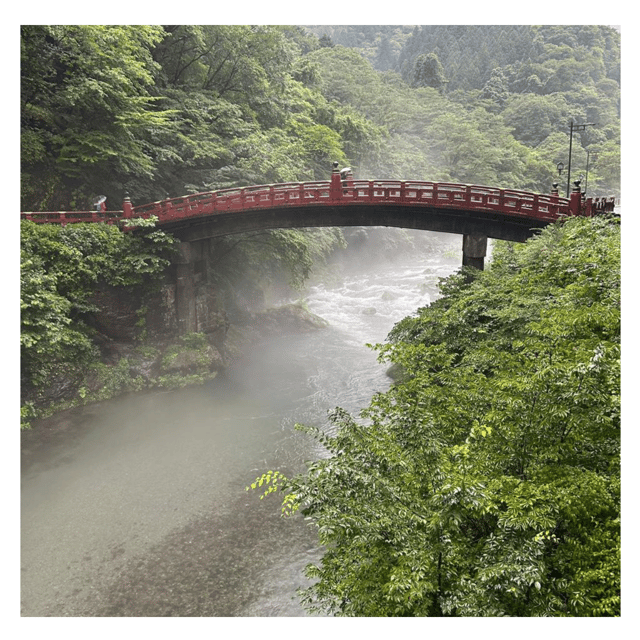
Then you move to Shinkyo Bridge, a wooden bridge spanning the Daiya River. It’s one of Japan’s most beautiful bridges, and it has historical significance as a gateway to the Nikko shrines.
The tour gives you photo stops and time to walk, so you can catch that classic composition with greenery and river tones behind it. If you’re a photography person, this is also a good moment to try a couple of angles instead of just one quick shot.
Big picture: Kegon Falls is motion and roar; Shinkyo Bridge is geometry and reflection. Two stops, two moods.
Edo Wonderland in 45 minutes: what to focus on
The day ends with Edo Wonderland, a theme park designed to recreate Edo-period atmosphere (1868). You get a photo stop and a guided segment (about 45 minutes), plus a safety briefing.
What you should aim for here is a quick, structured taste of Edo-period life—architecture, costumes, and everyday-style scenes. The tour includes traditional craft workshops and performances at the park, so it’s not only walking past buildings.
Because time here is limited, decide what matters most to you before you arrive:
- If you love visual storytelling, focus on the main Edo streets and costumed scenes
- If you prefer hands-on activities, prioritize the craft moments when they’re offered
- If you want history explanations, listen closely during the guided portion so you know what you’re actually seeing
Even with the short time, this stop can be a fun mental reset after the shrine and waterfall intensity. It’s also a good pick for mixed groups—some people love nature, some people love theater, and Edo Wonderland tries to satisfy both.
Price and value: when $361 makes sense
The price is listed as $361 per group up to 6 people. That single detail is where the value math gets interesting.
- If you book with 4 to 6 people, the per-person cost drops fast, and you’re basically paying for a private car day plus a guided experience.
- If you’re only 1 to 2 people, the cost per person is higher, and you’ll want to be sure you’re comfortable paying for privacy instead of using trains.
What you’re getting for the money (based on the tour inclusions):
- Hotel pickup and drop-off
- Luxury transportation with air conditioning and Wi‑Fi hotspot
- Highway tax, plus coffee/tea
- Guided tours that explain historical and cultural highlights
- Photography help and multiple scenic view stops
- Access to nature trails/scenic viewpoints at the key areas
- Edo Wonderland guided time with craft workshops and performances
What you should budget extra for:
- Meals and attraction fees are listed as not included, even though a Japanese lunch in Nikko is mentioned in the highlights. If lunch is important to your plan, assume you’ll pay for it on the day or confirm directly with the provider before you go.
Who this tour suits best (and who should skip it)
This is a good fit if you want a structured Nikko day without wrestling transit schedules, and you like the idea of customizing your pace within a set route.
It’s also a strong choice if your group includes different interests:
- Shrine lovers get Toshogu and Futarasan jinja
- Nature fans get Lake Chūzenji, Kegon Falls, and Shinkyo Bridge
- Culture/hands-on folks get Edo Wonderland workshops and performances
Things to consider before booking:
- It’s not suitable for people with back problems, and the day includes a lot of sitting plus mountain roads.
- Babies under 1 year aren’t suitable.
- Wheelchair access is available, and child seats can be arranged on request—tell them about mobility needs in advance.
On the human side, the driver experience seems to matter a lot here. In past trips, drivers like Baba and Cheema have been praised for being friendly, knowledgeable in the moment, and careful on curvy roads. There’s also a mention of Malik Ali being a good match for people who want strong photo spots without maximum crowds, which is exactly the kind of practical “local brain” you want on a day like this.
Should you book this private Nikko day tour?
I’d book it if you want Nikko done in one day with low stress: private pickup, luxury transport, guided highlights at Toshogu and the other key sites, plus nature icons like Lake Chūzenji and Kegon Falls.
I’d think twice if you’re sensitive to long travel times. Even with a private car, this is still a long day, and the schedule can stretch with traffic. Also, if you’re on a tight meal/attraction-fee budget, plan for extra spending since meals and fees are not included.
If you match the vibe—small group, comfort matters, and you want the main Nikko hits without the hassle—this is a solid way to see a lot and still have room to breathe.
FAQ
How long is the Nikko day trip?
The tour lasts about 10 hours in total for one day, including commuting time. Travel times may extend due to heavy traffic in Japan.
How many people are in a private group?
This is a private experience for your group only, and it serves up to 6 people.
Where does pickup happen in Tokyo?
Pickup is available from any accommodation within Tokyo’s 23 wards. Airports and ports are not included for pickup.
What languages does the driver guide speak?
The driver can speak English, Hindi, Japanese, Urdu, Arabic, and Punjabi.
Are meals included?
Meals are listed as not included. A Japanese lunch in Nikko is mentioned in the highlights, so you should plan for lunch expenses unless you confirm what’s covered for your booking.
What’s included besides transport?
You’ll get hotel pickup and drop-off, a Wi‑Fi hotspot, luxury transportation, highway tax, coffee/tea, guided tours for cultural and historical highlights, and opportunities for photography and scenic views. Edo Wonderland guided time includes craft workshops and performances.
Is the tour wheelchair accessible?
Yes, wheelchair accessible. If you have mobility or health concerns, you should let the provider know in advance. Child seats are also available on request.
Can I cancel for a full refund?
Free cancellation is available up to 24 hours in advance for a full refund.