REVIEW · TOKYO
Tokyo : Cute Character Bento making work shop in Shinjuku
Book on Viator →Operated by テイストニッポン・キャラ弁 · Bookable on Viator
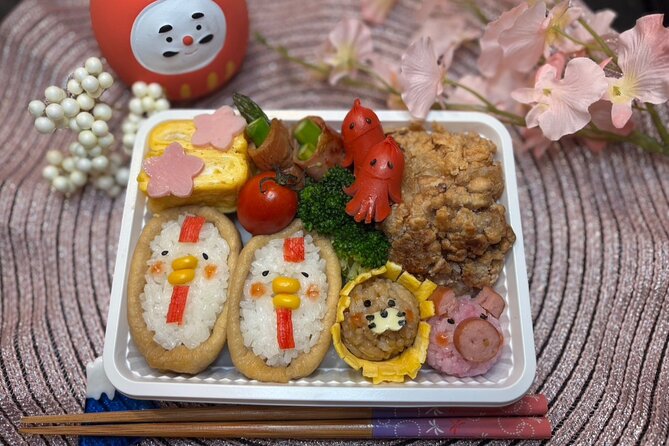
Kyaraben turns lunch into a story. In Shinjuku, you’ll craft a camera-ready Character Bento step-by-step, including sweet-savory tamagoyaki and cute face decorations. The class is built for both food and photos, but it still teaches real flavor basics you can use at home.
I especially like the organized setup and the clear guidance from Aya and Ayano. I also like how the session stays relaxed while still feeling professional, with pre-portioned ingredients and tools ready to go. One drawback: with just 1 hour 30 minutes, you’ll want to move with the group so you don’t feel rushed at the decorating stage.
In This Review
- Key things to know before you go
- Kyaraben in Shinjuku: why this character bento class feels special
- Meet Aya and Ayano: clear instruction with a warm, home-visit vibe
- What you actually make: tamagoyaki, dashi flavor basics, and cute faces
- The 1.5-hour flow: how the session keeps you moving without losing the fun
- Camera-ready results: why the decorating steps feel easy to share
- Meals included: eating your own bento is the best part
- Price and value at $78.18: what you’re really paying for
- Who this bento workshop suits best (and who might want a different option)
- Practical tips for starting in Shinjuku without stress
- Should you book this Character Bento workshop in Shinjuku?
- FAQ
- Where is the meeting point for the Tokyo Character Bento workshop?
- How long is the workshop?
- What is the price per person?
- Is the ticket digital?
- Is this a private experience?
- What is included in the experience?
- What Japanese food skills or items will I work with?
- Are alcoholic beverages included?
- Does the tour accommodate service animals?
- Is it easy to reach by public transportation?
- What is the cancellation policy?
Key things to know before you go
- Shinjuku location: Easy to reach with public transportation and you return to the meeting point at the end.
- Aya and Ayano teach: Two friendly Japanese instructors guide you through the steps with clear explanations.
- Cute + practical cooking: You’re not only shaping faces; you also learn flavor basics like tamagoyaki and dashi.
- Photo-friendly results: Rolling and decorating are designed so your final bento looks great on camera.
- Private group format: Only your group participates, which usually makes it feel more personal and less crowded.
- Meals included: You eat the bento you make, so you get immediate payoff, not just a takeaway.
Kyaraben in Shinjuku: why this character bento class feels special
Tokyo has no shortage of food experiences. What makes this one memorable is the focus: you’re making Character Bento (Kyaraben)—the classic Japanese lunch-box style where rice and side dishes become a tiny, edible character. This isn’t just about trying your hand at Japanese food. It’s about turning everyday ingredients into something playful, photogenic, and very recognizable.
You’ll learn how Japanese home cooks build these lunches, then you’ll apply the ideas immediately. That matters because it’s one thing to watch a demo. It’s another to get your hands moving—rolling tamagoyaki, placing ingredients, and forming cute features so the whole thing reads like a character at a glance.
Also, the session is geared toward real sharing. The steps and pacing are designed so you can stop, check your progress, and get camera-ready results without it becoming stressful. If you like posting to Instagram, TikTok, or YouTube, this format gives you built-in moments to capture.
One more reason it works well: it feels like a home visit. The class is hosted by two warm Japanese instructors, Aya and Ayano, who keep the energy light and supportive. You’re not being tested. You’re being guided.
You can also read our reviews of more tours and experiences in Tokyo.



Meet Aya and Ayano: clear instruction with a warm, home-visit vibe
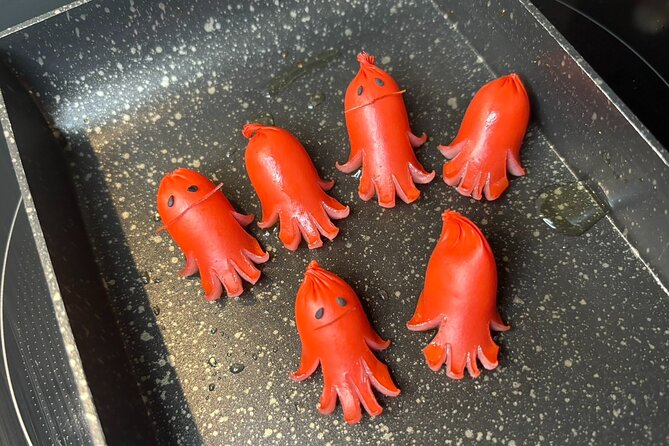
I love when a cooking class manages two things at once: confidence and calm. Aya and Ayano hit that balance. The guidance is described as kind, attentive, and clear, which is exactly what you want when you’re working with rice, egg, and small decorative pieces.
You’ll get explanations as you go, and the pace is organized so you can follow along without guessing. That’s a big deal in any hands-on class, because character bento looks simple until you’re actually shaping faces and aligning components.
Their style also helps you relax. If you’re traveling solo, it can be awkward to jump into a kitchen. With hosts like Aya and Ayano, the class feels welcoming right away. If you’re traveling as a couple or with friends, that same friendly tone keeps everyone engaged instead of splitting off into separate conversations.
And because it’s a private activity limited to your group, the instructor attention tends to stay focused. You’re not stuck competing for help in a crowded classroom.
What you actually make: tamagoyaki, dashi flavor basics, and cute faces
This workshop doesn’t pretend it’s just arts and crafts. You learn real Japanese flavor and cooking fundamentals, then you apply them into the kyaraben format.
Here’s what’s part of the experience:
- Tamagoyaki rolling: You’ll work with sweet-savory egg, learning the steps needed to roll it into slices that fit nicely into a bento layout.
- Dashi umami basics: You’ll get hands-on exposure to the flavor backbone of many Japanese dishes. Dashi is the foundation behind that comforting umami taste.
- Crispy karaage: You’ll get introduced to the idea of karaage—crispy fried chicken style—so you understand how crunchy texture plays into a balanced bento.
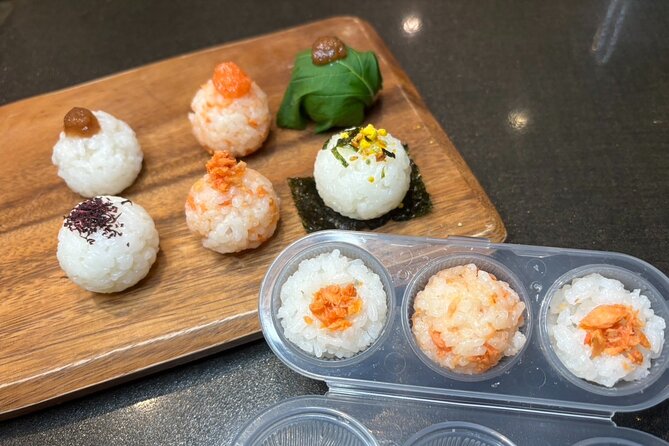
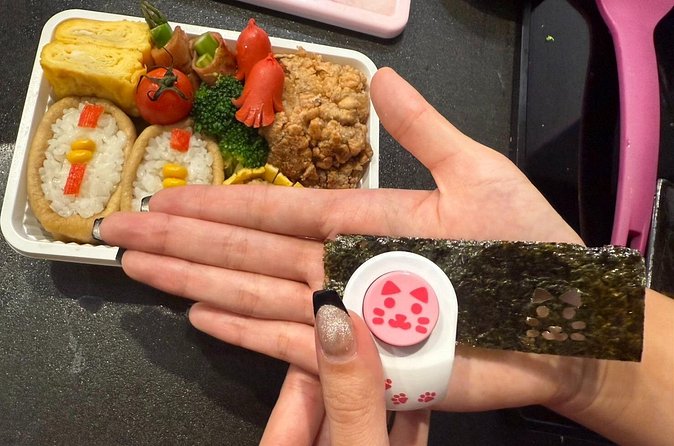
- Character face decoration: The final design work—putting together a face using the components you prepared—turns a regular lunch into something instantly cute.
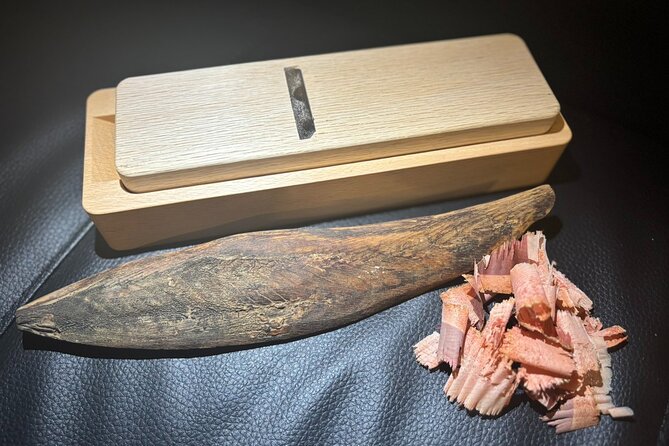
The fun part is how these cooking basics support the visual result. Tamagoyaki gives you a naturally tidy shape and color variation. Dashi-linked components give depth, so the lunch doesn’t feel like decoration with no substance. Karaage adds crunch, which makes the bento feel satisfying rather than just pretty.
If you care about food that tastes as good as it looks, this class gives you both. The cute factor gets most of the attention, but the flavor learning is what makes it useful long after you leave Shinjuku.
The 1.5-hour flow: how the session keeps you moving without losing the fun
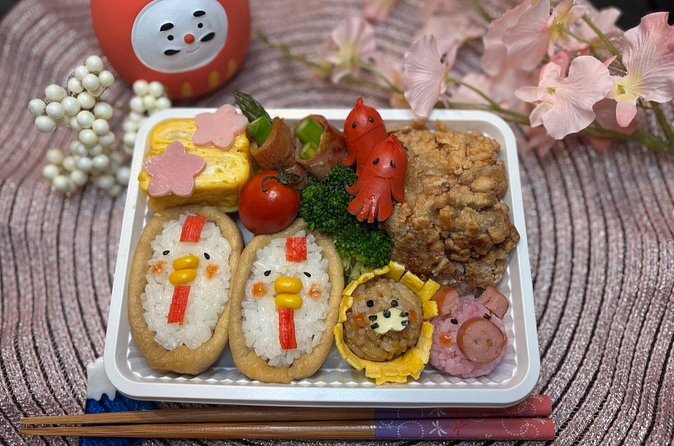
The workshop runs about 1 hour 30 minutes, so the structure matters. In practice, this kind of class works best when the steps are chunked clearly, and the tools and ingredients are ready before you start. That’s exactly how this one is set up.
Here’s the typical rhythm you can expect based on how the experience is described:
- Start and prep: You begin with an organized setup and ingredients that are already portioned. This cuts down waiting time and helps you focus on learning the steps.
- Egg work (tamagoyaki): You’ll roll and shape tamagoyaki as part of the bento components. This is one of the most “hands-on” moments because you’re building the piece that will later become part of your character’s lineup.
- Flavor and components: You’ll work with other bento elements tied to Japanese home flavors—especially the umami direction from dashi and the idea of karaage texture.
- Assembling the bento character: This is where you place elements to form faces and shapes. It’s also where photos happen naturally, because your progress becomes visible.
- Eat your creation: Meals are included, and you get to enjoy what you made right away.
Because the time is limited, you’ll want to keep your attention on the instructor steps during the cooking parts. Save your heaviest photo-taking for the assembly moments when the character is taking shape. That way you’ll end with something that looks good and tastes good.
Also, the class ending back at the meeting point helps you avoid the hassle of figuring out where to go next in Shinjuku.
Camera-ready results: why the decorating steps feel easy to share
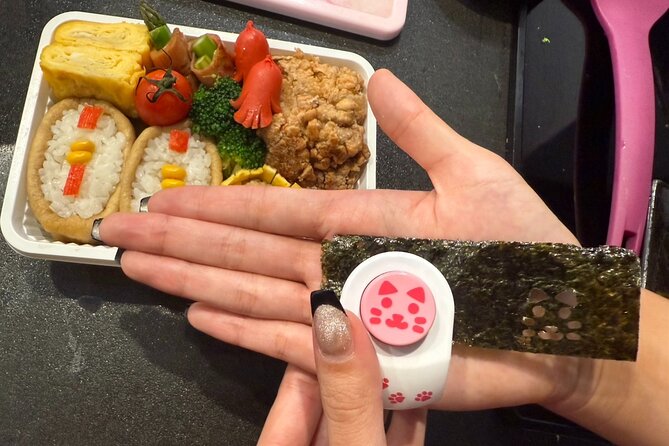
Kyaraben is made for the camera. But good camera-friendly food isn’t accidental. It’s designed.
This class is described as truly unique and highly photogenic, with every step—like rolling tamagoyaki and decorating faces—structured so your final bento looks ready for Instagram or TikTok. In other words, it’s not just that the bento is cute. It’s that the process sets you up to get a recognizable character.
What makes this valuable is the outcome. You leave with edible art. You also leave with a repeatable idea: how to use shapes and color contrast to make a face readable even at a glance. That’s a real skill for anyone who enjoys cooking and styling.
A helpful detail is that the tools and ingredients are set out in a complete way, and the ingredients are pre-portioned. That reduces “messy starts,” like figuring out what’s what. Less confusion means more time for actual learning and finishing strong on the design work.
If you’re the type who likes to take progress photos, this workshop gives you enough moments to capture without dragging the class into “craft time only.”






Meals included: eating your own bento is the best part
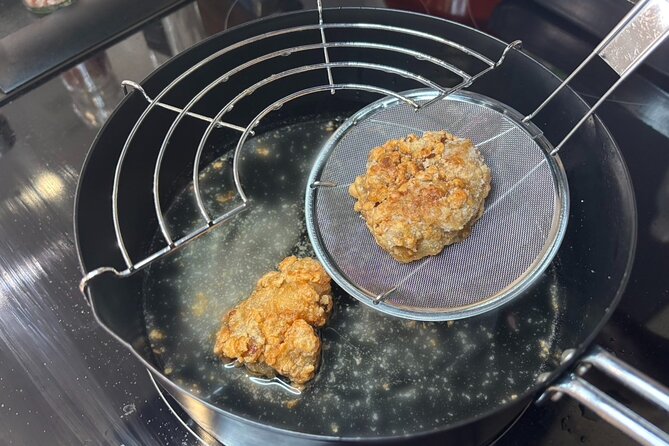
Most cooking classes give you a demo and then send you away. Here, meals are included. That changes the emotional payoff. You’re not just making something. You’re eating your own character bento at the end.
That matters for taste and texture. Karaage-style crunch and tamagoyaki’s sweet-savory comfort are exactly the kinds of elements that feel best in the moment. And when the lunch is something you assembled, you’ll actually pay attention to balance—how the flavors and textures work together.
There’s also an adult option: alcohol is served only to guests aged 21 or older, with non-alcoholic alternatives offered for younger guests. If alcohol matters to your evening plans, just note that this is tied to age.
Overall, the meal included feature is where a lot of the value comes from. You aren’t paying only for technique. You’re paying for a full experience that ends with a real lunch.
Price and value at $78.18: what you’re really paying for
At $78.18 per person, this isn’t the cheapest way to eat in Tokyo. So you should judge the value by what you receive.
You’re getting:
- A hands-on class lasting about 1 hour 30 minutes
- A private format limited to your group
- An organized setup with tools and ingredients ready
- Bento-making components that include cooking and decorating
- A meal included at the end
- Hosts who provide clear explanations and attentive guidance
That set of benefits matters more than the raw session length. Many short classes are only about watching. Here, the structure is set up so you actively build the bento from scratch-ish components and end with something you can actually eat.
Also, the location is Shinjuku, one of Tokyo’s most practical hubs for visitors. You’re not going far out to a distant cooking studio where you spend most of your time commuting. And since the activity ends back at the meeting point, you can keep your day plans intact afterward.
If you’re traveling on a tight budget, you may decide it’s a splurge. But if you want something fun that combines cooking, culture, and a satisfying edible result, the price makes sense for what you’re handed.
Who this bento workshop suits best (and who might want a different option)
This class is a strong fit for:
- Families who want a hands-on activity that feels playful for kids
- Couples looking for a shared creative experience in Tokyo
- Solo travelers who want a friendly, guided kitchen moment with people who speak with warmth
- Anyone who likes food styling, photography, or making content from real cooking
It also works well across skill levels. You don’t need Japanese cooking experience. The step-by-step guidance from Aya and Ayano is designed to keep you on track.
That said, it might not be ideal if you want a long cooking session with advanced techniques and a deep multi-course program. The time is short by design, so you’ll finish with a great character bento but you won’t leave with a full “mastery” of multiple Japanese dishes.
If you’re someone who prefers tasting menus only, this workshop leans hands-on. It’s meant for making.
Practical tips for starting in Shinjuku without stress
You meet at 1103, 5-chōme-18-20 Shinjuku, Shinjuku City, Tokyo 160-0022. The activity is near public transportation, which is a big help in a city where walking times can surprise you.
This experience uses a mobile ticket. So have your phone charged and ready. It’s also a private group format, which usually means you’ll get an easier experience arriving and settling in compared with large group sessions.
One more practical thought: you’ll be working with food and assembling items. Wear something comfortable and easy to move in. You’ll likely spend most of the time engaged, so plan to keep your focus on the workstation rather than on constantly rearranging your belongings.
If you have dietary restrictions, food allergies, or specific needs, the data doesn’t spell out details. So I’d treat it as a “ask ahead” situation rather than assuming.
Should you book this Character Bento workshop in Shinjuku?
I think you should book it if you want a hands-on Tokyo experience that’s both meaningful and fun. The sweet spot here is creativity plus real Japanese cooking flavor basics. You get a photogenic final product, clear instruction from Aya and Ayano, and a meal included—so you leave fed and smiling.
I’d skip it (or choose something else) if you mainly want a passive activity, or if you’re looking for a longer, more advanced cooking curriculum. This is designed to be friendly, efficient, and light on stress.
If your travel style leans toward making something with your hands, taking a few great photos, and learning how Japanese home lunches are built, this is a strong pick.
FAQ
Where is the meeting point for the Tokyo Character Bento workshop?
The meeting point is 1103, 5-chōme-18-20 Shinjuku, Shinjuku City, Tokyo 160-0022, Japan.
How long is the workshop?
It lasts about 1 hour 30 minutes.
What is the price per person?
The price is $78.18 per person.
Is the ticket digital?
Yes, it uses a mobile ticket.
Is this a private experience?
Yes. Only your group will participate.
What is included in the experience?
Meals are included.
What Japanese food skills or items will I work with?
You’ll learn Character Bento (Kyaraben) making, including tamagoyaki, dashi flavor basics, and karaage.
Are alcoholic beverages included?
Alcohol is not included for everyone. Alcoholic beverages are served only to guests age 21 or older, and non-alcoholic alternatives are offered for guests under 21.
Does the tour accommodate service animals?
Yes, service animals are allowed.
Is it easy to reach by public transportation?
The experience is near public transportation.
What is the cancellation policy?
Free cancellation is available up to 24 hours in advance for a full refund.
If you’d like, tell me your travel dates and whether you’re going as a couple, family, or solo—I can suggest the best time of day to fit this into a Shinjuku-heavy itinerary.