REVIEW · TOKYO
Make Sushi and Create Unforgettable Memories in Tokyo
Book on Viator →Operated by Sushi Making Tokyo Cooking Class in Japan · Bookable on Viator
One hour and forty minutes later, you’ll be eating. This sushi-making class in Asakusa pairs hands-on nigiri and roll techniques with easy English guidance, right by Sensoji Temple. It’s a very practical way to understand Japanese food culture without needing any background.
I love that it’s built for beginners. You get step-by-step instruction, you make the sushi yourself, and the portion is generous enough that it feels like a real meal, not a snack. I also like that the instructors bring sushi history and trivia into the lesson, so you’re not just copying shapes—you’re learning why they matter.
The main thing to consider is that this is a group class with a cap of 30 people, so on busier sessions you may feel a little less one-on-one than you’d get in a private lesson. Still, the format is clearly designed to keep things moving and help you build confidence fast.
In This Review
- Key points you’ll care about
- Why Asakusa sushi feels different than a classroom
- What you’ll actually learn: nigiri, rolls, and the why behind them
- Nigiri basics that make you feel capable
- Roll sushi: from simple to more impressive
- The meal: you’re not just tasting, you’re eating your work
- Instructor energy: English help that stays friendly
- Where it fits in your Tokyo day (and why Asakusa helps)
- Who this class is best for
- Best for beginners and first-time sushi makers
- Great for families and teens
- A solid choice for solo travelers
- Nice for dietary needs, too
- Group size: friendly, but not private
- Price value: what you’re paying for at $79.59
- Photos and souvenirs: the part you’ll be happy about later
- Small practical tips so your class goes smoothly
- Should you book Sushi Making Tokyo?
- FAQ
- How long is the sushi-making class?
- Do I need any experience to take this class?
- What’s included in the price?
- Is hotel pickup included?
- Where does the experience start?
- How big is the class?
- Can I cancel for free?
- Is the class in English?
Key points you’ll care about
- Asakusa location near Sensoji means you can pair the class with a classic temple wander afterward
- No experience needed and step-by-step teaching makes it beginner-friendly
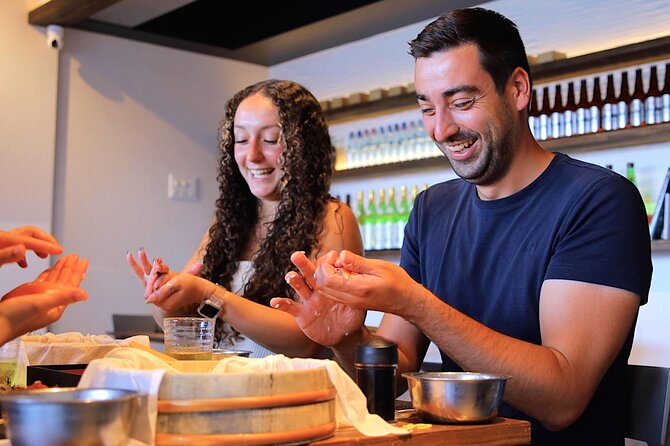
- You eat what you make, including both rolls and nigiri
- English-speaking instructors keep the pace comfortable and clear
- Small-group feel (max 30) with lots of guidance built into the workflow
- Useful adjustments are supported, including gluten-free needs and other accommodations mentioned by guests
Why Asakusa sushi feels different than a classroom
Tokyo has plenty of food experiences, but this one sits in a sweet spot: it’s hands-on and still very connected to place. The meeting point is in Kaminarimon (Taito City), which puts you close to the big sights most first-timers aim for in Asakusa. That matters because food here doesn’t feel like a performance. It feels like you’re learning something that belongs to daily life in an old neighborhood.
You’re also getting a lesson that doesn’t assume you already speak Japanese cooking. The class is guided in English, and the pace is set up for people who have never touched sushi rice before. That’s huge. Sushi looks intimidating from the outside, but once you’re shown how to handle rice, season it, and form pieces, it clicks quickly.
What I like most is the balance: you learn technique, you learn cultural context, then you eat. That sequence turns the class into an actual memory you can take home, not a short-term activity you forget by the next morning.
You can also read our reviews of more tours and experiences in Tokyo.



What you’ll actually learn: nigiri, rolls, and the why behind them
This is a sushi-making class focused on two core styles: nigiri and sushi rolls (maki). The teaching is step-by-step, and it’s designed so you don’t just end up with something that looks edible—you end up with something you can understand and repeat at home.
Nigiri basics that make you feel capable
Nigiri can be trickier than people expect. The rice needs the right stickiness and pressure, and the topping should sit correctly without turning your whole plate into rice confetti. In this class, the instructors break the process down into clear actions, which is exactly what you want as a beginner.
Even better, the instruction isn’t only mechanical. The class includes sushi-making history and trivia. That means you’re learning what makes each type different, so when you form a piece you know what you’re aiming for.
Roll sushi: from simple to more impressive
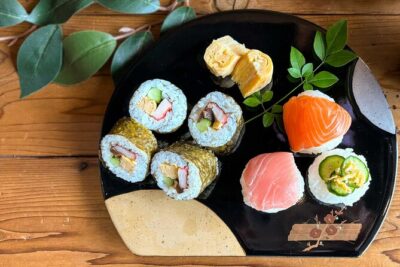
Rolls are often the photo moment, and this class gives you that payoff. You’ll learn roll techniques in a way that builds from easier forms toward more detailed ones. Some guests mention learning variations like temari-style sushi and inside-out style maki, which tells you the class has room for different shapes and skill levels.
Also, don’t ignore the ingredient setup. Several people commented on how organized everything is and how pre-planned components save time. That’s a quiet quality marker: good classes remove friction so you can focus on the steps that teach real technique.
The meal: you’re not just tasting, you’re eating your work
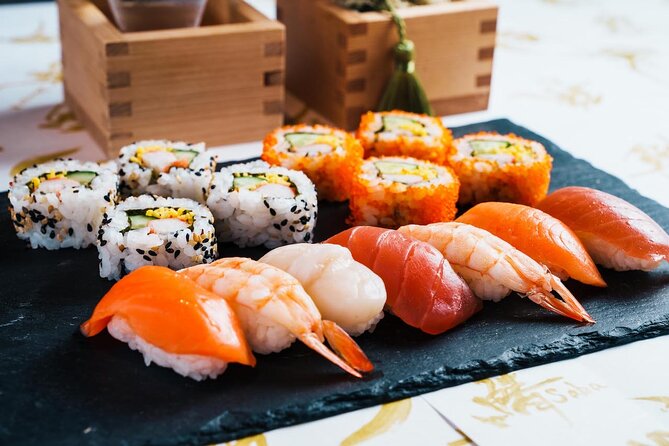
A big reason this experience scores so high is simple: you eat the sushi you make. That sounds obvious, but in many cooking activities you end up with small bites. Here, the expectation is a filling meal. Guests have described making a set number of pieces of maki and nigiri per person, and feeling full afterward.
That changes the whole vibe. You’re not rushing through a lesson just to get a sample. You’re practicing, building, and then eating something you can point to and say, I made that.
Also, the ingredients are described as fresh and good quality. You can taste the difference in sushi rice too—once you learn how the rice is handled and seasoned, the whole dish makes more sense.





Instructor energy: English help that stays friendly
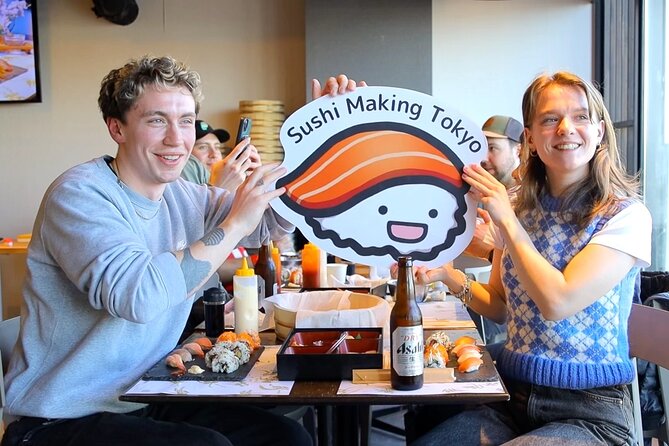
The teaching here stands out because it’s both structured and warm. Multiple instructors are named in guest feedback, including Rino, Yuto, Ken, Sato, Momo, Madoka, Yusuke, Yuhi, Yui, Emi, Mikoki, Kento, Ayu, and Matti. Even when names differ by group, the pattern is consistent: instructors are described as helpful, friendly, and attentive.
One small detail I really appreciate: people say instructions are professional but still simple. That’s the sweet spot for international visitors. If the instructor is too technical, you get lost. If they’re too vague, you can’t improve. Here, the goal seems to be clarity plus momentum.
There’s also a practical tip that shows up in feedback: if you want sake, there may be an additional charge during class. And in one helpful note, someone explained that a sake set is a combo option and to choose carefully if you’re ordering. If you don’t drink, you can just focus on the sushi part.
Where it fits in your Tokyo day (and why Asakusa helps)
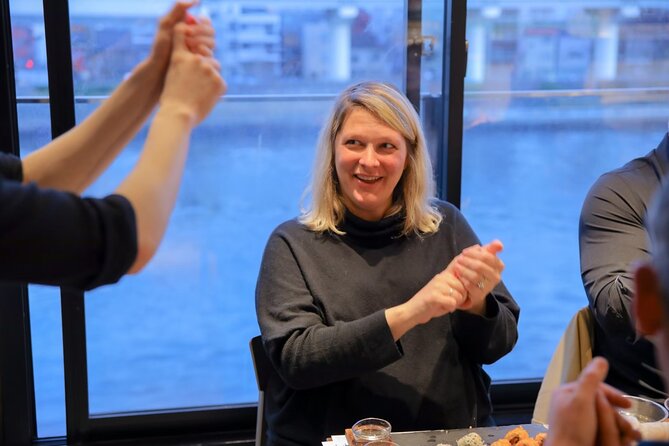
This class lands in a neighborhood that’s already a highlight for many itineraries. You’re near Sensoji Temple, and that means you can plan your day around a natural flow: sights first, cooking second, or cooking first then temple exploring.
Because the class is about 1 hour 40 minutes, it’s an easy fit between other Asakusa activities. You don’t have to build your day around travel time and long gaps. You can do a morning temple walk, then arrive ready to work with your hands. Or you can do the class in the afternoon and use the rest of the time for photos, snack stops, and casual strolling.
One logistics note: there’s no hotel pickup and drop-off. You’ll want to use public transportation and plan to arrive a few minutes early. Being late can happen in Tokyo—crosswalks, station exits, and crowds are real—but the class is set up so you’re not left wondering what to do when you arrive.
Who this class is best for
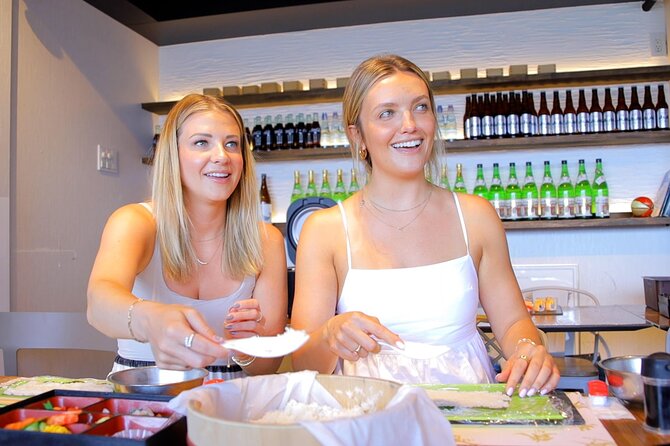
This is one of those activities that works across ages and travel styles—without feeling too “touristy.”
Best for beginners and first-time sushi makers
If you’ve never made sushi at home, you’re exactly who this class is for. The structure is meant to create confidence step by step, and the instructor guidance is the point.
Great for families and teens
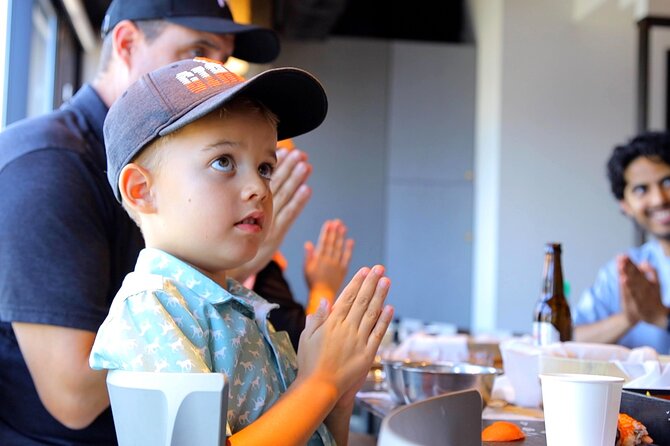
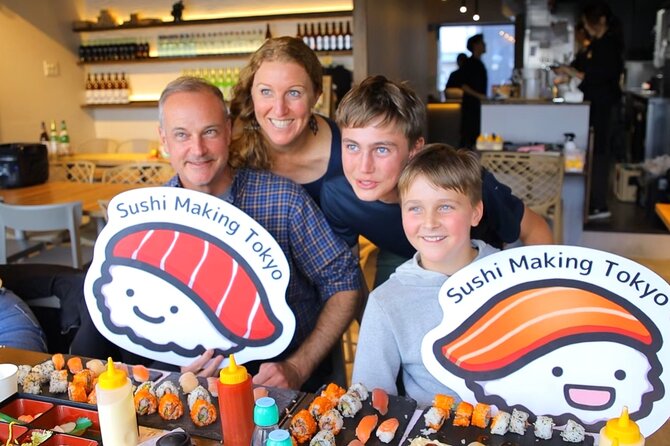
Families have called it a hit for teens and kids. The lesson is described as suitable for all ages, with guidance that helps younger participants follow the steps. If you’re traveling with different ages, this class is a rare win where everyone can make something and eat together.
A solid choice for solo travelers
Solo travelers are also welcomed. Since it’s a hands-on class with instruction at the center, you don’t feel like you’re waiting on the group. You’re working, learning, and then eating on your own plate of sushi creations.
Nice for dietary needs, too
Some guests mention accommodations, including gluten-free substitutions and help with shellfish allergies. That’s not guaranteed for every possible dietary situation, but it’s a strong sign the team can handle common requests. If you have restrictions, send the details during booking so the team can prepare.
Group size: friendly, but not private
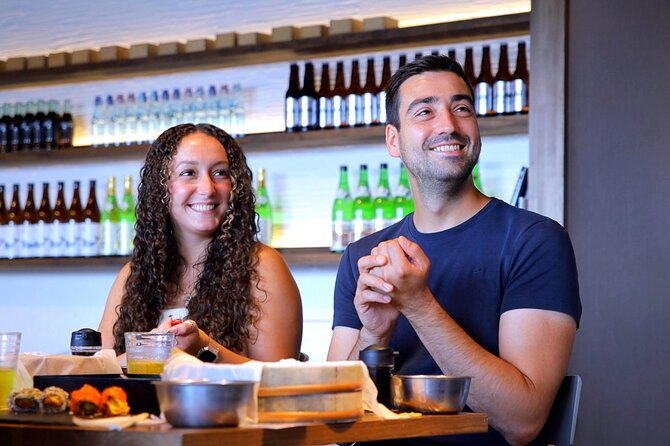
The class maximum is 30 travelers, and feedback suggests groups get broken into smaller sub-groups so instructors can help where needed. That matters because sushi is hands-on work. Too-large a class can turn into watching from the sidelines.
The good news is that the class is organized to minimize that problem. People mention pre-set ingredients and clear instruction flow, which helps you keep moving even when there are others in the room.
Still, if you’re the type of traveler who wants lots of personal correcting and custom instruction, you might eventually wish you booked a private class. For most people, though, this class hits the sweet spot: structured enough to learn, social enough to enjoy.
Price value: what you’re paying for at $79.59
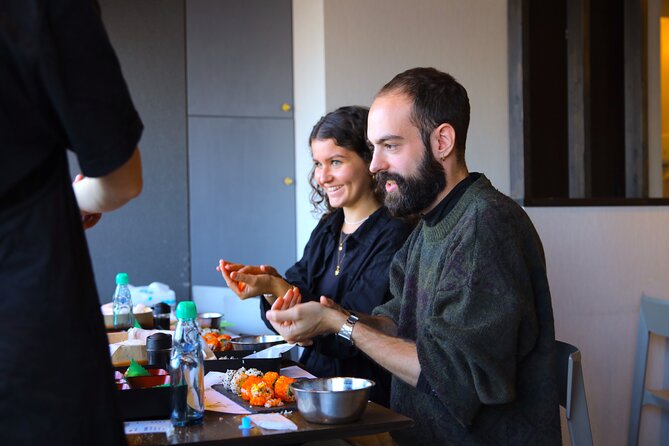
At $79.59 per person, you’re not just paying for a recipe. You’re paying for instruction in English, ingredient prep, and the meal included with your work. In Tokyo terms, that’s a realistic value when you consider what it costs to simply eat a nice sushi meal plus the cost of structured teaching time.
The “value” part isn’t only the price tag. It’s what you get: both nigiri and rolls, cultural context, and a result you can actually eat. That makes it a stronger purchase than many experiences where you spend money for short photos and a small tasting.
If you love food, want a hands-on memory, and are traveling with limited time, this is the kind of activity that feels worth it quickly. It’s not a long-term project; it’s a focused skill-building meal.
Photos and souvenirs: the part you’ll be happy about later
The class encourages taking photos of what you made. It may sound silly, but it’s genuinely satisfying. Sushi you form with your own hands creates better pictures than many guided tours because the food is the show.
Plus, when you take pictures in a setting like Asakusa, you get two layers of memory: the neighborhood vibe and the personal work you did. It’s the kind of souvenir that actually brings you back to the moment.
Small practical tips so your class goes smoothly
Here are a few no-stress tips that match what people found helpful:
- Arrive a bit early so you can settle in and get your bearings
- If you drink, ask or clarify whether sake options add cost during class
- If you have allergies or dietary needs, mention them clearly during booking so substitutions can be planned
- Watch the instructor’s rice handling carefully. That’s where most beginners gain confidence fastest
- Don’t overthink perfection. The goal is learning a process, not winning a sushi contest
Should you book Sushi Making Tokyo?
If you want a Tokyo experience that’s fun, hands-on, and actually useful, I’d book it. This class checks the big boxes: English-speaking instruction, step-by-step guidance with nigiri and rolls, and the best part—you eat what you make. It also fits well into a typical day in Asakusa, close to Sensoji, so you’re not building your whole itinerary around a single location.
I’d think twice only if you’re set on a private, ultra-individualized lesson or you hate group settings. Otherwise, it’s a strong pick for couples, families, and solo travelers who want an authentic food activity that turns into a real memory.
FAQ
How long is the sushi-making class?
The experience is about 1 hour 40 minutes (approx.).
Do I need any experience to take this class?
No experience is needed. The instructors guide you step by step, and the class is beginner-friendly.
What’s included in the price?
The price includes an English-speaking instructor and the ingredients for the class and meal.
Is hotel pickup included?
No. Hotel pickup and drop-off are not included.
Where does the experience start?
The meeting point is 2-chōme-17-9 Kaminarimon, Taito City, Tokyo 111-0034, Japan, and the activity ends back at the meeting point.
How big is the class?
The tour/activity has a maximum of 30 travelers.
Can I cancel for free?
Yes. You can cancel up to 24 hours in advance for a full refund.
Is the class in English?
Yes, it includes an English-speaking instructor.