REVIEW · TOKYO
Private Tour Through the Tokyo National Museum & Ukiyo-e
Book on GetYourGuide →Operated by gotcha Corporation · Bookable on GetYourGuide
Ueno clicks fast when you have a guide. This private English-speaking guide tour pairs Ueno Park temples with Tokyo National Museum art so the city’s past feels timed and connected. I also love the stop at Kiyomizu Kannon-dō, where the wooden stage gives a view back across Ueno Park.
At the museum, you get context before you look, including samurai armor and colorful ukiyo-e woodblock prints. The route also ties Ueno Hill’s Edo-era grounds to what you see today, so the experience feels like one story instead of a checklist.
One thing to consider: this tour isn’t suitable for wheelchair users or people with mobility impairments since it mixes outdoor shrine/temple stops with museum walking.
In This Review
- Key takeaways
- Why Ueno Park Works So Well with a Museum Guide
- Getting Oriented at FamilyMart: The Start That Saves Time
- Kiyomizu Kannon-dō: The Wooden Stage View You’ll Remember
- Ueno Toshogu Shrine and the Tokugawa Link
- Tokyo National Museum: Samurai Armor and Ukiyo-e with Context
- Ueno Hill Through Edo, Meiji, and the Battle of Ueno
- Walking Pace, Photo Rules, and What to Pack
- Price and Value: Is $74 Worth It?
- Who This Tour Suits Best (and Who Should Skip It)
- Should You Book This Private Tokyo National Museum & Ukiyo-e Tour?
- FAQ
- FAQ
- How long is the Tokyo National Museum & Ukiyo-e private tour?
- Where do we meet the guide?
- Is admission to the Tokyo National Museum included?
- What language is the tour guide?
- Are photos allowed, and can I use flash?
- Is the tour cancellable for a full refund?
Key takeaways
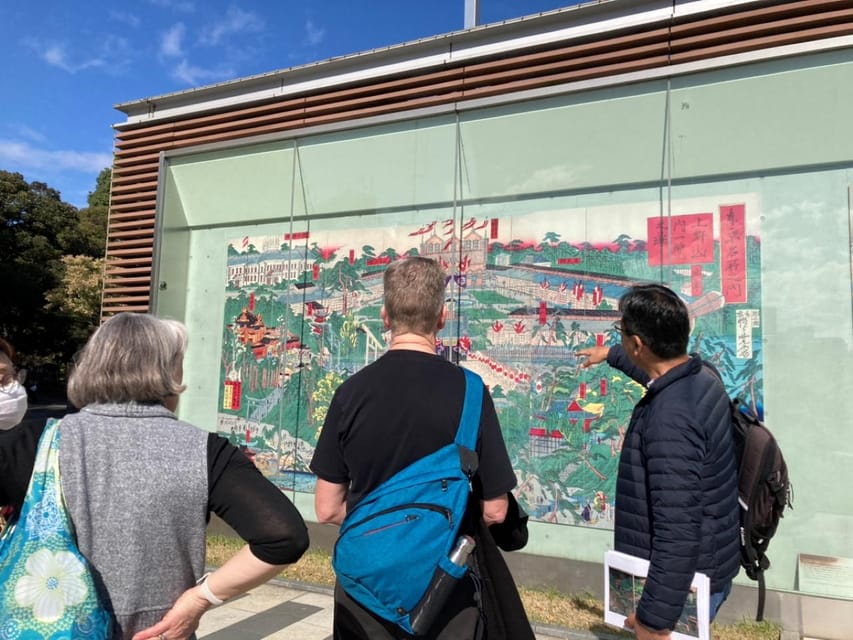
- Wooden stage photo stop at Kiyomizu Kannon-dō with a classic Ueno Park view
- English guide storytelling that helps museum objects make sense fast
- Tokyo National Museum admission included so you’re not juggling extra tickets
- Ueno Toshogu Shrine connections to the Tokugawa Shogunate
- Photo stops plus clear rules like no flash photography
Why Ueno Park Works So Well with a Museum Guide
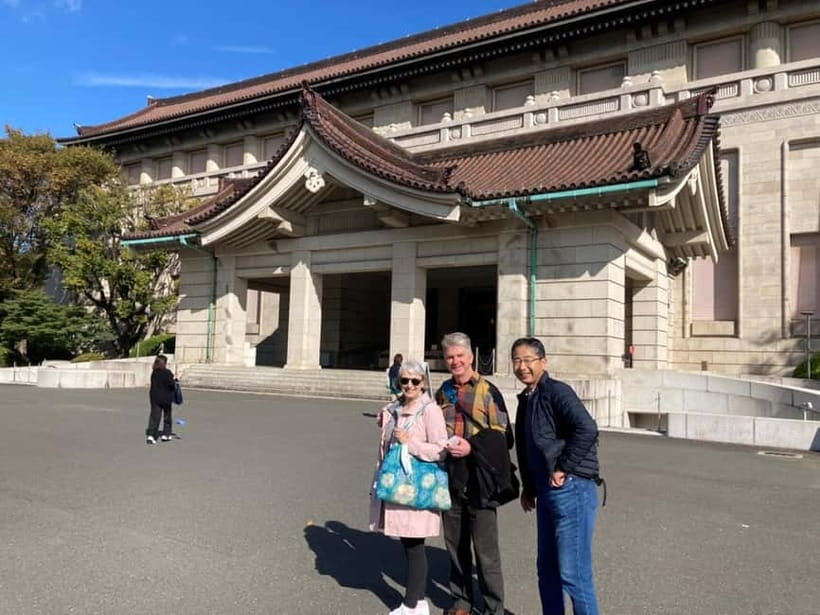
Ueno Park can feel like a lot at once. The temples, shrines, and museum galleries are all close, but without context they can blur together. This private tour solves that problem by threading the outdoor sites into what you’ll see inside the Tokyo National Museum.
What I like most is the way an English-speaking guide makes you look smarter. Guides named in past tours, like Shigeru, Ms Mieko, Mister Hattori Yutaka, and Masahito, focus on how each place connects to Japanese history, not just dates and facts. It’s the difference between seeing objects and understanding why they matter.
You also get an experience that moves at a human pace: photo stops outdoors, then a museum visit that’s more like guided looking than a rushed walk-through. For a 150-minute window, it’s a very efficient way to get value without burning the day.
You can also read our reviews of more private tours in Tokyo



Getting Oriented at FamilyMart: The Start That Saves Time
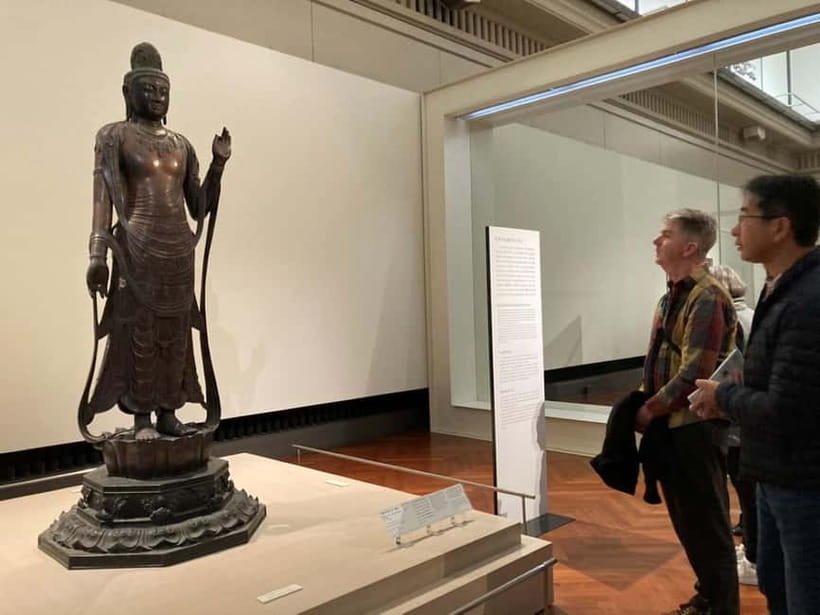
Your meeting point is simple, but it matters. You meet in front of the convenience store Family Mart Ueno Park Branch. It’s on the street side—specifically not inside Ueno Park—so give yourself a few minutes to find the right spot before your guide shows up.
That may sound tiny, but Tokyo is full of near-identical streets. A clear meeting point reduces the stress that can eat into a short tour. If you’re coming from another museum or station, leave extra time and arrive early with your water ready.
Bring a camera and comfortable shoes. The tour includes outdoor temple/shrine walking plus museum galleries, so you’ll want support underfoot. A hat and sunscreen are also wise since Ueno’s open areas can catch the sun.
Kiyomizu Kannon-dō: The Wooden Stage View You’ll Remember
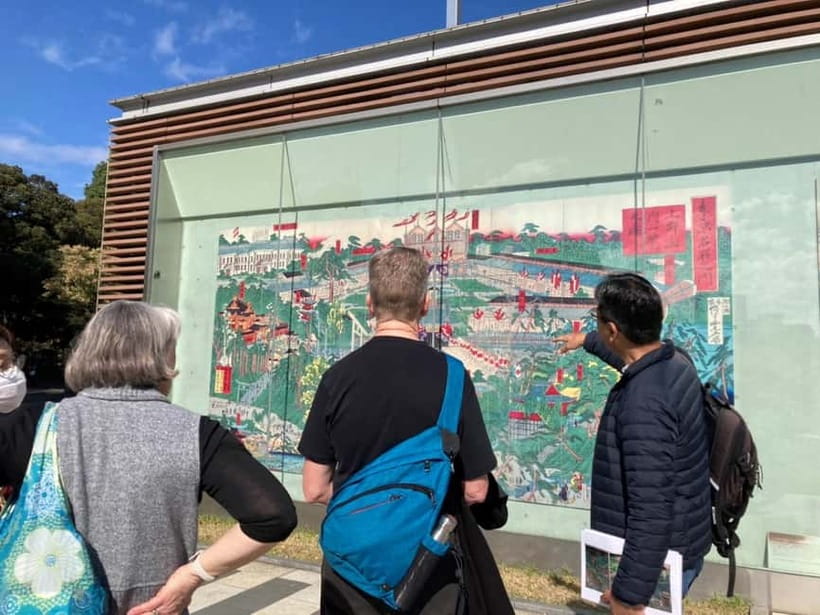
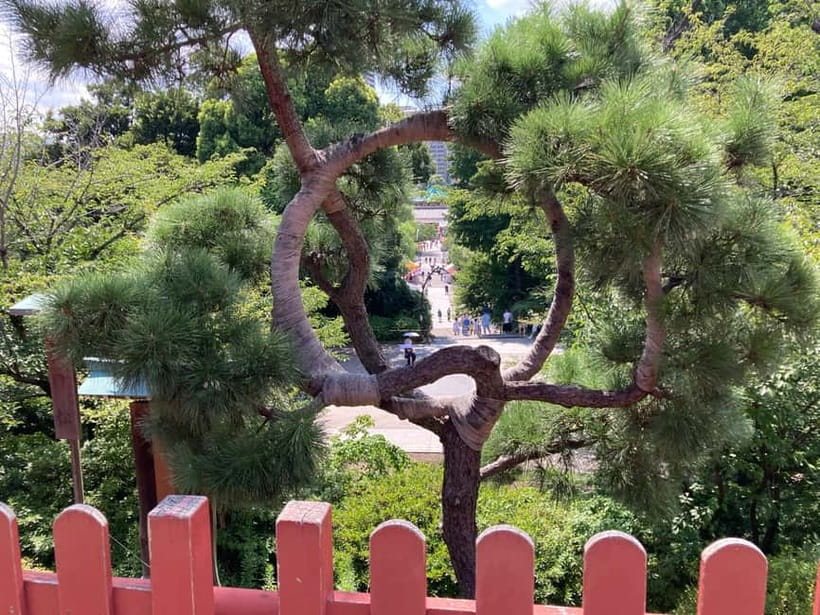
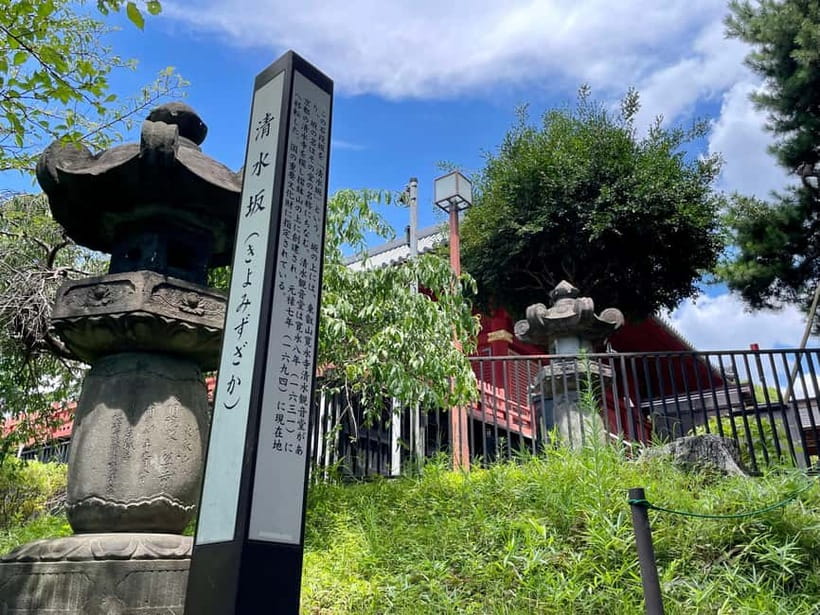
Kiyomizu Kannon-dō is the calm, scenic stop in this loop. The grounds feel quieter and more nature-focused than the busier streets around Ueno. Your guide brings you to a photo stop and explains what you’re seeing in a way that makes the place feel less mysterious.
The highlight here is the wooden stage viewpoint. From there, you get a classic sightline back toward Ueno Park—exactly the kind of view that makes you understand why people come to this area in the first place. It’s also a good reset before heading into indoor galleries.
Expect the guide to help you notice details. Even if you’re not a “temple expert,” a few smart explanations can turn photos from tourist snapshots into scenes with meaning. And if you’re traveling with kids, the tone often stays patient and gentle, which shows up in guide styles across past tours.
Ueno Toshogu Shrine and the Tokugawa Link
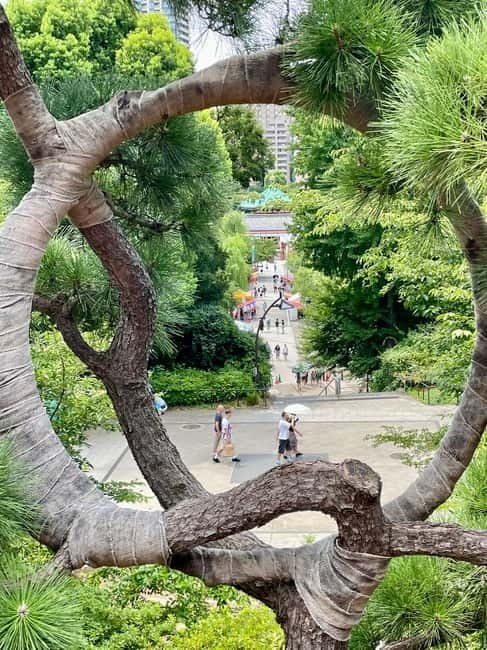
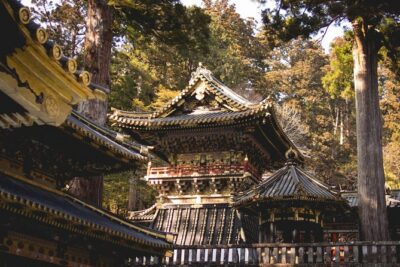
Next comes Ueno Toshogu Shrine, another photo stop with guided sightseeing. This is where the tour connects the everyday park world to power and politics in Japan’s past. The shrine has ties to the Tokugawa Shogunate, so it’s not just a pretty building in a park—it’s part of the historical machinery that shaped the country.
This stop is a good one if you like your history grounded in place. Instead of treating the Tokugawa era as distant textbook material, you see it anchored to a specific site. Your guide can help you connect what you’re seeing outside with the kind of artifacts you’ll later encounter at the museum.
One practical note: take a breath before you move on. Shrines and temples in Japan are designed for walking slowly and looking carefully. If you rush, you’ll miss the little cues—inscriptions, architecture, and the layout—that make the site easier to understand.
Tokyo National Museum: Samurai Armor and Ukiyo-e with Context
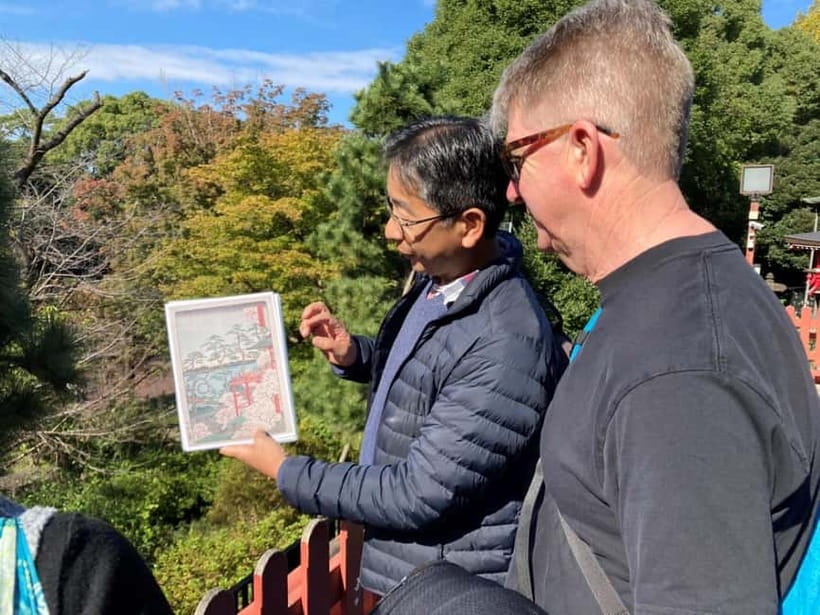
The big draw is the Tokyo National Museum visit, and the value is stronger because admission is included. You’re not just wandering through rooms; you’re there with a guide who helps you connect objects to the wider story of Japan.
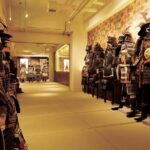
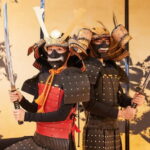
Two museum highlights you can look forward to are samurai armor and ukiyo-e woodblock prints. Both can look impressive on their own, but without context they can also feel like “cool stuff.” With a guide, you start noticing the why: what the armor represents in culture and status, and how ukiyo-e reflects everyday life, tastes, and changing times.
There’s also a practical advantage for people who don’t want to plan too much. A thoughtful guide can help you focus on what fits your interests and your time. In past tours, guides such as Masahito made sure groups had enough time for two specific areas, rather than forcing everyone to follow the same path.
That said, there’s a possible downside to keep in mind: the museum visit can’t be deep in every corner during 150 minutes. If you’re hoping for highly detailed explanations of a single niche collection, you’ll want to tell your guide what you’re most curious about at the start. That’s the best way to avoid the feeling that the tour spread attention a bit too widely.
Also, follow the museum’s photo rules. Flash photography isn’t allowed on this tour, so bring a camera and plan on natural lighting rather than trying to overpower it.
You can also read our reviews of more museum experiences in Tokyo

Ueno Hill Through Edo, Meiji, and the Battle of Ueno
One of the most interesting threads in this experience is how it treats Ueno Hill like a timeline you can walk across. Ueno Hill was once the vast grounds of Kaneiji Temple and even acted as a popular public space during the Edo period. That’s already a fascinating setup because it explains why the area became such a social and cultural magnet.
Then comes the modern layer. Your guide explains how the grounds transformed—or in some ways kept their character—through the Meiji Restoration and the Battle of Ueno. Those events can feel abstract until someone maps them to the physical place you’re standing in.
This is the kind of storytelling that makes a museum visit feel practical. When you understand the shift from Edo society to the Meiji era, the museum’s objects feel less like isolated masterpieces and more like evidence of real change—style, power, and daily life.
If you like walking tours where history has coordinates, this is a strong fit. If you prefer strict art-only museum time, the outdoor context may feel like extra. But even then, it usually helps you get oriented quickly.
Walking Pace, Photo Rules, and What to Pack
This tour is short enough to feel doable, but it still has movement. You’ll go between outdoor temple and shrine stops and then into museum galleries. That’s why comfortable shoes matter more than you’d think.
The list of what to bring is straightforward:
- comfortable shoes
- hat
- camera
- sunscreen
- water
There are also clear boundaries:
- no smoking
- no flash photography
One more practical tip: plan for heat and sun during the walkable parts. Ueno has open sections, and even when the route feels calm, you’ll appreciate having water and sunscreen ready.
If you’re a photo person, don’t be shy. Past guides have taken pictures for people, so you’re not stuck balancing your phone and your dignity while trying to frame a shrine gate.
Price and Value: Is $74 Worth It?
At $74 per person for about 150 minutes, you’re paying for a private English guide plus museum admission and access to Kiyomizu Kannon-dō. The real value depends on your travel style.
If you like to learn while you move, the guide is the heart of the deal. The museum can be overwhelming without help, and ukiyo-e or armor collections can be tough to interpret quickly. Having someone explain what you’re looking at—before you wander off—saves time and makes the visit feel purposeful.
For couples or small groups, a private format can also feel efficient. You’re not sharing your pace with strangers, and you can ask your guide to spend more time where you care most. Past experiences with guides like Shigeru and Ms Mieko show how flexible a good guide can be, including suggesting a tasty lunch venue when timing allows.
If you’re the type who loves reading guidebooks and moving on your own, you might find the museum ticket plus self-guided wandering cheaper. But you’d likely spend more energy figuring out what’s worth your attention—and less time getting the history stitched together.
Who This Tour Suits Best (and Who Should Skip It)
This private tour makes the most sense for people who want structure without feeling rushed. You’ll enjoy it if you like:
- Japanese history tied to real places
- a mix of temples/shrines and the Tokyo National Museum
- guided viewing of samurai armor and ukiyo-e
It also fits well for families when the guide keeps a patient pace. Several guide styles mentioned include being kind with children and working in breaks when needed, which helps keep the outing comfortable.
Skip it if mobility is a concern. It isn’t suitable for wheelchair users or travelers with mobility impairments, since it involves walking around outdoor sites and through museum spaces.
If you want a very hands-on, art-conservator style experience, this may feel more like “guided overview” than deep technical study. You’ll get excellent context, just not a dissertation in 150 minutes.
Should You Book This Private Tokyo National Museum & Ukiyo-e Tour?
If your goal is to understand Ueno and the Tokyo National Museum fast, I’d book it. The mix of Kiyomizu Kannon-dō (with that wooden stage view), Ueno Toshogu Shrine (Tokugawa connections), and museum time focused on major categories like ukiyo-e and samurai armor is a smart, efficient plan.
Book especially if you want an English guide to help you look with intention. The best versions of this tour come down to guide quality—something past experiences highlight again and again with names like Shigeru, Ms Mieko, Mister Hattori Yutaka, and Masahito.
I’d hesitate only if you need step-free access or you’re expecting highly specialized, object-by-object instruction for one narrow subject. If you tell your guide what you care about early, though, you’ll usually get a better match.
FAQ
FAQ
How long is the Tokyo National Museum & Ukiyo-e private tour?
The tour lasts 150 minutes.
Where do we meet the guide?
Meet in front of the Family Mart Ueno Park Branch. It faces the street and is not inside Ueno Park.
Is admission to the Tokyo National Museum included?
Yes. Admission to the Tokyo National Museum is included.
What language is the tour guide?
The guide is English-speaking.
Are photos allowed, and can I use flash?
You can take photos, but flash photography is not allowed. Smoking is also not allowed.
Is the tour cancellable for a full refund?
Yes. You can cancel up to 24 hours in advance for a full refund.