REVIEW · TOKYO
From Tokyo: Kamakura and Enoshima Full-Day Private Trip
Book on GetYourGuide →Operated by TREKTIDE TRAVELS · Bookable on GetYourGuide
A day trip can feel like a checklist, but this one moves with purpose. You get private, door-to-door transport plus a guide who explains what you’re actually seeing at places like the Great Buddha and Tsurugaoka Hachimangu. I also like that it’s paced for real sightseeing, with time for Enoshima shopping and ocean views. One possible drawback: lunch and key temple entry fees are not included, so you’ll want a bit of extra cash and time for admissions.
Kamakura is the kind of place where small details matter, from the feel of temple grounds to the way you notice the coast at the right moment. Having a guide in English helps you connect the dots without slowing you down. Your day runs about 10 hours, so comfy shoes aren’t optional.
This tour fits best if you want a smooth, low-stress day leaving Tokyo—especially if you don’t want to wrestle with trains and transfers on your own. If you hate stairs or hate walking, you’ll still be fine, but you’ll want to take your time at the temple stops.
In This Review
- Key highlights to know before you go
- A 10-hour Kamakura and Enoshima escape from Tokyo
- Kotoku-in Great Buddha: massive bronze and a strong first impression
- Hase-dera Temple: where the stairs lead to coastline views
- Hokokuji Bamboo Forest: calm steps and easy photo planning
- Tsurugaoka Hachimangu: the shrine that ties the city together
- Enoshima: shopping, sightseeing, and sea air
- How the guide changes the day (Shoan, Timur, Ali-style)
- Price and what you’ll actually spend beyond the base cost
- Walking, timing, and what to bring for a smooth day
- Who this private trip suits best
- Should you book this Kamakura and Enoshima private trip?
- FAQ
- How long is the Kamakura and Enoshima full-day private trip?
- What does the tour cost, and how big is the group?
- Where is pickup, and what time does it start?
- Is lunch included?
- Are temple entry fees included?
- Is the guide available in English?
- What should I bring for the day?
Key highlights to know before you go
- Private group of up to 5: ideal for families or friends who want one plan, one pace
- English-speaking guide who shares clear stories (I like how guides can use simple visuals and charts)
- Big-name sites plus quieter moments like Hase-dera views and the bamboo forest calm
- Hassle-free Tokyo pickup from the 23 wards area around 8:30am
- Enoshima time for shopping and coastal sightseeing without feeling rushed
A 10-hour Kamakura and Enoshima escape from Tokyo
This is a full-day private trip, timed for a day that feels like you left Tokyo for good, even if you’re back later. Pickup is from Tokyo (23 wards) with hotel pickup offered, starting around 8:30am, and they note you may be up to 30 minutes late due to traffic. You’ll travel in an air-conditioned vehicle, which matters more than people think on a long day.
The tour is built around two connected places: Kamakura for temples and history landmarks, and Enoshima for seaside scenery and browsing. The route keeps you moving, but it’s not a nonstop sprint if you communicate what you want to see and how your legs feel.
It’s also worth knowing you’re in a private group, so the guide can adjust pacing a bit. In one past experience, the guide and driver helped make walking feel lighter by parking closer to key points.
You can also read our reviews of more private tours in Tokyo

Kotoku-in Great Buddha: massive bronze and a strong first impression
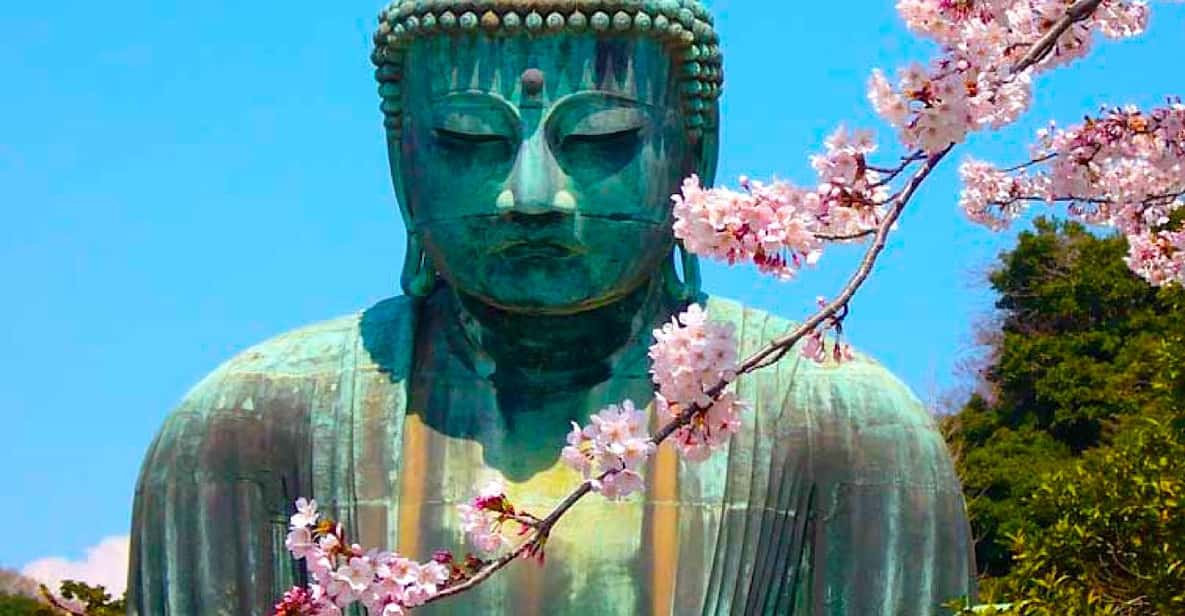
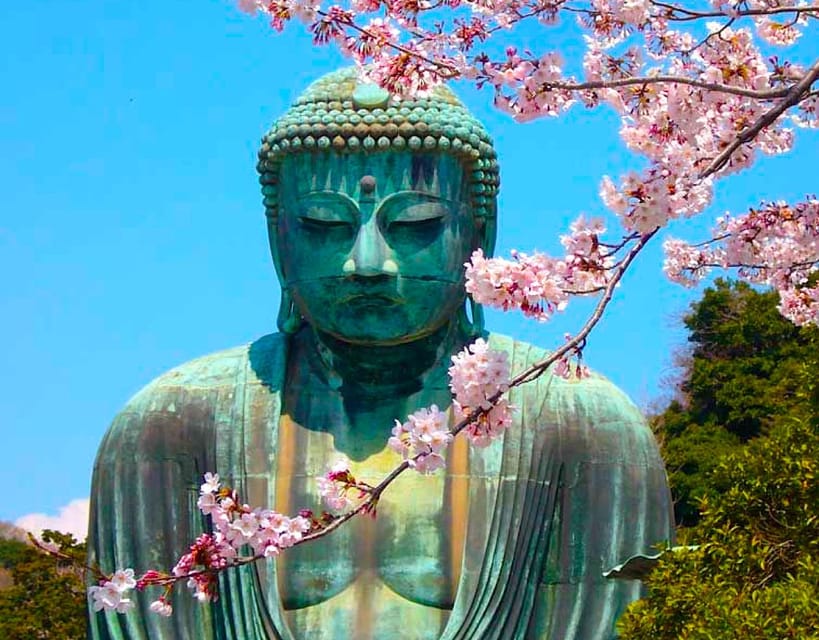
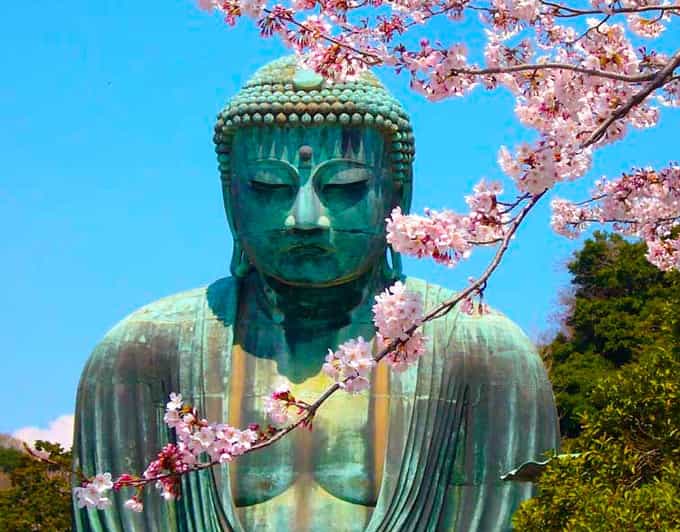
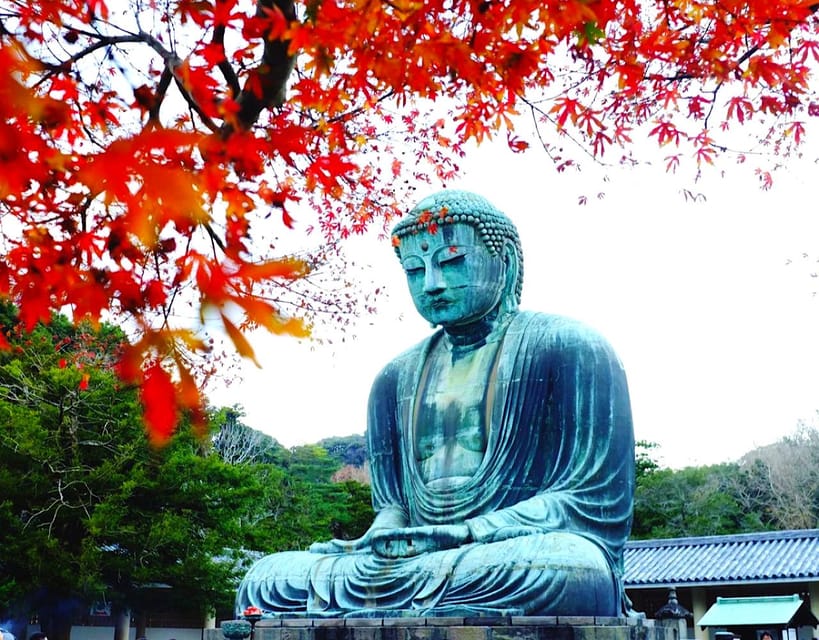
You start with Kōtoku-in, home to the Great Buddha (Daibutsu). This is the kind of landmark that’s hard to fully grasp until you’re standing there in person—huge, solid, and instantly iconic for Kamakura.
What makes this stop work on a day trip is the effect it has right away. Once you see the scale, the rest of Kamakura’s temple culture makes more sense, because you’re not just collecting names—you’re anchoring the day with one clear symbol.
Practical note: Great Buddha entry comes with an admission fee that’s listed as 300 yen. Since lunch isn’t included either, I recommend you plan your budget so the early part of the day doesn’t catch you off guard.
Hase-dera Temple: where the stairs lead to coastline views
After the Great Buddha, the route shifts to Hase-dera, a temple known for its gardens and famous for views toward the coast. This is one of those stops where the best moments often come after you’ve climbed a bit and walked through the temple grounds at a slow pace.
The good news: it’s not just about a single photo spot. The atmosphere builds as you move through the grounds, and the coastline view is the reward that gives the whole area a different feel than the earlier stop.
This temple also has an admission fee noted as 400 yen. If you want to avoid feeling rushed, you’ll do better by taking breaks inside the grounds rather than saving all your rest for the end of the day.
Hokokuji Bamboo Forest: calm steps and easy photo planning
Next is Hokokuji, known for its bamboo forest. Even if you’ve seen bamboo forests in other places, this one tends to feel special because it’s visually striking and also quieter than the bigger landmark areas.
I like this stop because it gives your eyes a break. After the large-scale bronze and the temple grounds, the bamboo area resets the day. It’s also a good place to slow down and let the guide point out what you might otherwise miss.
You’ll see an admission fee listed for Hokokuji (300 yen). Go with comfortable shoes and take a few test steps at the start—bamboo forest paths can feel fine until you’ve been walking for a while.
Tsurugaoka Hachimangu: the shrine that ties the city together
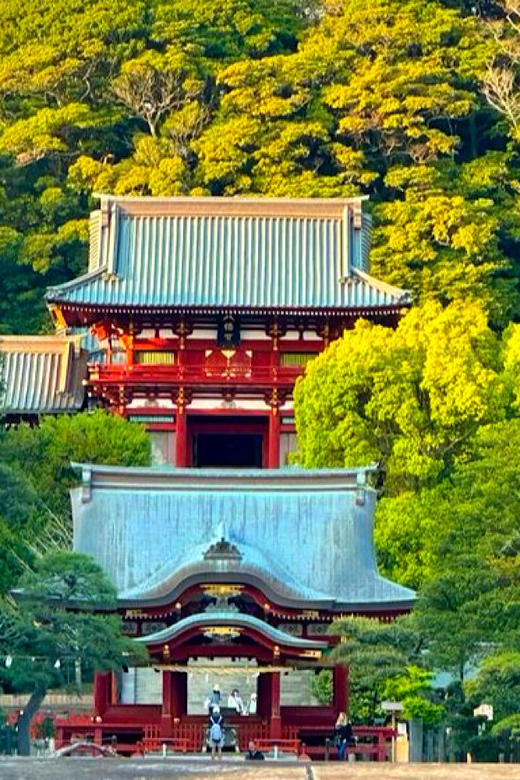
Then you head to Tsurugaoka Hachimangu Shrine, one of Kamakura’s central Shinto sites. Even with only about 30 minutes allotted, this stop helps you connect Kamakura’s spiritual landmarks into one bigger picture.
The setting matters here. The shrine is described as being surrounded by beautiful nature, and that kind of environment changes how the space feels. It’s not just a building you walk past—it’s a place that makes the city feel older and more rooted.
If you’re the type who loves bowing rituals, architecture details, or simple ceremonial pacing, you’ll probably enjoy the shrine more than you expect. If you’re more focused on photos, aim for a calm window rather than shooting while you’re still in full travel mode.
You can also read our reviews of more tours and experiences in Tokyo
Enoshima: shopping, sightseeing, and sea air
After the temples, the day shifts to Enoshima, with time for shopping and sightseeing. This is where the trip turns from temples and paths into coastal wandering and browsing, which helps keep a full-day itinerary from feeling monotonous.
Enoshima is also a good place to follow a guide’s suggestions rather than trying to plan every minute. Past guests mentioned that their guides walked them through scenic spots, hidden paths, and ocean views, and that they recommended food so you don’t end up hunting when you’re hungry.
Even though the tour description doesn’t list exact stops on Enoshima, you’re clearly meant to spend about 2 hours there. That’s enough time to get your bearings, buy a few small souvenirs, and still feel like you didn’t rush the coast.
One more budgeting note: there are no details saying Enoshima shopping items or any separate admissions are included. Since lunch itself isn’t included, expect to pay for at least one meal or snack during the day.
How the guide changes the day (Shoan, Timur, Ali-style)
The private guide is the real value multiplier here. With an English-speaking guide, you’re not stuck reading signs or guessing why a place looks the way it does. And you’re not trapped in a strict script either—private touring gives you flexibility in how long you linger.
In one example, the guide Shoan was described as professional and friendly, sharing clear history at the Great Buddha and temples. In Enoshima, Shoan helped people navigate scenic spots and quieter routes and even supported food decisions so the day stayed stress-free.
Another guide, Timur, was praised for bringing charts to explain a complex history in an understandable way. That’s a smart approach for a short visit: you don’t need every detail, you need the main threads tied together.
And Ali was mentioned as a driver who helped reduce unnecessary walking by parking closer to sites and making sure the day still felt manageable, including for a 9-year-old. That’s a big deal on a 10-hour schedule—if you’re tired, the wrong parking choice can ruin the day.
Bottom line: if you care about context as much as photos, this tour style is built for you.
Price and what you’ll actually spend beyond the base cost
The price is $451 per group (up to 5) for a 10-hour private tour. That can look pricey if you’re thinking per person, but private tours work differently: when you split cost across a small group, it often becomes a good trade for the time saved and the lack of transport stress.
To judge value honestly, factor in what’s not included:
- Lunch (not included)
- Temple admission fees, including Kotoku-in (300 yen) and Hokokuji (300 yen), plus Hase-dera (400 yen)
Since the tour includes hotel pickup and drop-off, private transportation, and an English guide, you’re paying to remove the friction of getting out to Kamakura and Enoshima on your own. That friction is often what turns a “simple day trip” into a long day with wrong connections and extra walking.
If you’re traveling as a couple, it can still be good value, especially if you’re trying to avoid train transfers. If you’re solo, the cost per person is higher, so I’d ask yourself whether you’d rather pay for convenience or do the public-transit DIY plan.
Walking, timing, and what to bring for a smooth day
You’ll be on foot a fair amount, especially at temples with stairs and paths. The tour itself is only about 10 hours, but the day feels long if you don’t plan for it.
Bring:
- Comfortable shoes
- Water
- Sunscreen
- Camera
The most practical way to handle the pacing is simple: slow down on the first temple stops so you’re not rushing when you hit Hase-dera or the bamboo forest. Also, because pickup can be up to 30 minutes late due to traffic, give yourself a buffer at the start of the day.
Not allowed: smoking.
If the weather is hot, plan on using shade and rest breaks inside temple areas. If it’s rainy, you’ll be glad you packed the shoes you trust on slick paths.
Who this private trip suits best
This works especially well if you:
- Want a one-day hit list that still feels meaningful
- Prefer private transport over trains
- Like having context while you see major landmarks
- Are traveling with kids or anyone who benefits from closer parking and pacing adjustments
It may feel less ideal if you:
- Want zero scheduled stops and total freedom
- Hate structured time blocks (for example, you only have about 30 minutes at Tsurugaoka Hachimangu)
- Need a guaranteed long sit-down lunch (because lunch isn’t included)
Should you book this Kamakura and Enoshima private trip?
If you’re looking for an easy, guided day with stand-out sights—Great Buddha, Hase-dera views, Hokokuji bamboo, Tsurugaoka Hachimangu, plus Enoshima shopping and seaside time—this is a strong match. The private format and English guide are what make it feel like more than just transportation to famous spots.
I’d book it if your priority is convenience plus good explanations, and you’re okay bringing your own lunch plan (and budgeting for temple entry fees). If that sounds like your style, you’ll likely come away with a day that feels organized, calm, and worth the time away from central Tokyo.
FAQ
How long is the Kamakura and Enoshima full-day private trip?
It runs for 10 hours.
What does the tour cost, and how big is the group?
The price is $451 per group up to 5. It’s a private group.
Where is pickup, and what time does it start?
Pickup is from Tokyo (23 wards) with hotel pickup offered. Pickup time is 8:30am, and they note it may be up to 30 minutes late due to traffic.
Is lunch included?
No. Lunch is not included.
Are temple entry fees included?
No. Admission fees are listed separately, including Kotoku-in (300 yen), Hokokuji Temple (300 yen), and Hase-dera Temple (400 yen).
Is the guide available in English?
Yes. The tour includes an English-speaking guide.
What should I bring for the day?
Bring comfortable shoes, a camera, sunscreen, and water.